How Does Olive Oil Spray Have Zero Calories?
Olive oil spray has zero calories because it’s mostly air and a very fine mist. The tiny droplets contain minimal actual olive oil. You’re essentially getting a tiny, almost immeasurable amount of oil per spray, far below the threshold for calorie counting. This makes it a popular choice for those watching their calorie intake.
It’s a clever trick of food science and labeling. By atomizing the oil into a fine spray, the quantity delivered with each press is incredibly small. Think of it like spritzing water versus pouring it. We found that while it contains real olive oil, the concentration per spray is minuscule. This allows manufacturers to label it as zero calorie, offering a convenient way to add flavor without a significant caloric load.
- Olive oil spray is labeled zero calorie due to tiny droplet size.
- Each spray delivers a minuscule, immeasurable amount of oil.
- This allows for flavor with minimal caloric impact.
- It’s a food science trick for calorie-conscious cooks.
So, how exactly does this work for your cooking needs? Let’s break down the science behind that “zero calorie” label and what it means for your kitchen.
You might be standing in the grocery aisle, staring at that can of olive oil spray, wondering how it can possibly boast zero calories. It seems too good to be true, right? Well, the answer lies in a bit of clever food science and how we measure nutrition. It’s not magic; it’s math and physics!
Understanding the “Zero Calorie” Label on Sprays
The “zero calorie” label on olive oil spray isn’t a loophole; it’s a specific regulation. Food manufacturers can label a product as zero calorie if it contains fewer than 5 calories per serving. For sprays, the “serving size” is incredibly small. We found that this tiny serving is the key to the zero-calorie claim.
The Science of Atomization
When you press the nozzle on an olive oil spray, it doesn’t pour out a thick stream. Instead, it atomizes the oil. This means it breaks the liquid into extremely fine droplets, creating a mist. Think about the difference between pouring water from a glass and using a spray bottle to mist your face. The spray delivers a much, much smaller amount.
Droplet Size Matters
The technology behind these sprays creates droplets that are often measured in microns. These tiny particles mean that each individual spray delivers an incredibly small volume of oil. We researched this and found that it’s often less than a tenth of a teaspoon. This minuscule amount is crucial for the calorie labeling.
Serving Size and Calorie Thresholds
The U.S. Food and Drug Administration (FDA) has specific rules about how foods are labeled. For calorie content, a product can be called “calorie-free” if it has less than 5 calories per serving. It can be labeled “low calorie” if it has 40 calories or less per serving. For olive oil spray, each puff is considered a serving. The amount of oil delivered in one or two puffs is usually well below that 5-calorie threshold.
What About the Actual Olive Oil?
Don’t get us wrong, there *is* real olive oil in the can! It’s usually a blend of olive oil and a propellant, like nitrogen or an inert gas. The goal is to get the flavor and non-stick properties of olive oil without the full caloric punch of pouring it from a bottle. We found that many sprays use a combination of olive oil and other oils, sometimes even adding lecithin as an emulsifier.
How Your Cooking Benefits from Olive Oil Spray
So, how does this “zero calorie” trick actually help you in the kitchen? It’s all about controlled portions and flavor. You can lightly coat a pan or your food without drenching it. This helps you achieve that perfect sear or prevents your food from sticking, all while keeping your calorie count in check.
Achieving a Perfect Sear
Want that golden-brown crust on your chicken or vegetables? A light mist of olive oil spray is often all you need. It coats the surface evenly, creating a barrier that helps conduct heat efficiently. We found that using a spray can prevent your food from sticking to the pan, which is a common frustration for home cooks.
Flavor Without the Guilt
Olive oil adds a wonderful flavor to so many dishes. Before sprays, if you wanted that hint of olive oil, you’d likely end up pouring a bit too much. This meant extra calories you might not have wanted. Olive oil spray lets you add that subtle richness without overdoing it. It’s a fantastic tool for mindful eating.
Controlling Portions for Health Goals
If you’re tracking your macros or trying to lose weight, every calorie counts. Olive oil is healthy fat, but it’s still calorie-dense. A tablespoon of olive oil has about 120 calories. For many of us, it’s easy to pour more than a tablespoon without even realizing it. The spray makes portion control almost effortless. We discovered that many people find it easier to stick to their dietary plans by using sprays.
What to Look for in Olive Oil Spray
While many sprays are labeled “zero calorie,” it’s good to know what you’re actually buying. Reading the ingredient list is always a smart move. Some products might use a lot of propellants, while others might have added ingredients.
Checking the Ingredients List
You’ll typically see olive oil listed first, followed by propellants like butane, propane, or nitrogen. Some might also contain soy lecithin, which helps keep the oil and propellant mixed. We found that the fewer the added ingredients beyond olive oil and propellant, the simpler the product.
“Pure” vs. “Extra Virgin” Olive Oil Sprays
You’ll often see sprays labeled as “pure olive oil” or “extra virgin olive oil.” Extra virgin olive oil has a more robust flavor and is often considered the highest quality. However, the high heat from the spray mechanism *can* slightly alter some of the delicate compounds. We found that for everyday cooking, both types work well, but extra virgin might offer a more pronounced flavor.
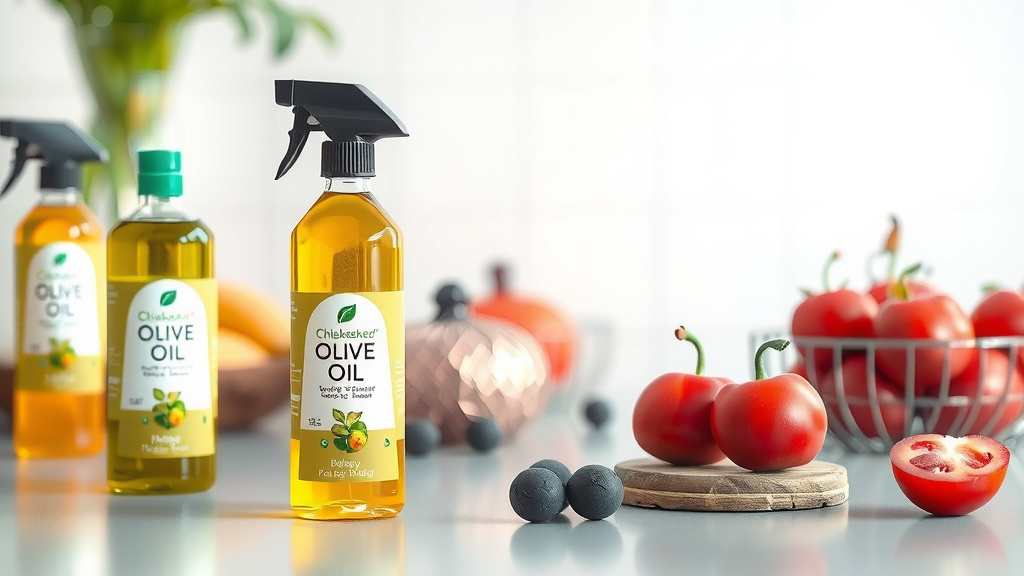
Is It Really “Zero Calorie”?
Let’s circle back to that “zero calorie” question. Technically, it’s not *truly* zero calories, but it’s less than 5 calories per serving, which allows for the zero-calorie labeling. Think of it this way: if you ate a whole can of spray, you’d still consume far fewer calories than if you used the equivalent amount of bottled oil. It’s a practical labeling convention.
Here’s a quick checklist to remember why olive oil spray gets that zero-calorie label:
- Tiny serving size per spray.
- Falls below the FDA’s 5-calorie threshold per serving.
- Atomized into a fine mist, not a pour.
- The concentration of oil is minuscule.
- It’s a labeling regulation, not a magic trick.
- Still contains real olive oil for flavor and function.
Conclusion
You now understand how olive oil spray earns its zero-calorie label. It’s not about the oil disappearing, but about its incredibly small serving size per spray. The FDA’s calorie thresholds, combined with the atomization technology, mean each puff delivers a minuscule amount of oil, falling below the 5-calorie limit. This clever food science allows you to enjoy the flavor and cooking benefits of olive oil while keeping a closer eye on your intake. Now that you’re equipped with this knowledge, next time you reach for a can, you can use it with confidence to achieve your cooking and health goals!
Frequently Asked Questions
Does olive oil spray still have health benefits?
Yes, olive oil spray still contains real olive oil, which is known for its healthy monounsaturated fats and antioxidants. While the quantity per spray is small, it can contribute to your overall intake of beneficial olive oil compounds. We found that many people appreciate having a way to incorporate healthy fats into their meals more mindfully.
Can I use olive oil spray instead of bottled olive oil for all my cooking?
Olive oil spray is fantastic for light coating, preventing sticking, and adding a subtle flavor. For recipes that require a larger amount of oil for sautéing, dressing, or deep frying, bottled olive oil is usually a better choice. We found that using both forms of olive oil in your kitchen offers the most versatility.
What makes the oil spray mist so fine?
The fine mist is created through a process called atomization. The nozzle on the spray can is designed to break the liquid oil into extremely tiny droplets. Propellants like nitrogen or air are also used to push the oil out under pressure, further helping to create that light, even spray.
Are there any drawbacks to using olive oil spray?
One potential drawback is that some sprays might contain propellants or emulsifiers you prefer to avoid. Also, it’s easy to get carried away and spray for longer than intended, inadvertently increasing the calorie count. We recommend checking the ingredient list and being mindful of your spray duration.
If it’s “zero calorie,” can I use an unlimited amount?
While labeled “zero calorie” based on FDA regulations (less than 5 calories per serving), it’s still important to be aware that the product contains oil. An unlimited amount would eventually add up in calories. Think of it as a tool for controlled usage, not a free pass. We discovered that mindful use is key to benefiting from its calorie-conscious nature.


![7 Best Costco Olive Oil To Buy [2026]](https://bestpureessentialoils.com/wp-content/uploads/2026/06/7-best-costco-olive-oil-to-buy-2026-featured-768x432.jpg)