How Long Does Olive Oil Last? Shelf Life Guide
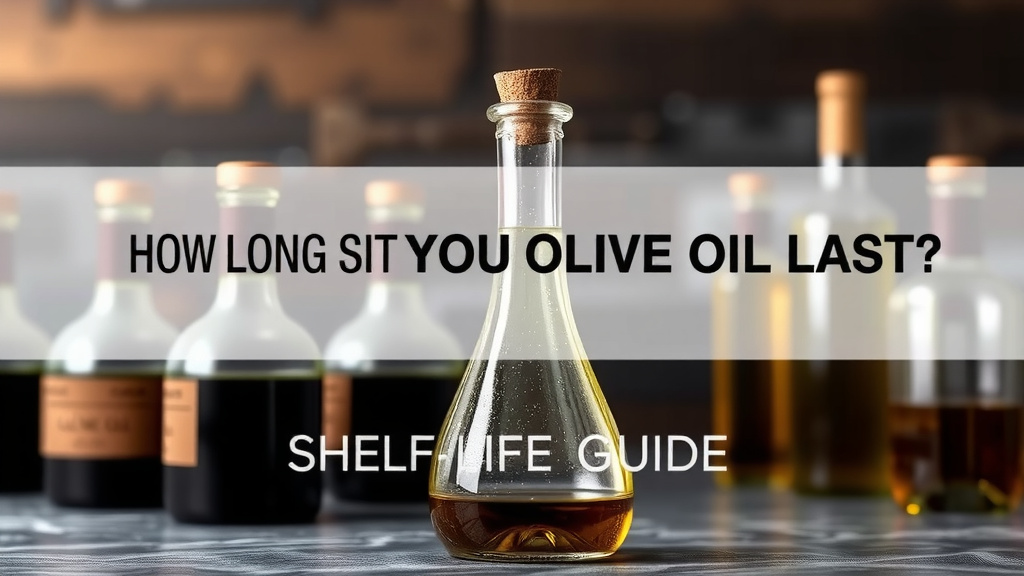
You can keep olive oil for about 18-24 months from its bottling date, though quality can decline sooner. For the best flavor and health benefits, aim to use it within 12 months of opening. Properly stored, even older oil is generally safe to consume, but its taste and aroma will fade.
Understanding olive oil’s shelf life is key to enjoying its full potential. Factors like heat, light, and air all play a role in how quickly it degrades. While not typically harmful, old olive oil simply won’t bring that fresh, peppery goodness to your dishes that you’re looking for.
- Olive oil lasts about 18-24 months from bottling.
- Use within 12 months of opening for best flavor.
- Store away from heat, light, and air.
- Old oil is safe but loses taste and aroma.
Let’s dive into the specifics of how to tell if your olive oil has gone bad and how to keep it fresh for as long as possible.
How Long Can You Really Keep Olive Oil?
You’re probably wondering about the shelf life of that expensive olive oil you bought. Well, the general consensus is that unopened olive oil lasts about 18 to 24 months from its bottling date. This is a good benchmark, but it’s not a hard and fast rule for peak flavor. Think of it like a good wine; it might be drinkable for a while, but it’s best enjoyed within a certain window.
Understanding Olive Oil’s Shelf Life Factors
So, what makes olive oil go bad? It’s not really about safety in the way milk spoils. Instead, it’s about the degradation of flavor and aroma. The main culprits that speed up this process are heat, light, and air. These elements can cause oxidation, which is essentially the oil slowly breaking down and losing its vibrant qualities.
Heat’s Impact on Olive Oil
You wouldn’t store ice cream in the pantry, right? Olive oil is similar. High temperatures are olive oil’s enemy. Storing it near your stove, oven, or even in a sunny windowsill can drastically shorten its lifespan and diminish its taste. We found that even moderate heat over time can negatively impact its quality.
Light: The Invisible Thief of Flavor
Just as sunlight can fade your favorite shirt, it can also fade the flavor of olive oil. UV rays are particularly damaging. That’s why many high-quality olive oils come in dark glass bottles. These help protect the oil from light’s damaging effects.
Air Exposure and Oxidation
Once you open a bottle, you introduce air. Every time you pour from it, more air gets in. This is where oxidation really kicks in. It’s a bit like leaving an apple cut open on the counter; it starts to turn brown and mushy. For olive oil, it means a loss of its fresh, fruity notes.
The Difference Between Bottling Date and Opening Date
The 18-24 month guideline is usually based on the bottling date. This is printed on the label, often as a “best by” or “harvest date.” However, the clock really starts ticking for flavor quality once you open the bottle. Many experts suggest that for the best taste, you should aim to use opened olive oil within 6 to 12 months. Some even say as short as 3 months for extra virgin olive oils to really get that premium flavor.
Signs Your Olive Oil Might Be Past Its Prime
How can you tell if your olive oil has lost its magic? You don’t need a lab coat for this! Your senses are your best guide. Trust your nose and your taste buds. We found that these are the most reliable indicators.
The Smell Test
Fresh olive oil should have a pleasant aroma, often described as fruity, grassy, or even peppery. If your olive oil smells musty, like crayons, rancid butter, or simply has no smell at all, it’s likely past its prime. A bad smell is a strong indicator of oxidation.
The Taste Test
Take a tiny sip. Fresh olive oil often has a peppery finish or a slight bitterness. If your olive oil tastes dull, waxy, or has a rancid flavor, it’s time to let it go. Rancid oil won’t make you sick, but it definitely won’t enhance your food.
Visual Clues (Use with Caution)
While color isn’t a definitive sign of spoilage, you might notice a cloudy appearance in oil that was once clear. This can sometimes indicate sediment or that the oil is starting to break down. However, some unfiltered oils are naturally cloudy.
Tips for Storing Olive Oil to Maximize Freshness
The good news is that with a little care, you can help your olive oil stay fresher for longer. Proper storage is key. Think of it as giving your olive oil a comfortable, cool, dark home.
Choose the Right Location
Find a cool, dark place for your olive oil. A pantry or a kitchen cabinet away from heat sources like the stove or dishwasher is ideal. Aim for a consistent temperature, ideally between 60-70°F (15-21°C). We found that avoiding temperature fluctuations is very important.
Keep it Sealed and Protected
Always make sure the cap is screwed on tightly after each use. This minimizes air exposure. If your oil came in a clear bottle, consider transferring it to a dark glass or stainless steel container, or storing it in a dark cupboard.
Consider Its Purpose
If you have older, less flavorful olive oil, don’t toss it just yet! It’s still perfectly safe to use for cooking applications where its delicate flavor won’t be missed. Think high-heat sautéing, roasting vegetables, or even conditioning wooden cutting boards. You can also use it in baking recipes where strong oil flavors aren’t desired.
A Quick Guide to Olive Oil Shelf Life and Storage
Here’s a simple checklist to keep your olive oil in top shape:
- Buy Smart: Look for bottles with a harvest date or bottling date.
- Dark is Good: Prefer dark glass bottles or opaque containers.
- Cool and Dark: Store away from heat and light sources.
- Seal It Up: Tighten the cap after every use.
- Use It Reasonably: Aim for 6-12 months after opening for best flavor.
- When in Doubt, Smell/Taste: Trust your senses to detect staleness.
When to Say Goodbye to Your Olive Oil
It can be hard to let go of something you invested in, but sometimes it’s necessary. If your olive oil smells or tastes rancid, it’s best to discard it. While not harmful, it won’t add anything positive to your meals. Many sources, like the Olive Wellness Institute, note that using rancid oil can actually impart unpleasant flavors.
Think of it this way: you wouldn’t serve wilted lettuce on a gourmet salad. Likewise, using slightly older but still safe olive oil for high-heat cooking is a great way to ensure you’re not wasting it. However, for that vibrant drizzle over a caprese salad or that delicate dressing, you’ll want the freshest bottle you have.
Conclusion
You now know that olive oil’s shelf life is a journey, not a destination. While unopened bottles can last 18-24 months from bottling, the real magic happens within the first 6-12 months after you open them. Remember, heat, light, and air are the main culprits in fading its vibrant flavor. By storing your olive oil correctly—in a cool, dark place, tightly sealed—you’ll get the most out of every delicious drop. Don’t let good oil go to waste; use older oils for cooking, but reserve the freshest for those finishing drizzles. Make it a habit to perform a quick smell and taste test before reaching for your bottle, and you’ll always enjoy its peak quality.
Frequently Asked Questions
Does olive oil go bad if I don’t use it within a year?
Olive oil can still be safe to use if it’s older than a year past opening, but its flavor and aroma will likely have diminished significantly. For the best taste in dressings and drizzles, it’s ideal to use it within 6 to 12 months of opening. Older oil is still perfectly fine for cooking where its subtle flavors won’t be missed.
Can I tell if olive oil is bad just by looking at it?
Visual cues are not the most reliable indicator for olive oil spoilage. While very old or degraded oil might appear cloudy, some high-quality unfiltered oils are naturally cloudy. The best way to tell if your olive oil has gone bad is by using your senses of smell and taste, as rancidity affects these first.
Is rancid olive oil dangerous to eat?
Rancid olive oil is generally not considered dangerous to eat in the sense that it will make you sick. However, it will have an unpleasant, off-flavor that can ruin your dishes. The oxidation process degrades the beneficial compounds and creates flavors that are stale and unappetizing.
How does storing olive oil in the refrigerator affect it?
Storing olive oil in the refrigerator can cause it to become cloudy and solidify. While this doesn’t necessarily harm the oil, it can be inconvenient to use when solid. It’s generally recommended to store olive oil at a consistent, cool room temperature away from light and heat, rather than in the fridge.
Can I still cook with olive oil if it’s past its best-by date?
Yes, you can typically still cook with olive oil that is past its best-by date, provided it hasn’t developed a rancid smell or taste. Older olive oil is perfectly suitable for high-heat cooking methods like sautéing or roasting, where its flavor profile won’t be as critical as it would be in a salad dressing.

![7 Best Medicinal Olive Oil [2026]](https://bestpureessentialoils.com/wp-content/uploads/2026/09/7-best-medicinal-olive-oil-2026-featured-768x432.jpg)
![7 Best Crete Olive Oil [2026]](https://bestpureessentialoils.com/wp-content/uploads/2026/06/7-best-crete-olive-oil-2026-featured-768x432.jpg)