
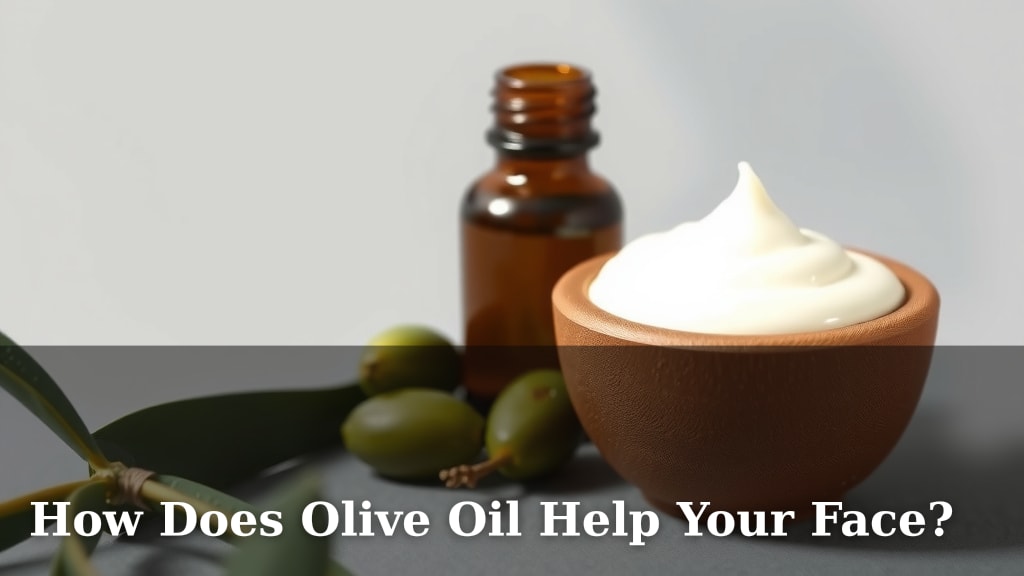
How Does Olive Oil Help Your Face?
Yes, olive oil can absolutely help your face by providing deep hydration and delivering potent antioxidants. It’s rich in fatty acids that can moisturize dry skin, and compounds like Vitamin E help protect your skin from damage. Many people find it to be a gentle yet effective way to improve their skin’s look and feel.
You might be wondering how something from your kitchen pantry can do so much for your skin. Well, olive oil is packed with vitamins and polyphenols. These natural elements are known to combat inflammation and may even help reduce the appearance of fine lines over time. It’s a simple ingredient with some surprising skin benefits.
TL;DR:
- Olive oil moisturizes your face effectively.
- It contains antioxidants like Vitamin E for skin protection.
- Fatty acids in olive oil help combat dryness.
- It can help reduce the look of fine lines.
Ready to learn more about how this kitchen staple can benefit your skin? Let’s dive into the specific ways olive oil works wonders for your face.
Exploring the Benefits of Olive Oil for Your Face
So, you’ve heard that olive oil might be good for your skin. But how exactly does this kitchen staple transform your face? We’ve looked into it, and the answer lies in its rich natural composition. Olive oil is packed with elements that can deeply moisturize and protect your skin. Let’s break down what makes it work so well.
The Hydration Powerhouse: Moisturizing Your Skin
Your skin needs moisture to stay healthy and looking its best. Dry skin can feel tight, look dull, and even make fine lines more noticeable. Olive oil offers a fantastic solution for this. Its fatty acids act like a natural barrier on your skin’s surface. This barrier helps to trap moisture, preventing it from escaping.
Understanding the Fatty Acids at Play
Olive oil contains oleic acid, a monounsaturated fatty acid. It’s also found in our skin’s natural sebum. This similarity means oleic acid can easily penetrate the skin. It provides deep nourishment without feeling heavy or greasy for most people. Other fatty acids, like linoleic acid, also contribute to skin barrier function.
A Natural Emollient for Softer Skin
Think of emollients as softeners. Olive oil is a wonderful emollient. It helps to smooth out rough patches on your skin. This can leave your face feeling incredibly soft and supple. You’ll notice a difference in texture fairly quickly. It’s like giving your skin a drink of water.
Antioxidants: Your Skin’s Tiny Defenders
Your skin is constantly facing challenges from the environment. Things like pollution and sun exposure can cause damage over time. This damage can lead to premature aging. Olive oil is loaded with antioxidants that help fight against these harmful effects.
The Role of Vitamin E
Vitamin E is a well-known antioxidant. It’s found in abundance in olive oil. Vitamin E works by neutralizing free radicals. Free radicals are unstable molecules that can damage skin cells. By reducing this damage, Vitamin E helps protect your skin from looking older than it is (National Institutes of Health).
Polyphenols: More Than Just Antioxidants
Olive oil also contains a group of compounds called polyphenols. These are powerful antioxidants. They have anti-inflammatory properties as well. Studies suggest that polyphenols can help protect your skin from oxidative stress. This can contribute to a more youthful appearance over time.
| Component | Primary Benefit | How it Helps Your Face |
|---|---|---|
| Oleic Acid | Moisturization | Deeply hydrates and softens skin. |
| Vitamin E | Antioxidant Protection | Fights free radical damage, supports skin health. |
| Polyphenols | Antioxidant & Anti-inflammatory | Protects against environmental stressors, soothes skin. |
| Squalene | Moisturization & Barrier Support | Helps maintain skin’s natural moisture barrier. |
Fighting Inflammation for a Calmer Complexion
Inflammation can make your skin look red and feel irritated. The anti-inflammatory properties of olive oil can help calm your skin. This can be particularly helpful for those with sensitive or easily irritated skin. A calmer complexion often looks more even and radiant.
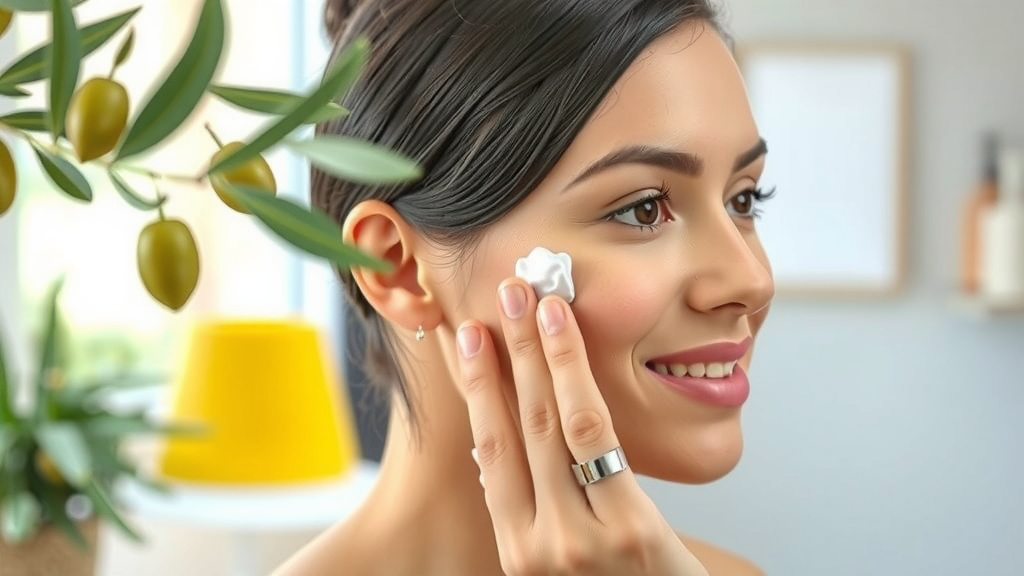
Olive Oil’s Impact on Signs of Aging
As we age, our skin naturally changes. Fine lines and wrinkles can start to appear. While olive oil isn’t a miracle cure, its moisturizing and protective qualities can help. By keeping skin well-hydrated, it can make existing lines appear less pronounced.
Hydration Smooths Out Fine Lines
When your skin is properly moisturized, it becomes more plump. This plumping effect can temporarily fill in the appearance of fine lines. It’s like inflating a slightly deflated balloon; the surface smooths out. This is why a good moisturizer is key for a youthful look.
Antioxidants Combat Aging Factors
We mentioned how antioxidants fight free radicals. These free radicals are a major contributor to skin aging. By reducing their impact, olive oil helps protect your skin’s collagen. Collagen is what keeps your skin firm and elastic. Preserving it can help delay the appearance of deeper wrinkles.
How to Incorporate Olive Oil into Your Routine
You might be ready to try olive oil on your face. It’s pretty straightforward! Start with a small amount. You don’t need much. Always use high-quality olive oil, like extra virgin olive oil. This type has the highest concentration of beneficial compounds.
Patch Test First!
Before you go all-in, it’s smart to do a patch test. Apply a tiny bit to a small, inconspicuous area of your skin. Wait 24 hours to see if you have any reaction. This is a good habit for any new skincare ingredient.
Simple Application Methods
You can use olive oil in a few ways:
- As a cleanser: Gently massage a small amount onto dry skin. Wipe off with a warm, damp cloth.
- As a moisturizer: After cleansing, apply a few drops to slightly damp skin. Pat it in gently.
- As a treatment: Apply a thin layer before bed.
A Quick Checklist for Using Olive Oil on Your Face:
- Always start with clean hands.
- Use a high-quality oil like extra virgin.
- Perform a patch test before full application.
- Use only a small amount – a little goes a long way.
- Apply to clean skin, either dry or slightly damp.
- Be patient; consistent use yields the best results.
Many people have found that adding olive oil to their skincare routine makes a noticeable difference. It’s a simple, natural way to boost your skin’s moisture and protection. Remember to listen to your skin and adjust as needed.
Conclusion
You’ve seen how olive oil can be a simple yet effective addition to your skincare. Its natural fatty acids deeply moisturize your skin, acting as a barrier to lock in hydration. The abundant antioxidants, like Vitamin E and polyphenols, help defend your skin from daily environmental damage. These properties work together to calm inflammation and can even make fine lines less noticeable. Ready to give your face a natural boost? Consider starting with a small patch test and incorporating a few drops of high-quality extra virgin olive oil into your nighttime routine.
Frequently Asked Questions
Can I use any type of olive oil on my face?
It’s best to use extra virgin olive oil. This type retains the most beneficial nutrients and antioxidants. Other types might be too processed and lack the same skin-loving compounds.
How often should I apply olive oil to my face?
You can start by applying it a few times a week, especially at night. Listen to your skin; if it feels good and looks hydrated, you might use it more often. For some, daily use as a moisturizer works well.
Will olive oil clog my pores?
For most people, olive oil is not pore-clogging. However, if you have very oily or acne-prone skin, it’s wise to do a patch test first. Using just a small amount can help you see how your skin reacts.
What’s the best way to remove olive oil if I use it as a cleanser?
After massaging a small amount onto dry skin, use a soft, damp washcloth. Gently wipe your face to remove the oil and impurities. Rinse the cloth and repeat until all residue is gone.
Can olive oil help with redness or irritation on my face?
Yes, olive oil has anti-inflammatory properties thanks to its polyphenols. It can help soothe irritated skin and reduce redness, making it a good choice for those with sensitive complexions.


![7 Best Olive Oil Brand For Cooking In India [2026]](https://bestpureessentialoils.com/wp-content/uploads/2026/09/7-best-olive-oil-brand-for-cooking-in-india-2026-featured-768x432.jpg)
![7 Best Meyer Lemon Olive Oil [2026]](https://bestpureessentialoils.com/wp-content/uploads/2026/09/7-best-meyer-lemon-olive-oil-2026-featured-768x432.jpg)