How Flammable Is Olive Oil?
Olive oil is generally not highly flammable, but it can burn if exposed to enough heat. Think of it more like wood than gasoline. While you won’t easily set a bottle of olive oil on fire, it will ignite and burn when it reaches its smoke point and beyond, especially when heated in a pan.
The flash point, or the temperature at which it can ignite with a brief flame, is quite high for olive oil. This means it needs to get pretty hot before it becomes a real fire risk. Still, understanding its behavior around heat is important for kitchen safety.
- Olive oil is not very flammable on its own.
- It needs to reach its smoke point to ignite.
- Higher smoke points mean less risk in cooking.
- Different types of olive oil have varying smoke points.
Let’s look closer at how olive oil behaves when it gets hot and what that means for your cooking.
Olive Oil and Fire: What You Need to Know
So, is olive oil a fire hazard? We understand why you might wonder. It’s something we use every day for cooking, and seeing it sizzle in a hot pan can make anyone pause. The good news is, olive oil isn’t like gasoline; it won’t erupt into flames from a tiny spark. It needs to get quite hot to actually burn.
Understanding the Smoke Point: Your Kitchen’s Heat Limit
The key to understanding olive oil’s flammability is its smoke point. This is the temperature at which your olive oil starts to smoke. When it smokes, it means the oil is starting to break down. Tiny particles in the oil begin to char and burn. This is also when it can potentially ignite, especially if there’s an open flame nearby.
Think of your pan as a stage, and the smoke point is when the curtains start to fall. Things are getting a bit chaotic. If you see smoke, it’s your cue to turn down the heat. This is a clear signal that the oil is too hot for safe cooking.
What Happens When Olive Oil Smokes?
When olive oil hits its smoke point, it releases acrolein. This compound is what causes that unpleasant, smoky smell. It also means the oil is degrading. This degradation can create free radicals. Over time, consuming a lot of oil that’s been heated past its smoke point could have health implications. Many health organizations suggest avoiding cooking with oil that has started to smoke (U.S. Department of Agriculture).
Ignition Temperature: The Real Danger Zone
Beyond the smoke point is the ignition temperature. This is the temperature at which the oil will actually catch fire. For most olive oils, this temperature is significantly higher than their smoke points. So, while smoking is a warning, actual ignition is a much more extreme event. It requires sustained, high heat. Your stovetop, even on high, usually won’t reach this point unless there’s an accidental flare-up.
Different Olive Oils, Different Smoke Points
Not all olive oils are created equal when it comes to heat tolerance. The type of olive oil you use matters. This is because their processing and filtering differ. These differences directly impact their smoke points.
Extra Virgin Olive Oil (EVOO)
Extra virgin olive oil is the least processed. It retains more of its natural compounds. Because of this, it has a lower smoke point. Typically, EVOO has a smoke point around 375°F to 405°F (190°C to 207°C). This makes it great for dressings and low-heat sautéing. For higher heat cooking, you might want to choose a different oil.
Virgin Olive Oil
Virgin olive oil is also minimally processed. Its smoke point is similar to EVOO, often falling between 375°F and 405°F (190°C to 207°C). It’s best suited for similar uses as EVOO.
Pure Olive Oil and Light Olive Oil
These types have undergone more refining and filtering. This process removes impurities that can cause smoking. As a result, they have higher smoke points. Pure olive oil usually smokes around 400°F to 470°F (204°C to 243°C). Light olive oil, which is a refined olive oil blended with a small amount of virgin olive oil, can have an even higher smoke point, sometimes up to 470°F (243°C) or more.
A table can help visualize these differences:
| Type of Olive Oil | Typical Smoke Point (°F) | Typical Smoke Point (°C) | Best Uses |
|---|---|---|---|
| Extra Virgin Olive Oil | 375-405°F | 190-207°C | Salads, dips, finishing, low-heat sautéing |
| Virgin Olive Oil | 375-405°F | 190-207°C | Similar to EVOO, light sautéing |
| Pure Olive Oil | 400-470°F | 204-243°C | Roasting, baking, general cooking |
| Light Olive Oil | 460-470°F+ | 238-243°C+ | High-heat searing, frying, baking |
When Does Olive Oil Become a Fire Risk?
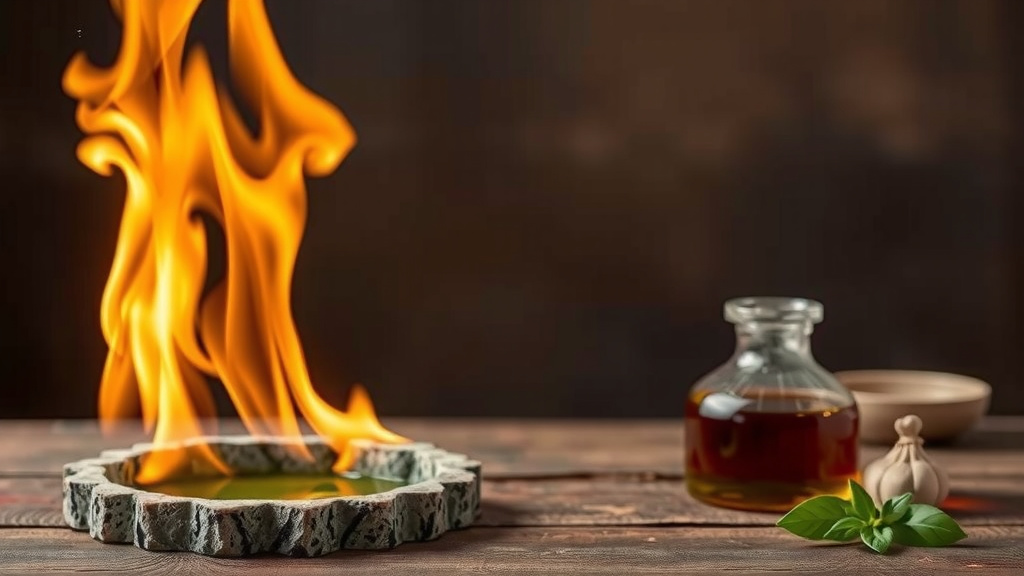
Olive oil becomes a fire risk when it’s heated well beyond its smoke point. Imagine a pan on the stove. If the heat is too high for too long, the oil will not only smoke but could eventually ignite. This is especially true if there are food particles in the oil that can char and act as ignition sources.
A grease fire in a pan is a serious kitchen emergency. It happens when the oil reaches its ignition temperature. The flames can spread very quickly. It’s crucial to know how to prevent this and what to do if it happens.
Common Scenarios for Oil Fires
Most kitchen fires involving oil occur when:
- Cooking is left unattended.
- The heat is too high for the type of oil being used.
- Fats or oils overheat in a pan or pot.
- Flammable materials are too close to a heat source.
The National Fire Protection Association (NFPA) states that cooking is the leading cause of home fires. Unattended cooking is a major factor in these fires.
Kitchen Safety Tips for Cooking with Olive Oil
Your safety in the kitchen is what matters most. Understanding how olive oil behaves with heat helps you cook smarter and safer. Here are some simple tips to keep in mind:
- Choose the Right Oil for the Job: Use EVOO for low-heat cooking or dressings. Opt for oils with higher smoke points for frying or searing.
- Watch for Smoke: If your oil starts smoking, it’s too hot. Turn down the heat immediately.
- Never Leave Cooking Unattended: This is perhaps the most important rule. Stay in the kitchen when you’re cooking, especially when using oil.
- Keep Flammables Away: Ensure towels, curtains, and other flammable items are nowhere near the stovetop.
- Have a Lid Ready: If a small grease fire starts in a pan, the quickest way to put it out is by sliding a lid over it. This cuts off the oxygen.
Conclusion
You’ve learned that olive oil isn’t a highly flammable substance on its own. It needs to reach its smoke point and beyond to become a fire risk. Understanding the different smoke points for various olive oils helps you choose the right one for your cooking temperature. Remember, if your oil starts smoking, it’s a clear sign to turn down the heat. Always stay in the kitchen and keep flammables away from the stove. You can enjoy cooking with olive oil safely by following these simple precautions.
Frequently Asked Questions
Can I pour cold olive oil onto a hot pan?
Generally, yes. Pouring cold olive oil into a hot pan is a common cooking technique and usually safe. The oil will heat up quickly. Just be mindful of the pan’s temperature; if it’s already smoking, the oil will reach its smoke point much faster.
What happens if olive oil catches fire?
If olive oil catches fire, do not use water to extinguish it. Water can spread the flames. The best approach is to carefully slide a lid over the pan to cut off the oxygen supply, then turn off the heat. You can also use a baking soda or a Class B fire extinguisher designed for grease fires.
Is it safe to use olive oil for deep frying?
It depends on the type of olive oil. For deep frying, you’ll want an olive oil with a higher smoke point, like pure or light olive oil. Extra virgin olive oil has a lower smoke point and is better suited for lower-heat cooking methods.
Can olive oil go bad if I overheat it?
Yes, overheating olive oil past its smoke point degrades its quality. It can develop off-flavors and create compounds that aren’t ideal for consumption. Cooking with oil that has started to smoke repeatedly can also impact its health benefits.
Does olive oil become more flammable as it gets older?
Olive oil doesn’t necessarily become more flammable as it ages. However, like all oils, it can go rancid over time, which affects its flavor and quality. Rancidity doesn’t significantly increase its flammability risk compared to fresh oil.

![7 Best Italian Olive Oil [2026]](https://bestpureessentialoils.com/wp-content/uploads/2026/07/7-best-italian-olive-oil-2026-featured-768x432.jpg)
![7 Best Mild Tasting Olive Oil [2026]](https://bestpureessentialoils.com/wp-content/uploads/2026/09/7-best-mild-tasting-olive-oil-2026-featured-768x432.jpg)