How Is Olive Oil Good for Your Face?
Yes, olive oil can be quite good for your face, acting as a natural moisturizer and antioxidant. Many people find that applying a small amount of extra virgin olive oil can help combat dryness and leave your skin feeling softer and more supple. It’s packed with beneficial compounds like oleic acid and vitamin E.
When you consider using olive oil on your face, think about its nourishing properties. It’s rich in healthy fats that can support your skin’s natural barrier function. Plus, its antioxidant content helps protect your skin from environmental stressors, potentially leading to a more radiant complexion over time.
TL;DR:
- Olive oil moisturizes your face naturally.
- It contains antioxidants like Vitamin E.
- It can make your skin feel softer.
- Extra virgin is often the best choice.
Ready to see if olive oil is your skin’s new best friend? Let’s dive into the specifics of how it can benefit your face.
Unlocking Your Skin’s Potential with Olive Oil
You might be wondering, “Can I really put something from my kitchen on my face?” The short answer is yes, and it can be incredibly beneficial! Olive oil is packed with compounds that your skin will thank you for. We’ve found that when used correctly, it can be a gentle and effective part of your skincare routine.
Let’s explore the amazing ways olive oil can contribute to a healthier, happier complexion. It’s more than just a cooking ingredient; it’s a natural skincare powerhouse waiting to be discovered.
The Science Behind Olive Oil’s Skincare Benefits
Olive oil’s magic lies in its rich composition. It’s not just fat; it’s a complex mix of beneficial substances. We found that the specific types of fatty acids and antioxidants make a real difference.
Key Components and Their Roles
At the heart of olive oil’s skincare power are its fatty acids and antioxidants. These work together to protect and nourish your skin.
Healthy Fatty Acids: The Moisturizing Marvels
The primary fatty acid in olive oil is oleic acid. This is a monounsaturated fat that’s also found naturally in our skin’s sebum. This similarity helps it integrate well with your skin. It’s fantastic at moisturizing and keeping your skin’s natural barrier strong. A healthy skin barrier prevents water loss and keeps irritants out.
Antioxidant Army: Fighting Free Radicals
Olive oil is a good source of Vitamin E, a powerful antioxidant. You’ll also find polyphenols, which are potent plant compounds with antioxidant and anti-inflammatory properties. These heroes work to neutralize harmful free radicals. Free radicals are unstable molecules that can damage skin cells and contribute to premature aging.
Why Extra Virgin Olive Oil is Often Preferred
When you’re choosing olive oil for your face, extra virgin olive oil (EVOO) is generally the top choice. This is because it’s the least processed form of olive oil. It retains the highest concentration of beneficial nutrients and antioxidants. Other types of olive oil, like refined or light olive oil, have undergone more processing, which can strip away some of these good-for-you compounds.
How Olive Oil Directly Benefits Your Facial Skin
Now let’s get down to what olive oil can actually do for your face. You might be surprised by its versatility!
Deep Moisturization and Hydration
Are you struggling with dry, flaky skin? Olive oil can help. Its rich oleic acid content acts as an effective emollient. It creates a smooth layer on your skin’s surface. This layer helps to lock in moisture. It’s like giving your skin a comforting, hydrating hug. Many people find it leaves their skin feeling incredibly soft and supple. We found that even a small amount can make a noticeable difference in dryness.
Soothing and Calming Properties
If your skin is easily irritated or sensitive, olive oil might be a gentle friend. Research suggests that the oleocanthal compound in extra virgin olive oil has anti-inflammatory properties. This can help calm redness and soothe discomfort. It’s like a gentle balm for stressed-out skin. This makes it a good option for those who find many commercial products too harsh.
Supporting Skin Elasticity and Firmness
As we age, our skin naturally loses some elasticity. The antioxidants in olive oil, particularly Vitamin E, play a role in protecting skin cells from damage. This damage can contribute to loss of firmness over time. By combating free radicals, olive oil helps protect collagen. This is the protein that keeps your skin plump and firm. While it won’t magically reverse aging, it can help maintain your skin’s youthful appearance.
Gentle Makeup Removal
Tired of harsh makeup removers that leave your skin feeling stripped? Olive oil can work wonders. It’s an effective natural solvent. It can break down even stubborn waterproof makeup. Simply apply a small amount to a cotton pad and gently wipe away your makeup. It cleanses your skin while simultaneously moisturizing it. Just be sure to wash your face with a gentle cleanser afterward to remove any oily residue.
Natural Exfoliation Potential
While not a harsh scrub, olive oil can aid in exfoliation. When used as a makeup remover or a moisturizer, it can help loosen dead skin cells. You can also mix it with a gentle exfoliant like sugar or finely ground oatmeal for a DIY scrub. This combination helps to buff away dullness. It reveals brighter, smoother skin underneath. The oil ensures the exfoliation process is gentle and moisturizing, not abrasive.
Incorporating Olive Oil into Your Skincare Routine
Ready to give it a try? Here’s how you can easily add olive oil to your regimen.
Patch Test is Key!
Before you slather olive oil all over your face, it’s crucial to do a patch test. Apply a small amount to an inconspicuous area, like behind your ear or on your inner arm. Wait 24-48 hours to see if any redness, itching, or irritation occurs. This simple step can save you from a potential breakout or reaction.
When and How to Apply
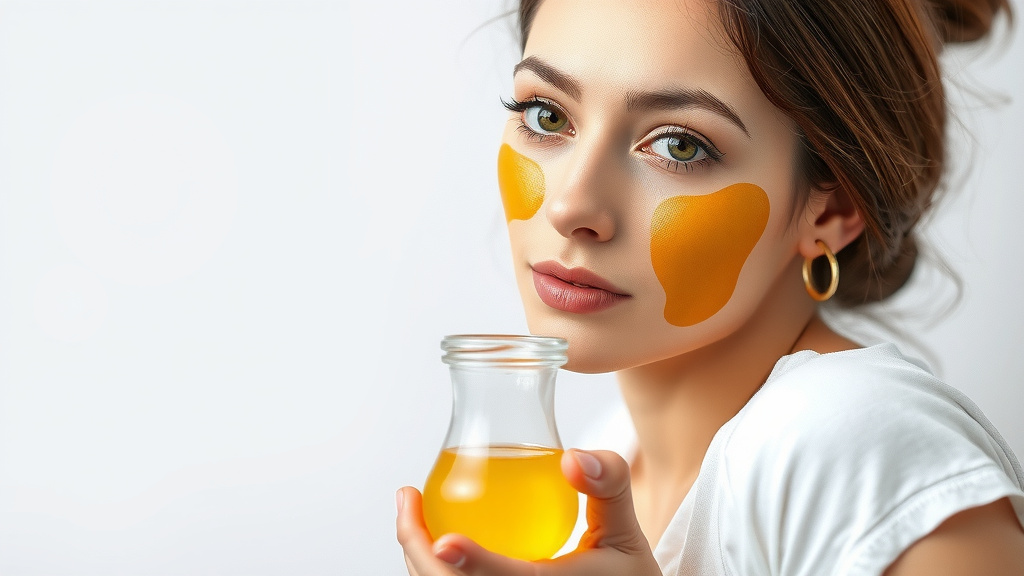
Many people find applying olive oil at night works best. After cleansing your face, warm a few drops of EVOO between your palms. Gently press it into your skin. You don’t need a lot – a little goes a long way! If you have oily skin, you might prefer to use it only on drier areas or a few times a week.
What to Look For in an Olive Oil Product
When shopping for olive oil for your face, look for:
- 100% Extra Virgin Olive Oil: Ensure it’s pure and minimally processed.
- Cold-Pressed: This method helps preserve nutrients.
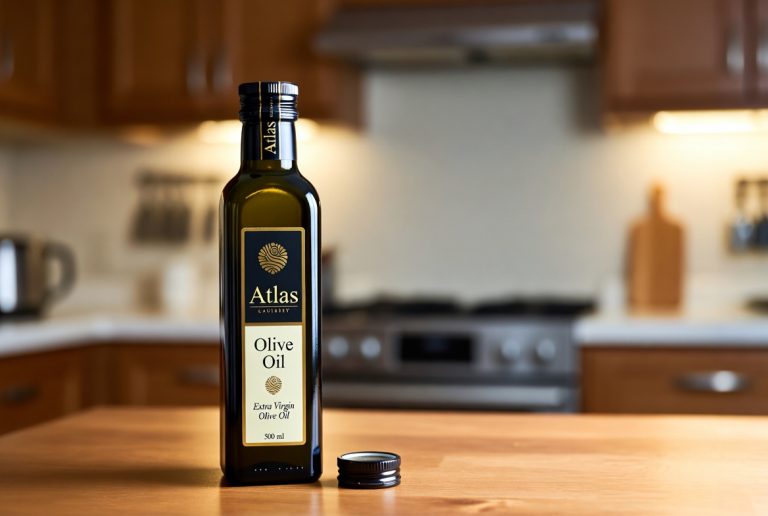
- Dark Glass Bottle: This protects the oil from light, which can degrade its quality.
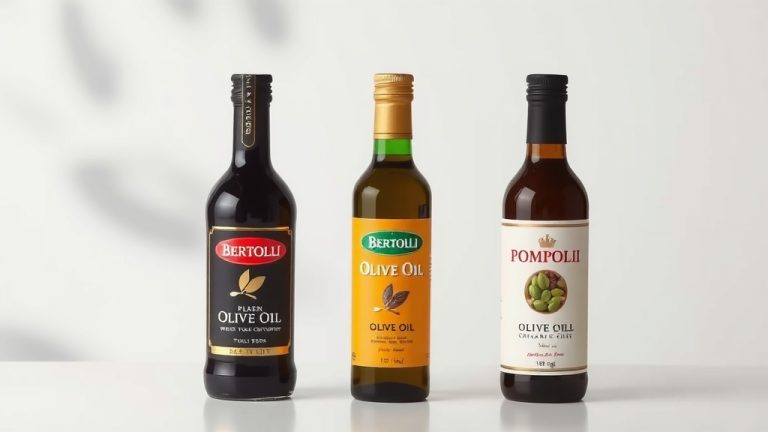
- Reputable Brand: Choose brands known for quality and purity.
Potential Considerations for Your Skin Type
While olive oil is generally well-tolerated, it’s important to consider your skin type. For those with very oily or acne-prone skin, direct application might feel too heavy. In such cases, using it as a makeup remover or in a DIY scrub might be a better approach. You might also find that combining it with other ingredients helps balance its richness.
A Simple Olive Oil Skincare Checklist
To make sure you’re on the right track, keep this quick checklist in mind:
- Always choose extra virgin, cold-pressed olive oil.
- Perform a patch test before full facial application.
- Use it sparingly; a little goes a long way.
- Consider applying it at night for best results.
- Listen to your skin and adjust usage as needed.
- Cleanse properly after using it to remove makeup or residue.
Conclusion
You’ve learned how extra virgin olive oil can be a natural ally for your facial skin. Its rich oleic acid content deeply moisturizes, while antioxidants like Vitamin E protect against environmental damage. We found it can also offer soothing benefits and help maintain skin’s firmness. Remember to always perform a patch test and choose 100% cold-pressed EVOO for the best results. Ready to incorporate this kitchen staple into your beauty routine? Start by applying a few drops to your clean face tonight.
Frequently Asked Questions
Can I use any type of olive oil on my face?
It’s best to use 100% extra virgin olive oil (EVOO). We found that EVOO is the least processed and retains the most beneficial nutrients and antioxidants for your skin. Refined or light olive oils have had many of these compounds removed during processing.
Will olive oil make my face break out?
Olive oil can clog pores for some people, especially those with oily or acne-prone skin. It’s essential to do a patch test first. If you’re concerned, try using it as a makeup remover and rinsing thoroughly, or use it only on drier areas of your face.
How often should I apply olive oil to my face?
For most people, applying olive oil a few times a week or nightly can be beneficial. Start slowly and observe how your skin reacts. If your skin feels hydrated and comfortable, you can gradually increase usage. Listen to your skin and adjust as needed.
Can olive oil help with wrinkles?
Olive oil contains antioxidants like Vitamin E that help protect your skin from free radical damage, which contributes to aging. While it won’t eliminate wrinkles, it can help improve skin’s hydration and elasticity, potentially making the appearance of fine lines softer.
How do I wash off olive oil if I use it for makeup removal?
After using olive oil to remove makeup, we recommend washing your face with your regular, gentle cleanser. This ensures all makeup residue and excess oil is removed, preventing any potential for clogged pores or a greasy feeling on your skin.