Avocado Oil Mayo vs Olive Oil Mayo: Which is Better
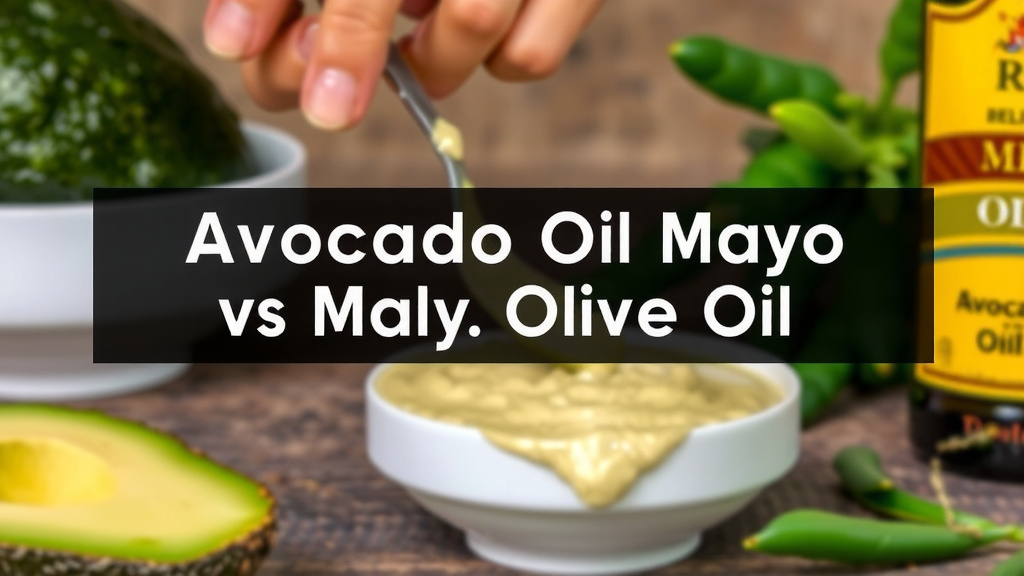
When comparing avocado oil mayo and olive oil mayo, avocado oil mayo often takes the crown for its neutral flavor and higher smoke point, making it more versatile for cooking. Both offer healthier fat profiles than traditional mayonnaise, but avocado oil mayo is generally the top choice for everyday use.
You’re probably wondering which is the best choice for your sandwiches or salads. We found that while both can be delicious, their base oils lend them unique characteristics. Understanding these differences helps you pick the perfect mayo for your needs, whether you’re focusing on health or flavor.
- Avocado oil mayo is often preferred for its neutral taste.
- Olive oil mayo can have a stronger flavor that might complement certain dishes.
- Both offer healthier fats than conventional mayo.
- Consider your recipe needs when choosing.
Let’s break down the key differences between these two popular mayo options so you can make the best choice for your kitchen.
Making the Mayo Choice: Avocado Oil vs. Olive Oil
You’ve probably stood in the condiment aisle, staring at two jars of mayo. One is smooth and creamy, promising deliciousness. The other looks similar, but its label mentions a different base oil. So, what’s the real difference between avocado oil mayo and olive oil mayo? We found that while both can be healthier than traditional mayonnaise, their distinct oils give them unique flavors and uses.
We’re here to help you navigate this choice. Let’s break down what makes each mayo tick. This will help you decide which one deserves a spot in your refrigerator for your favorite dishes. Think of it like choosing between two good friends – both are great, but they bring different qualities to the party.
Understanding the Base Oils
The main difference, as you might guess, comes down to the oil used. Traditional mayonnaise relies on neutral oils like soybean or canola oil. These are often chosen for their blandness. But avocado oil and olive oil bring their own unique profiles to the table.
The Case for Avocado Oil Mayo
Avocado oil is pressed from the flesh of avocados. It’s known for a light, buttery flavor. Many people find it to be quite neutral tasting. This makes it a fantastic all-purpose mayo. Its mildness means it won’t overpower the other ingredients in your sandwich or salad.
We found that avocado oil has a very high smoke point. This is a big deal for cooking! It means you can use avocado oil mayo in recipes that involve heat without worrying about it breaking down or tasting burnt. Think of using it as a binder in some cooked dishes or even as a spread for grilled items.
Another benefit is its nutritional profile. Avocado oil is rich in monounsaturated fats. These are often called “good fats.” Research suggests these fats can be heart-healthy (Harvard T.H. Chan School of Public Health). It’s a much better option than the saturated fats found in some other cooking oils.
The Appeal of Olive Oil Mayo
Olive oil mayo is made with, you guessed it, olive oil. The type of olive oil used can make a difference. Extra virgin olive oil, for example, has a robust flavor. This can add a distinct taste to your mayonnaise.
We found that the flavor of olive oil mayo can be a bit more pronounced. It might have a slightly peppery or fruity note. This isn’t necessarily a bad thing! For certain dishes, this extra flavor can be a real plus. Imagine it on a Mediterranean-inspired chicken salad or a caprese sandwich.
However, if you’re looking for a mayo that just disappears into the background, olive oil mayo might not be your first choice. Some people find the olive oil flavor too strong for everyday use. It really depends on your personal preference and what you’re pairing it with.
Olive oil is also packed with monounsaturated fats and antioxidants. Like avocado oil, it’s considered a healthier fat source than many conventional oils (Mayo Clinic). So, nutritionally, it’s also a strong contender.
Flavor Profile Showdown
This is often the deciding factor for many people. Let’s talk taste. If you prefer your mayonnaise to be a silent partner, then avocado oil mayo is likely your winner. We found its neutral flavor makes it incredibly versatile. It lets the taste of your tuna salad or deviled eggs shine through.
On the other hand, if you enjoy a mayonnaise that adds its own personality, olive oil mayo might be more your style. We found that the taste can range from mild to quite bold, depending on the olive oil used. It can add an extra layer of deliciousness to dishes that benefit from a richer flavor profile.
When to Use Which
Thinking about your next meal can help you decide. For a simple BLT, a classic potato salad, or just spreading on toast, avocado oil mayo is often the go-to choice. Its mildness means it plays well with almost anything.
Now, consider a Greek yogurt-based dip for grilled lamb or a spread for a panini with roasted red peppers. Here, the bolder notes of olive oil mayo could really shine. It can complement savory flavors beautifully. We found that using olive oil mayo in these instances can elevate the overall dish.
Nutritional Comparisons: A Closer Look
Both options offer a healthier alternative to traditional mayonnaise, which typically uses less healthy oils. Let’s look at what nutrition experts often point out.
Avocado oil mayo generally has a good amount of monounsaturated fats. It’s also often lower in saturated fat compared to some other options. Some brands might even be fortified with vitamins like E. We found that brands can vary, so it’s always good to check the nutrition label.
Olive oil mayo also boasts monounsaturated fats. Extra virgin olive oil, in particular, is rich in antioxidants. These compounds can help fight inflammation in your body (NIH). Again, the specific type of olive oil used will impact the nutritional benefits.
Here’s a quick comparison table to help you visualize:
| Feature | Avocado Oil Mayo | Olive Oil Mayo |
|---|---|---|
| Primary Oil | Avocado Oil | Olive Oil (often Extra Virgin) |
| Flavor Profile | Neutral, mild, buttery | Can be pronounced, peppery, fruity |
| Smoke Point | High | Medium to High (varies by olive oil type) |
| Healthiest Fats | High in Monounsaturated Fats | High in Monounsaturated Fats, Antioxidants |
| Best For | Everyday use, versatile cooking, sensitive palates | Dishes needing bold flavor, Mediterranean-inspired meals |
We found that when it comes to the “healthiest” option, both are generally good choices. The best choice often comes down to your dietary needs and flavor preferences. Sometimes, a combination of both can even work in your kitchen!
Cooking with Your Mayo Choice
Can you cook with these healthier mayos? Absolutely! As we mentioned, avocado oil’s high smoke point makes it a winner for heat. You can use it in recipes like:
- As a binder for meatballs or meatloaf.
- In a “fried” chicken coating before baking.
- As a creamy base for warm pasta salads.
Olive oil mayo can also be used in cooking, but with a bit more caution. If you’re using a robust extra virgin olive oil mayo, high heat might alter its flavor negatively. We found it works best in recipes where the heat is moderate or brief. Consider using it in things like:
- A quick pan sauce for chicken or fish.
- Mixed into mashed potatoes for extra creaminess.
- As a spread for grilled cheese sandwiches.
Making Your Final Decision
So, which mayo should you reach for? It really depends on what you’re making and what you like. We’ve gathered a few points to guide your decision-making process:
- For neutral taste: Choose avocado oil mayo.
- For a flavor kick: Consider olive oil mayo.
- For cooking at higher temps: Avocado oil mayo is often safer.
- For heart-healthy fats: Both are excellent options.
- For versatility: Avocado oil mayo usually wins.
- For specific pairings: Olive oil mayo can be a star.
Think about your pantry staples and your favorite meals. Do you want a mayo that simply enhances, or one that adds its own distinct flavor? We found that having both on hand can be the ultimate solution for any culinary adventure!
Conclusion
You’ve learned that both avocado oil mayo and olive oil mayo offer delicious ways to enjoy your favorite foods while getting healthier fats. If you prioritize a neutral flavor for everyday use and need a mayo that can handle heat, avocado oil mayo is likely your best bet. For dishes where you want a flavorful punch or a Mediterranean twist, olive oil mayo shines. We found that understanding the base oil’s properties helps you make the perfect choice for your culinary creations. Consider stocking both to cover all your sandwich, salad, and cooking needs!
Frequently Asked Questions
Which mayo is better for sensitive stomachs?
For most people, both avocado oil and olive oil mayo are gentler than traditional options. However, if you find the flavor of olive oil too strong, avocado oil mayo’s neutral taste might be easier on your system.
Can I substitute avocado oil mayo for regular mayo in baking?
Yes, you generally can! Avocado oil mayo’s neutral flavor makes it a great substitute for regular mayonnaise in many baking recipes. Its structure also works well in place of traditional mayo.
Does olive oil mayo taste like salad dressing?
Sometimes, depending on the brand and the type of olive oil used, olive oil mayo can have a distinct flavor. This is often described as peppery or fruity, which can be great for certain dishes but might remind you of a vinaigrette.
Are there any specific vitamins I can get from these mayos?
Avocado oil itself contains vitamin E, and some brands of avocado oil mayo might be fortified with it. Olive oil, especially extra virgin, is known for its antioxidant content, which offers health benefits.
Which mayo brand is generally considered the healthiest?
The “healthiest” mayo depends on your dietary goals and the specific ingredients. Both avocado oil and olive oil options are better than conventional mayo. Always check the nutrition label for fat content, sodium, and added sugars.

![7 Best Early Harvest Olive Oil [2026]](https://bestpureessentialoils.com/wp-content/uploads/2026/06/7-best-early-harvest-olive-oil-2026-featured-768x432.jpg)

![7 Best First Cold Pressed Extra Virgin Olive Oil [2026]](https://bestpureessentialoils.com/wp-content/uploads/2026/08/7-best-first-cold-pressed-extra-virgin-olive-oil-2026-featured-768x432.jpg)