
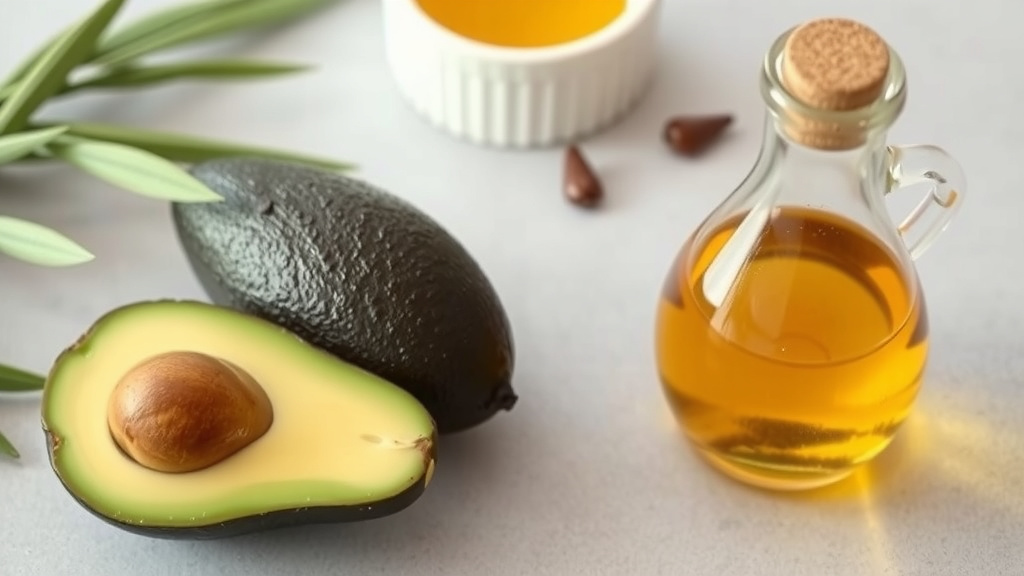
Avocado Oil vs Olive Oil: Which is Healthier
When choosing between avocado oil and olive oil, both offer fantastic health perks, but they shine in different areas. For high-heat cooking, avocado oil is often the winner thanks to its higher smoke point. Olive oil, especially extra virgin, is better for low-heat cooking and dressings due to its delicate flavor and lower smoke point. So, the “better” oil really depends on what you’re making!
You might be wondering how these two popular oils stack up. We found that both are packed with healthy fats, which are great for your heart. Olive oil is famous for its antioxidants, while avocado oil boasts vitamin E. Understanding their unique properties can help you pick the perfect one for your kitchen experiments and boost your meals with delicious, healthy fats.
- Avocado oil is best for high-heat cooking like searing and frying.
- Olive oil, especially extra virgin, excels in salad dressings and drizzling.
- Both oils are loaded with healthy monounsaturated fats.
- Avocado oil has a milder flavor compared to olive oil.
- Choose based on your cooking method and desired taste!
Ready to see which one fits your cooking style best? Let’s break down the delicious details of avocado oil versus olive oil, comparing their smoke points, nutritional benefits, and best uses.
Avocado Oil vs. Olive Oil: Which Healthy Fat Wins for Your Kitchen?
So, you’re standing in the aisle, staring at two bottles of golden goodness. Both avocado oil and olive oil are hailed as healthy heroes. But which one is truly the star of your next meal? We’ve looked into it, and the answer isn’t a simple “this one is better.” It really depends on your cooking style and what you’re whipping up.
You might be surprised to learn that avocado oil often takes the crown for high-heat cooking. Think searing steaks or getting that perfect golden-brown fry. Olive oil, especially the extra virgin kind, tends to sing in salad dressings or as a finishing drizzle. Let’s dive into why.
Smoke Points: The Heat is On!
One of the biggest differences between these oils is their smoke point. This is the temperature at which an oil starts to break down and smoke. When oil smokes, it can create harmful compounds and develop an unpleasant taste. That’s why picking an oil with the right smoke point is super important for your health and your food.
Avocado Oil’s High Heat Tolerance
We found that avocado oil boasts a remarkably high smoke point. For refined avocado oil, this can be around 520°F (271°C). Even unrefined avocado oil has a smoke point of about 480°F (250°C). This makes it a stellar choice for cooking methods that require high heat.
- Searing and pan-frying
- Roasting vegetables at high temperatures
- Stir-frying
Olive Oil’s Delicate Nature
Olive oil, on the other hand, has a lower smoke point. Extra virgin olive oil (EVOO), which is less processed, typically smokes between 375°F and 405°F (190°C and 207°C). Regular or “light” olive oil can handle a bit more heat, sometimes up to 470°F (243°C). This means EVOO is best reserved for lower-heat applications.
- Salad dressings and vinaigrettes
- Drizzling over finished dishes
- Light sautéing
- Baking
Many health organizations suggest using oils within their smoke point range to get the most benefits (Harvard Health Publishing). So, if you’re doing some serious searing, avocado oil is likely your safer bet.
Nutritional Breakdown: What’s Inside?
Both oils are packed with healthy fats, which is fantastic news for your heart. We’re talking about monounsaturated fats, which research shows can help lower bad cholesterol levels and reduce the risk of heart disease (National Institutes of Health). But there are some subtle differences in their nutrient profiles.
Healthy Fats: The Common Ground
You’ll be happy to know that both oils are primarily made up of monounsaturated fatty acids. Avocado oil is around 70% monounsaturated fat. Olive oil is also very high, often between 55% and 83% depending on the type (U.S. Department of Agriculture).
Antioxidants and Vitamins
Extra virgin olive oil is famous for its high antioxidant content. These powerful compounds help fight damage in your body. EVOO contains polyphenols, which many experts link to its anti-inflammatory properties. It also has vitamin E.
Avocado oil also contains vitamin E, a potent antioxidant that supports your immune system and skin health. While it might not have the same quantity of polyphenols as EVOO, its vitamin E content is a definite plus. We found that avocado oil can have about twice the vitamin E of olive oil (U.S. Department of Agriculture).
Flavor Profiles: Taste the Difference
When it comes to taste, they are worlds apart. Olive oil, especially extra virgin, has a distinct fruity, peppery, or even grassy flavor. This robust taste is what makes it so wonderful in dressings and as a finishing oil. It adds a layer of complexity to your dishes.
Avocado oil, on the other hand, has a much milder, buttery flavor. This neutral profile makes it incredibly versatile. It won’t overpower delicate ingredients. Think of it as a fantastic backstage performer, enhancing your dish without stealing the spotlight.
| Feature | Avocado Oil | Olive Oil (Extra Virgin) |
|---|---|---|
| Smoke Point | ~500°F (260°C) | ~375°F (190°C) |
| Primary Healthy Fat | Monounsaturated | Monounsaturated |
| Key Nutrients | Vitamin E | Antioxidants (Polyphenols), Vitamin E |
| Flavor | Mild, buttery, neutral | Fruity, peppery, grassy |
| Best Uses | High-heat cooking (frying, searing) | Dressings, drizzling, low-heat cooking |
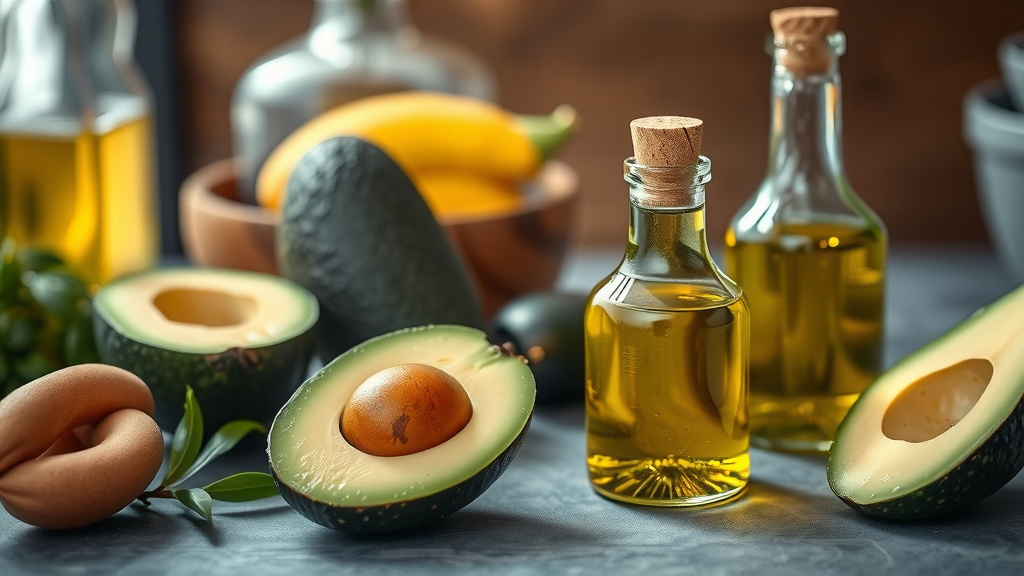
Making Your Choice: Which Oil for Which Task?
Now that you know the key differences, picking the right oil for your cooking should be a breeze. Remember, it’s not about one being superior overall, but about choosing the best tool for the job. Many culinary experts agree that having both in your pantry offers the most flexibility (The Culinary Institute of America).
When to Reach for Avocado Oil
If your recipe involves high temperatures, avocado oil is your go-to. Its high smoke point means you can cook without worrying about the oil breaking down. This is perfect for getting that beautiful sear on your chicken or crisping up your potatoes.
- You’re frying chicken or french fries.
- You’re searing steak or fish.
- You’re roasting vegetables at 400°F or higher.
- You want a neutral oil for baking.
When to Choose Olive Oil
For those dishes where flavor is key and heat is moderate, extra virgin olive oil shines. Its vibrant taste can transform simple ingredients into something special. It’s also packed with those lovely antioxidants that are best preserved without high heat.
- You’re making a classic vinaigrette for a salad.
- You’re drizzling oil over finished pasta or soup.
- You’re lightly sautéing garlic or vegetables.
- You’re dipping bread into oil.
A Little Bit of Both?
Why not have your cake and eat it too? Many home cooks find that keeping both avocado oil and olive oil on hand is the smartest strategy. You get the best of both worlds: high-heat performance from avocado oil and amazing flavor from olive oil. This dual approach ensures your meals are not only delicious but also cooked at the optimal temperature for health and taste.
Your Kitchen Checklist: Oil Selection Made Easy
To help you make the best choice, here’s a quick checklist:
- High-Heat Cooking? Grab Avocado Oil.
- Low-Heat or No-Heat? Choose Extra Virgin Olive Oil.
- Want a Neutral Flavor? Avocado Oil is your friend.
- Craving a Rich Flavor? Olive Oil adds that depth.
- Heart Health is Key? Both are excellent choices!
- Pantry Powerhouse? Stock both for maximum versatility.
Conclusion
You now know that both avocado oil and olive oil are excellent choices for your kitchen. Avocado oil shines with its high smoke point, making it perfect for searing and frying. Extra virgin olive oil, with its rich flavor and antioxidants, is best for dressings and low-heat cooking. We found that the “better” oil truly depends on your cooking method and desired taste. Consider stocking both in your pantry to cover all your culinary needs. Your next delicious and healthy meal is just a pour away!
Frequently Asked Questions
Can I substitute avocado oil for olive oil in any recipe?
Generally, yes, you can make substitutions, but consider the smoke point and flavor. For high-heat cooking, avocado oil is a great substitute for olive oil. However, if the recipe relies on olive oil’s distinct flavor, like a vinaigrette, avocado oil’s neutral taste will change the dish.
Is avocado oil healthier than olive oil overall?
Both oils are packed with healthy monounsaturated fats and offer benefits. Olive oil, especially extra virgin, is rich in antioxidants like polyphenols. Avocado oil provides a good amount of vitamin E. Research shows both contribute positively to heart health when used as part of a balanced diet.
Which oil is better for baking?
Avocado oil is often a preferred choice for baking due to its neutral flavor and high smoke point. Its mild taste won’t interfere with the sweetness of your baked goods, and it can handle moderate oven temperatures well. Olive oil can add a distinct flavor, which might be desirable in some recipes but not others.
Does the type of olive oil matter for health benefits?
Yes, the type of olive oil significantly impacts its health benefits. Extra virgin olive oil (EVOO) is the least processed and retains the most antioxidants and beneficial compounds. “Light” or refined olive oils have a higher smoke point but contain fewer of these beneficial nutrients.
Can I use avocado oil for making mayonnaise or other sauces?
Absolutely! Avocado oil’s neutral flavor makes it an excellent choice for homemade mayonnaise, aioli, and other sauces where you want the other ingredients to shine. It provides a smooth, creamy texture without imparting a strong taste.

![7 Best Infused Olive Oils [2026]](https://bestpureessentialoils.com/wp-content/uploads/2026/08/7-best-infused-olive-oils-2026-featured-768x432.jpg)
![7 Best Extra Olive Oil Brands [2026]](https://bestpureessentialoils.com/wp-content/uploads/2026/08/7-best-extra-olive-oil-brands-2026-featured-768x432.jpg)
![7 Best Foods Olive Oil [2026]](https://bestpureessentialoils.com/wp-content/uploads/2026/08/7-best-foods-olive-oil-2026-featured-768x432.jpg)