
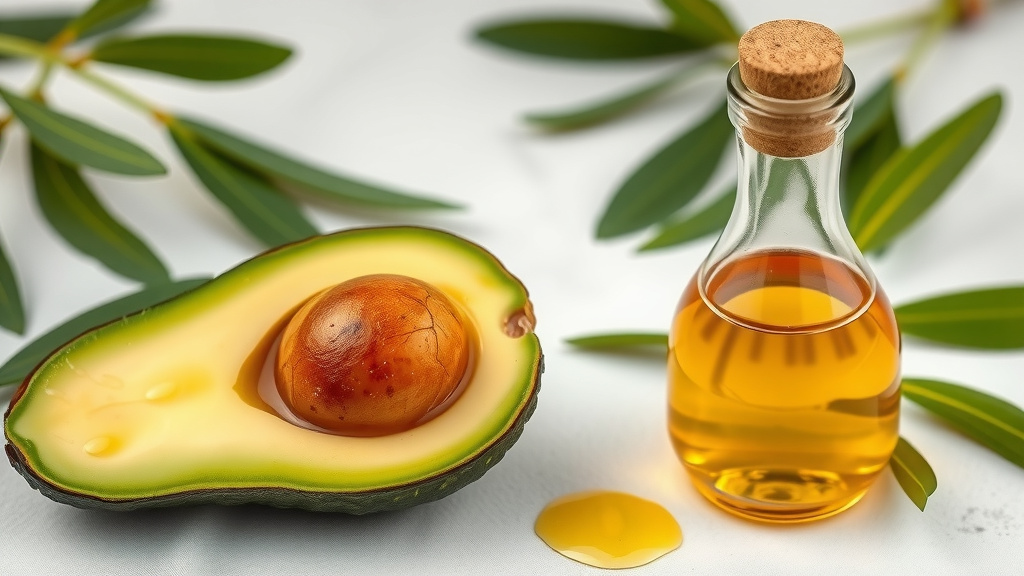
Avocado Oil vs Olive Oil: Which is Healthier
When deciding between avocado oil vs olive oil for cooking, many people wonder which is best. Research shows that avocado oil often wins for high-heat cooking due to its higher smoke point, making it a versatile choice for searing and sautéing, while olive oil, especially extra virgin, is better suited for low-heat applications and finishing.
Both oils come from fruits and offer health benefits, but their different compositions mean they perform differently in the kitchen. We found that understanding their smoke points and flavor profiles is key to making the right pick for your meal. So, which oil will grace your pan tonight?
- Avocado oil has a high smoke point, great for searing and frying.
- Olive oil (extra virgin) has a lower smoke point, best for dressings and low heat.
- Both offer health benefits and healthy fats.
- Flavor is a big difference: avocado oil is mild, olive oil is more distinct.
- Your cooking method will likely determine the best oil.
Let’s break down the differences between these two popular cooking oils so you can pick the perfect one for your next dish.
Understanding Your Cooking Oils: Avocado vs. Olive
Choosing between avocado oil and olive oil can feel like a big decision for your kitchen. Both are fantastic, healthy fats. But they behave quite differently when the heat is on. We found that knowing their unique traits helps you pick the right one every time. Think of it like picking the right tool for a specific job – you wouldn’t use a butter knife to chop an onion, right?
What’s the Big Deal About Smoke Point?
The most significant difference often comes down to their smoke point. This is the temperature at which an oil starts to smoke and break down. When oil smokes, it can develop a bitter taste. It also starts losing some of its healthy benefits. Research shows that some compounds in oil can become harmful at these high temperatures (National Institutes of Health).
Avocado Oil’s High Heat Tolerance
Avocado oil is a champion when it comes to high heat. It has a very high smoke point, often around 500-520°F (260-271°C) for refined avocado oil. This makes it your go-to for searing steaks, stir-frying veggies, or even deep-frying. You get that satisfying sizzle without the worry of burnt flavor or unhealthy byproducts. We found this makes it incredibly versatile for everyday cooking.
Olive Oil’s Delicate Nature
Olive oil, especially extra virgin olive oil (EVOO), is more sensitive to heat. Its smoke point is lower, typically between 375-405°F (190-207°C) depending on its grade and processing. This means it’s best suited for lower-heat cooking methods. Think gentle sautéing, baking, or using it as a base for sauces that don’t require intense heat.
Flavor Profiles: A Taste Test in Every Bottle
Beyond heat, flavor is another major differentiator. The taste of your oil can profoundly impact your finished dish. Do you want a subtle backdrop or a bold statement?
Avocado Oil: The Mild-Mannered Choice
Avocado oil is known for its neutral, mild flavor. It has a creamy, buttery hint but doesn’t overpower other ingredients. This makes it a fantastic choice when you want the flavors of your food to shine. We found that it’s excellent for recipes where you don’t want an oily taste to interfere. Think delicate baked goods or marinades for fish.
Olive Oil: The Distinctive Contributor
Olive oil, particularly extra virgin, offers a much richer, fruitier, and sometimes peppery flavor. This complexity comes from the olives themselves and the way the oil is pressed. EVOO can add a wonderful grassy note to salads or a robust finish to roasted vegetables. It’s a flavor ingredient in its own right. However, this strong flavor might not be ideal for every dish, especially those requiring a subtle profile.
Nutritional Benefits: Healthy Fats to Fuel Your Body
Both oils are celebrated for their healthy fat content. They are packed with monounsaturated fats, which are great for heart health. Research often points to these fats as beneficial for cholesterol levels (Cleveland Clinic).
Monounsaturated Fats: The Star Players
Avocado oil is incredibly rich in oleic acid, a type of monounsaturated fat also found in olive oil. This fat is associated with reduced inflammation and a lower risk of heart disease. You’re making a healthy choice whichever oil you reach for.
Vitamins and Antioxidants
Extra virgin olive oil stands out for its antioxidant content, including polyphenols. These compounds offer protective benefits for your body. While avocado oil also contains some beneficial compounds like vitamin E, EVOO generally has a more robust antioxidant profile. The less processed the oil, the more of these beneficial compounds it tends to retain.
When to Use Which: Practical Kitchen Tips
So, how do you decide on the day-to-day? Your cooking method is often the biggest clue.
Your High-Heat Heroes
For any cooking that involves high temperatures, like searing, frying, roasting, or grilling, avocado oil is often the superior choice. Its high smoke point means you can cook with confidence. You’ll achieve beautiful browning and crispiness without compromising the oil’s integrity. We found it’s also great for making homemade mayonnaise when you want a neutral base.
Your Low-Heat and Finishing Friends
Olive oil shines in applications where its flavor can be appreciated and its smoke point isn’t challenged. Think salad dressings, drizzling over pasta, finishing roasted vegetables, or using in gentle sautés. Extra virgin olive oil is particularly good for dipping bread or as a flavor enhancer for dishes that have already been cooked. It’s like the perfect accent for your culinary creations.
Comparing the Two: A Quick Glance
Let’s summarize the key differences to make it easy:
| Feature | Avocado Oil | Olive Oil (Extra Virgin) |
|---|---|---|
| Smoke Point | Very High (500-520°F / 260-271°C) | Medium (375-405°F / 190-207°C) |
| Flavor | Mild, Neutral, Slightly Buttery | Rich, Fruity, Peppery, Grassy |
| Best For | High-heat cooking, searing, frying, baking, neutral base | Dressings, low-heat sautéing, finishing, dipping, flavor enhancement |
| Monounsaturated Fats | Very High (Oleic Acid) | High (Oleic Acid) |
| Antioxidants | Moderate (Vitamin E) | High (Polyphenols) |
Your Kitchen Checklist: Choosing the Right Oil
Here’s a quick guide to help you make the best choice for your next meal:
- Is your cooking method high-heat? Searing, frying, roasting? Reach for avocado oil.
- Do you want the oil’s flavor to be subtle? Avocado oil is your friend.
- Are you making a salad dressing or vinaigrette? Olive oil adds wonderful flavor.
- Do you want to drizzle oil over finished dishes for extra flavor? Extra virgin olive oil is perfect.
- Is your dish delicate or do you want the ingredients to taste pure? Consider avocado oil’s neutrality.
- Are you looking for maximum antioxidant benefits in a finishing oil? Extra virgin olive oil often leads.
Conclusion
You’ve seen how avocado oil and olive oil are both fantastic choices for your kitchen. Avocado oil shines with its high smoke point, making it your best friend for searing and frying. Olive oil, especially extra virgin, offers delightful flavor for dressings and finishing dishes. Remember, the key is matching the oil to your cooking method. You can confidently choose the right oil to enhance your next meal. Grab the bottle that fits your recipe and enjoy your delicious results!
Frequently Asked Questions
Can I substitute avocado oil for olive oil in any recipe?
You generally can, but consider the flavor and heat. Avocado oil’s neutral taste works well if you want the other ingredients to shine. However, if the recipe relies on olive oil’s distinct flavor, especially in dressings or finishing drizzles, you might miss that characteristic taste.
Is avocado oil healthier than olive oil?
Both oils are packed with healthy monounsaturated fats and offer numerous health benefits. Extra virgin olive oil often contains more antioxidants, like polyphenols, due to less processing. Avocado oil is also a healthy choice, rich in oleic acid, similar to olive oil.
Which oil is better for baking?
For baking, avocado oil is often a great choice due to its neutral flavor and high smoke point. It won’t interfere with the taste of your baked goods. Olive oil can be used in some baking recipes, particularly those where its fruity notes are desired, but avocado oil is generally more versatile.
Why does olive oil have a lower smoke point?
Extra virgin olive oil contains more natural compounds, like chlorophyll and polyphenols, which give it its color and flavor. These compounds can break down at lower temperatures, causing the oil to smoke and potentially taste bitter. Refined olive oil has a slightly higher smoke point but still generally lower than avocado oil.
Can I use avocado oil and olive oil together?
Absolutely! You can certainly combine them in recipes to get the benefits of both. For instance, you might use avocado oil for sautéing vegetables and then finish the dish with a drizzle of flavorful extra virgin olive oil.

![7 Best Cheap Extra Virgin Olive Oil [2026]](https://bestpureessentialoils.com/wp-content/uploads/2026/06/7-best-cheap-extra-virgin-olive-oil-2026-featured-768x432.jpg)
![7 Best Everyday Extra Virgin Olive Oil [2026]](https://bestpureessentialoils.com/wp-content/uploads/2026/07/7-best-everyday-extra-virgin-olive-oil-2026-featured-768x432.jpg)
![7 Best Italy Olive Oil [2026]](https://bestpureessentialoils.com/wp-content/uploads/2026/09/7-best-italy-olive-oil-2026-featured-768x432.jpg)