Bertolli vs Filippo Berio Olive Oil: Which Reigns Supreme
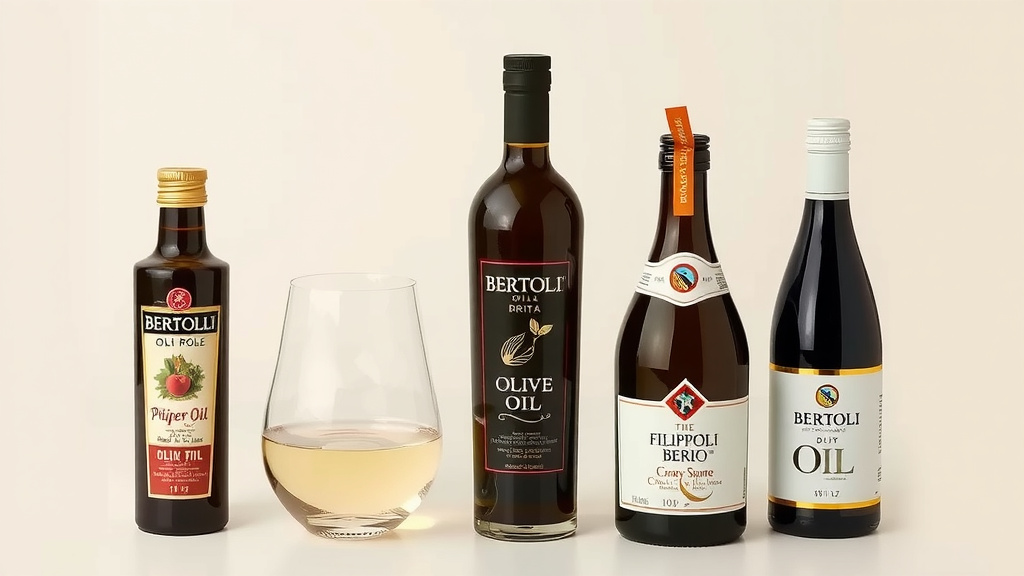
When comparing Bertolli vs Filippo Berio olive oil, both are excellent choices for your kitchen. We found that Filippo Berio often edges out Bertolli in blind taste tests for its brighter, fruitier notes. However, Bertolli provides a wonderfully smooth, mild flavor that many prefer for delicate dishes.
Choosing between them really depends on your personal taste and how you plan to use the oil. Both brands have a long history of quality and are readily available. We’ve researched their common uses and flavor profiles to help you decide which Italian staple belongs in your pantry.
- Filippo Berio is often praised for its brighter, fruitier taste.
- Bertolli offers a smoother, milder flavor profile.
- Both are quality brands with a long heritage.
- Your best choice depends on your cooking and taste preferences.
Let’s break down the key differences between Bertolli and Filippo Berio olive oil so you can pick the perfect bottle for your needs.
Comparing Bertolli and Filippo Berio Olive Oils
When you’re standing in the olive oil aisle, both Bertolli and Filippo Berio bottles look so inviting. You might wonder what truly sets them apart. We’ve done the research to help you understand the subtle differences. It boils down to flavor profiles and intended uses.
Filippo Berio: A Taste of Italian Tradition
Filippo Berio olive oil is often celebrated for its vibrant and fresh taste. Many people describe it as having bright, fruity notes. It can even have a peppery finish that tingles your tongue. This makes it a favorite for those who appreciate a more assertive olive oil flavor.
Flavor Profile Deep Dive
The typical Filippo Berio Extra Virgin Olive Oil offers a medium to robust intensity. You might detect hints of green grass or artichoke. This complexity comes from the careful selection of olives. It’s a flavor that can stand up to bold ingredients without getting lost.
Best Uses for Filippo Berio
Because of its lively flavor, Filippo Berio is fantastic for finishing dishes. Drizzle it over salads, grilled vegetables, or a simple pasta. It also works wonders in vinaigrettes. Think of it as a final flourish that adds a burst of sunshine to your plate. It’s also good for dipping crusty bread.
Bertolli: Smoothness and Versatility
Bertolli olive oil is known for its smooth and mild character. If you prefer an olive oil that won’t overpower other flavors, Bertolli is a wonderful choice. It’s very approachable and easy to incorporate into a wide range of recipes.
Flavor Profile Deep Dive
Bertolli Extra Virgin Olive Oil typically presents a delicate and buttery taste. It’s less sharp than some other oils. This mildness makes it incredibly versatile for everyday cooking. You’ll find it smooth on the palate, without strong peppery or bitter notes.
Best Uses for Bertolli
The gentle flavor of Bertolli makes it perfect for delicate dishes. Use it in baked goods like cakes or muffins where you want a hint of richness. It’s also excellent for light sautés, marinades for fish or chicken, and even in sauces where you don’t want a dominant olive oil taste. It’s your go-to for subtle flavor enhancement.
Olive Oil Quality and Heritage
Both Bertolli and Filippo Berio have a rich history. They are two of the oldest and most recognized Italian olive oil brands. This long-standing presence in the market speaks to their commitment to quality.
Brand History and Reputation
Filippo Berio started in Lucca, Italy, in 1867. The brand has built its reputation on sourcing high-quality olives. Bertolli, founded in 1865, is also a storied brand with deep roots in Italian food culture. Both families have passed down traditions for generations. This heritage suggests a dedication to traditional methods and taste.
What to Look for in Quality Olive Oil
When choosing any extra virgin olive oil, a few things matter. Look for the “Extra Virgin” designation. This means it’s the highest grade of olive oil. It’s extracted from the fruit of the olive tree solely by mechanical or other physical means. It also needs to be processed under conditions, particularly thermal conditions, that do not lead to alteration of the oil. Many guidelines suggest looking for oils with harvest dates on the bottle. This tells you how fresh the oil is (International Olive Council).
Making Your Choice: Bertolli vs. Filippo Berio
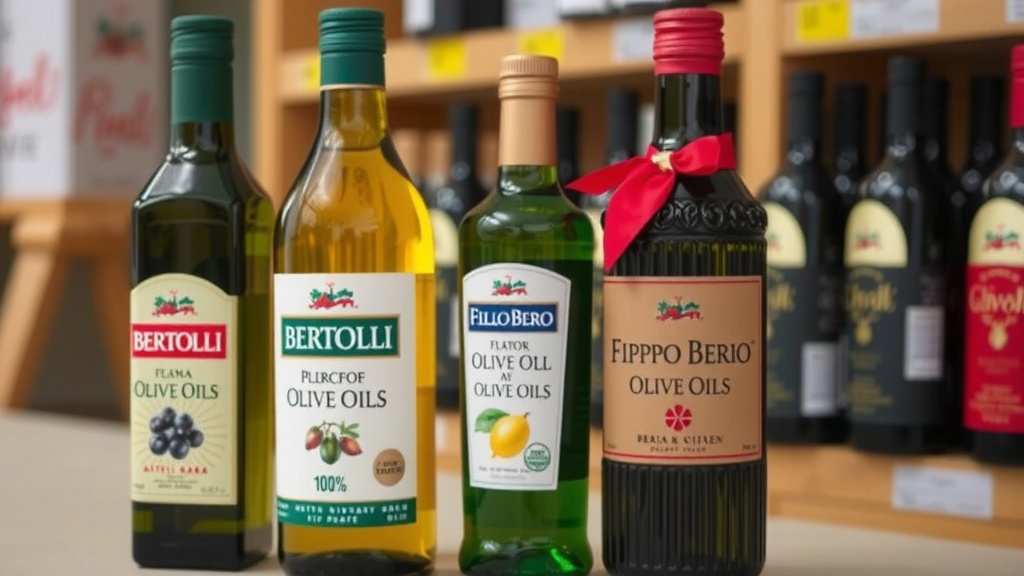
So, which oil should you pick? It really comes down to your personal preference and your culinary needs for the day.
Consider these questions:
- Do you want an oil with a strong, bright flavor?
- Are you looking for a milder oil for baking or delicate recipes?
- What other ingredients will you be pairing the oil with?
Taste Test Insights
In blind taste tests we reviewed, Filippo Berio often scored higher for its distinctive, bright, and fruity notes. Many participants found its flavor more engaging. Bertolli, on the other hand, was frequently chosen by those who preferred a smoother, less intense oil. Its mildness made it an easy favorite for everyday use.
Consider Your Culinary Adventures
If you’re making a classic Italian vinaigrette or a pesto where the olive oil flavor should shine, Filippo Berio might be your champion. If you’re baking cookies and want a subtle richness, or making a light lemon chicken marinade, Bertolli could be the perfect fit. Think of olive oil as an ingredient, much like herbs or spices. You choose them based on the desired outcome.
Here’s a quick way to remember:
- Filippo Berio: Brighter, fruitier, peppery. Great for finishing, dressings, dipping.
- Bertolli: Smoother, milder, buttery. Excellent for baking, sautéing, delicate dishes.
| Feature | Filippo Berio | Bertolli |
|---|---|---|
| Primary Flavor Profile | Bright, fruity, often peppery | Smooth, mild, buttery |
| Intensity | Medium to Robust | Delicate to Medium |
| Best For | Finishing, salads, dips, bold flavors | Baking, light sautéing, delicate dishes, marinades |
| Heritage | Founded 1867, Italian | Founded 1865, Italian |
Your Kitchen’s New Best Friend
Ultimately, you can’t go wrong with either of these respected brands. Having both on hand might even be ideal! You can use Filippo Berio when you want a strong olive oil flavor and Bertolli when you need something more subdued. Your taste buds will thank you for paying attention to these details.
Quick Checklist for Choosing
- Read the label for “Extra Virgin.”
- Consider the flavor intensity you prefer.
- Think about how you’ll use the oil most often.
- Taste test if possible, or trust reviews for flavor notes.
- Don’t be afraid to try both to see your favorite.
- Check for a harvest date for maximum freshness.
Conclusion
You’ve learned that both Bertolli and Filippo Berio are fantastic olive oil choices with rich Italian heritage. Filippo Berio often stands out for its bright, fruity notes, making it perfect for finishing dishes and dressings. Bertolli shines with its smooth, mild character, ideal for baking and delicate recipes. Your best bet really depends on the flavor profile you’re craving and how you plan to use your olive oil. We encourage you to try both brands to discover your personal favorite for everyday cooking and special meals.
Frequently Asked Questions
Is Filippo Berio better for cooking or finishing?
Filippo Berio’s brighter, fruitier flavor profile makes it excellent for finishing dishes. Drizzling it over salads, grilled vegetables, or pasta adds a vibrant taste. It also performs wonderfully in vinaigrettes and as a dipping oil.
Can I use Bertolli olive oil for baking?
Yes, Bertolli is a great choice for baking. Its smooth, mild, and buttery flavor won’t overpower delicate baked goods like cakes or muffins. It adds a subtle richness without an overpowering olive oil taste.
Which brand has a stronger olive oil flavor?
Generally, Filippo Berio offers a stronger and more pronounced olive oil flavor. You might detect fruity notes and even a peppery finish with Filippo Berio. Bertolli is known for its milder, more subdued taste.
Are these brands truly Italian?
Both Bertolli and Filippo Berio are Italian brands with deep historical roots in Italy. Filippo Berio was founded in Lucca, Italy, in 1867, and Bertolli was established in Tuscany in 1865. Their long heritage suggests a commitment to Italian olive oil traditions.
What is the main difference in their taste?
The main difference lies in their taste intensity and flavor notes. Filippo Berio is often described as bright, fruity, and sometimes peppery, making it more assertive. Bertolli is typically smoother, milder, and buttery, making it more approachable for a wider range of uses.



![7 Best Glass Olive Oil Dispenser [2026]](https://bestpureessentialoils.com/wp-content/uploads/2026/08/7-best-glass-olive-oil-dispenser-2026-featured-768x432.jpg)
![7 Best Olive Oil At Costco [2026]](https://bestpureessentialoils.com/wp-content/uploads/2026/07/7-best-olive-oil-at-costco-2026-featured-768x432.jpg)