Canola Oil vs Olive Oil for Soap Making: Which is Best
When deciding between canola oil and olive oil for your soap making, olive oil generally produces a harder, milder bar with great conditioning, while canola oil results in a softer bar that’s still quite conditioning. Many soap makers find that a blend of oils often yields the best results. Your choice will depend on the specific qualities you desire in your finished soap.
Both oils are popular choices for good reason. They are readily available and offer different benefits to your handmade soaps. We’ve looked at how each oil behaves in the soap making process. Understanding their properties helps you create the perfect bar for your needs, whether you’re aiming for a super-gentle daily cleanser or a long-lasting, everyday soap.
- Olive oil makes a mild, hard bar.
- Canola oil makes a softer, conditioning bar.
- Blends often provide balanced properties.
- Your desired soap characteristics guide your choice.
- Consider trace times and lather qualities.
Let’s dive into the details of canola oil versus olive oil in soap making, so you can confidently pick the best oil for your next batch.
Choosing Between Canola Oil and Olive Oil for Your Soap
When you’re standing in front of your soap-making supplies, the oil choices can feel overwhelming. Two oils that often come up are canola and olive oil. They are both common, affordable, and can make lovely soap. But they do have their differences, and understanding those can help you create the exact bar you’re hoping for. We’ve looked at how each oil behaves in the soap making process. Many soap makers find that a blend of oils often yields the best results. Your choice will depend on the specific qualities you desire in your finished soap.
Understanding Soap-Making Oils: The Basics
Soap is made through a chemical process called saponification. This happens when fats or oils react with an alkali, typically lye. Different oils bring different fatty acids to the party. These fatty acids determine the characteristics of your final bar. Think of it like baking: the ingredients you choose really change the cake!
These characteristics include:
- Hardness: How firm the bar is.
- Lather: How bubbly the soap gets.
- Conditioning: How moisturizing it feels on your skin.
- Cleansing: How well it removes dirt and oil.
- Trace Time: How quickly the soap mixture thickens.
We’ve found that knowing these basics really helps you troubleshoot and plan your batches.
Olive Oil in Soap Making: The Gentle Giant
Olive oil is a staple in many soap makers’ kitchens. It’s well-loved for producing a very mild and conditioning bar. Think of the classic “Castile” soap, which is traditionally made with 100% olive oil. It’s a slower process, but the result is worth it for many.
Properties of Olive Oil Soap
When you use olive oil in your soap, you can expect:
- Excellent Mildness: It’s very gentle, making it a great choice for sensitive skin. Many guidelines point to olive oil’s oleic acid content as a reason for its gentleness (NCBI).
- Creamy, Luxurious Lather: While not super bubbly, the lather is dense and creamy. It feels rich and luxurious.
- Hard Bar (in high percentages): When used in larger amounts, olive oil contributes to a harder bar that lasts longer.
- Longer Trace Time: Olive oil can slow down the soaping process. This gives you more time to work with your batter. It’s a good oil if you’re new to swirling techniques.
We’ve found that even a small percentage of olive oil can make a noticeable difference in how mild your soap feels.
Canola Oil in Soap Making: The Budget-Friendly Conditioner
Canola oil is another common and affordable option. It’s made from rapeseed plants and is widely available. It offers a good balance of properties for everyday soap making. Many people choose it because it’s cost-effective.
What to Expect from Canola Oil Soap
Using canola oil in your soap recipes brings its own set of benefits:
- Good Conditioning Properties: Canola oil helps create a soap that feels moisturizing on the skin. This is due to its fatty acid profile, rich in oleic and linoleic acids.
- Soft Bar: Compared to olive oil, soap made with a high percentage of canola oil tends to be softer. This means it might get used up a bit faster if it’s not blended with harder oils.
- Stable, Creamy Lather: It produces a lather that is generally creamy and stable. It’s not as bubbly as some other oils, but it’s pleasant to use.
- Moderate Trace Time: Canola oil typically helps the soap batter reach trace at a moderate pace. It’s not as fast as some oils, nor as slow as olive oil.
We found that canola oil is a fantastic addition when you want to boost the conditioning of your soap without breaking the bank.
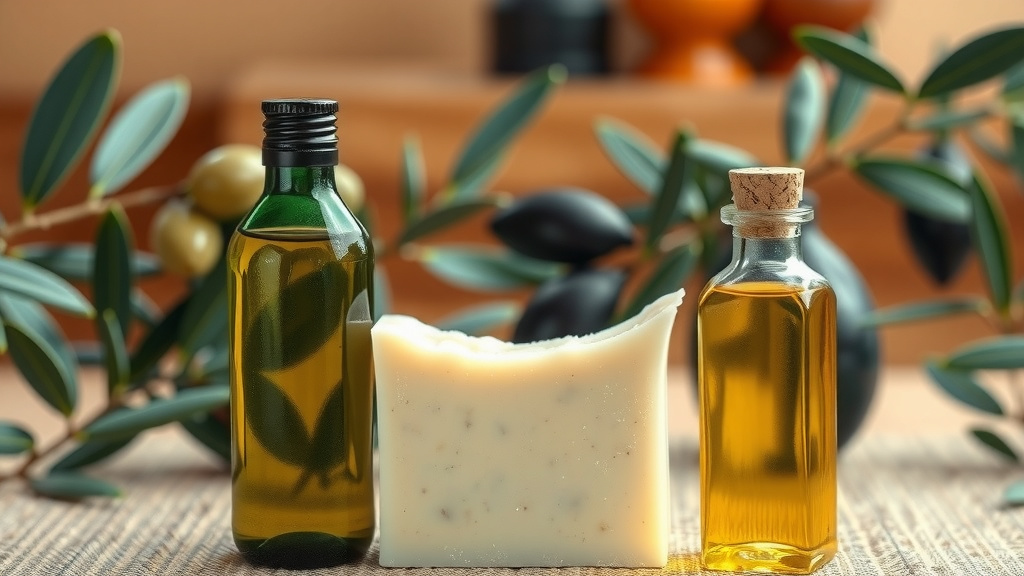
Canola Oil vs. Olive Oil: A Direct Comparison
Let’s break down the key differences you’ll notice in your soap-making process and the final bar.
| Characteristic | Olive Oil (High Percentage) | Canola Oil (High Percentage) |
|---|---|---|
| Hardness | Harder, longer-lasting bar | Softer bar |
| Lather Type | Creamy, low bubbles | Creamy, stable bubbles |
| Conditioning | Excellent; very mild | Good; moisturizing |
| Trace Speed | Slow | Moderate |
| Cost | Can be higher (especially virgin/extra virgin) | Generally lower |
As you can see, they both contribute wonderful qualities. If you want a rock-hard bar that lasts ages and is super gentle, olive oil is your friend. If you want a good conditioning bar that’s easy on the wallet, canola oil is a solid choice. But what if you want a bit of both?
The Power of Blending: Achieving Balanced Soaps
Many experienced soap makers will tell you that the real magic happens when you blend your oils. Combining canola and olive oil can give you the best of both worlds. You can use a higher percentage of olive oil for mildness and hardness, and then add a smaller amount of canola oil for extra conditioning.
For example, you might create a recipe that is:
- 50% Olive Oil
- 30% Coconut Oil (for bubbly lather)
- 20% Canola Oil
This kind of blend aims to balance lather, hardness, conditioning, and cost. We found that experimenting with different percentages is how you truly discover your favorite recipes.
A Quick Checklist for Your Oil Choice
Before you measure out your oils, consider these quick points:
- Do you need a super mild soap for sensitive skin? Olive oil excels here.
- Are you aiming for a hard bar that lasts a long time? Olive oil helps a lot.
- Is budget a primary concern? Canola oil is usually more affordable.
- Do you want a conditioning bar that feels nice? Both offer this, with olive oil often perceived as more conditioning.
- Do you prefer a slower trace time to play with colors and designs? Olive oil is your go-to.
- Are you looking for a general-purpose, everyday soap? A blend often works best.
By thinking through what you want your finished soap to do, you can make a much more informed decision. Both canola and olive oil are wonderful ingredients that can lead to beautiful, functional handmade soaps. Happy soaping!
Conclusion
You’ve learned that both canola and olive oil bring unique benefits to your soap-making endeavors. Olive oil shines for its incredible mildness and ability to create a harder, longer-lasting bar. Canola oil offers excellent conditioning at a more budget-friendly price point, though it results in a softer bar. Many soap makers find the sweet spot by blending these oils, achieving a balanced soap with great qualities from each. Your next step is to look at your current soap recipes or plan a new one. Consider the characteristics you prioritize most and choose your oils accordingly. Happy soaping!
Frequently Asked Questions
Can I use only canola oil for soap making?
Yes, you can make soap using only canola oil. Your finished bar will be quite soft but will offer good conditioning properties. You might find it gets used up faster than a bar made with harder oils.
What’s the difference in lather between canola and olive oil soap?
Both oils tend to produce a creamy, stable lather. Olive oil’s lather is typically lower in bubbles but feels luxurious and dense. Canola oil also provides a creamy lather that’s pleasant to use, without being overly bubbly.
Is olive oil soap always hard?
Olive oil contributes to a harder bar, especially when it makes up a high percentage of the oils in your recipe. Soaps made with 100% olive oil (like traditional Castile soap) are known for being very hard and long-lasting after a proper cure.
Which oil is better for sensitive skin: canola or olive oil?
Olive oil is generally considered better for sensitive skin due to its exceptional mildness. Its fatty acid profile, particularly oleic acid, makes it very gentle. While canola oil is also conditioning, olive oil is often the top choice for delicate or easily irritated skin.
How can I make my canola oil soap harder?
To make your canola oil soap harder, you’ll want to blend it with oils that contribute to hardness. Consider adding oils like coconut oil, palm oil (sustainably sourced), or shea butter to your recipe. Increasing the percentage of harder oils will result in a firmer bar.

![7 Best Extra Virgin Olive Oil For Skin And Hair [2026]](https://bestpureessentialoils.com/wp-content/uploads/2026/08/7-best-extra-virgin-olive-oil-for-skin-and-hair-2026-featured-768x432.jpg)
![7 Best Foods Olive Oil [2026]](https://bestpureessentialoils.com/wp-content/uploads/2026/08/7-best-foods-olive-oil-2026-featured-768x432.jpg)
![7 Best No Drip Olive Oil Dispenser [2026]](https://bestpureessentialoils.com/wp-content/uploads/2026/09/7-best-no-drip-olive-oil-dispenser-2026-featured-768x432.jpg)