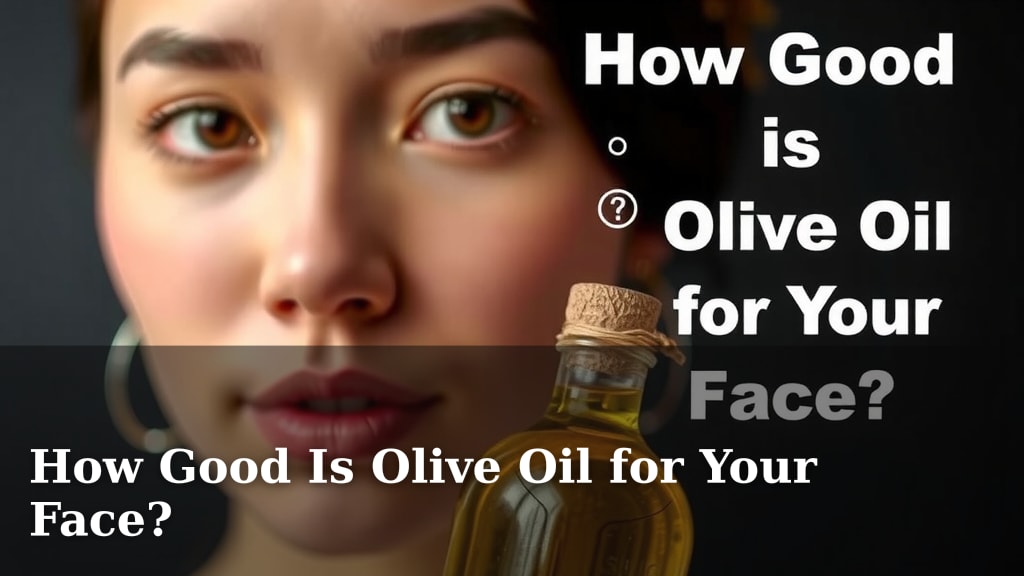
How Good Is Olive Oil for Your Face?
Yes, olive oil can be good for your face, especially if you have dry or mature skin. It’s packed with antioxidants and healthy fats that can help moisturize and protect your skin. Many people find it softens skin and can reduce the appearance of fine lines.
When used carefully, this natural oil can offer some surprising benefits. We found that its oleic acid content is a key player. It can help boost skin hydration and improve its natural barrier function. Just remember, it’s not for everyone, particularly those prone to acne.
- Olive oil moisturizes dry skin well.
- It contains antioxidants that help protect skin.
- It may help soften fine lines.
- Acne-prone individuals should use it with caution.
So, are you wondering if olive oil is the right choice for your skincare routine? Let’s get into the details of how it works and who it’s best suited for.
Is Olive Oil Really That Great for Your Face?
You might be wondering if slathering olive oil on your face is a good idea. We’ve looked into it, and the answer is generally yes, but with a few important caveats. For many people, especially those with dry or aging skin, olive oil can be a fantastic natural moisturizer. It’s rich in beneficial compounds that can help your skin look and feel better.
The key lies in what’s inside olive oil. We found that its high concentration of healthy fats and antioxidants makes it a skin-friendly ingredient. These elements work together to nourish and protect your skin’s delicate surface. It’s like giving your face a drink of water and a shield, all in one natural package.
What Makes Olive Oil Good for Skin?
Olive oil’s benefits come from its rich composition. We’ve identified a few key players that make it a star ingredient for skincare.
The Power of Oleic Acid
The main fatty acid in olive oil is oleic acid. We found that oleic acid is known for its moisturizing properties. It can help to soften the skin and improve its flexibility. This is especially helpful for skin that feels tight or rough. It helps to plump up the skin cells, making your face feel smoother.
Oleic acid also plays a role in strengthening your skin’s natural barrier. Think of your skin barrier like a protective wall. A strong wall keeps good things in, like moisture. It also keeps bad things out, like irritants and pollutants. We found that oleic acid can help reinforce this barrier. This leads to better hydration over time.
Antioxidants to the Rescue
Olive oil is also packed with antioxidants. You’ve probably heard about antioxidants fighting free radicals. These are unstable molecules that can damage your skin cells. They are a major cause of premature aging. We found that antioxidants in olive oil, like vitamin E and polyphenols, can help neutralize these harmful free radicals. This protection can help keep your skin looking youthful.
These antioxidants also contribute to the oil’s anti-inflammatory effects. Many people find that olive oil can help soothe irritated skin. If your face feels a bit red or angry, a gentle application might bring some calm. Research shows that these compounds can help reduce inflammation signs.
Other Beneficial Compounds
Beyond oleic acid and antioxidants, olive oil contains other helpful nutrients. Squalene is one. It’s a natural emollient that is also found in our skin’s own sebum. This means it’s highly compatible with your skin. We found that squalene helps to hydrate and moisturize without feeling too heavy. It gives skin a soft, smooth feel.
There are also various vitamins and minerals present in olive oil. These can contribute to overall skin health. They help support the skin’s natural repair processes. While olive oil isn’t a magic cure, these combined elements offer a gentle way to nurture your skin.
Who Benefits Most from Olive Oil on Their Face?
While olive oil can be great, it’s not a one-size-fits-all solution. We found that certain skin types benefit more than others. Understanding your skin is key here.
Dry and Dehydrated Skin
If your skin often feels parched, olive oil might be your new best friend. Its rich fatty acids are excellent at replenishing lost moisture. We found that it creates a barrier on the skin that helps prevent water from escaping. This can leave your skin feeling supple and comfortable. It’s particularly effective for skin that’s flaky or tight.
Mature or Aging Skin
As we age, our skin naturally produces less oil and can lose elasticity. Olive oil’s antioxidants and moisturizing compounds can help. We found that they can help to soften the appearance of fine lines and wrinkles. The hydration boost also makes the skin look plumper and more youthful. It’s a natural way to support your skin’s journey through time.
Normal Skin Types
Even if you have normal skin, you might enjoy the benefits of olive oil. You can use it sparingly as a nightly moisturizer. We found that it can help maintain your skin’s natural balance and provide a healthy glow. Just a few drops can make a difference.
Who Should Be Cautious with Olive Oil?
Now, let’s talk about who should approach olive oil with a bit more care. Not everyone’s skin reacts the same way.
Oily and Acne-Prone Skin
This is where you need to be extra careful. Olive oil is an oil, after all. For those with oily skin, adding more oil can sometimes lead to breakouts. We found that its comedogenic rating, which measures how likely an ingredient is to clog pores, is moderate. This means it can clog pores for some individuals. If you are prone to acne, you might want to avoid using olive oil directly on your face.
Instead of pure olive oil, you might consider products that contain a small amount of olive oil derivatives. These are often formulated to be less pore-clogging. Always patch-test any new product. This helps you see how your skin reacts before applying it all over.
Sensitive Skin
While olive oil can be soothing, some people with very sensitive skin might experience irritation. This is rare, but it’s possible. Your skin might be sensitive to one of the compounds within the oil. We recommend a patch test on a small area of your skin first. Wait 24-48 hours to see if any redness or itching occurs.
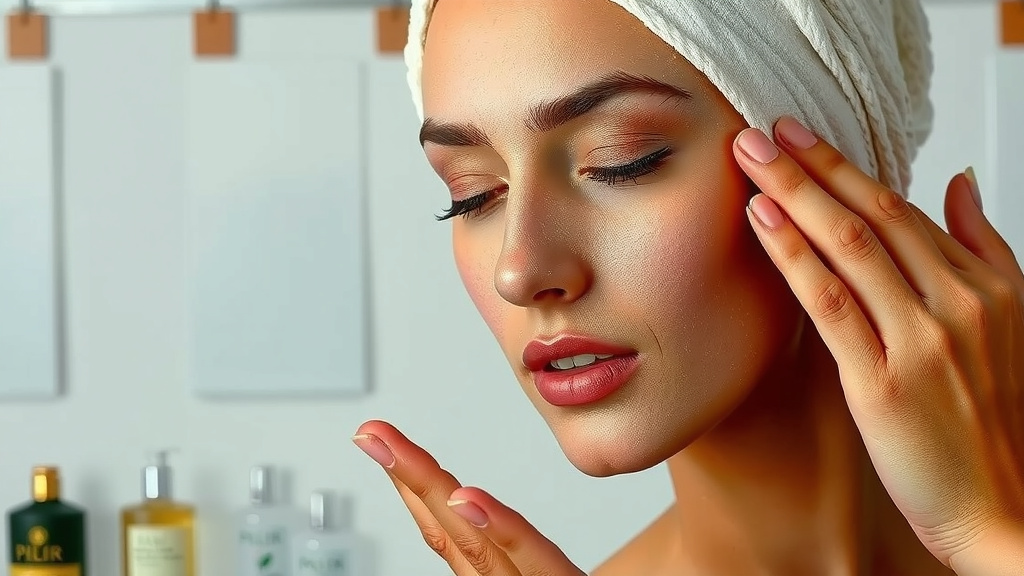
How to Use Olive Oil on Your Face Safely
If you’ve decided to give olive oil a try, using it correctly is important. Here’s how to get the most out of it without any unwanted side effects.
Choose the Right Type
Not all olive oils are created equal. For skincare, we recommend using extra virgin olive oil (EVOO). It’s the least processed form. This means it retains the most nutrients and antioxidants. Look for cold-pressed versions. These are produced without harsh chemicals or high heat, preserving their beneficial compounds.
Start Small and Patch Test
As mentioned, always start with a patch test. Apply a tiny amount to an inconspicuous area, like behind your ear or on your inner wrist. Wait for a day or two to check for any adverse reactions. If all is well, you can proceed with using it on your face.
Use it as a Cleanser or Moisturizer
You can use olive oil in a couple of ways. Many people use it as an oil cleanser. Apply a small amount to dry skin and gently massage it in. Then, use a warm, damp cloth to wipe it away. This helps remove makeup and impurities. You can also use it as a moisturizer, applying a few drops to damp skin after cleansing.
We found that applying it to damp skin helps seal in moisture more effectively. Just remember, a little goes a long way. You don’t need to drench your face in oil.
Be Mindful of Quantity
Overdoing it with any oil can lead to clogged pores or a greasy feeling. We found that using just 2-3 drops for your entire face is usually sufficient. Gently pat it into your skin. Allow it a moment to absorb before applying any other products or going to bed.
When to Avoid It
If you have active breakouts, severe acne, or very oily skin, it’s probably best to steer clear. Also, if you’ve tried it before and experienced issues, listen to your skin. There are many other wonderful oils and moisturizers available.
Quick Checklist for Using Olive Oil on Your Face
Ready to try it? Keep these tips in mind:
- Always use extra virgin, cold-pressed olive oil.
- Perform a patch test before applying to your whole face.
- Use only a small amount, 2-3 drops, to start.
- Apply to damp skin for better hydration.
- Be cautious if you have oily or acne-prone skin.
- Listen to your skin; stop if irritation occurs.
Conclusion
You’ve learned that olive oil can indeed be a beneficial addition to your skincare routine, particularly for dry and mature skin. Its natural fats and antioxidants work to moisturize and protect your skin’s barrier, helping to soften fine lines and improve hydration. We found that choosing extra virgin olive oil and using it sparingly is key to reaping its benefits without common drawbacks. Remember to always patch test, especially if you have oily or sensitive skin, to ensure it agrees with your unique complexion. Your next step? Consider trying a tiny amount of high-quality olive oil on a small area of your face and observe how your skin responds.
Frequently Asked Questions
Can I use olive oil as a daily facial moisturizer?
You can use olive oil as a daily moisturizer if your skin is dry or mature. We found that applying just a few drops to damp skin after cleansing can effectively seal in moisture. However, if your skin is oily or acne-prone, it’s best to use it sparingly or avoid it altogether to prevent clogged pores.
Is extra virgin olive oil better than regular olive oil for my face?
Yes, extra virgin olive oil (EVOO) is generally recommended for facial use. We found that it’s the least processed type, meaning it retains more beneficial antioxidants and nutrients. Look for cold-pressed EVOO for the best quality and skincare benefits.
How long does it take to see results from using olive oil on my face?
Results can vary depending on your skin type and consistency of use. You might notice immediate softening and hydration. Long-term benefits, like a reduction in the appearance of fine lines, could take several weeks to months of regular use. We found that consistent, gentle application yields the best outcomes.
What if olive oil makes my face feel too greasy?
If your face feels too greasy, you’re likely using too much. We recommend using only 2-3 drops for your entire face. Gently pat it into your skin, preferably on damp skin, and allow it time to absorb before applying other products. If greasiness persists, consider a lighter oil or a different moisturizer.
Can olive oil help with redness or irritation on my face?
Olive oil does contain anti-inflammatory properties that may help soothe mild redness and irritation. We found that its antioxidants can calm the skin. However, if you have significant inflammation or sensitive skin, it’s always wise to patch test first, as some individuals might react negatively.