
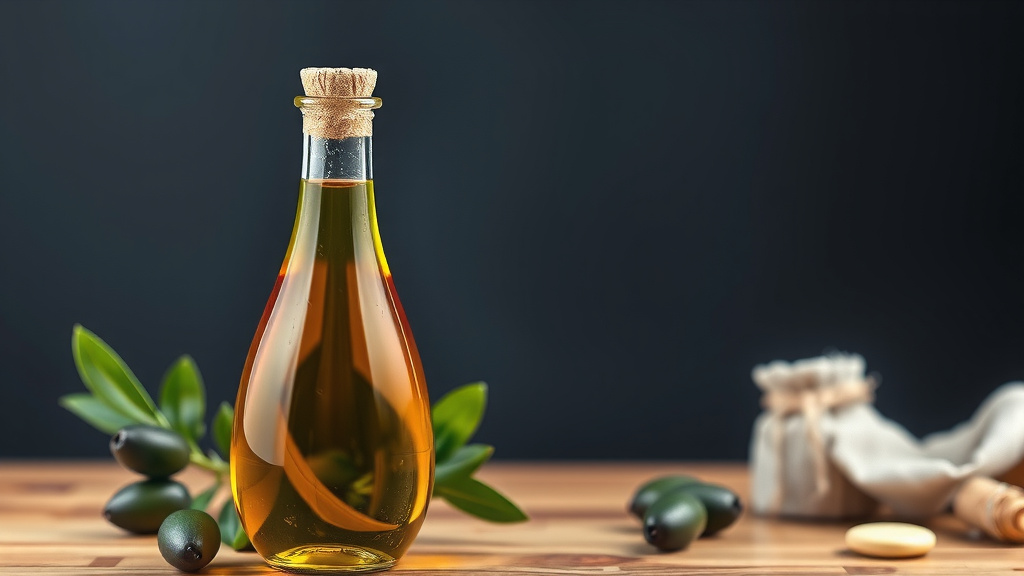
How Long Can Olive Oil Sit Out Unrefrigerated
Olive oil can generally sit out at room temperature for a few weeks to a couple of months before its quality significantly declines. For best results, keep it in a cool, dark place, like your pantry. Heat and light are its biggest enemies, causing it to go rancid faster.
You might be wondering if that bottle on your counter is still good. While a few days out won’t harm it, prolonged exposure to light and warmth degrades its flavor and beneficial compounds. We’ve found that keeping it sealed and away from heat sources extends its shelf life considerably, preserving that delicious taste for your cooking.
- Olive oil quality drops after a few weeks to months if left out.
- Always store it in a cool, dark place, not on the counter.
- Heat and light are the main culprits for spoilage.
- Proper storage helps maintain its flavor and nutrients.
- Check for signs of rancidity before using oil left out for a long time.
Let’s walk through exactly what happens to olive oil when it’s left out and how you can tell if it’s still good to use.
How Long Can You Leave Olive Oil Out? Let’s Find Out!
So, you’ve got a bottle of that lovely liquid gold, olive oil, and it’s been sitting on your counter. Maybe you just forgot about it. You’re probably wondering, “Is it still good?” We’ve all been there. The good news is, your olive oil isn’t going to instantly turn into something unusable after a day or two.
However, leaving it out for extended periods can definitely impact its quality. Think of it like leaving a delicate flower out in the sun; it’s not going to wilt in minutes, but prolonged exposure isn’t ideal. We found that the answer really depends on a few key factors we’ll discuss.
Understanding Olive Oil’s Enemies: What Causes Spoilage?
Olive oil is a natural product, and like many natural things, it’s susceptible to breakdown. Its primary enemies are light, heat, and air. When olive oil is exposed to these elements, a process called oxidation occurs. This is essentially the oil reacting with oxygen in the air.
Oxidation leads to a change in the oil’s chemical structure. This change can result in a loss of those wonderful fresh, fruity flavors we love. It also degrades some of the beneficial compounds found in good quality olive oil, like polyphenols and antioxidants (NCBI).
The Role of Light
Did you know that even natural sunlight can wreak havoc on olive oil? Clear glass bottles offer very little protection against light. UV rays can accelerate the oxidation process. This is why many high-quality olive oils come in dark green or brown bottles. They act like sunglasses for your oil, shielding it from damaging light.
If your olive oil is in a clear bottle, leaving it on a brightly lit countertop or near a window is a recipe for faster spoilage. We found that even ambient room light, over time, can contribute to its decline.
The Impact of Heat
Heat is another major culprit. Olive oil has a relatively low smoke point, meaning it can start to degrade when exposed to high temperatures. Storing olive oil near your stove, oven, or even a sunny window that gets warm can significantly shorten its shelf life.
Researchers have shown that elevated temperatures speed up the rate of chemical reactions within the oil, including oxidation. This means that oil left in a warm environment will go rancid much quicker than oil stored in a cool place. Many culinary experts suggest keeping olive oil away from direct heat sources.
Air and Its Effects
Once you open a bottle of olive oil, it’s exposed to air every time you use it. While you can’t avoid this entirely, minimizing exposure is key. Every time you unscrew the cap, oxygen gets in and starts its work. This is why keeping the cap tightly sealed when not in use is so important.
The more surface area of the oil that is exposed to air, the faster it can oxidize. This is also a reason why buying larger bottles might not always be better if you use olive oil slowly. A smaller bottle will be used up faster, meaning less exposure to air over time.
So, How Long Can Olive Oil *Really* Sit Out?
Now for the big question! Based on our research, a bottle of olive oil left on the counter, exposed to room light and potential temperature fluctuations, will likely see a noticeable drop in quality within a few weeks to a couple of months. This isn’t to say it’s instantly “bad” or unsafe to consume, but its fresh flavor will fade, and it might develop off-flavors.
Consider the “best by” date on the bottle. This date is usually about two years from bottling for extra virgin olive oil. Once opened, that timeline shrinks considerably, especially if stored improperly. Many sources suggest using an opened bottle within 3 to 6 months for optimal flavor and quality.
The Difference Between “Rancid” and “Unsafe”
It’s important to distinguish between olive oil going rancid and becoming unsafe to eat. Rancid oil is generally safe to consume in small amounts, but it tastes and smells unpleasant – think crayons or stale nuts. It’s simply lost its desirable characteristics.
Unsafe oil would typically be due to bacterial contamination, which is very unlikely with pure olive oil unless it’s been mixed with other ingredients and left unrefrigerated. So, while rancid oil isn’t ideal for your salad dressing, it’s not going to make you sick like spoiled milk might.
Best Practices for Storing Your Olive Oil
You want your olive oil to taste its best, right? Following a few simple storage rules can make a world of difference. The goal is to protect it from its enemies: light, heat, and air.
The Ideal Spot: Cool and Dark
The absolute best place to store your olive oil is in a cool, dark place. Your pantry is usually the perfect spot. It’s typically darker than your kitchen counter and has a more consistent, cooler temperature than other areas. Avoid storing it above or near your oven or stovetop, as this is a common mistake.
We found that keeping the temperature stable is also beneficial. Large fluctuations in temperature can cause condensation inside the bottle, which can introduce moisture and potentially affect the oil’s quality. Aim for a consistent temperature, ideally between 55-70°F (13-21°C).
Bottle Material Matters
As we touched on earlier, the type of bottle your olive oil comes in is important. Dark glass bottles (green or brown) are best for protecting the oil from light. Some high-quality oils also come in tins, which offer excellent light protection.
If you have a clear glass bottle, consider transferring the oil to a darker, airtight container if you plan to store it for a while or if your kitchen gets a lot of light. Alternatively, you can simply keep the clear bottle wrapped in foil or a dark cloth to block out light.
Keeping It Sealed
Once you’ve used your olive oil, make sure to reseal the cap tightly. This minimizes the amount of air that can get into the bottle and interact with the oil. If your bottle has a pour spout with a cap, make sure that cap is secure.
We found that even a loose-fitting cap can allow more air exposure than you might think. It’s a small step, but it significantly helps preserve the oil’s freshness and flavor profile.
Signs Your Olive Oil May Have Gone Bad
How can you tell if your olive oil has gone past its prime? Thankfully, your senses are pretty good indicators. The most common sign is a change in smell and taste.
Smell Test
Good quality olive oil should smell fresh, often with fruity or grassy notes. If your olive oil smells dull, waxy, stale, or like crayons or putty, it has likely gone rancid. This “off” smell is a clear sign it’s time to replace it.
Taste Test
If the smell test doesn’t give you a clear answer, a small taste can tell you more. Fresh olive oil should have a pleasant, sometimes slightly peppery or bitter taste. Rancid olive oil will taste bitter, stale, or just plain unpleasant. It won’t have that characteristic fruity flavor.
Visual Cues
While less common, sometimes you might notice a change in the oil’s appearance. If it seems unusually cloudy or has a different texture than you remember, it might be a sign of degradation. However, cloudiness can also be normal for some unfiltered oils or if the oil has been chilled (it will clear up as it warms). Rely more on smell and taste.
Quick Olive Oil Storage Checklist
Want to keep your olive oil tasting its best? Follow these simple steps:
- Store in a cool, dark pantry, not on the counter.
- Keep it away from heat sources like stoves and ovens.
- Ensure the bottle is tightly sealed after each use.
- Opt for dark glass bottles or tins if possible.
- If in a clear bottle, wrap it or store it in a dark cupboard.
- Use it within 3-6 months of opening for optimal flavor.
Conclusion
You’ve learned that while olive oil isn’t instantly ruined if left out, its quality definitely takes a hit. Exposure to light, heat, and air are its biggest enemies. For the best flavor and to preserve those healthy compounds, you’ll want to keep your olive oil in a cool, dark place, like your pantry. Always make sure the cap is tightly sealed after each use.
By following these simple storage tips, you can ensure your olive oil remains delicious and potent for all your culinary creations. Now, go check on that bottle and give it the proper home it deserves!
Frequently Asked Questions
Can I use olive oil that has been left out for a week?
Yes, you can likely still use olive oil that has been left out for a week. The quality might be slightly diminished, especially if it was exposed to light and heat. It’s best to give it a smell and taste test before using it in your cooking.
What happens if I accidentally leave my olive oil in the sun?
Leaving olive oil in direct sunlight can accelerate oxidation, causing it to go rancid faster. This means it will lose its fresh flavor and develop unpleasant notes. If this happens, check it carefully for signs of spoilage before use.
How does temperature affect olive oil left out?
Higher temperatures speed up the chemical reactions in olive oil, including oxidation. This means your oil will degrade and go rancid more quickly if left in a warm environment. A consistent, cool temperature is ideal for storage.
Is it safe to cook with olive oil that tastes a little off?
While rancid olive oil is generally not unsafe to consume in small amounts, it will not taste good. It can impart a bitter or stale flavor to your food. For the best results, it’s recommended to use fresh olive oil for cooking and dressings.
Should I refrigerate olive oil if I don’t use it often?
Refrigerating olive oil is generally not recommended as it can cause it to solidify and become cloudy. The best practice is to store it in a cool, dark pantry. If you use olive oil very infrequently, consider buying smaller bottles to ensure freshness.


![7 Best Extra Virgin Olive Oil For Polyphenols [2026]](https://bestpureessentialoils.com/wp-content/uploads/2026/08/7-best-extra-virgin-olive-oil-for-polyphenols-2026-featured-768x432.jpg)
![7 Best Olive Oil Awards [2026]](https://bestpureessentialoils.com/wp-content/uploads/2026/09/7-best-olive-oil-awards-2026-featured-768x432.jpg)
![7 Best Extra-Virgin Olive Oil [2026]](https://bestpureessentialoils.com/wp-content/uploads/2026/08/7-best-extra-virgin-olive-oil-2026-featured-768x432.jpg)