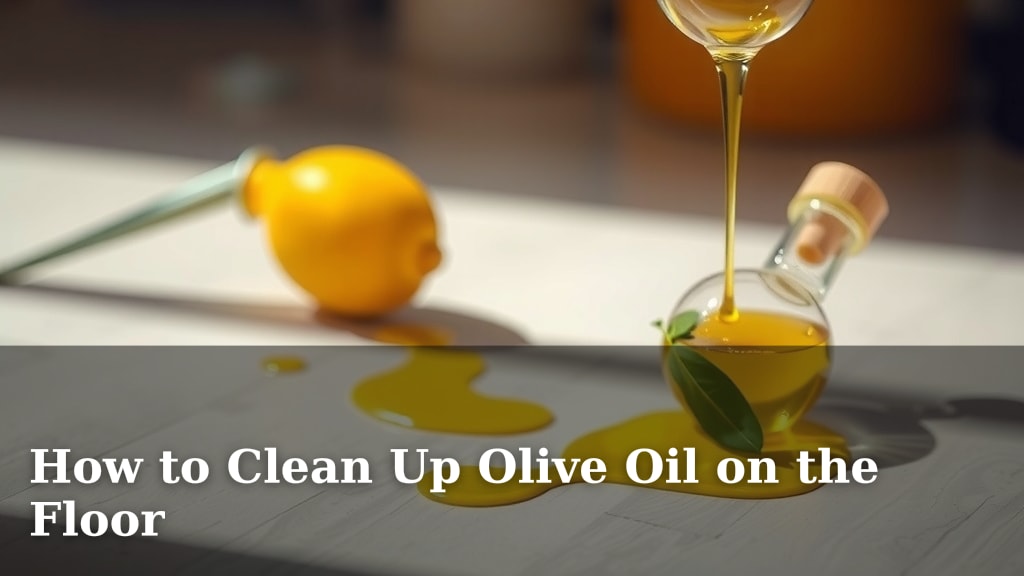
How to Clean Up Olive Oil on the Floor
The easiest way to clean up olive oil on the floor is to act fast and blot up as much as possible with paper towels. Then, use a mixture of dish soap and warm water to cut through the grease. Olive oil spills can feel like a slippery nightmare, but don’t panic! We’ve got you covered.
Dealing with an olive oil spill means you need a plan to tackle the mess effectively. Getting it right prevents stains and sticky residue. Many homeowners worry about ruining their floors. Understanding the right method means you can restore your floor to its original condition with minimal fuss.
- Blot spills immediately.
- Use dish soap and warm water.
- Test cleaning solutions first.
- Consider baking soda for tough spots.
- Wipe down thoroughly.
Let’s walk through exactly how to get that olive oil off your floor, step by step.
Tackling Olive Oil Spills on Your Floors Effectively
Olive oil spills can make you feel like you’re navigating an ice rink. Your main goal is to remove the slickness and prevent stains. You’ll want to start with the simplest steps to get the most oil up quickly. Acting fast is your biggest ally here.
Immediate Action: Blotting is Key
The very first thing you should do is grab some paper towels. Gently blot the spill. Don’t rub it around; this will spread the oil and make the mess bigger. You want to soak up as much of the liquid as possible. Think of it like dabbing a stain on your favorite shirt.
You might go through a few paper towels. That’s perfectly fine! The more oil you lift off the floor at this stage, the easier the rest of the cleanup will be. Make sure you cover the entire area of the spill, not just the center.
Dish Soap: Your Grease-Fighting Hero
Dish soap is designed to cut through grease. It’s your best friend for tackling oil spills. You’ll need a good degreasing dish soap. Many common brands work wonderfully for this task. Warm water helps activate the soap’s cleaning power.
Preparing Your Cleaning Solution
Get a bucket or a bowl. Fill it with warm water. Add a few drops of your dish soap. You don’t need a lot of soap; too much can create excessive suds. Stir it gently to mix. This simple solution is surprisingly effective.
Applying the Solution
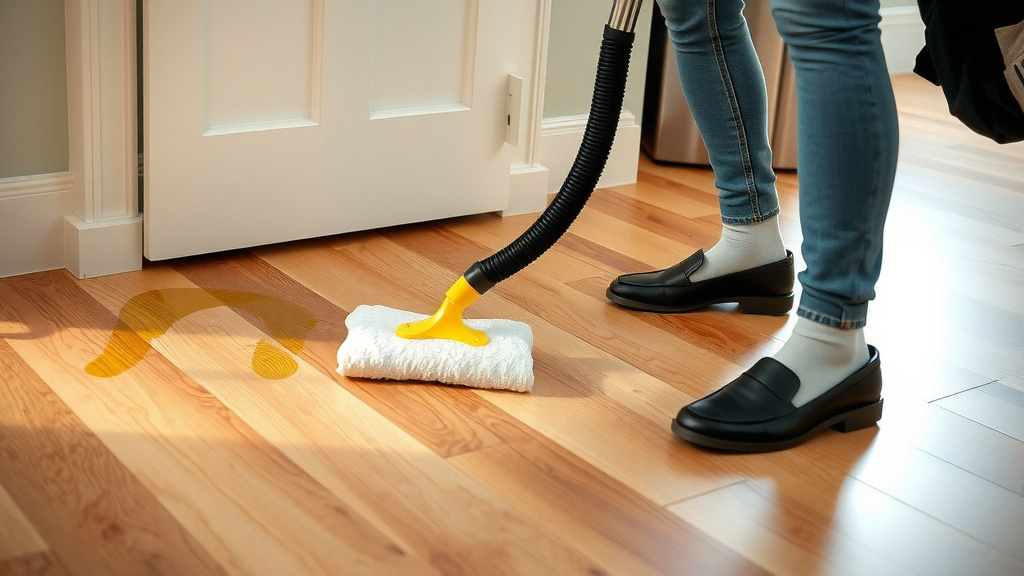
Dip a clean cloth or sponge into the soapy water. Wring it out so it’s damp, not dripping wet. You don’t want to oversaturate your floor. Gently wipe the area where the olive oil spilled. Work from the outside of the spill inward.
This helps prevent spreading any remaining oil. You’ll see the slickness start to disappear as you wipe. Keep rinsing your cloth or sponge in the solution and wringing it out. Repeat this process until the floor feels clean and no longer greasy.
Dealing with Stubborn Spots and Residue
Sometimes, a simple soap and water solution isn’t enough for tough residue. You might still feel a little tackiness. This is where a few other household staples come in handy. Don’t worry, you can usually get it sorted.
The Power of Baking Soda
Baking soda is a fantastic natural abrasive and absorbent. It can help lift tough grease. You can create a paste with baking soda and a little water. Apply this paste directly to any remaining sticky spots.
Let the paste sit for about 10-15 minutes. This gives it time to work its magic on the oil residue. After it has sat, gently scrub the area with a soft brush or sponge. You should feel the tackiness reducing.
Vinegar for a Deeper Clean (Use with Caution!)
White vinegar is another cleaning powerhouse. It can help remove residue and deodorize. However, you need to be careful with vinegar on certain floor types, like natural stone or unsealed grout. Many flooring manufacturers advise against its use on these surfaces. Always test in an inconspicuous area first.
If your floor type is safe for vinegar, mix a solution of one part white vinegar to two parts warm water. Use a damp cloth to wipe down the affected area after you’ve removed the bulk of the oil and residue. This step can help restore shine.
Rinsing and Drying Your Floor
After cleaning, it’s vital to rinse away any soap or vinegar residue. Leftover cleaning solution can attract dirt. Use a clean cloth dampened with plain water. Wipe down the entire area you cleaned. This ensures no sticky film is left behind.
Then, you need to dry your floor thoroughly. Use clean, dry towels or a mop. Make sure there’s no standing water. Dampness can lead to water stains or damage, depending on your flooring. A dry floor is a safe floor.
Important Considerations for Different Floor Types
The best cleaning method can depend on what your floor is made of. You want to avoid damaging the material while cleaning up the mess. Always consider your floor type before applying any cleaning solution.
Hardwood Floors
For sealed hardwood floors, you can use the dish soap and warm water method. Be sure to wring out your cloth very well. You don’t want to leave excess water on the wood. Avoid harsh scrubbing. For unsealed or waxed floors, consult the manufacturer’s guidelines. Some advise against water-based cleaners altogether.
Tile and Grout
Tile floors, especially ceramic or porcelain, are quite durable. You can usually use the dish soap method. For grout, baking soda paste can be very effective. Be cautious with vinegar on unsealed grout, as it can etch the surface over time. Rinse thoroughly to prevent soap buildup in the grout lines.
Laminate and Vinyl
These materials are generally forgiving. The dish soap and warm water solution is usually safe. Again, avoid excessive moisture. For stubborn spots, you can try the baking soda paste, but scrub gently. Always wipe dry to prevent water from seeping into seams.
Natural Stone (e.g., Marble, Granite)
Natural stone can be sensitive. It’s best to stick to pH-neutral cleaners. Dish soap diluted in water is usually safe. Avoid acidic cleaners like vinegar or lemon juice, as they can etch the stone. Blotting immediately is critical. Test any cleaner in a hidden spot first.
Quick Checklist for Olive Oil Spills
Here’s a quick rundown to help you remember the steps:
- Grab paper towels immediately and blot the spill.
- Mix dish soap with warm water in a bucket.
- Wipe the spill area with a damp, soapy cloth.
- Use baking soda paste for any remaining sticky spots.
- Rinse the area with a clean, damp cloth.
- Dry the floor completely with towels.
Conclusion
Cleaning up olive oil spills might seem daunting, but you’ve got this! By acting quickly with paper towels and following up with a simple dish soap and warm water solution, you can effectively tackle most messes. Remember to always consider your floor type and test any cleaning solution in a discreet spot first. Don’t forget to rinse and dry thoroughly to prevent lingering residue or damage. With these steps, you can restore your floor’s shine and keep your home looking its best. Now, go forth and conquer those kitchen spills with confidence!
Frequently Asked Questions
How long should I let baking soda paste sit on a tough olive oil stain?
For stubborn olive oil spots, let the baking soda paste sit for about 10 to 15 minutes. This allows the baking soda to absorb and lift the grease effectively. You can then gently scrub the area before wiping it clean.
Can I use a steam mop on olive oil spills?
Generally, it’s best to avoid steam mops on fresh olive oil spills. The heat from the steam can sometimes set the oil and make it harder to remove. Stick to blotting and a soapy water solution first, then clean any remaining residue.
What’s the best way to clean olive oil out of carpet fibers?
For carpet, you’ll want to blot up as much oil as possible immediately with paper towels. Then, use a mixture of dish soap and cool water applied with a clean cloth. Blot the area repeatedly, working from the outside in. You may need to rinse and blot again.
Will olive oil stain my grout if not cleaned quickly?
Yes, olive oil can potentially stain grout, especially if it’s unsealed or porous. Acting fast and cleaning the spill promptly with a dish soap solution or a baking soda paste can help prevent staining.
How do I get rid of the slippery feel after cleaning the oil?
To eliminate any remaining slipperiness, make sure you rinse the cleaned area thoroughly with plain water. Use a clean, damp cloth to wipe down the spot. Then, dry the floor completely with a clean towel or mop to ensure there’s no greasy residue left behind.

![7 Best Kind Of Olive Oil For Health [2026]](https://bestpureessentialoils.com/wp-content/uploads/2026/09/7-best-kind-of-olive-oil-for-health-2026-featured-768x432.jpg)
![7 Best Green Olive Oil [2026]](https://bestpureessentialoils.com/wp-content/uploads/2026/08/7-best-green-olive-oil-2026-featured-768x432.jpg)
![7 Best Olive Oil Brands With Polyphenols [2026]](https://bestpureessentialoils.com/wp-content/uploads/2026/09/7-best-olive-oil-brands-with-polyphenols-2026-featured-768x432.jpg)
![7 Best Extra Virgin Olive Oil Whole Foods [2026]](https://bestpureessentialoils.com/wp-content/uploads/2026/08/7-best-extra-virgin-olive-oil-whole-foods-2026-featured-768x432.jpg)