
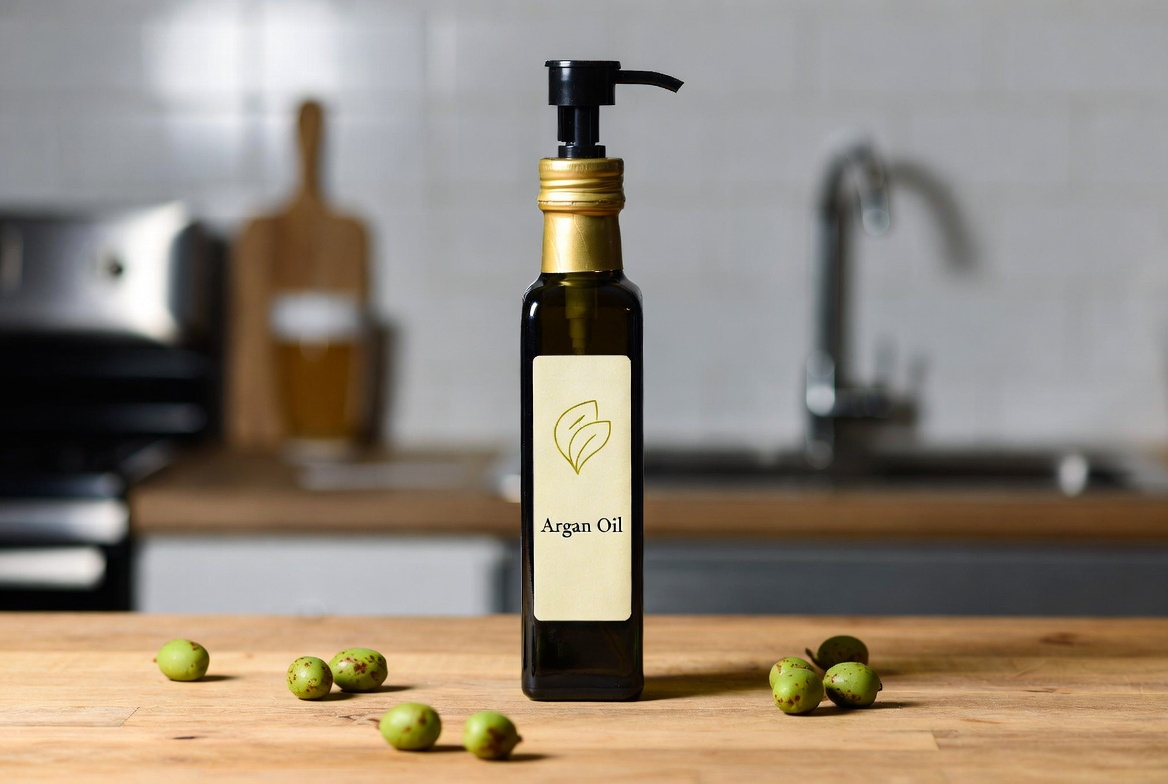
Argan Oil vs Olive Oil for Face: Which One Clogs Pores Less?
If you’re anything like me, you’ve probably stood in front of your bathroom mirror wondering whether to reach for that bottle of argan oil or the olive oil sitting in your kitchen cabinet. Both oils have been praised as miracle workers for skin, but here’s the thing—they’re not created equal when it comes to your face. The question of which oil is better for your skin, especially when it comes to pore-clogging potential, deserves a real, honest answer. Let me walk you through everything you need to know.
Outline of This Article
- Understanding facial oils and comedogenic ratings
- What is argan oil and its composition
- What is olive oil and its composition
- Comparing comedogenic ratings
- Pore-clogging potential explained
- Benefits of argan oil for facial skin
- Benefits of olive oil for facial skin
- Drawbacks of using argan oil on your face
- Drawbacks of using olive oil on your face
- Skin type considerations
- How to use these oils safely
- Combination approaches and layering
- Cost and accessibility factors
- Real-world results and user experiences
- Making your final decision
Understanding Facial Oils and Comedogenic Ratings
Before we dive into the argan oil versus olive oil debate, let’s talk about something called the comedogenic scale. Think of it as a report card for oils—it tells you how likely an oil is to clog your pores. The scale ranges from zero to five, where zero means it won’t clog your pores at all, and five means it’s almost guaranteed to cause breakouts and congestion.
Now, why does this matter? Well, your skin is like a finely tuned machine. When you apply something to it, especially something as occlusive as oil, you need to know what you’re dealing with. Some oils are so heavy that they sit on top of your skin like a blanket, trapping bacteria and dead skin cells beneath them. Others are lighter and more easily absorbed, working their way into your skin without creating a barrier that encourages clogged pores.
The Science Behind Pore Clogging
Your pores are tiny openings in your skin that serve important functions—they release sebum, which is your skin’s natural oil, and they allow your skin to breathe. When you introduce an external oil that’s too heavy or too occlusive, it can interfere with this natural process. The oil mixes with your sebum, dead skin cells, and bacteria, creating the perfect storm for congestion, blackheads, and acne.
What Is Argan Oil and Its Composition
Argan oil is a golden-hued oil that comes from the kernels of the argan tree, which is native to Morocco. For centuries, Moroccan women have used this oil as part of their skincare and beauty routines, and it’s become increasingly popular worldwide over the past couple of decades.
Key Ingredients in Argan Oil
What makes argan oil special is its unique composition. It contains high levels of antioxidants, particularly vitamin E, which is fantastic for protecting your skin from environmental damage and oxidative stress. It’s also rich in fatty acids, including linoleic acid and oleic acid, which support the skin’s barrier function. Additionally, argan oil contains polyphenols and squalene, compounds that contribute to its anti-inflammatory and skin-conditioning properties.
The oil also has a relatively low melting point, which means it absorbs into the skin fairly quickly compared to some other oils. This faster absorption is one reason why many people prefer argan oil for facial application.
What Is Olive Oil and Its Composition
Olive oil is something we all recognize. It’s been used in cooking for thousands of years, and it’s been a staple in Mediterranean beauty routines for just as long. The oil is extracted from the fruit of the olive tree, and it’s packed with beneficial compounds.
Key Ingredients in Olive Oil
Olive oil contains vitamins A, D, and K, along with important antioxidants like polyphenols. It’s rich in oleic acid, which can penetrate the skin and provide deep hydration. The oil also has anti-inflammatory properties, thanks to its oleocanthal content, which is similar to ibuprofen in how it reduces inflammation.
However—and this is important—olive oil is significantly heavier than argan oil. It has a higher molecular weight and doesn’t absorb as quickly into the skin. This is where the pore-clogging concern becomes more relevant.
Comparing Comedogenic Ratings: The Direct Comparison
Let’s get to the heart of your question. On the comedogenic scale, argan oil typically rates between 0 and 1, which means it’s non-comedogenic or very unlikely to clog pores. This is one of its biggest advantages for facial skincare.
Olive oil, on the other hand, typically rates between 2 and 4 on the comedogenic scale, depending on the type and processing method. Extra virgin olive oil tends to be slightly more comedogenic than refined olive oil, but both versions can potentially clog pores more readily than argan oil.
What This Means for Your Skin
The difference in comedogenic rating is significant. If you’re prone to acne, have oily skin, or deal with congestion-prone skin, this information should weigh heavily in your decision. Argan oil gives you a much safer option with a lower risk of exacerbating your skin concerns.
Understanding Pore-Clogging Potential in Detail
It’s not just about the rating number—let’s understand why these oils differ in their pore-clogging potential. It all comes down to molecular structure and how the oil interacts with your skin.
Molecular Weight and Absorption Speed
Argan oil has a lower molecular weight than olive oil, which means its molecules are smaller and can penetrate the skin more easily. When you apply argan oil to your face, it doesn’t just sit on the surface—it gets absorbed into your skin rather quickly. This absorption means it’s less likely to trap bacteria and dead skin cells on the surface.
Olive oil, conversely, is heavier and sits on the skin longer before being absorbed. During this time window, it can mix with your skin’s natural sebum and trap impurities in your pores. It’s like the difference between a lightweight scarf and a thick blanket—one breathes with your skin, and the other suffocates it.
Fatty Acid Composition Matters
Both oils contain oleic acid, but argan oil has a better balance of oleic acid to linoleic acid. This balance is crucial because linoleic acid actually helps maintain your skin barrier without creating excessive occlusion. Olive oil has higher oleic acid content relative to linoleic acid, which can contribute to increased pore clogging in susceptible individuals.
Benefits of Argan Oil for Facial Skin
Beyond the non-comedogenic advantage, argan oil offers genuine benefits that make it appealing for facial use.
Antioxidant Protection
The high vitamin E content in argan oil provides powerful antioxidant protection. This means it helps defend your skin against free radicals, which are unstable molecules created by sun exposure, pollution, and stress. Free radicals contribute to premature aging, fine lines, and a dull complexion. By using argan oil, you’re essentially giving your skin a shield against these damaging elements.
Lightweight Hydration
Argan oil delivers moisture to your skin without that heavy, greasy feeling. It hydrates your skin barrier and helps lock in moisture, which is essential for maintaining a plump, youthful appearance. This is particularly valuable if you have dehydrated skin that also tends to break out—a combination that makes finding the right product challenging.
Anti-Inflammatory Properties
If you’re dealing with redness, irritation, or acne, argan oil can help calm your skin. Its polyphenols and other compounds work to reduce inflammation, making it suitable for sensitive or problematic skin.
Supports Skin Barrier Function
Your skin barrier is your body’s first line of defense against environmental stressors and moisture loss. Argan oil contains essential fatty acids that strengthen this barrier, improving your skin’s overall resilience and health.
Benefits of Olive Oil for Facial Skin
Now, don’t discount olive oil entirely. Despite its higher comedogenic rating, it does offer real benefits when used appropriately.
Deep Nourishment
The heavier nature of olive oil that we mentioned as a drawback actually has a flip side—it provides deeper nourishment. If your skin is very dry and you’re not acne-prone, this penetrating hydration can be transformative. The oil feeds your skin with vitamins and antioxidants in a way that lighter oils simply cannot.
Strong Anti-Inflammatory Action
Olive oil’s oleocanthal compound is powerful for reducing inflammation. Some people find that olive oil actually helps their acne-prone skin, particularly when they have inflammatory acne rather than congestion-prone skin. The anti-inflammatory benefits can outweigh the comedogenic concerns for these individuals.
Improved Skin Texture
Many users report that olive oil, when used correctly, can improve their skin’s texture and smoothness. It can help soften rough patches and create a more refined complexion over time.
Drawbacks of Using Argan Oil on Your Face
While argan oil is generally the safer choice for facial skin, it’s not without limitations.
Price Point
High-quality, pure argan oil can be expensive. If you’re on a tight skincare budget, this might be a barrier to entry. You’ll want to ensure you’re buying genuine argan oil, as the market is flooded with diluted or fake products.
Potential for Sensitivity
Some people find that argan oil irritates their skin, though this is relatively uncommon. The oil itself is generally well-tolerated, but if you have very sensitive skin or are allergic to tree nuts, you should be cautious.
Not Always Deeply Nourishing Enough
While argan oil provides good hydration, if you have extremely dry or mature skin that needs intense nourishment, it might not penetrate deeply enough to address all your skin’s needs. You might need to layer it with other products or use it in combination with richer moisturizers.
Drawbacks of Using Olive Oil on Your Face
The primary issue with olive oil for facial use is its higher comedogenic potential, but there are other considerations too.
The Pore-Clogging Risk
For acne-prone or congestion-prone skin, olive oil can trigger breakouts and worsen existing skin concerns. Even if you have tolerant skin, using olive oil regularly might eventually lead to clogged pores and congestion.
Heavy Residue
Olive oil can leave a greasy, sticky residue on your skin that some people find uncomfortable. It can make your skin feel heavy and might not work well under makeup or other skincare products.
Slower Absorption
The slow absorption time means you might not experience benefits as quickly as you would with lighter oils. You’ll need to apply it and wait for it to sink in, which some people find inconvenient in their skincare routine.
Skin Type Considerations: Who Should Use What
For Acne-Prone and Oily Skin
If you have acne-prone or oily skin, argan oil is definitely your better choice. Its non-comedogenic rating and lighter texture make it far less likely to aggravate your skin. You might even see improvements in your breakouts thanks to its anti-inflammatory properties.
For Dry and Mature Skin
If you have dry, mature skin and have never experienced acne or congestion issues, olive oil could work well for you. Its deeper nourishment and strong anti-aging benefits might be exactly what your skin needs. However, start with a patch test to ensure your skin tolerates it well.
For Combination Skin
If you have combination skin—oily in some areas and dry in others—argan oil is the safer bet. You can apply it all over your face without worrying about exacerbating oiliness in your T-zone while still providing hydration to drier areas.
For Sensitive Skin
Sensitive skin often benefits from lighter, less occlusive oils. Argan oil is generally a better choice, though you should still patch test before committing to regular use. If you choose olive oil, use it sparingly and watch for any signs of irritation or congestion.
How to Use These Oils Safely on Your Face
Patch Testing First
Before applying any oil to your entire face, always do a patch test. Apply a small amount to your inner arm or behind your ear and wait 24 hours to see if any irritation occurs. This simple step can save you from a major skin reaction.
Starting with Less
When you do introduce an oil to your routine, use a small amount—we’re talking just a few drops. Oils are concentrated products, and a little goes a long way. You can always use more, but you can’t take it out once you’ve applied it.
Best Application Methods
The best way to apply oil to your face is to warm it between your palms first, then gently press it into your skin rather than rubbing it in aggressively. You can apply it to damp skin to help with absorption, or you can layer it over a lightweight moisturizer for extra hydration and nourishment.
Frequency of Use
Start by using your chosen oil two or three times per week and monitor your skin’s response. If your skin loves it, you can increase frequency to nightly use. If you notice any congestion or irritation, reduce frequency immediately.
Combination Approaches and Strategic Layering
Here’s something interesting—you don’t have to choose just one oil. You can use both strategically depending on your skin’s changing needs.
Seasonal Adjustments
During the winter when your skin is drier, you might incorporate argan oil more frequently or even occasionally use olive oil as a richer nighttime treatment. During summer when your skin is oilier and more prone to congestion, you might use argan oil exclusively or reduce oil use altogether.
Layering for Maximum Benefits
You can apply argan oil to clean, damp skin first, then layer it with a lightweight moisturizer. This gives you the benefits of both products without the worry of excessive occlusion. The argan oil penetrates and provides antioxidants, while the moisturizer seals everything in.
Cost and Accessibility Factors
Price Comparison
Olive oil is significantly cheaper than ar


![7 Best Italian Olive Oil Gift Set [2026]](https://bestpureessentialoils.com/wp-content/uploads/2026/08/7-best-italian-olive-oil-gift-set-2026-featured-768x432.jpg)

![7 Best Commercial Olive Oil [2026]](https://bestpureessentialoils.com/wp-content/uploads/2026/06/7-best-commercial-olive-oil-2026-featured-768x432.jpg)
![7 Best Foods Olive Oil Mayo Ingredients [2026]](https://bestpureessentialoils.com/wp-content/uploads/2026/08/7-best-foods-olive-oil-mayo-ingredients-2026-featured-768x432.jpg)