Canola Oil Spray vs Olive Oil Spray: Which is Healthier
When choosing between canola oil spray and olive oil spray for cooking, canola oil spray is often the better choice for high-heat cooking. This is because canola oil has a higher smoke point than most olive oil sprays, meaning it can get hotter before it starts to burn and create unpleasant flavors. You’ll want to consider your cooking method when deciding which spray is best.
Both sprays offer a convenient way to lightly coat pans or food without excess oil. Olive oil spray is great for adding a touch of flavor to salads or finishing dishes. Canola oil spray is a workhorse for baking, roasting, and sautéing where you need reliable, even coating at higher temperatures. We found that understanding the smoke point of each oil is key to happy cooking.
- Canola oil spray is generally better for high-heat cooking.
- Olive oil spray adds nice flavor and is good for finishing dishes.
- Both sprays offer a convenient, light coating.
- The smoke point of the oil is a major deciding factor.
- Consider your cooking method to pick the right spray.
Let’s break down the pros and cons of each oil spray so you can confidently pick the perfect one for your next meal.
Canola Oil Spray vs. Olive Oil Spray: Your Kitchen Decision Guide
So, you’re standing in the aisle, staring at those convenient spray bottles. Which cooking oil spray should you grab? We know it can feel like a small choice, but picking the right one can make a big difference in your cooking. Let’s break down canola oil spray and olive oil spray so you can make an informed decision for your kitchen.
Understanding the Smoke Point: The Heat Factor
The most important difference between canola oil spray and olive oil spray often comes down to their smoke point. Think of the smoke point as the temperature at which an oil starts to break down and burn. When oil smokes, it can create unpleasant flavors and even harmful compounds. This is why knowing the smoke point is so vital for your cooking.
Canola Oil Spray: The High-Heat Champion
Canola oil typically has a higher smoke point compared to many olive oils. Refined canola oil often hovers around 400°F (204°C). This makes it a fantastic choice for cooking methods that require higher temperatures.
You can trust canola oil spray for:
- Sautéing: When you’re searing veggies or proteins quickly.
- Roasting: For getting those crispy edges on vegetables or meats in the oven.
- Baking: Lightly coating cake pans or muffin tins to prevent sticking.
We found that using canola oil spray for these tasks means you’re less likely to end up with a burnt, bitter taste lingering in your food or pan. It provides a reliable, even coating that can handle the heat.
Olive Oil Spray: Flavor with a Finer Touch
Olive oil, especially extra virgin olive oil (EVOO), has a lower smoke point, often around 375°F (190°C) for EVOO. While refined olive oil can go a bit higher, many olive oil sprays are made with lighter versions. This means they are best suited for lower to medium heat cooking.
Olive oil spray shines when you want to:
- Add a hint of flavor: It brings a lovely, distinct taste to dishes.
- Coat salads: A quick mist before serving adds richness without drowning your greens.
- Finish dishes: A final spritz can add a lovely sheen and subtle flavor to cooked foods.
- Lightly grease non-stick pans: For gentle cooking where high heat isn’t needed.
Many people love the taste that olive oil brings. However, if you’re planning to pan-fry chicken or roast vegetables at a high temperature, you might want to reach for a different spray.
Comparing the Oils: What’s Inside the Can?
It’s not just about heat; the origin and processing of the oils play a role in their performance and properties.
Canola Oil: From Seed to Spray
Canola oil comes from the rapeseeds of the canola plant. It’s known for being a neutral-flavored oil, which is why it’s so popular for baking and general cooking. You won’t taste it much, allowing the flavors of your food to come through.
We researched that canola oil is also often chosen for its heart-healthy profile. It’s low in saturated fat and contains monounsaturated and polyunsaturated fats (Mayo Clinic).
Olive Oil: A Mediterranean Staple
Olive oil is pressed from olives. Its flavor can range from mild to robust, depending on the type and processing. When you use olive oil spray, you’re often adding a distinct olive flavor to your food, which can be a great culinary asset.
While often celebrated for its health benefits, particularly its high content of monounsaturated fats and antioxidants, it’s the flavor profile that often guides its use (National Center for Complementary and Integrative Health).
When to Reach for Which Spray: Your Cooking Scenarios
Let’s put this into practice. Imagine your kitchen and the meal you’re preparing. Which spray fits the bill?
Scenario 1: Roasting Sweet Potato Fries
You’re aiming for crispy, golden-brown sweet potato fries tossed with your favorite spices. This requires a hot oven, typically around 400-425°F (204-218°C). In this case, canola oil spray is your best friend. Its higher smoke point can withstand the heat, ensuring your fries get nicely roasted without the oil burning and making them taste bitter.
Scenario 2: Making a Quick Weeknight Salad
You’ve prepped a lovely mixed green salad. You want to add just a little something extra, a light dressing that doesn’t weigh down the delicate leaves. A light mist of olive oil spray is perfect here. It adds a subtle fruity note and a touch of richness without making your salad soggy. The best extra virgin olive oils for the Mediterranean diet are those that offer high quality, robust flavor, and health benefits.
Scenario 3: Greasing a Cake Pan for Baking
You’re baking a cake for a special occasion. You need a reliable way to ensure your cake releases perfectly. Both sprays can work, but many bakers prefer the neutral flavor of canola oil spray for baked goods so it doesn’t interfere with the cake’s intended taste. The temperature in a standard oven is usually manageable for canola oil spray.
Scenario 4: Searing Chicken Breasts
You’re cooking chicken breasts on the stovetop and want a nice sear. This usually involves medium-high to high heat to get that beautiful browning. Canola oil spray is a solid choice here because of its higher smoke point. This helps prevent the oil from breaking down too quickly under the heat.
Are There Any Downsides? Let’s Be Honest.
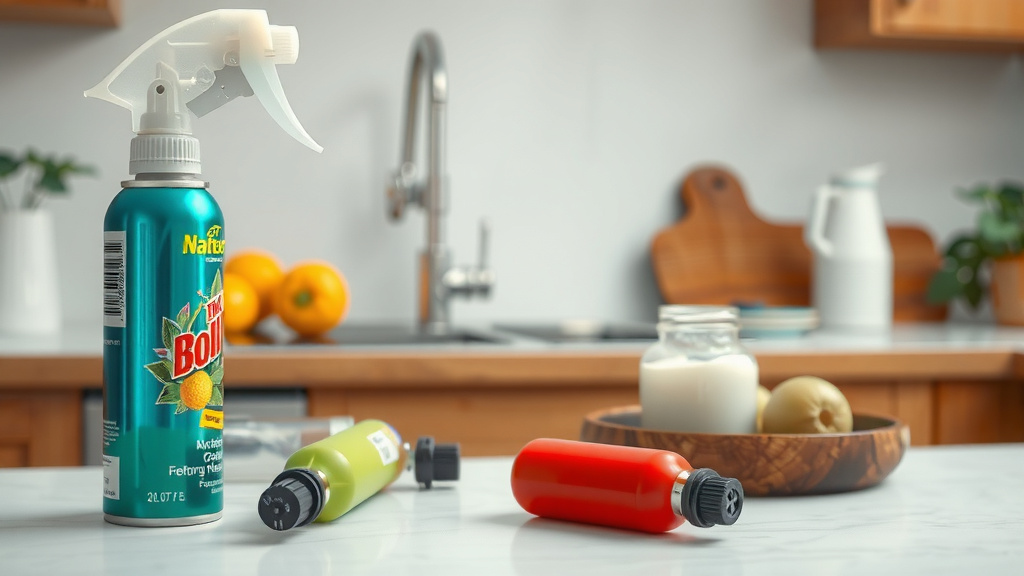
No kitchen tool is perfect, and the sprays are no exception. One common concern with cooking sprays, whether canola or olive oil, is the propellant used to get the oil out. These sprays often contain ingredients like lecithin and dimethyl silicone (FDA). While generally considered safe in small amounts, some people prefer to avoid them.
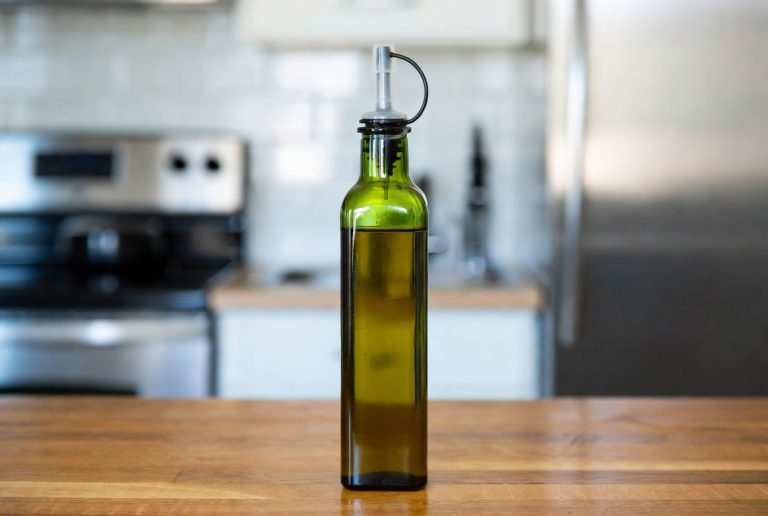
If this is you, consider a mister bottle. You can fill these with your preferred oil (canola or olive oil) and manually pump them for a light spray. It gives you more control and avoids any added ingredients. We found these to be a great alternative for those seeking a more natural approach.
A Quick Checklist for Your Next Grocery Run
Ready to make your choice? Keep this handy:
- High-Heat Cooking? Grab Canola Oil Spray.
- Need Flavor? Reach for Olive Oil Spray.
- Baking Cakes or Muffins? Canola Oil Spray is often preferred.
- Making a Light Salad Dressing? Olive Oil Spray adds a nice touch.
- Want Neutrality? Canola Oil Spray is your go-to.
- Avoiding Propellants? Try a refillable oil mister with your chosen oil.
Making the Smart Choice for Your Pan
Ultimately, the choice between canola oil spray and olive oil spray depends on your cooking method and desired flavor profile. Both offer convenience, but understanding their smoke points and properties will help you get the best results in your kitchen. So next time you’re reaching for that spray bottle, you’ll know exactly which one to choose!
Conclusion
You’ve got the lowdown on canola oil spray versus olive oil spray! Remember, the key is matching the oil to your cooking heat. Canola oil spray is your trusty sidekick for high-heat tasks like searing and roasting, thanks to its higher smoke point and neutral flavor. Olive oil spray, on the other hand, is perfect for adding a delicate touch of flavor to salads or finishing dishes where intense heat isn’t needed. Consider your recipe’s demands and your taste preferences to make the best choice.
Next time you’re prepping your pan or tossing your greens, confidently reach for the spray that will give you delicious results. Your cooking will thank you!
Frequently Asked Questions
Can I use canola oil spray for low-heat cooking like making a vinaigrette?
Yes, you absolutely can! While olive oil spray is often preferred for its flavor in vinaigrettes, canola oil spray will work perfectly fine. Its neutral taste won’t interfere with your other dressing ingredients, and it provides the light coating you need.
Is olive oil spray safe to use when I’m searing meat at high temperatures?
It’s generally not recommended for very high-heat searing. Olive oil, especially extra virgin, has a lower smoke point. When it smokes, it can create a bitter taste and break down. For searing, canola oil spray is a much safer bet to prevent burning.
What kind of oil spray should I use if I’m trying to avoid added propellants?
If you’re looking to avoid propellants, we highly recommend using a refillable oil mister. You can fill these with your preferred oil, whether it’s canola or olive oil, and get a light, controlled spray by pumping the handle.
Will using canola oil spray make my baked goods taste like canola oil?
No, you don’t need to worry about that! Canola oil is known for its neutral flavor. It’s a workhorse in baking precisely because it allows the flavors of your ingredients, like chocolate or vanilla, to shine through without adding an unwanted oil taste.
Can I use olive oil spray for air frying?
For most air frying, yes, but with a caution. Air fryers can get very hot, so choose an olive oil spray that is made from refined olive oil or a blend with a higher smoke point. If you’re unsure or cooking at very high temperatures, canola oil spray is often a more reliable choice to prevent smoking.

![7 Best Olive Oil Brand For Cooking In India [2026]](https://bestpureessentialoils.com/wp-content/uploads/2026/09/7-best-olive-oil-brand-for-cooking-in-india-2026-featured-768x432.jpg)