
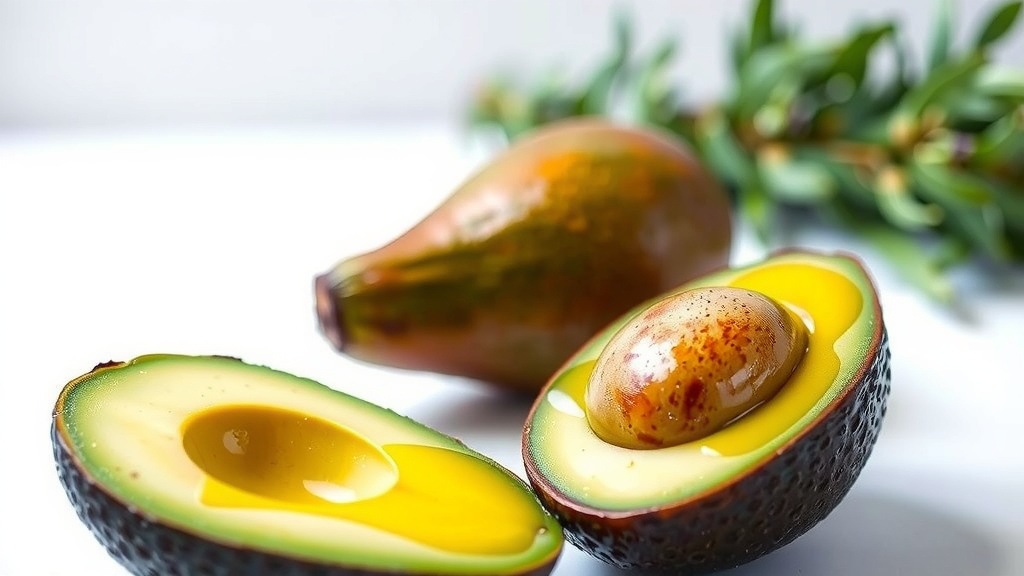
Avocado Oil vs Olive Oil High Heat Cooking
When it comes to cooking at high temperatures, both avocado oil and olive oil can be great choices, but avocado oil generally has a higher smoke point. This means it can get hotter before it starts to burn and break down. For searing and frying, avocado oil is often the safer bet for preventing burnt flavors and harmful compounds.
You might be wondering which oil is better for your favorite high-heat cooking methods. We found that while both offer health benefits, their performance can differ quite a bit. Understanding their smoke points helps you choose the right oil for the job, ensuring your food cooks perfectly and stays healthy. It’s all about matching the oil’s stability to your pan’s heat.
- Avocado oil has a higher smoke point than most olive oils.
- Higher smoke points are better for searing, frying, and roasting.
- Olive oil can be used for high heat, but be mindful of its type.
- Refined avocado oil is best for very high heat cooking.
- Extra virgin olive oil is best for lower heat or finishing.
Let’s break down exactly how avocado oil and olive oil stack up when things get hot in your kitchen. You’ll be a high-heat cooking pro in no time!
High-Heat Cooking: Avocado Oil vs. Olive Oil Performance
So, you’re wondering which oil can handle the heat when you’re searing steak or roasting veggies? We’ve looked into it, and the answer often comes down to the smoke point. This is the temperature at which an oil starts to burn and produce smoke. When an oil smokes, it can impart a bitter, burnt taste to your food. It can also create harmful compounds. Understanding these smoke points is key to happy, healthy cooking.
What Exactly is a Smoke Point?
Think of a smoke point as an oil’s limit. It’s the temperature where the oil begins to break down. It releases visible smoke and can start to taste bad. Higher smoke points mean an oil can get hotter before this happens. This is especially important for cooking methods like stir-frying, pan-searing, or deep-frying.
Avocado Oil: The High-Heat Champion?
Avocado oil is often celebrated for its impressive performance at high temperatures. We found that it typically has a very high smoke point, often reaching around 500-520°F (260-271°C) for refined versions. This makes it incredibly versatile for almost any cooking task.
Refined vs. Unrefined Avocado Oil
When you see “refined” avocado oil, it means it has gone through a process to remove impurities. This purification process helps raise its smoke point significantly. Unrefined avocado oil, which retains more of its natural flavor and nutrients, usually has a lower smoke point, closer to 375°F (190°C). For your hottest cooking, refined avocado oil is your best friend.
Benefits of Using Avocado Oil for High Heat
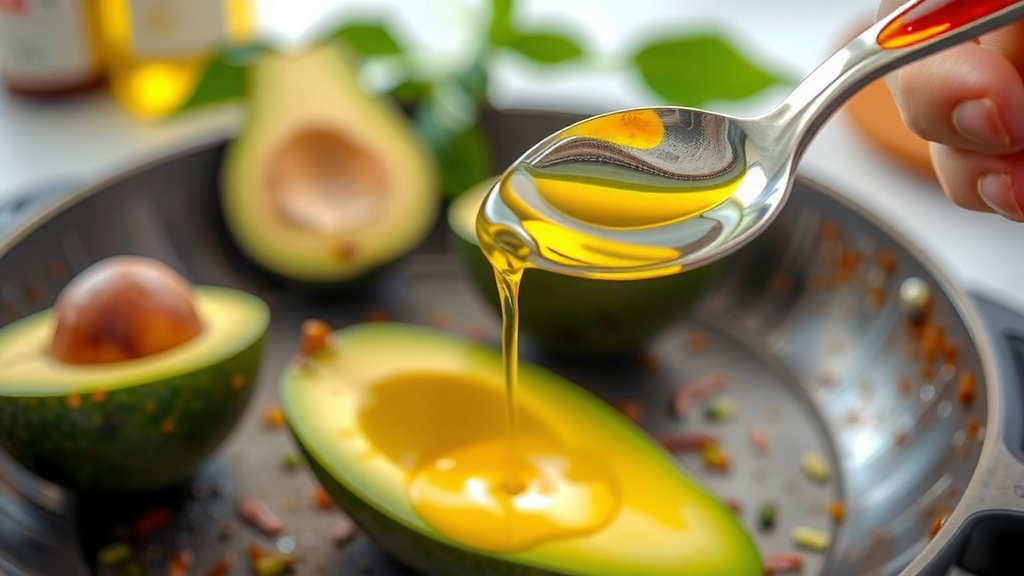
Because of its high smoke point, refined avocado oil is excellent for searing meats. It allows your pan to get screaming hot without the oil burning. This helps create that beautiful, flavorful crust on steaks, chicken, and fish. It’s also a fantastic choice for roasting vegetables at high oven temperatures. You get crispier results without that acrid, burnt smell filling your kitchen.
Olive Oil: A More Delicate Dancer?
Olive oil is a staple in many kitchens, prized for its flavor and health benefits. However, when it comes to high heat, its performance can vary depending on the type.
Extra Virgin Olive Oil (EVOO) and Heat
Extra virgin olive oil (EVOO) is the least processed form of olive oil. It’s pressed directly from olives. This results in a rich flavor and aroma, but also a lower smoke point, typically around 375-405°F (190-207°C). While this is fine for sautéing or baking at moderate temperatures, it’s not ideal for scorching hot searing or deep-frying. If you use EVOO for high heat, you risk it burning, developing bitter flavors, and losing some of its healthy compounds (Cleveland Clinic).
Regular or Light Olive Oil for Higher Heat
Confusingly, “regular” or “light” olive oil often refers to refined olive oil. This oil has a higher smoke point, usually around 465°F (240°C). This makes it a more suitable option than EVOO for higher cooking temperatures. It’s a good middle ground if you don’t have avocado oil on hand and need to sauté or roast at hotter settings.
We found that using EVOO for high-heat searing is like trying to sprint a marathon – it’s just not what it’s built for. Stick to EVOO for drizzling over salads, finishing dishes, or using in dressings where its flavor truly shines.
Comparing Performance: A Quick Glance
To help you decide, let’s summarize how these oils stack up when the heat is on.
| Oil Type | Typical Smoke Point | Best For | Things to Watch Out For |
|---|---|---|---|
| Refined Avocado Oil | 500-520°F (260-271°C) | Searing, frying, roasting, baking, everyday cooking | Less distinct flavor than EVOO |
| Unrefined Avocado Oil | ~375°F (190°C) | Low to medium-heat sautéing, dressings | Not ideal for high heat |
| Extra Virgin Olive Oil (EVOO) | 375-405°F (190-207°C) | Dressings, finishing, low-heat sautéing, baking | Burns easily at high temperatures, bitter taste |
| Regular/Light Olive Oil (Refined) | ~465°F (240°C) | Higher-heat sautéing, roasting, baking | Less flavor than EVOO |
Why Does the Smoke Point Matter So Much?
When an oil smokes, it’s breaking down. This process is called oxidation. It can create compounds that aren’t great for you. These compounds can also make your food taste bitter or burnt. Nobody wants that! For healthy cooking, you want an oil that can withstand the heat you’re using without degrading.
Imagine trying to boil water in a plastic cup. It might hold up for a bit, but eventually, it will melt and warp. Oils are similar. They have their temperature limits. Pushing an oil past its smoke point is like putting that plastic cup on a direct flame. It’s not going to end well for your food or your pan.
Making the Right Choice for Your Kitchen
So, which oil should you reach for? It really depends on what you’re cooking.
When to Choose Avocado Oil
If your recipe involves high heat – think searing steaks, stir-frying at high heat, or roasting vegetables at 400°F or higher – refined avocado oil is generally your safest and most effective bet. Its neutral flavor won’t compete with your ingredients, and its high smoke point ensures a clean, even cook without burning.
When to Choose Olive Oil
For lower to medium heat cooking, like gentle sautéing, making marinades, or baking where temperatures don’t exceed 375°F, extra virgin olive oil is a wonderful choice. Its robust flavor adds a delicious dimension to your dishes. If you need a slightly higher heat but still want an olive oil, a regular or light olive oil can work for temperatures up to around 450°F.
A Simple Decision Checklist
Here’s a quick way to decide:
- Is my pan going to be super hot (sizzling, smoking)? → Avocado Oil
- Am I searing meat or searing vegetables? → Avocado Oil
- Am I stir-frying quickly over high heat? → Avocado Oil
- Am I making a salad dressing or a sauce? → Extra Virgin Olive Oil
- Am I gently sautéing at medium heat? → Extra Virgin Olive Oil or Regular Olive Oil
- Am I roasting at a moderate temperature (under 375°F)? → Extra Virgin Olive Oil
By understanding the smoke points and intended uses of each oil, you can confidently choose the right one. This ensures your meals are delicious, healthy, and free from burnt flavors, no matter how hot your kitchen gets!
Conclusion
You now have a clearer picture of how avocado oil and olive oil perform under heat. Remember, refined avocado oil shines for searing and high-heat roasting thanks to its impressive smoke point. It’s your go-to when you need oil to withstand intense temperatures without burning or affecting flavor. Extra virgin olive oil, on the other hand, is best reserved for finishing or lower-heat cooking where its delicate flavor can be appreciated. Make a conscious choice based on your cooking method to ensure delicious, healthy results every time.
Frequently Asked Questions
Can I substitute avocado oil for olive oil in any recipe?
You can generally substitute avocado oil for olive oil, especially in recipes where a neutral flavor is desired or when cooking at higher temperatures. Be mindful that avocado oil has a more neutral taste compared to the fruity notes of extra virgin olive oil, so it might alter the final flavor profile of dishes where olive oil’s taste is central.
Will using extra virgin olive oil at high heat make my food taste bad?
Yes, using extra virgin olive oil (EVOO) above its smoke point will likely make your food taste bitter or burnt. When EVOO breaks down, it can impart unpleasant flavors. It’s best to use EVOO for lower-heat cooking or as a finishing oil to avoid this issue.
Is refined avocado oil healthier than extra virgin olive oil?
Both oils offer health benefits. Refined avocado oil retains a very high smoke point, which means it degrades less during high-heat cooking, preserving its beneficial fatty acids. EVOO is rich in antioxidants and healthy monounsaturated fats, but these can be diminished at very high temperatures. For high-heat cooking, avocado oil is often preferred for its stability.
How do I know if my oil is smoking?
You’ll know your oil is smoking when you see visible wisps of smoke rising from the pan. You might also notice a change in the oil’s color, often becoming darker. If you detect a burnt smell, it’s a clear sign the oil has passed its smoke point and is breaking down.
Can I reuse cooking oil after high-heat cooking?
While you can sometimes reuse oil, it’s generally not recommended for high-heat cooking like frying, especially if it has smoked. Reusing oil that has been heated past its smoke point can introduce impurities and break down the oil’s structure, potentially affecting the taste and healthfulness of your food.

![7 Best Italian Olive Oil For Dipping Bread [2026]](https://bestpureessentialoils.com/wp-content/uploads/2026/08/7-best-italian-olive-oil-for-dipping-bread-2026-featured-768x432.jpg)
![7 Best Greek Olive Oil Soap [2026]](https://bestpureessentialoils.com/wp-content/uploads/2026/08/7-best-greek-olive-oil-soap-2026-featured-768x432.jpg)