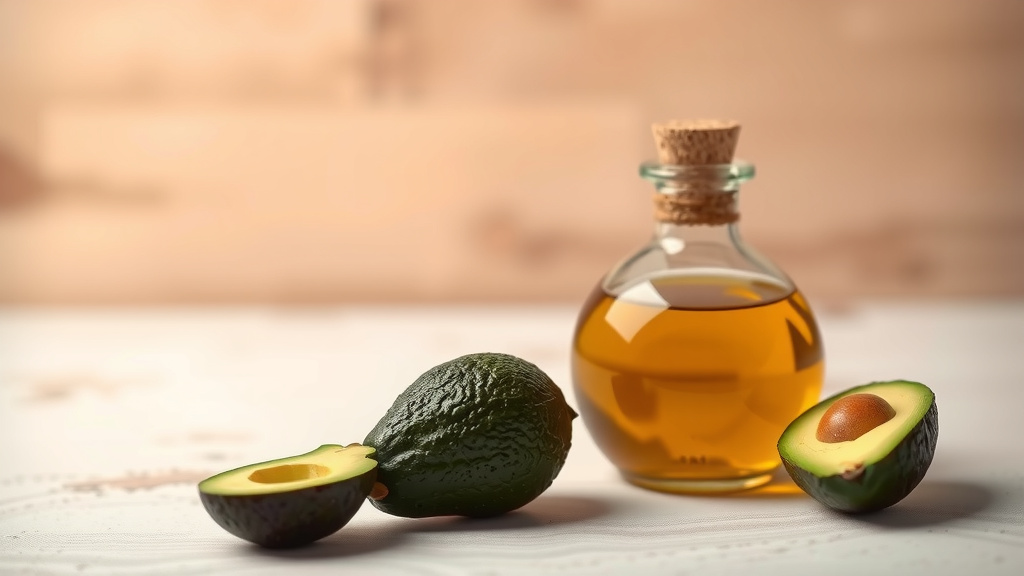
Avocado Oil vs Olive Oil Omega 3: Which is Healthier
When comparing avocado oil and olive oil for their Omega-3 content, olive oil is generally the better choice. While both oils are healthy fats, olive oil contains a more significant amount of ALA (alpha-linolenic acid), a type of Omega-3 fatty acid that your body can convert into EPA and DHA. This makes olive oil a more direct source for those beneficial Omega-3s.
You might be wondering how these two popular cooking oils stack up. Both are lauded for their health benefits, including their monounsaturated fats. However, the specific fatty acid profile, particularly regarding Omega-3s, shows a clear difference. We found that understanding these differences can help you make a more informed choice for your kitchen and your health.
- Olive oil generally has more Omega-3s (ALA) than avocado oil.
- Avocado oil is rich in monounsaturated fats and antioxidants.
- Both are great for healthy cooking, but for Omega-3s, olive oil wins.
- The type of Omega-3 in these oils is ALA, which your body converts.
Let’s break down the Omega-3 content in avocado oil versus olive oil so you can see exactly which one might be best for your needs.
Examining Omega-3s in Cooking Oils: Avocado vs. Olive
You’re probably curious about which oil offers more of those essential Omega-3 fatty acids. When we look at avocado oil versus olive oil for Omega-3 content, olive oil generally comes out ahead. While both are fantastic choices for healthy eating, olive oil tends to pack a bit more of the specific Omega-3 you’re looking for.
It’s easy to get confused with all the different types of fats out there. You might wonder, “Does my cooking oil really make a difference in my Omega-3 intake?” We’ve dug into the nutritional profiles, and the answer is yes. Understanding these differences can help you make the best choices for your pantry and your plate.
What Are Omega-3 Fatty Acids Anyway?
Omega-3 fatty acids are a type of polyunsaturated fat that’s super important for your health. Your body can’t make them on its own, so you need to get them from your diet. Think of them as tiny helpers that keep your body running smoothly. They play a role in brain function, heart health, and can even help manage inflammation (National Institutes of Health).
The Two Main Types We Talk About
When we talk about Omega-3s, you’ll often hear about two main kinds from plant sources: ALA, EPA, and DHA. ALA, or alpha-linolenic acid, is found in plant-based oils like flaxseed, chia seeds, and yes, olive oil. Your body can convert ALA into EPA (eicosapentaenoic acid) and DHA (docosahexaenoic acid), which are the types most readily used by your body, especially for brain and eye health. However, this conversion process isn’t always super efficient.
EPA and DHA are mostly found in fatty fish like salmon, mackerel, and sardines. While you won’t find significant amounts of EPA or DHA directly in olive oil or avocado oil, the ALA content in olive oil is what makes it noteworthy for Omega-3s.
Omega-3 Content: A Closer Look at Olive Oil
So, how does olive oil measure up? We found that extra virgin olive oil is a surprisingly good source of ALA. A tablespoon of extra virgin olive oil can contain anywhere from 0.05 to 1.5 grams of ALA, depending on the specific type and how it’s processed (USDA FoodData Central). While this might seem small, it contributes to your daily intake.
Why Olive Oil Shines for ALA
The unique way olives are processed into oil helps retain this beneficial ALA. It’s a direct way to add a plant-based Omega-3 to your diet. Many health organizations recommend including sources of ALA in your meals. Olive oil fits this recommendation nicely, offering ALA along with healthy monounsaturated fats.
Omega-3 Content: What About Avocado Oil?
Now let’s turn our attention to avocado oil. It’s praised for its high smoke point and buttery flavor, making it a favorite for cooking. But when it comes to Omega-3s, it’s a different story. Research shows that avocado oil contains very little to no ALA.
Avocado Oil’s Strengths Lie Elsewhere
This doesn’t mean avocado oil isn’t healthy! Far from it. Avocado oil is incredibly rich in monounsaturated fats, particularly oleic acid, which is also found in olive oil. It’s also packed with antioxidants, like vitamin E, which help protect your cells from damage (Harvard T.H. Chan School of Public Health). Its high smoke point makes it ideal for high-heat cooking methods like searing and frying, where olive oil might break down.
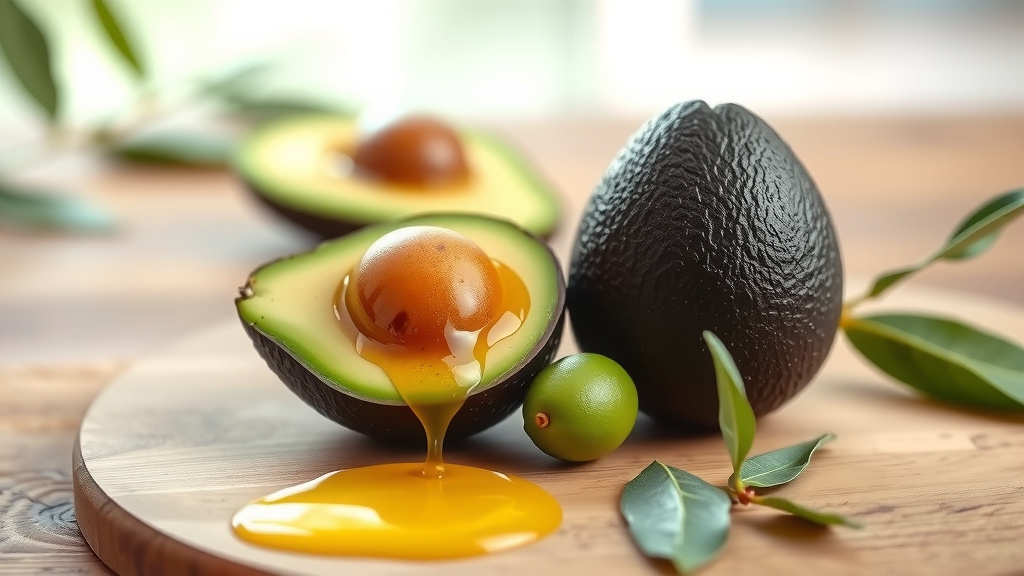
Direct Comparison: Olive Oil vs. Avocado Oil for Omega-3s
Let’s put it side-by-side. If your primary goal is to boost your Omega-3 intake through cooking oil, olive oil is your champion. You’re getting a direct dose of ALA that your body can then work with.
Avocado oil, on the other hand, is a powerhouse of other healthy fats and beneficial compounds. It’s excellent for overall health and cooking versatility, but it’s not your go-to for Omega-3s.
| Nutrient | Olive Oil (Extra Virgin) | Avocado Oil |
|---|---|---|
| Total Fat | ~14g | ~14g |
| Monounsaturated Fat | ~10g | ~9.5g |
| Polyunsaturated Fat (includes ALA) | ~1.5g (may contain up to 0.15g ALA) | ~1.5g (very little to no ALA) |
| Saturated Fat | ~2g | ~2g |
Note: Values can vary based on brand and processing. The ALA content in olive oil is a small but significant portion of its polyunsaturated fats.
Understanding the ALA Conversion
It’s worth remembering that even with olive oil, the amount of ALA is modest. Your body needs to convert it to EPA and DHA. This conversion rate can vary from person to person. So, while olive oil contributes to your Omega-3 goals, it’s not a substitute for fatty fish if you’re aiming for high EPA and DHA levels.
Making the Healthiest Choice for Your Kitchen
So, how do you decide which oil to use? It really depends on your culinary needs and health priorities.
When to Reach for Olive Oil
You’ll want to use olive oil, especially extra virgin, for:
- Salad dressings: Its flavor is fantastic here.
- Drizzling over finished dishes: To add a burst of flavor and healthy fats.
- Low to medium-heat sautéing: When you want that olive oil taste.
- When boosting ALA intake is a priority: It offers a small but helpful amount.
When to Reach for Avocado Oil
Avocado oil is your best friend for:
- High-heat cooking: Think searing steaks or stir-frying vegetables. Its stability is key.
- Baking: Its neutral flavor won’t interfere with your recipes.
- When you want a neutral-tasting healthy fat: It’s a versatile workhorse.
- Maximizing monounsaturated fats and antioxidants: It’s a great source.
Your Kitchen Oil Checklist
To help you decide, here’s a quick rundown:
- Want more Omega-3s (ALA)? Choose olive oil.
- Need an oil for high-heat cooking? Grab avocado oil.
- Making a salad dressing? Olive oil is a classic.
- Prioritizing antioxidants? Both are good, but avocado oil is often higher.
- Looking for a neutral flavor? Avocado oil usually wins.
- Want a healthy fat for general use? You can’t go wrong with either, depending on the application.
Conclusion
When weighing avocado oil against olive oil for Omega-3s, the research is clear: olive oil is your top pick for ALA. While both oils offer wonderful health benefits and are staples in a healthy kitchen, olive oil provides a direct source of this beneficial fatty acid. Avocado oil shines for its monounsaturated fats and high smoke point, making it ideal for different cooking needs. To make the best choice for your health goals and cooking style, consider which oil best supports your needs. Try incorporating both into your pantry, reaching for olive oil to boost your Omega-3s and avocado oil for high-heat cooking.
Frequently Asked Questions
Does avocado oil have any Omega-3s at all?
Avocado oil contains very minimal amounts of Omega-3 fatty acids, specifically ALA. Its primary fatty acid profile is rich in monounsaturated fats. You’ll find that olive oil offers a more substantial, albeit still modest, amount of ALA for your dietary intake.
Can I use olive oil for high-heat cooking?
While extra virgin olive oil is best reserved for lower to medium heat and finishing dishes, regular or light olive oil has a higher smoke point. For high-heat searing or stir-frying, avocado oil is generally a more stable choice, preventing the oil from breaking down.
How much ALA is in olive oil compared to other sources?
A tablespoon of extra virgin olive oil can provide a small amount of ALA, contributing to your daily needs. However, for much higher ALA content, you’d look to sources like flaxseeds or chia seeds, which offer significantly more per serving.
Is the ALA in olive oil enough for my Omega-3 needs?
The ALA from olive oil is a beneficial addition to your diet, but it’s not a replacement for direct sources of EPA and DHA. Your body converts ALA, and this process is not always very efficient. For robust Omega-3 levels, consider fatty fish in your diet.
Which oil is better for heart health overall?
Both avocado oil and olive oil are excellent choices for heart health due to their high monounsaturated fat content. Olive oil gets an extra nod for its ALA content, while avocado oil is rich in other beneficial compounds like antioxidants. Incorporating both into a balanced diet is ideal.


![7 Best Olive Oil Brand At Whole Foods [2026]](https://bestpureessentialoils.com/wp-content/uploads/2026/09/7-best-olive-oil-brand-at-whole-foods-2026-featured-768x432.jpg)
![7 Best Infused Olive Oil Brands [2026]](https://bestpureessentialoils.com/wp-content/uploads/2026/08/7-best-infused-olive-oil-brands-2026-featured-768x432.jpg)
![7 Best Extra Olive Oil Brands [2026]](https://bestpureessentialoils.com/wp-content/uploads/2026/08/7-best-extra-olive-oil-brands-2026-featured-768x432.jpg)