
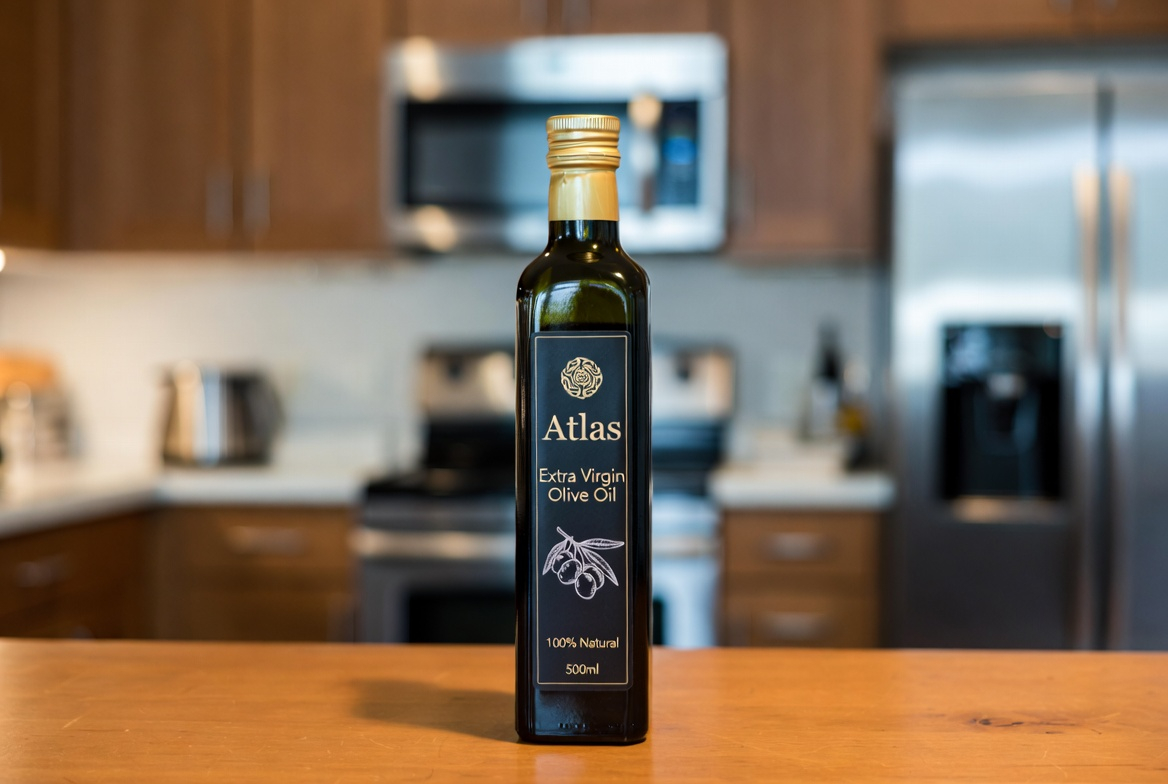
Atlas Olive Oil vs Gundry Olive Oil: Which Premium Brand Is Worth It?
Let me be honest with you—choosing between premium olive oils can feel like comparing luxury cars when you just need reliable transportation. Both Atlas and Gundry have carved out impressive reputations in the high-end olive oil market, but they’re not created equal. I’ve spent considerable time researching these brands, and I’m here to break down exactly what makes them different and help you decide which one truly deserves a spot in your kitchen.
Article Outline
- Introduction to Premium Olive Oils
- About Atlas Olive Oil
- About Gundry Olive Oil
- Sourcing and Origin Comparison
- Extraction Methods and Quality Standards
- Flavor Profiles and Taste Experience
- Health Benefits and Nutritional Content
- Polyphenol Content and Antioxidants
- Pricing and Value Proposition
- Packaging and Shelf Life
- Culinary Applications
- Customer Reviews and Reputation
- Environmental and Ethical Practices
- Where to Buy and Availability
- Final Verdict and Recommendations
Understanding the Premium Olive Oil Market
The premium olive oil category has exploded in recent years, and for good reason. We’ve moved far beyond the days when any golden liquid in a bottle would do. Today’s conscious consumers want to know exactly where their oil comes from, how it’s produced, and what nutritional benefits it delivers.
Think of premium olive oil like specialty coffee—the difference between a standard blend and a single-origin, cold-brew variety is night and day. Both Atlas and Gundry position themselves in this premium space, but their philosophies differ significantly. Understanding these differences will help you make an informed decision based on your priorities, whether that’s health benefits, taste, sustainability, or simply getting the best bang for your buck.
Atlas Olive Oil: The Brand Behind the Product
Atlas Olive Oil comes from a brand that focuses on delivering what they call “authentic Mediterranean quality” to American kitchens. The company emphasizes traditional olive farming methods combined with modern quality control standards.
The Philosophy and Mission
Atlas positions itself as a bridge between Old World traditions and New World expectations. They’re not trying to reinvent the wheel—instead, they’re committed to bringing genuine, high-quality olive oil to families who care about what goes into their food. The brand operates with transparency, clearly labeling their oils with harvest dates and origin information.
What Sets Atlas Apart
What I find particularly interesting about Atlas is their commitment to single-origin oils. They don’t blend oils from different regions or years—instead, each bottle represents a specific harvest from a specific location. This approach gives consumers a clear sense of what they’re purchasing and allows them to develop preferences based on their personal taste.
Gundry Olive Oil: The Health-Focused Approach
Gundry Olive Oil, on the other hand, carries the name and philosophy of Dr. Steven Gundry, a prominent wellness advocate and plant paradox author. This brand takes a distinctly health-centric approach to olive oil production and marketing.
The Wellness Philosophy
Gundry’s olive oil isn’t just about taste—it’s fundamentally about delivering maximum health benefits. The brand focuses heavily on polyphenol content, antioxidants, and properties that align with modern nutritional science. If you’re familiar with Dr. Gundry’s work, you’ll recognize the same emphasis on eliminating inflammatory compounds and promoting cellular health.
Marketing and Health Claims
Gundry makes bold claims about their oil’s health properties. They emphasize low oleocanthal content and high polyphenol levels, positioning their product as a therapeutic food rather than simply a cooking ingredient. This approach resonates with health-conscious consumers who view their food choices as medicine.
Sourcing and Origin: Where Do These Oils Come From?
Atlas Olive Oil Origins
Atlas sources their olives primarily from Mediterranean regions, particularly focusing on specific groves known for quality production. They maintain relationships with select farmers and provide detailed information about which varieties they use and when they were harvested.
The transparency here is valuable. You’re not just buying “olive oil”—you’re buying oil from a specific place, from specific olive varieties, harvested at a specific time. This level of detail matters tremendously for quality assurance.
Gundry Olive Oil Origins
Gundry’s sourcing strategy involves sourcing from regions known for producing olives with higher polyphenol concentrations. The brand works with growers who follow specific protocols to maximize the health-promoting compounds in the final product.
While Gundry does provide origin information, the emphasis is less on specific terroir and more on achieving optimal biochemical profiles. It’s a different approach to sourcing—one focused on the end nutritional result rather than celebrating regional characteristics.
Extraction Methods and Quality Standards
Atlas’s Cold-Press Commitment
Atlas uses cold-press extraction exclusively. This means the olives are pressed without heat, preserving the delicate flavors and nutritional compounds that make quality olive oil special. Cold-pressing is labor-intensive and yields less oil per olive, which contributes to the higher price point.
The benefit is substantial—cold-pressed oils retain more of their original flavor characteristics and maintain higher levels of polyphenols compared to oils extracted with heat or solvents.
Gundry’s Extraction Philosophy
Gundry also emphasizes cold-pressing, but they add an extra layer—their oils are described as being produced in a way that specifically targets polyphenol preservation. They’ve partnered with producers who use extraction methods designed to maximize these beneficial compounds rather than just minimize damage.
In practical terms, both brands are using similar foundational methods, but Gundry’s approach includes specific optimization for health compounds.
Flavor Profiles: What Does Each Oil Taste Like?
Atlas Flavor Characteristics
Atlas oils tend to have robust, authentic Mediterranean flavor profiles. Depending on the harvest and variety, you might taste notes of grass, almonds, fresh-cut herbs, or even pepper. These are the flavors you’d expect from genuine, high-quality olive oil.
The taste experience changes with the season. Early harvest oils are typically more peppery and grassy, while later harvests become buttery and more mild. Atlas embraces this natural variation rather than trying to create consistency across batches.
Gundry Flavor Experience
Gundry’s oils, while still quality products, sometimes taste different from traditional Mediterranean oils. Because they’re optimized for polyphenol content, they can have a more pronounced peppery finish and might taste more assertive on the palate.
Some people love this characteristic—it signals the presence of those beneficial compounds. Others find it less versatile in the kitchen, particularly if they enjoy subtle flavors in their dishes. It’s worth noting that taste is incredibly subjective here.
Health Benefits and Nutritional Content
What Does Science Tell Us About Olive Oil?
Before comparing these two brands, let’s establish what we know scientifically. Extra virgin olive oil contains powerful compounds including polyphenols, oleic acid, and antioxidants. These compounds are linked to reduced inflammation, improved heart health, and various other benefits supported by decades of research.
Atlas Health Profile
Atlas oils, being cold-pressed from quality olives, contain respectable levels of these beneficial compounds. The brand doesn’t make exaggerated health claims—they let the product speak for itself. You’re getting a genuine, high-quality source of healthy fat that fits perfectly into Mediterranean diet patterns.
Gundry Health Profile
Gundry heavily emphasizes polyphenol content, and their oils genuinely do tend to have higher measured levels of these compounds compared to average olive oils. However, it’s important to note that the difference between Atlas and Gundry in terms of actual health impact is likely minimal—both are far superior to lower-quality options.
Gundry’s marketing sometimes implies their oil has superior health benefits, but both are legitimately healthy choices. The difference is more about optimization than transformation.
Polyphenol Content: Does the Number Tell the Whole Story?
Understanding Polyphenols
Polyphenols are organic compounds that function as antioxidants in your body. Higher polyphenol content in olive oil sounds beneficial, and it often is, but here’s where marketing sometimes gets ahead of science.
While polyphenols matter, they’re not the only factor determining olive oil quality or health benefit. Freshness, proper storage, and overall antioxidant diversity matter just as much. Obsessing over one metric can cause you to miss the bigger picture.
Atlas’s Polyphenol Levels
Atlas doesn’t heavily market their polyphenol numbers, but quality cold-pressed oils from Mediterranean regions typically contain between 250-400 mg/kg of polyphenols. This is substantial and well above commodity olive oils.
Gundry’s Polyphenol Emphasis
Gundry’s oils are specifically selected and produced to maximize polyphenol content, often reaching higher numbers. They lean heavily into this metric in their marketing, which appeals to consumers interested in the biochemical optimization approach to nutrition.
Pricing and Value Assessment
What You’ll Pay for Atlas
Atlas typically retails for approximately $40-55 for a 750ml bottle, depending on the specific variety and where you purchase. This is genuinely premium pricing, but it’s in line with other quality olive oils from respected Mediterranean producers.
What You’ll Pay for Gundry
Gundry generally costs between $45-60 for similar bottle sizes, sometimes reaching higher prices when purchased directly from their website. The price is justified, in their view, by the health optimization aspects.
Value Proposition Comparison
For cooking and general culinary use, Atlas offers tremendous value—you’re paying for quality without the wellness brand premium. For those specifically interested in maximizing polyphenol intake and willing to pay for that optimization, Gundry presents a justified premium.
Neither is inexpensive, but both represent genuine quality. If budget is your primary concern, there are solid options at lower price points, but if you’re comparing these two specifically, you’re choosing between different philosophies rather than dramatically different price tiers.
Packaging and Product Longevity
Atlas Packaging Standards
Atlas uses dark glass bottles, which is the gold standard for olive oil storage. Light damages olive oil by promoting oxidation, so the dark packaging is essential for maintaining quality. They also clearly label harvest dates, which is crucial information for determining freshness.
Gundry Packaging Approach
Gundry also uses dark glass bottles and emphasizes proper storage guidance. Their packaging is professional and informative, though the emphasis is more on wellness messaging than terroir education.
Shelf Life and Storage
Both brands recommend using their oil within one year of harvest and storing it away from heat and light. In practice, properly stored bottles maintain quality for 18-24 months. Your storage conditions matter far more than which brand you choose.
Culinary Applications: How to Use These Oils
Atlas in the Kitchen
Atlas oils work beautifully for finishing dishes, dressings, and dipping bread. The robust flavors make them ideal for salads, vegetables, and situations where you want the olive oil flavor to shine. Some varieties work well for light sautéing, though I’d avoid high-heat cooking with any premium olive oil.
Gundry in the Kitchen
Gundry’s assertive peppery finish works excellently for finishing soups, drizzling over vegetables, and making dressings. The stronger flavor profile is quite versatile, though some might find it overpowering in delicate dishes.
Cooking Recommendations
Neither brand is ideal for high-heat cooking—that’s what regular olive oil or other cooking fats are for. Both excel at room-temperature applications where their flavors and nutritional profiles can shine. Use them as finishing oils, not cooking oils, and you’ll get maximum value from your investment.
Customer Reviews and Real-World Reputation
Atlas Customer Feedback
Atlas consistently receives praise for authenticity and flavor. Customers appreciate the harvest date transparency and the genuine Mediterranean taste. Reviews typically highlight the quality and reasonable pricing relative to similar European imports.
The main criticism, when it appears, involves the price point—some customers feel it’s expensive, though most who purchase regularly consider it a worthwhile investment.
Gundry Customer Feedback
Gundry’s reviews often mention the health angle prominently. Customers who follow Dr. Gundry’s work report satisfaction with the product and its alignment with their wellness philosophy. Reviews frequently mention the peppery taste and robust flavor.
Some criticism revolves around the price premium compared to other quality oils and questions about whether the health benefits justify the additional cost relative to other high-quality options.
Reputation Analysis
Both brands maintain solid reputations among premium olive oil consumers. Neither has faced significant quality scandals or authenticity questions. Your choice comes down to personal values and priorities rather than one brand being objectively superior.
Environmental and Ethical Practices
Atlas’s Sustainability Commitment
Atlas emphasizes supporting traditional farming communities and maintaining sustainable olive cultivation practices. They maintain transparency about their supply chain and farming partners, though detailed environmental certifications aren’t always prominently featured.
Gundry’s Environmental Stance
Gundry promotes sustainable sourcing and works with producers following responsible agricultural practices. The environmental messaging is present but less emphasized than the health benefits messaging.
Certification and Standards
If environmental certifications are crucial to you, research specific batches before purchasing—both brands support sustainable practices, but neither makes certification the centerpiece of their marketing.
Availability and Where to Purchase
Finding Atlas Olive Oil
Atlas is increasingly available through specialty grocery stores, premium food retailers, and online marketplaces. You can purchase directly from their website, though shipping can add to the cost. Prices sometimes vary between retailers, so it’s worth comparing.
Finding Gundry Olive Oil
Gundry’s oil is widely available through their direct website, major online retailers, and some specialty stores. They frequently offer promotions and subscription options that can reduce per-bottle costs. Direct purchase often includes access to exclusive product information.
Availability Considerations
Both brands are readily available online, which is convenient but means you can’t evaluate the product in-person before purchasing. Consider ordering smaller quantities first if you’re trying either brand for the first time.

![7 Best Extra Virgin Olive Oil Organic [2026]](https://bestpureessentialoils.com/wp-content/uploads/2026/08/7-best-extra-virgin-olive-oil-organic-2026-featured-768x432.jpg)
![7 Best Olive Oil Bottle Design [2026]](https://bestpureessentialoils.com/wp-content/uploads/2026/09/7-best-olive-oil-bottle-design-2026-featured-768x432.jpg)
![7 Best Healthy Olive Oil For Cooking [2026]](https://bestpureessentialoils.com/wp-content/uploads/2026/08/7-best-healthy-olive-oil-for-cooking-2026-featured-768x432.jpg)