
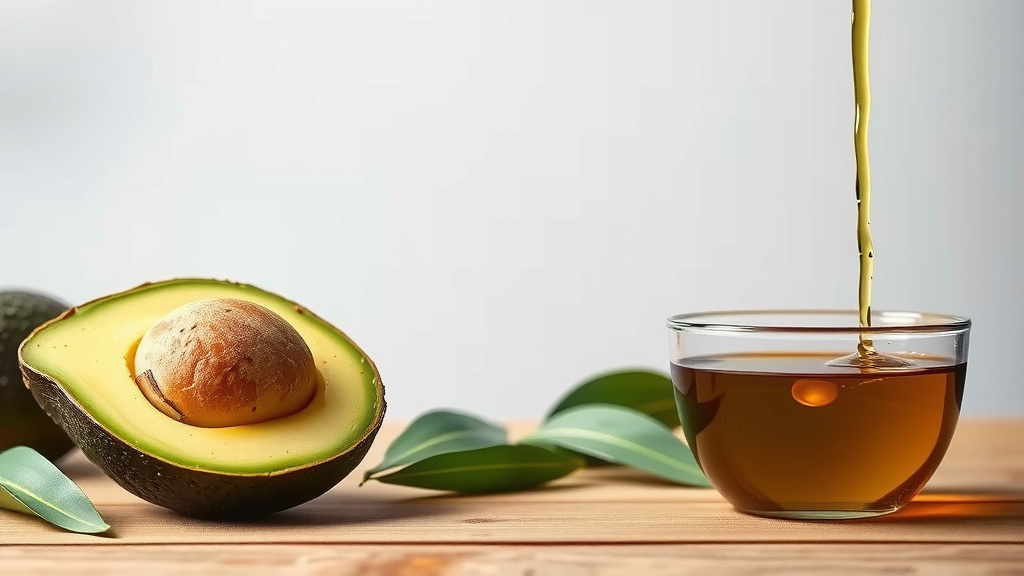
Avocado Oil vs Olive Oil: Which is Best for High Heat
When comparing avocado oil vs olive oil for cooking temperatures, avocado oil has a higher smoke point. This means it can handle hotter cooking methods without breaking down. Olive oil, especially extra virgin, is best for lower heat cooking or finishing dishes. You want to use the right oil for the job to get the best flavor and avoid burnt tastes.
Choosing between avocado oil and olive oil often comes down to what you’re making. Avocado oil is a fantastic choice for high-heat searing or frying. Its neutral flavor makes it versatile for many recipes. Olive oil offers a richer flavor but is more delicate. Many cooks find using both oils wisely is key to a delicious meal.
- Avocado oil has a higher smoke point than olive oil.
- Use avocado oil for high-heat cooking like searing and frying.
- Olive oil is better suited for lower heat cooking or dressings.
- Extra virgin olive oil has the lowest smoke point of the olive oils.
- The right oil choice affects flavor and cooking results.
Let’s break down the temperature differences and which oil works best for your kitchen adventures.
Cooking Oils: Understanding Temperature and Smoke Points
When you’re in the kitchen, picking the right cooking oil can make a big difference. You want your food to taste delicious, not burnt and bitter. The key often lies in understanding how hot an oil can get before it starts to smoke and break down. This point is called the “smoke point.”
We’ve all seen that tell-tale wisp of smoke rising from a hot pan. That’s your oil telling you it’s had enough. Using an oil past its smoke point not only ruins the flavor but can also release harmful compounds. That’s why knowing the smoke point of your cooking oils, like avocado and olive oil, is so important. It helps you choose the right oil for the right cooking method, ensuring great results every time.
The Science Behind Oil Smoke Points
So, what exactly makes one oil smoke at a lower temperature than another? It boils down to the oil’s composition. Oils are made of fatty acids. These acids can be saturated, monounsaturated, or polyunsaturated. The more polyunsaturated fats an oil has, the lower its smoke point tends to be. These fats are less stable and break down more easily when heated.
Saturated and monounsaturated fats are more stable. They can handle higher temperatures before they start to degrade. This is why oils rich in these fats, like avocado oil, often have higher smoke points. Understanding this basic chemistry helps you make smarter cooking choices.
Refined vs. Unrefined Oils: A Key Difference
Beyond the type of fat, how an oil is processed plays a huge role. Unrefined oils, like extra virgin olive oil, are less processed. They retain more of their natural compounds, including flavors and nutrients. However, these compounds can also lower the smoke point. They might contain small particles that burn easily.
Refined oils, on the other hand, go through more processing. This often involves filtering and heating to remove impurities. While this can strip away some flavor and nutrients, it also raises the smoke point. This makes refined oils more suitable for high-heat cooking. For example, refined avocado oil or regular olive oil (not extra virgin) will have higher smoke points than their unrefined counterparts.
Avocado Oil: The High-Heat Champion
Avocado oil has gained popularity for its versatility, and a big part of that is its impressive smoke point. When you’re looking for an oil that can stand up to serious heat, avocado oil is a fantastic choice. It’s a real workhorse in the kitchen for those times when you need things to sizzle.
What’s Avocado Oil’s Smoke Point?
We found that refined avocado oil typically has a smoke point of around **500-520°F (260-271°C)**. This is exceptionally high compared to many other cooking oils. Even unrefined avocado oil, while slightly lower, still boasts a respectable smoke point of about 375°F (190°C). This makes it suitable for a wide range of cooking methods.
When to Reach for Avocado Oil
Because of its high smoke point, avocado oil shines in recipes that require high temperatures. Think searing steaks, pan-frying chicken, or even deep-frying. Its neutral flavor is another huge plus. It won’t impart a strong taste to your food, allowing the natural flavors of your ingredients to come through.
You can confidently use avocado oil for:
- Searing meats and vegetables
- Stir-frying
- Roasting at high temperatures
- Baking where a neutral flavor is desired
- Air frying
It’s a reliable option when you want consistent results and don’t want to worry about your oil smoking out. Many culinary experts recommend it for these very reasons (Food & Wine Magazine).
Olive Oil: A Flavorful Choice for Lower Heat
Olive oil is a staple in many kitchens, loved for its rich flavor and health benefits. However, when comparing it to avocado oil for temperature, it’s important to understand its limitations, especially extra virgin olive oil.
Understanding Olive Oil’s Smoke Points
Olive oil smoke points vary quite a bit depending on its refinement. This is where things can get a little tricky. We found that:
- Extra Virgin Olive Oil (EVOO): This is the least processed form. It has a beautiful flavor and aroma but a lower smoke point, typically around **325-375°F (163-190°C)**.
- Pure/Regular Olive Oil: This oil is a blend of refined and virgin olive oils. It has a higher smoke point than EVOO, usually around **390-410°F (199-210°C)**.
- Light Olive Oil: Despite the name, “light” refers to flavor and color, not calories. This is a highly refined olive oil with a smoke point similar to regular olive oil, around **410-470°F (210-243°C)**.
Best Uses for Olive Oil
Given these smoke points, extra virgin olive oil is best used for lower-heat cooking or as a finishing oil. Its delicate flavor is a wonderful addition to salad dressings, drizzled over pasta, or used for sautéing vegetables at a moderate temperature. You want to preserve that lovely taste!
Pure or light olive oil can be used for more moderate-heat cooking. Think gentle pan-frying or roasting at lower temperatures where you might still want a hint of olive flavor. However, even these are generally not the best choice for high-heat searing or deep-frying.
Why is this important? Using EVOO for high-heat cooking can lead to a bitter taste and a smoky kitchen. We found that many home cooks overlook this difference, leading to less-than-ideal cooking outcomes.
Comparing Avocado Oil and Olive Oil Head-to-Head
Let’s lay it out simply. When your recipe calls for high heat, avocado oil is usually the winner. If you’re looking for flavor and using lower heat, olive oil often takes the prize. It’s not about one being “better,” but rather choosing the right tool for the job.
Here’s a quick rundown:
| Oil Type | Typical Smoke Point (°F) | Typical Smoke Point (°C) | Best For | Flavor Profile |
|---|---|---|---|---|
| Refined Avocado Oil | 500-520°F | 260-271°C | High-heat searing, frying, roasting | Neutral |
| Extra Virgin Olive Oil (EVOO) | 325-375°F | 163-190°C | Dressings, low-heat sautéing, finishing | Fruity, peppery, robust |
| Pure/Regular Olive Oil | 390-410°F | 199-210°C | Moderate sautéing, baking | Mild olive flavor |
| Light Olive Oil | 410-470°F | 210-243°C | Moderate sautéing, baking | Very mild |
As you can see, avocado oil offers a much higher heat tolerance, making it incredibly versatile for almost any cooking method. Olive oil, especially extra virgin, is more delicate. It’s best treated with care to preserve its wonderful flavor.
When Does it Really Matter?
If you’re just gently warming some vegetables over medium-low heat, the difference might not be noticeable. However, if you’re trying to get a perfect sear on a steak or making crispy fried chicken, the oil’s smoke point becomes critical. Using an oil that can handle the heat prevents the unpleasant taste that comes from burnt oil.
We found that even experienced cooks sometimes reach for the wrong oil. It’s easy to grab the bottle you use most often. But taking a moment to consider the heat level needed can really upgrade your cooking. It’s a simple step that leads to significantly better food.
Making the Smart Oil Choice for Your Kitchen
So, how do you decide which oil to use? Think about your recipe and the cooking temperature required. Do you need an oil that can handle a screaming hot pan, or are you making a delicate vinaigrette? Your answer will guide you to the right bottle.
Consider these points for your next meal:
- Is searing or high-heat frying on the menu? Reach for avocado oil.
- Are you making a salad dressing or a pesto? Use extra virgin olive oil.
- Does your recipe involve moderate heat and you want a mild olive flavor? Pure or light olive oil is a good pick.
- Do you want an oil for almost everything? Avocado oil’s neutrality and high smoke point make it a fantastic all-rounder.
- Are you baking and want to avoid a strong oil flavor? Avocado oil or a light olive oil works well.
Having both avocado oil and a good quality olive oil (like extra virgin) in your pantry will cover most of your cooking needs. It’s about building a toolkit that allows you to be flexible and successful in the kitchen. Happy cooking!
Conclusion
You’ve learned that avocado oil and olive oil are fantastic in the kitchen, but for different reasons. Avocado oil is your go-to for high heat, with a smoke point that handles searing, frying, and roasting with ease. Its neutral flavor makes it super versatile. Olive oil, especially extra virgin, shines with its rich flavor at lower temperatures, perfect for dressings, sautéing, and finishing dishes.
Making the right oil choice prevents burnt flavors and ensures your food tastes its best. Now you can confidently pick the perfect oil for any cooking task. Stock your pantry with both and get ready to impress yourself (and anyone else!) with your delicious meals!
Frequently Asked Questions
Can I use extra virgin olive oil for high-heat cooking?
Generally, it’s best to avoid using extra virgin olive oil for high-heat cooking like searing or deep-frying. Its smoke point is quite low, and heating it too high can cause it to break down, producing a bitter taste and smoke.
Which oil is healthier for cooking, avocado or olive oil?
Both avocado oil and olive oil offer health benefits. Olive oil, particularly extra virgin, is rich in monounsaturated fats and antioxidants. Avocado oil also contains healthy monounsaturated fats and vitamin E. Your best bet is to use them appropriately based on cooking temperature to retain their benefits.
Is refined avocado oil better than extra virgin olive oil for frying?
Yes, refined avocado oil is a much better choice for frying than extra virgin olive oil. Its very high smoke point allows it to withstand the intense heat of frying without breaking down, which prevents off-flavors and potential harmful compounds.
What happens if I heat olive oil past its smoke point?
When you heat olive oil past its smoke point, it begins to break down. This process not only releases unpleasant, smoky odors and bitter flavors into your food but can also create harmful compounds.
Can I substitute avocado oil for olive oil in a salad dressing?
You can, but it will change the flavor profile. Avocado oil has a neutral taste, while olive oil, especially extra virgin, provides a distinct fruity or peppery flavor that is often desired in dressings. For a flavor similar to olive oil, you might want to stick with olive oil for your vinaigrettes.

![7 Best Italian Olive Oil For Dipping Bread [2026]](https://bestpureessentialoils.com/wp-content/uploads/2026/08/7-best-italian-olive-oil-for-dipping-bread-2026-featured-768x432.jpg)
![7 Best High Heat Olive Oil [2026]](https://bestpureessentialoils.com/wp-content/uploads/2026/08/7-best-high-heat-olive-oil-2026-featured-768x432.jpg)
![7 Best Extra Virgin Olive Oil From California [2026]](https://bestpureessentialoils.com/wp-content/uploads/2026/08/7-best-extra-virgin-olive-oil-from-california-2026-featured-768x432.jpg)
One Comment