How Long Is Olive Oil Good After Expiration Date
You’re probably wondering: how long after the expiration date is olive oil good? The good news is that properly stored olive oil can remain usable for at least 1-2 years past its best-by date. While it might not be as potent, it’s rarely unsafe to consume if it hasn’t gone rancid.
Think of that “expiration date” as more of a “best quality” indicator. Over time, olive oil’s flavor and aroma will degrade. Heat, light, and air are its main enemies. Knowing how to store it properly is key to extending its life and enjoying its benefits.
- Olive oil is generally good for 1-2 years past its best-by date.
- The date is more about peak flavor than safety.
- Proper storage is essential for longevity.
- Look for signs of rancidity before using older oil.
Let’s get into the nitty-gritty of how to tell if your olive oil is still good to go and how to maximize its lifespan.
“`htmlHow Long Can Olive Oil Last Past the Expiration Date?
So, you found a bottle of olive oil in the back of your pantry. You check the date and it’s a little… fuzzy. You’re wondering, “Is this still good?” We’ve all been there! The good news is, your olive oil likely hasn’t gone bad simply because the “best by” date has passed. Think of that date as a suggestion for peak freshness, not a hard and fast rule for spoilage.
Many sources suggest that properly stored olive oil can remain perfectly good to use for at least 1-2 years beyond its printed date. It might not have that vibrant, fresh taste it did when you first bought it, but it’s usually still safe and useful for cooking. The key here is *properly stored*. That makes all the difference.
Understanding the Olive Oil Expiration Date
Olive oil doesn’t really “expire” in the way milk or yogurt does, where it becomes unsafe to eat. Instead, it degrades. This degradation affects its flavor, aroma, and nutritional potency. The “best by” date, often printed on the bottle, is really about the point at which the manufacturer guarantees the oil will have its optimal flavor and quality. After that date, the taste might become dull or even unpleasant.
Factors Affecting Olive Oil’s Shelf Life
Several enemies can speed up the degradation of your olive oil, even before its printed date. The biggest culprits are heat, light, and air. These elements cause oxidation, which is what leads to that rancid, off-putting smell and taste.
- Heat: Storing olive oil near a stove, oven, or in a sunny spot can rapidly degrade its quality.
- Light: Exposure to direct sunlight or even bright fluorescent lights can break down the oil’s compounds.
- Air: Every time you open the bottle, air gets in, contributing to oxidation.
What Happens When Olive Oil Goes Bad?
When olive oil goes rancid, it’s not harmful to eat in small amounts, but it certainly won’t taste good. You might notice a change in its smell, often described as waxy, crayon-like, or even a bit like stale nuts. The taste can also be bitter or sour. Using rancid oil can also diminish the health benefits it offers. Many experts agree that olive oil loses its beneficial polyphenols over time (NCBI).
Testing Your Olive Oil for Freshness
Before you toss that older bottle, give it a quick sniff and taste test. These are the most reliable ways to determine if it’s still good.
The Smell Test
Twist off the cap and take a good whiff. Fresh olive oil has a fruity, sometimes peppery or grassy aroma. If it smells unpleasant, like old crayons, stale nuts, or just generally “off,” it’s probably time to let it go. A neutral smell is generally okay, but a bad smell is a clear indicator.
The Taste Test
If the smell test passes, pour a tiny bit into a spoon and taste it. Fresh olive oil might have a slightly peppery finish or a pleasant grassy note. If it tastes bitter, sour, or just bland and unpleasant, it has likely lost its quality. Remember, a rancid taste is quite distinct and not something you’ll want in your dishes.
Visual Clues (Less Reliable)
While not a definitive test, you might notice some visual changes. If the oil looks cloudy or has visible sediment at the bottom, it might be older. However, some high-quality, unfiltered olive oils can naturally appear cloudy, so this isn’t a foolproof method on its own.
Maximizing Your Olive Oil’s Lifespan
Want to keep your olive oil tasting great for as long as possible? Proper storage is your best friend. It’s simple and makes a huge difference.
Choose the Right Storage Location
The ideal spot for olive oil is a cool, dark place. Think inside a pantry or a kitchen cabinet, away from the stove or any windows that get direct sun. The temperature should be consistently cool, but not freezing. Room temperature is generally fine, as long as it’s stable and not too warm.
Keep it Sealed Tightly
Air is the enemy of olive oil. Always make sure the cap or stopper is screwed on tightly after each use. If you decant your oil into a different container, ensure that container has an airtight seal.
Consider the Container Type
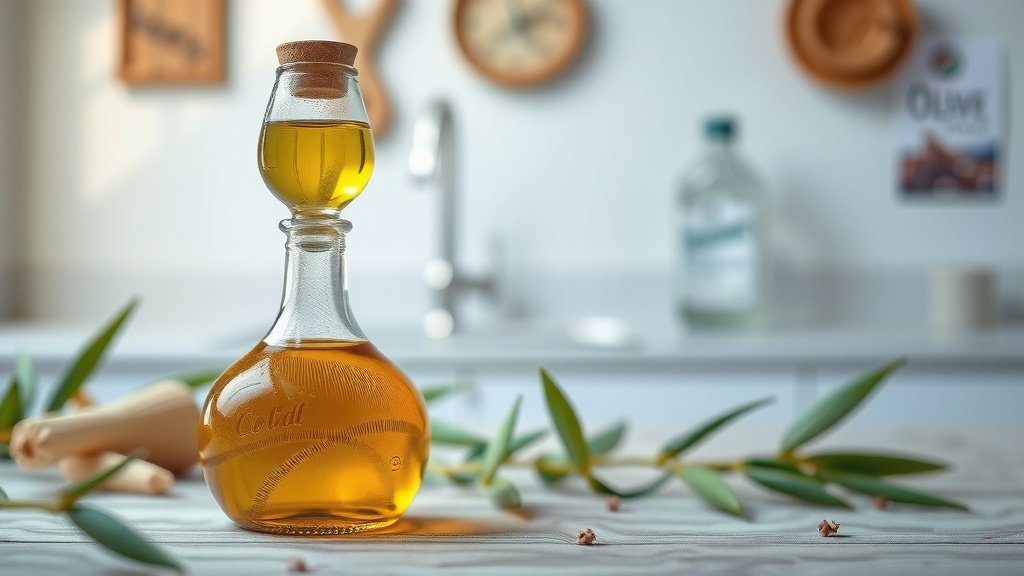
Dark glass bottles or opaque containers are best for olive oil. They protect the oil from light. Clear glass bottles might look nice on your counter, but they expose the oil to light more readily, speeding up degradation. Many manufacturers use dark green or brown bottles for this reason.
Buy What You’ll Use
It might seem obvious, but buying smaller bottles more frequently ensures you’re using the oil while it’s at its freshest. If you only cook with olive oil occasionally, a large, family-sized jug might not be the best choice unless you have a plan to use it up within a year or so of opening.
Small, Frequent Purchases are Key
To ensure you always have good quality oil on hand, consider buying smaller bottles more often. This strategy means you’re more likely to use the oil within its prime freshness period. It prevents that situation where you discover an ancient, forgotten bottle!
When It’s Time to Say Goodbye
While olive oil is forgiving, there’s a point where it’s just not worth using. If your oil has passed the smell and taste tests with flying colors, great! But if it smells or tastes rancid, bitter, or just plain “off,” it’s time to let it go. Don’t force yourself to cook with oil that will make your food taste bad. It’s a simple waste of good ingredients.
Recycling or Repurposing Old Olive Oil
Don’t just pour it down the drain, especially if you’re on a septic system, as oil can cause clogs. If it’s not too rancid, you might be able to use it for non-culinary purposes. Some people use old olive oil to polish wood furniture, condition leather goods, or even as a lubricant for squeaky hinges.
Here’s a quick checklist to help you out:
- Sniff Test: Does it smell fruity or pleasant?
- Taste Test: Does it taste fresh, or bitter/sour?
- Storage Check: Was it stored in a cool, dark place?
- Container: Is it in a dark or opaque bottle?
- Purchase Habit: Do you buy smaller bottles frequently?
- Date Awareness: Is it within 1-2 years past the best-by date?
Conclusion
So, you’ve learned that your olive oil isn’t ruined just because the “best by” date has passed. It’s usually good for 1-2 years beyond that date, with flavor being the main thing that suffers. The secret to its longevity lies in proper storage: keep it cool, dark, and tightly sealed to fight off heat, light, and air. Before you toss that older bottle, always trust your senses – a quick sniff and taste test are your best indicators of freshness. Your next step? Check your pantry and give your olive oil a quality check!
Frequently Asked Questions
Can I use olive oil if it’s 3 years past the expiration date?
If your olive oil is 3 years past its best-by date, it’s probably still safe to use if it passes the smell and taste tests. However, its flavor and aroma will likely be significantly diminished. For the best taste in your cooking, it’s generally recommended to use it within 1-2 years past the date.
Does clear glass bottle affect olive oil shelf life?
Yes, a clear glass bottle can negatively affect your olive oil’s shelf life. Clear glass offers little protection from light, which is a major enemy of olive oil. Exposure to light speeds up oxidation, causing the oil to degrade faster and lose its flavor and nutritional properties.
What does rancid olive oil smell like?
Rancid olive oil often has an unpleasant smell. You might describe it as smelling like old crayons, stale nuts, or a waxy scent. Fresh olive oil typically smells fruity, grassy, or peppery, so any off-putting odor is a clear sign it has gone bad.
Can I still cook with olive oil that’s lost its flavor?
You can still cook with olive oil that has lost its flavor, especially if it hasn’t gone rancid. It just won’t add that vibrant, fresh taste to your dishes. It’s perfectly fine for general cooking purposes like sautéing or baking where the oil’s flavor isn’t the star, but you’ll miss out on the nuances of good quality oil.
How should I store olive oil to make it last longer?
To make your olive oil last longer, store it in a cool, dark place like a pantry or cabinet, away from heat sources and direct sunlight. Always keep the cap tightly sealed to prevent air from getting in, which causes oxidation. Opt for dark glass bottles or opaque containers when possible.

![7 Best Greek Olive Oil Soap [2026]](https://bestpureessentialoils.com/wp-content/uploads/2026/08/7-best-greek-olive-oil-soap-2026-featured-768x432.jpg)