Avocado Mayo vs Olive Oil Mayo: Which Healthy Spread Tastes Better?
If you’re standing in the condiment aisle at your local grocery store, staring at rows of mayonnaise options, you’re probably wondering what all the fuss is about. Why are there suddenly so many alternatives to traditional mayo? And more importantly, which one should you actually be bringing home for your kitchen?
I’ve been there, confused by the endless choices. That’s why I decided to dive deep into the world of avocado mayo and olive oil mayo. Let me walk you through everything you need to know to make an informed decision that works for your taste buds and lifestyle.
Understanding the Mayo Revolution
Mayonnaise has been a kitchen staple for centuries, but the traditional version made with soybean oil hasn’t exactly been winning any health awards lately. Consumers have started questioning what they’re actually putting on their sandwiches, and manufacturers have taken notice. The result? A wave of healthier alternatives that promise better ingredients without sacrificing that creamy, delicious taste we all love.
Think of it like the evolution of milk. Just as we now have almond milk, oat milk, and coconut milk alongside regular dairy milk, mayo has undergone its own transformation. The two biggest players in this health-conscious revolution are avocado mayo and olive oil mayo, and they’re seriously challenging what we thought we knew about this beloved condiment.
What Makes Avocado Mayo Different?
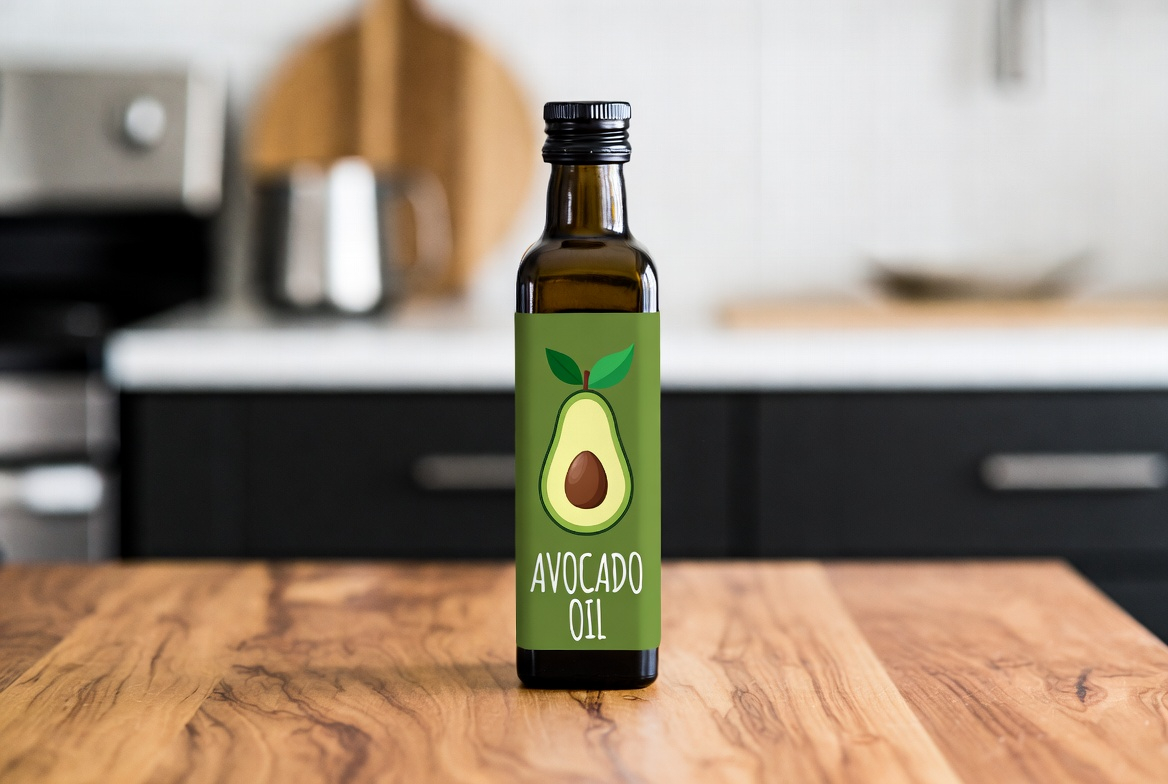
Avocado mayo is exactly what it sounds like—mayonnaise made with avocado oil instead of the traditional vegetable oils. But here’s where it gets interesting. Avocado oil isn’t just slapped into the recipe as a simple one-to-one swap. It brings its own unique profile to the table.
The Nutritional Profile of Avocado Mayo
Avocado oil is packed with monounsaturated fats, the same type of healthy fat found in avocados themselves. This means when you’re using avocado mayo, you’re getting fatty acids that your body actually needs and can use effectively. It’s rich in oleic acid, which has been linked to reduced inflammation and better heart health.
But that’s not all. Avocado oil contains vitamin E, a powerful antioxidant that helps protect your cells from damage. It also has a higher smoke point than olive oil, making it more stable when exposed to heat. This matters if you’re using mayo in cooking, not just as a spread.
How Does Avocado Mayo Taste?
Here’s something that often surprises people: avocado mayo tastes remarkably similar to traditional mayo. You won’t get a strong avocado flavor, despite what the name might suggest. Instead, you get a creamy, slightly nutty taste that’s actually quite subtle. Some people describe it as having a richer mouthfeel than standard mayo, which comes from those healthy fats.
The flavor is clean and doesn’t overpower other ingredients. If you’re worried about your BLT suddenly tasting like guacamole, don’t be. You’ll barely notice the difference in a sandwich, which is actually a huge advantage for those transitioning to healthier mayo options.
Common Brands and Availability
Avocado mayo has become increasingly easy to find. Brands like Chosen Foods and Primal Kitchen have really dominated this market space. You’ll find them in most mainstream grocery stores now, though they’re usually positioned in the natural or health food section rather than with traditional condiments. Online ordering is also readily available if your local store doesn’t stock them.
Exploring Olive Oil Mayo
Olive oil mayo represents a slightly different approach to the mayo revolution. Instead of using avocado oil, producers use extra virgin olive oil as the base. This connects mayo to the Mediterranean diet, which has been celebrated for decades as one of the healthiest eating patterns in the world.
The Nutritional Advantages of Olive Oil Mayo
Olive oil, particularly extra virgin olive oil, is legendary in nutritional circles. It’s full of polyphenols, which are plant compounds with anti-inflammatory and antioxidant properties. When you eat olive oil mayo, you’re getting a dose of these beneficial compounds alongside your condiment.
Like avocado oil, olive oil is predominantly composed of monounsaturated fats. However, olive oil brings something extra to the party: it has a lower omega-6 to omega-3 ratio than many other oils, which is important for maintaining proper inflammation balance in your body. Studies have linked olive oil consumption to improved cardiovascular health, better brain function, and even potential cancer-fighting properties.
The downside? Olive oil has a lower smoke point than avocado oil. This means if you’re planning to use mayo in hot dishes or cooking applications, olive oil mayo might not be your best choice.
The Taste Profile of Olive Oil Mayo
Now here’s where things get interesting. Olive oil mayo definitely tastes different from traditional mayo, and some people love that while others find it takes some adjustment. The flavor is more pronounced and earthy. You’ll actually taste the olive oil, especially if the brand uses a high-quality extra virgin option.
Think of it like this: it’s the difference between plain white bread and artisan sourdough. Both are bread, but one has much more character and complexity. Some people find this flavor enhancement amazing on Mediterranean-inspired dishes, while others prefer the subtlety they’re used to.
The creamy texture is typically very similar to traditional mayo, so that won’t be a shock to your palate. It’s really the flavor that makes the difference here.
Finding Olive Oil Mayo Products
Olive oil mayo is becoming more accessible, though it’s slightly less prevalent than avocado mayo in many areas. Brands like Sabra and various Mediterranean and European manufacturers produce quality versions. You might have better luck finding these in specialty stores, international sections, or online retailers if your regular grocery store doesn’t carry them.
Head-to-Head Nutritional Comparison
Let’s get specific about how these two options stack up nutritionally. In a typical serving of two tablespoons, both avocado and olive oil mayos hover around 190 to 200 calories. The fat content is similar too, usually around 20 grams per serving.
The real differences lie in the micronutrients. Avocado mayo tends to have more vitamin E and lutein, which supports eye health. Olive oil mayo brings more polyphenols and compounds specifically associated with the Mediterranean diet. Neither has more protein or significant carbohydrates.
If you’re watching sodium, both options are comparable to traditional mayo, usually containing around 140-180 mg per serving. Neither is a significant source of fiber, vitamins, or minerals compared to whole foods, but that’s not really what mayo is designed to be.
Taste Test Showdown: Real-World Applications
On Classic Sandwiches
Here’s where you’ll notice the differences most clearly. On a simple turkey and tomato sandwich, avocado mayo practically disappears into the background. You get all the creaminess without any flavor distraction. Olive oil mayo, by contrast, asserts itself a bit more. You’ll taste it alongside your turkey and tomato.
Which is better? That depends entirely on what you want. If you like your sandwich ingredients to shine, avocado mayo won’t interfere. If you enjoy complex, layered flavors, olive oil mayo might be your match.
In Salad Dressings
Mix either of these with lemon juice and garlic, and you’ve got a fantastic salad dressing. Olive oil mayo is particularly brilliant here because that olive oil flavor actually complements Mediterranean vegetables beautifully. It’s like you’ve stumbled into a quaint Italian village restaurant.
Avocado mayo in a dressing is more subtle, providing creaminess without overwhelming the greens. It’s the reliable friend who shows up and makes everything better without demanding attention.
As a Dip
For vegetable dips or serving alongside chips, avocado mayo excels. Its neutral taste means it won’t clash with whatever seasonings or additions you make. Olive oil mayo dips work too, but that olive oil presence means you really need to think about your flavor combinations. It’s more demanding in that way.
Price Comparison: What Will You Actually Pay?
Let’s talk money, because this matters when you’re stocking your pantry. Traditional soybean oil mayo costs around three to four dollars for a jar. Avocado mayo typically runs seven to ten dollars for a similar-sized jar. Olive oil mayo falls somewhere in between, usually around six to nine dollars.
That might seem like a significant jump, but consider that these alternatives often use higher-quality ingredients overall. You’re paying for better oils, and sometimes for organic certification too. Whether that premium is worth it depends on your budget and how seriously you take condiment quality—and hey, no judgment if mayo isn’t a priority in your spending!
Health Claims: What’s Actually True?
Marketing departments love to tout health benefits, and mayo producers are no exception. But let’s be real: mayo is still mayo. Even the healthiest version isn’t a health food you should eat by the spoonful.
That said, the oils used in these alternatives are genuinely better for you than soybean oil. The monounsaturated fats in avocado and olive oil do have proven health benefits. The antioxidants in these oils are legitimate. What you’re getting is a better vehicle for mayo rather than a magical health potion.
If you’re already eating mayo regularly, switching to avocado or olive oil mayo is a smart upgrade. But the mayo isn’t what’s making you healthy—your overall diet is. These alternatives just make that diet slightly better without forcing you to give up the condiments you love.
Dietary Considerations and Restrictions
Both avocado and olive oil mayos are naturally vegan and dairy-free, though you should always check labels because some brands add different ingredients. They’re generally keto-friendly too, given that they’re mostly fat and contain minimal carbs.
If you have a tree nut allergy, both of these are safe. They’re also naturally gluten-free, making them suitable for celiac diets. However, cross-contamination is always a possibility during manufacturing, so if you have severe allergies, read those labels carefully.
Storage and Shelf Life
Here’s something that surprises people: olive oil mayo might have a shorter shelf life than avocado mayo. Extra virgin olive oil can become rancid over time, especially once opened. Most producers recommend using olive oil mayo within a few months of opening.
Avocado mayo tends to keep slightly longer because avocado oil is more stable. However, both should be refrigerated after opening, just like traditional mayo. An unopened jar typically stays good for over a year in your pantry.
Cooking with These Mayos
If you use mayo in cooking, avocado mayo is your safer bet. Its higher smoke point makes it suitable for low to medium heat cooking applications. You can use it in baked goods, mixed into warm dishes, or even lightly sautéed items.
Olive oil mayo is better reserved for cold applications or as a finishing touch to warm dishes. Heating extra virgin olive oil extensively can damage some of its beneficial compounds, so it’s best used where it won’t be exposed to significant heat.
Environmental and Ethical Considerations
Both avocado and olive oil production have environmental impacts. Avocado farming has been associated with deforestation in some regions and high water usage. Olive oil production is generally considered more sustainable, though it varies by region and farming practices.
If environmental impact matters to you, research specific brands. Some producers prioritize sustainable farming and ethical sourcing. You might pay a bit more, but you’ll know your condiment choices align with your values.
Making Your Decision: Which Should You Choose?
So after all this analysis, which one should you actually buy? Here’s my honest take: it depends on your specific situation.
Choose avocado mayo if you want a neutral-flavored alternative that doesn’t change the taste profile of your favorite foods. It’s perfect if you’re a traditionalist at heart but want the health upgrade. It’s also better if you like to cook with your mayo.
Choose olive oil mayo if you appreciate bold, complex flavors and enjoy Mediterranean cuisine. If you want the maximum antioxidant benefit and don’t mind a more pronounced taste, this is your match. Use it in salads, dressings, and Mediterranean-inspired dishes.
Honestly? You could do both. Buy the avocado mayo for everyday sandwiches and neutral applications. Keep the olive oil mayo for when you want to add that extra flavor dimension. Your taste buds and your body will thank you.
Conclusion
The debate between avocado mayo and olive oil mayo isn’t about finding an absolute winner. It’s about understanding your preferences and making an informed choice that fits your lifestyle. Both represent significant improvements over traditional soybean oil-based mayonnaise, offering better fats, more antioxidants, and a path toward healthier eating without sacrifice.
Avocado mayo shines with its neutrality and versatility, making it perfect for those seeking a seamless upgrade to their current mayo routine. Olive oil mayo brings Mediterranean nutrition and sophisticated flavor, appealing to those who want their condiments to contribute to their culinary experience.
The real winner here is you, the consumer, who now has better options than ever before. Start with one, try the other, and don’t be afraid to keep both in your refrigerator. Your sandwiches, salads, and overall health are worth the small investment in quality condiments.
Frequently Asked Questions
Is avocado mayo really healthier than traditional mayo?
Avocado mayo uses a better quality oil with more beneficial monounsaturated fats and antioxidants compared to soybean oil. While it’s not a health food in itself, it’s definitely a smarter choice if you’re already using mayo regularly. The upgrade is real, but remember that mayo should still be used in moderation as part of a balanced diet.
Can I taste the difference between avocado and olive oil mayo?
Yes, but it depends on the application. Avocado mayo is quite subtle and tastes similar to traditional mayo. Olive oil mayo has a more pronounced, earthy flavor that you’ll definitely notice, especially in simple dishes. The difference is much less noticeable in complex recipes with multiple ingredients.
Which mayo is better for people with dietary restrictions?
Both avocado and olive oil mayos are naturally vegan, dairy-free, gluten-free, and suitable for keto diets, though always check specific labels. If you have tree nut allergies or other concerns, verify the ingredients since manufacturers can vary in their processes and added ingredients.
Do these healthier mayos expire faster than regular mayo?
Olive oil mayo may have a slightly shorter shelf life due to the nature of extra virgin olive oil, while avocado mayo is reasonably stable. Both should be refrigerated after opening and typically last several months. An unopened jar of either variety usually stays good for at least a year in your pantry.
Is the price difference worth it?
That’s a personal decision based on your budget and priorities. The premium price reflects better quality ingredients with genuine health benefits. If you use mayo frequently and care about nutrition, the upgrade is worthwhile. If mayo is an occasional condiment in your diet, you might skip the premium options.
“`



![7 Best Extra Virgin Olive Oil For Health And Weight Loss [2026]](https://bestpureessentialoils.com/wp-content/uploads/2026/08/7-best-extra-virgin-olive-oil-for-health-and-weight-loss-2026-featured-768x432.jpg)