Olive Oil vs Butter in Baking: Which is Best
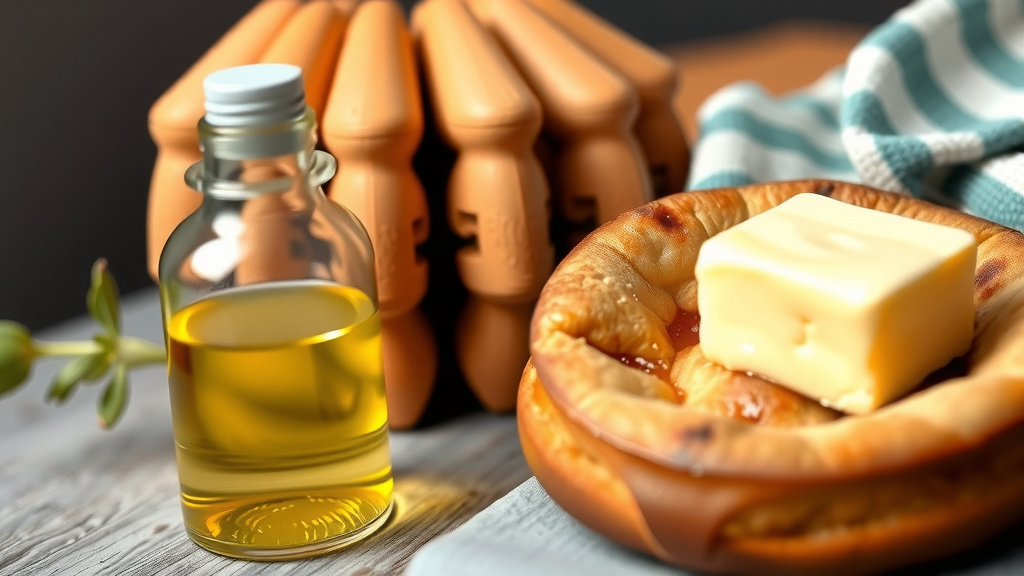
When baking, you can often swap butter for olive oil, but the results will differ. Olive oil can create a lighter, crispier texture in baked goods, while butter typically yields a richer, more tender crumb. For a direct replacement, consider using 7/8 cup of olive oil for every cup of butter called for in your recipe.
Choosing between these fats impacts flavor and texture significantly. Butter offers a classic, creamy taste many associate with baked treats. Olive oil, especially extra virgin varieties, can introduce a distinct, sometimes fruity or peppery, flavor. Understanding these differences helps you achieve your desired baking outcome.
- Butter gives a rich, tender baked texture.
- Olive oil can make baked goods lighter and crispier.
- You can often substitute olive oil for butter, usually with less oil.
- Flavor profiles will change depending on the oil you use.
- Consider your recipe’s goals when making the switch.
Let’s dive into the tasty details of baking with olive oil versus butter so you can bake with confidence.
Butter vs. Olive Oil: Which Fat is Best for Your Baking?
So, you’re standing in front of your pantry, recipe in hand, and you hit a fork in the road: butter or olive oil? This is a common baking dilemma. Both fats can be delicious, but they bring different qualities to your baked goods. Let’s figure out which one is the star for your next bake.
Understanding the Role of Fat in Baking
Fat is the unsung hero in many baked recipes. It’s not just about flavor; it plays a huge role in texture. Think about how fat coats flour particles. This coating prevents gluten from forming too much. That’s how you get a tender crumb instead of a tough one.
Fat also adds moisture and richness. It helps create that delightful melt-in-your-mouth feeling. Different fats have different melting points and water content. This means they affect your baked goods in unique ways. It’s why a buttery shortbread is different from a cake made with oil.
Butter: The Classic Choice for Richness
Butter is often the default for many bakers. It’s made from cream and contains about 80-82% fat. The rest is mostly water and milk solids. These milk solids are what give butter its characteristic flavor and color. They also contribute to browning and can add a slightly nutty taste when caramelized.
The Texture Butter Brings
Butter’s solid state at room temperature is key. When you cream butter and sugar, you create tiny air pockets. These pockets expand in the oven, helping your baked goods rise. This process results in a light, airy, and often tender texture.
Butter also contributes a rich, creamy flavor that many people love. It’s a flavor we often associate with comfort foods and special treats. Think of flaky croissants or decadent cookies. Butter is usually the secret ingredient behind that classic taste and texture.
When Butter Shines Brightest
Butter is fantastic for recipes where a tender, soft crumb is the goal. It’s excellent in cakes, cookies, and pastries where that classic buttery flavor is desired. Many pie crusts rely on cold butter for flakiness. Its creamy mouthfeel is hard to replicate with other fats.
Olive Oil: The Lighter, Crispier Alternative
Olive oil, especially extra virgin olive oil (EVOO), is a liquid fat. It’s made from olives and is essentially 100% fat. This means it behaves differently in recipes. Because it’s liquid, it doesn’t create air pockets the same way butter does when creamed.
The Texture Olive Oil Brings
Olive oil tends to produce baked goods with a slightly chewier or crispier texture. Since it’s pure fat, it coats flour very effectively. This can lead to a tender crumb, but it’s often a less “fluffy” tenderness than butter provides. You might find your baked goods have a finer, more even crumb structure.
The flavor of olive oil is also a big factor. A good quality EVOO can add a fruity, peppery, or grassy note to your baking. This can be a wonderful addition to certain recipes, like muffins, quick breads, or even cakes. It can add a sophisticated layer of flavor.
When Olive Oil Is a Great Fit
Olive oil works wonders in recipes where a crispier edge is welcome. Think of certain cookies or crackers. It’s also great in quick breads and muffins, especially those with fruit or spice flavors that complement olive oil. It can make cakes moist without being heavy.
For healthier baking, olive oil is often favored. It’s a monounsaturated fat, which is considered a heart-healthy option (Mayo Clinic). Replacing butter with olive oil can reduce saturated fat intake.
Making the Switch: Practical Tips for Substitution
You’re ready to experiment! Swapping butter for olive oil can be straightforward, but it requires a little adjustment. The general rule of thumb is to use less olive oil than butter. This is because olive oil is 100% fat, while butter contains water and milk solids.
The Conversion Ratio
A good starting point for substitution is to use 7/8 cup of olive oil for every 1 cup of butter called for in a recipe. This means you’re using slightly less liquid by volume. You might even go down to 3/4 cup of olive oil depending on the recipe and your desired outcome.
Why the difference? Using the same amount of olive oil as butter can make your baked goods too greasy or dense. The excess fat can weigh down the structure. It’s like adding too much glue to a craft project; things can get messy!
Flavor Considerations
This is where it gets really interesting! The type of olive oil you use matters a lot. A robust, peppery EVOO will impart a noticeable flavor. This can be delicious in a savory muffin or a rosemary quick bread.
However, if you want a neutral flavor, a lighter, milder olive oil might be better. Some refined olive oils have a very neutral taste. Or, you might choose a butter-flavored olive oil if you want that classic taste with the properties of oil. Always taste your olive oil before using it in a recipe to gauge its flavor profile.
Adjusting for Texture
Remember that olive oil doesn’t cream like butter. If your recipe relies on creaming butter and sugar for leavening (like many cake recipes), you’ll need to compensate. You might need to add a bit more baking powder or baking soda to help with lift.
Also, be mindful of the final texture. If a recipe calls for creaming butter for a light and fluffy cake, substituting oil might result in a denser cake. This isn’t necessarily bad, just different. For cookies, olive oil can lead to a crispier edge and a chewier center.
When to Choose Which Fat: A Quick Guide
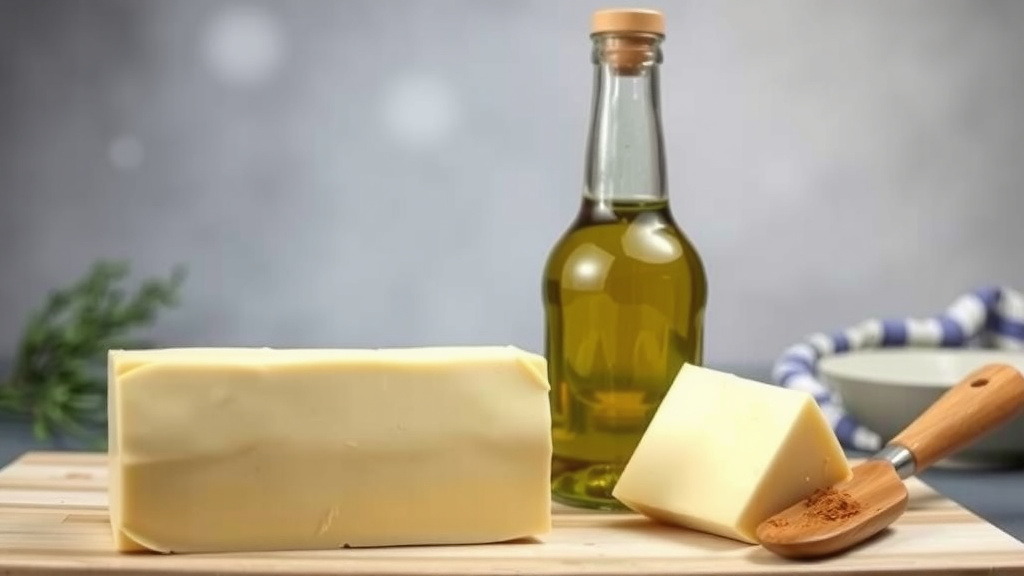
Making the right choice depends on what you want from your baked goods. Here’s a quick rundown to help you decide.
| Characteristic | Butter | Olive Oil |
|---|---|---|
| Fat Content | ~80-82% fat (rest is water/milk solids) | 100% fat |
| Typical Texture Result | Tender, soft, rich crumb; fluffy structure; flaky pastries | Crispier edges, chewier texture, finer crumb; moistness |
| Flavor Profile | Classic, creamy, rich, sometimes nutty | Varies widely: fruity, peppery, grassy, or neutral |
| Best For | Cakes, cookies, pastries, pie crusts where classic flavor and tender texture are key | Muffins, quick breads, some cookies, savory bakes, where crispiness or a unique flavor is desired |
| Substitution Ratio (Approximate) | 1 cup butter | 7/8 cup olive oil |
Your Baking Success Checklist
Ready to bake with confidence? Keep these points in mind:
- Know your recipe’s goal: Do you want super tender or delightfully crisp?
- Consider the flavor: Will olive oil’s flavor complement or clash?
- Measure carefully: Use the 7/8 cup rule as a starting point.
- Watch for texture changes: Expect a different mouthfeel.
- Adjust leavening if needed: Especially if creaming was key to the original recipe.
- Start simple: Try a recipe where the fat plays a supporting role first.
Conclusion
Choosing between butter and olive oil in your baking projects comes down to your desired outcome. Butter delivers that classic richness and tender crumb we all love, perfect for traditional cakes and pastries. Olive oil, on the other hand, can offer a lighter texture with delightful crispiness, and it brings its own unique flavor notes.
Remember the key substitution ratio: about 7/8 cup of olive oil for every cup of butter. Don’t be afraid to experiment! Start with recipes like muffins or quick breads where olive oil’s character can really shine. Your next delicious bake is just a swap away.
Frequently Asked Questions
Can I use olive oil in cakes instead of butter?
Yes, you can! Olive oil often makes cakes moist with a finer crumb. Because olive oil is pure fat, it doesn’t cream air like butter. You might need to add a bit more leavening like baking powder to help with lift for a fluffier cake.
Will my cookies taste like olive oil if I use it instead of butter?
It depends on the olive oil you choose. A robust extra virgin olive oil will impart a noticeable flavor, which can be delicious in certain cookie recipes. For a more neutral taste, opt for a lighter olive oil or a refined olive oil.
Is baking with olive oil healthier than baking with butter?
Olive oil is primarily monounsaturated fat, which is considered a heart-healthy choice. Butter contains more saturated fat. So, substituting olive oil can make your baked goods a slightly healthier option, but portion control is still key for any treat.
How much less olive oil should I use if I’m substituting it for butter?
A good starting point is to use about 7/8 cup of olive oil for every 1 cup of butter. Some bakers even reduce it slightly further to 3/4 cup, depending on the recipe and how moist they want the final product to be.
What kind of olive oil is best for baking?
For a neutral flavor, a light or refined olive oil is a good choice. If you want to add a unique flavor dimension, especially to savory baked goods like quick breads or cornbread, an extra virgin olive oil with fruity or peppery notes can be wonderful.

![7 Best Extra Virgin Olive Oil For Skin And Hair [2026]](https://bestpureessentialoils.com/wp-content/uploads/2026/08/7-best-extra-virgin-olive-oil-for-skin-and-hair-2026-featured-768x432.jpg)