
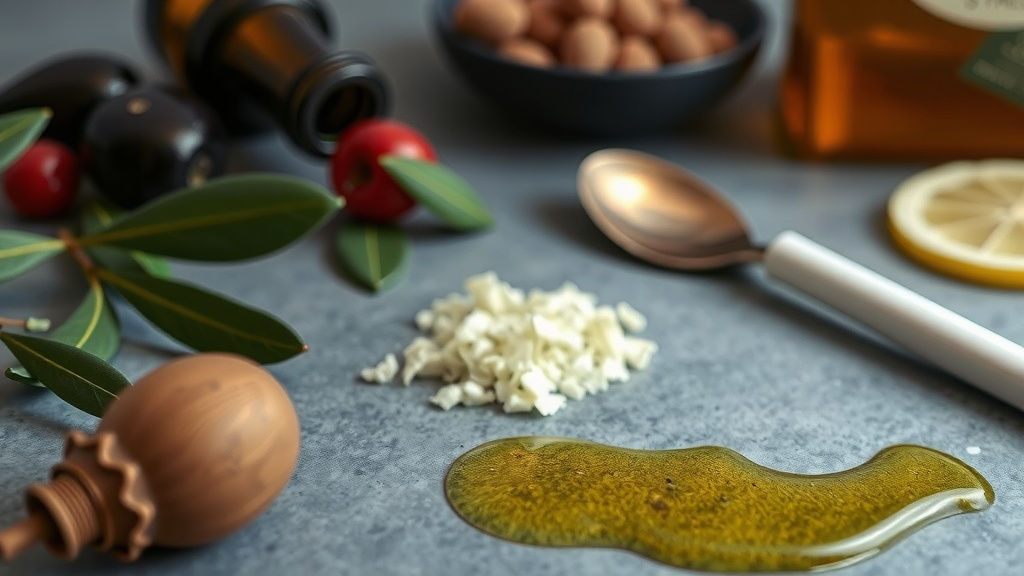
Beaten vs Pressed Olive Oil: What’s the Difference
When comparing olive oil production methods, cold-pressed olive oil generally offers superior quality and flavor compared to beaten olive oil. The primary difference lies in how the olives are processed after harvesting. Cold pressing uses mechanical methods at low temperatures, preserving delicate aromas and beneficial compounds. Beating, often involving heat or solvents, can degrade these elements.
Understanding these production techniques helps you choose the best olive oil for your needs. Cold-pressed oils are often labeled “extra virgin” or “virgin” and are prized for their vibrant taste and health benefits. While beaten methods might yield more oil, the compromise in quality is often noticeable to discerning palates and can affect the oil’s nutritional profile and overall purity.
- Cold-pressed olive oil is typically higher quality.
- Beating methods can reduce flavor and nutrients.
- Look for “extra virgin” or “virgin” for cold-pressed.
- Processing temperature greatly impacts olive oil quality.
Let’s dive deeper into the distinct processes of beaten versus cold-pressed olive oil so you can make the most informed choice for your kitchen.
Understanding How Olive Oil Gets to Your Plate
Ever wonder about the journey your olive oil takes? It’s more than just squeezing olives. The way olives are processed makes a big difference. We’ll look at the two main paths: beating and pressing. Knowing this helps you pick the best quality oil. You want to get the most flavor and health benefits, right?
The Traditional Beating Method
The beating method is an older way to get oil from olives. It often uses a type of grinder. These grinders smash the olives into a paste. Think of it like mashing potatoes, but with olives. This paste is then worked. The goal is to get the oil droplets to come together. It’s a bit like shaking a salad dressing until the oil and vinegar mix.
Sometimes, heat is applied during this beating stage. This heat helps the oil separate from the other parts of the olive. It can speed things up. It might also help extract more oil. However, high temperatures can damage delicate compounds. These compounds are what give olive oil its fresh taste and healthful properties. We’ll touch on why that matters soon.
The Cold-Pressed Approach
Cold-pressed is the modern favorite for quality. This method is all about keeping things cool. The olives are ground into a paste. Then, this paste is pressed. The key is that the temperature stays low. We’re talking below 27 degrees Celsius (or 80.6 degrees Fahrenheit). This is a standard set by many food organizations.
Why is staying cool so important? Think of it like baking a delicate cake. If you bake it too hot, the outside burns before the inside is done. Similarly, heat can degrade the olive oil’s natural goodness. Cold pressing preserves the natural flavors. It also keeps those beneficial compounds intact. This results in a fresher, more vibrant oil.
Comparing the Two: What’s the Real Difference?
So, how do these methods stack up? It really comes down to processing. Beating often involves more aggressive techniques. It might use heat or even sometimes chemical solvents to get more oil out. This can compromise the oil’s quality. Cold pressing uses simple mechanical force. It avoids high heat and chemicals.
The result you see in the bottle is different. Cold-pressed oils, especially those labeled “extra virgin,” tend to have a brighter, fruitier taste. They might have peppery notes or a grassy aroma. Beaten oils, if heat or solvents were used, can taste milder. They might even have a duller flavor. The color can also be affected.
Impact on Flavor and Aroma
Your taste buds will likely notice the difference. Cold pressing is designed to capture the essence of the olive fruit. The nuances of the varietal and where it was grown really shine through. You get that fresh, almost floral scent. You can taste hints of green apple or almond. It’s a sensory experience.
With beating methods, especially if heat is involved, these delicate notes can be lost. The oil might taste more neutral. It can lose that characteristic olive oil punch. It’s like comparing a freshly baked cookie to one that’s been reheated too many times. The freshness is just not there.
Nutritional Content and Health Benefits
This is where quality really counts. Olive oil is famous for its health perks. It’s packed with monounsaturated fats. It also contains antioxidants like polyphenols. These are powerful compounds that fight inflammation. They are good for your heart and overall well-being (NIH).
Cold pressing helps keep these beneficial compounds. Researchers have found that high heat can reduce polyphenol levels. This means less of the good stuff ends up in your oil. So, while a beaten oil might yield more volume, the nutritional payoff can be lower. You want your food to be delicious and nourishing. Choosing cold-pressed helps ensure that.
What About “Extra Virgin” and Other Labels?
The terms used on the bottle are important clues. “Extra virgin olive oil” (EVOO) is the highest grade. It means the oil is of superior quality. It has a low acidity and is free from defects. Crucially, EVOO must be produced using mechanical means. It also has strict temperature controls during processing. This aligns perfectly with the cold-pressed method.
“Virgin olive oil” is the next step down. It’s still mechanically produced. However, it might have slightly more defects. Its acidity can also be a bit higher. Both virgin and extra virgin oils are produced without harsh chemicals or excessive heat. They are the gold standards for quality. Oils produced using beating methods that involve heat or solvents are usually not labeled virgin or extra virgin. They might be called “pure olive oil” or simply “olive oil.”
The Economics of Olive Oil Production
Why isn’t all olive oil cold-pressed? Well, sometimes efficiency wins. Beating methods, especially those that use heat or solvents, can extract more oil from the olives. This means producers can get more product from the same amount of fruit. This can lead to lower production costs.
However, this often comes at the expense of quality. You might get more oil, but it’s not as good. For consumers, it’s a trade-off. Are you looking for the absolute best flavor and health benefits? Or are you looking for a more budget-friendly option for general cooking? Many culinary experts suggest using high-quality cold-pressed oils for finishing dishes or salads. For high-heat cooking, a less expensive, but still decent quality, olive oil might suffice.
Making Your Choice at the Store
When you’re shopping, look closely at the labels. Don’t just grab the cheapest bottle. Seek out terms like “cold-pressed,” “extra virgin,” or “virgin.” These are your indicators of quality. The origin of the oil can also matter. Regions like Italy, Spain, Greece, and California are known for producing excellent olive oils.
Consider the packaging too. Olive oil can degrade when exposed to light and air. Dark glass bottles or tins are best. They help protect the oil from light. Once you open a bottle, try to use it within a few months. Store it in a cool, dark place. This keeps it fresh and flavorful for you.
A Quick Shopping Checklist
Here’s a handy guide to help you pick the best olive oil:
- Check the label for “cold-pressed,” “extra virgin,” or “virgin.”
- Look for dark glass bottles or opaque tins to protect from light.
- Consider the harvest date if available; fresher is usually better.
- Think about flavor profiles; fruity and peppery often indicate higher quality.
- Buy from reputable sources that specialize in quality oils.
In Summary: Quality Over Quantity
The distinction between beaten and cold-pressed olive oil is clear. Cold pressing uses mechanical methods at low temperatures. This preserves the natural flavors, aromas, and beneficial compounds in the oil. Beating methods, especially those involving heat or solvents, can degrade these qualities. For the best taste and health benefits, opt for cold-pressed, extra virgin olive oil whenever possible. Your meals will thank you!
Conclusion
You’ve learned that the way your olive oil is made truly matters. Cold pressing uses gentle, cool mechanical methods to capture the olive’s essence. This preserves its vibrant flavor, amazing aroma, and healthful nutrients. Beating methods, especially those using heat or chemicals, can sadly reduce these qualities. For the best culinary experience and health benefits, make it a habit to look for “cold-pressed” or “extra virgin” on the label. Your next trip to the grocery store is the perfect chance to put this knowledge into practice and choose a superior oil.
Frequently Asked Questions
Can I use beaten olive oil for everyday cooking?
You can use beaten olive oil for everyday cooking if cost is a major factor. However, be aware that it may lack the delicate flavors and potentially some health benefits found in cold-pressed oils. For sautéing or baking where the olive oil flavor isn’t the star, it might be acceptable.
Does cold-pressed olive oil always taste better?
Generally, yes. Cold pressing is designed to retain the natural, fresh flavors and aromas of the olives. Researchers and tasters often find these oils to be more complex, fruity, and sometimes peppery. Beaten oils, especially those processed with heat, tend to have a milder, less distinct taste.
Is “pure olive oil” the same as beaten olive oil?
“Pure olive oil” is often a term used for refined olive oil, which might have been produced using methods that involve heat or chemicals, similar to or even more processed than basic beating. It’s not typically considered the same quality as virgin or extra virgin oils, which are mechanically extracted without excessive heat.
How can I tell if my olive oil was beaten or pressed just by looking at it?
You can’t always tell just by looking. The best indicators are the labels. Look for “cold-pressed,” “extra virgin,” or “virgin” to ensure it was produced using low temperatures and mechanical means. Labels like “pure olive oil” or simply “olive oil” may suggest other processing methods.
Are there any health benefits lost when olive oil is heated during production?
Yes, research suggests that high heat can reduce the levels of beneficial compounds like polyphenols in olive oil. These antioxidants are known for their anti-inflammatory properties and contribution to heart health. Cold pressing helps to maintain a higher concentration of these beneficial nutrients.

![7 Best Food Olive Oil [2026]](https://bestpureessentialoils.com/wp-content/uploads/2026/08/7-best-food-olive-oil-2026-featured-768x432.jpg)
![7 Best Extra Virgin Olive Oil Uk [2026]](https://bestpureessentialoils.com/wp-content/uploads/2026/08/7-best-extra-virgin-olive-oil-uk-2026-featured-768x432.jpg)
![7 Best Garlic Olive Oil Pasta Sauce [2026]](https://bestpureessentialoils.com/wp-content/uploads/2026/08/7-best-garlic-olive-oil-pasta-sauce-2026-featured-768x432.jpg)