Beef Tallow vs Olive Oil: Smoke Points Compared
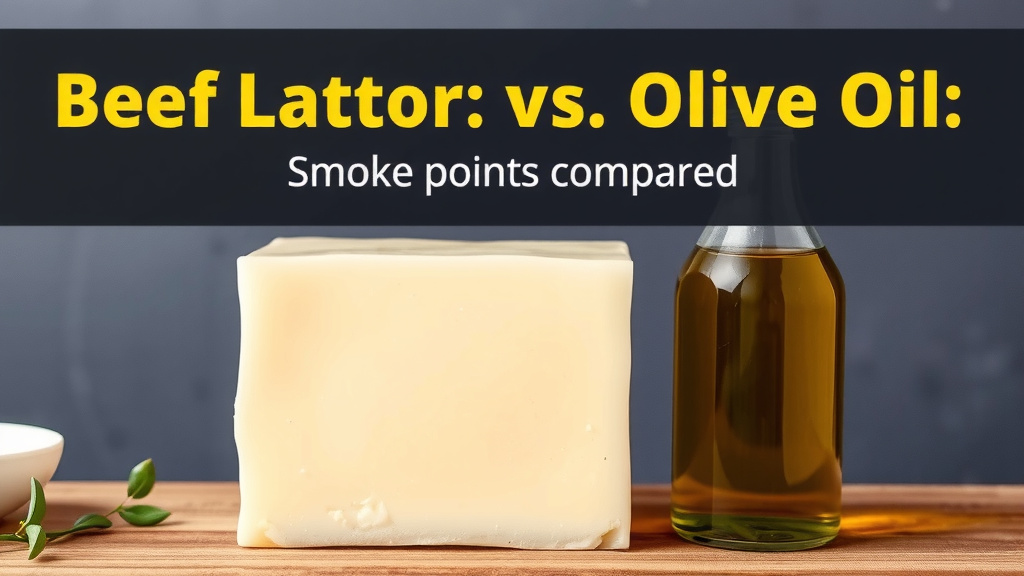
When comparing beef tallow’s smoke point to olive oil, beef tallow is the clear winner for high-heat cooking. Beef tallow can handle temperatures up to 400°F (204°C), while extra virgin olive oil typically smokes around 375°F (190°C). This means tallow is much less likely to burn and create unhealthy compounds when you’re searing or frying.
Understanding smoke points is key for healthy and delicious cooking. When fats reach their smoke point, they break down and release acrolein, a substance that can damage your health and give food an unpleasant taste. Knowing which fats are best suited for different cooking methods helps you achieve perfect results without compromising your well-being. We found that picking the right fat makes a huge difference.
- Beef tallow has a higher smoke point than olive oil.
- Tallow is better for searing and frying.
- Olive oil is best for lower-heat cooking and dressings.
- Smoke points matter for health and flavor.
Let’s dive deeper into the world of fats and find out exactly which one is best for your next meal.
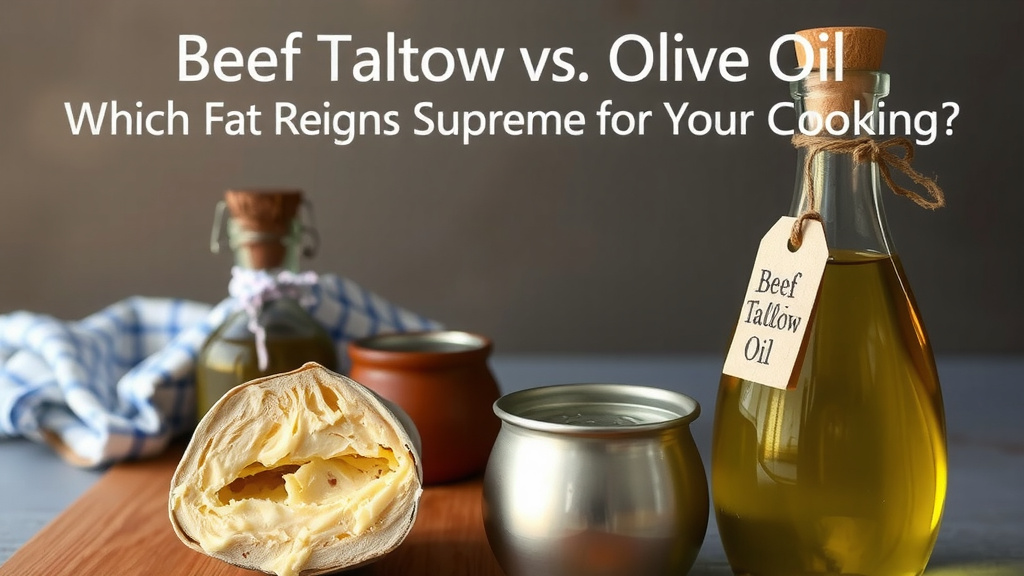
Beef Tallow vs. Olive Oil: Which Fat Reigns Supreme for Your Cooking?
When you’re standing in front of the stove, deciding between beef tallow and olive oil can feel like a big choice. We’ve all been there, wondering which fat will give us the best results. Thankfully, research and culinary experience help us understand their differences. The primary distinction lies in their smoke points. This is the temperature at which a cooking fat begins to break down and burn, releasing smoke and potentially harmful compounds.
We found that beef tallow generally has a higher smoke point than most olive oils. This means it can withstand hotter cooking temperatures before it starts to degrade. Olive oil, especially extra virgin olive oil (EVOO), is known for its delicate flavor. However, this flavor comes with a lower smoke point. When it reaches its limit, it can make your food taste bitter and unhealthy.
So, what does this mean for your kitchen? It means understanding these fats is key to unlocking delicious meals without compromise. Let’s break down how their smoke points stack up and what that means for your cooking methods.
Understanding the Smoke Point Showdown
Think of a smoke point like a speed limit for your cooking fat. Go over it, and things get messy. For beef tallow, that limit is quite high. We found that rendered beef tallow can typically handle temperatures up to 400°F (204°C). Some sources even cite slightly higher ranges, depending on how pure the tallow is.
Now, let’s look at olive oil. This is where things get a bit more varied. Extra virgin olive oil (EVOO), with its robust flavor and beneficial antioxidants, usually sits around 375°F (190°C). Regular or light olive oil can have a slightly higher smoke point, sometimes reaching up to 465°F (240°C). However, most home cooks reach for EVOO for its taste.
This difference might seem small, but it’s significant for high-heat cooking. When fats smoke, they break down. This releases a substance called acrolein, which is not good for you. Many health organizations, like the Cleveland Clinic, advise avoiding cooking oils past their smoke point. It impacts both your health and the flavor of your food.
Why Tallow Wins for High Heat
When you’re searing a steak or frying chicken, you need a fat that can take the heat. Beef tallow is your friend here. Its higher smoke point means it stays stable longer at higher temperatures. You get that beautiful, caramelized crust without the worry of burning.
Imagine you’re making crispy fried potatoes. You want that oil to be nice and hot. If you use EVOO, it might start smoking before your potatoes are even golden brown. This can lead to a greasy, off-flavored result. Tallow, on the other hand, can handle the task, giving you that satisfying crunch.
We found that using tallow for these tasks often results in a cleaner sear. It prevents the formation of burnt bits that can stick to your pan and make cleanup a chore. It’s like having a trusty workhorse in your kitchen for those demanding cooking jobs.
Olive Oil’s Sweet Spot
Does this mean olive oil is useless for cooking? Absolutely not! Olive oil, especially EVOO, shines in different applications. Its wonderful flavor is its superpower.
Think about making a salad dressing. You want that fruity, peppery taste of EVOO to come through. Adding it to a vinaigrette or drizzling it over roasted vegetables after they come out of the oven allows its flavor to be the star. This is low-to-medium heat cooking, where EVOO is perfectly happy.
Many culinary experts suggest using EVOO for sautéing vegetables at medium heat. As long as you keep an eye on it and don’t push the temperature too high, it can work well. However, for activities like pan-frying or deep-frying, it’s generally not the best choice. We found that sticking to its strengths ensures you get the most out of its delicious profile.
The Science Behind the Smoke: What Happens When Fats Break Down?
It’s not just about taste; it’s about chemistry. When fats are heated past their smoke point, they begin to degrade. This process is called oxidation. It breaks down the fat molecules.
One of the byproducts of this breakdown is acrolein. You might recognize its sharp, pungent odor. It’s the same smell you get when bacon burns. Research from institutions like the National Institutes of Health (NIH) indicates that acrolein is a toxic compound. It can irritate your eyes and lungs.
Furthermore, when fats oxidize, they can form other harmful compounds. These can include aldehydes and free radicals. Over time, exposure to these compounds has been linked to various health concerns. This is why choosing a fat with an appropriate smoke point is so important for your well-being.
Nutritional Considerations
Both beef tallow and olive oil have nutritional profiles to consider. Beef tallow is primarily saturated and monounsaturated fat. It’s a source of fat-soluble vitamins like A, D, E, and K, especially if it comes from grass-fed animals.
Olive oil, particularly EVOO, is rich in monounsaturated fats, which are considered heart-healthy. It also contains antioxidants like polyphenols. These have anti-inflammatory properties. The National Heart, Lung, and Blood Institute (NHLBI) often highlights the benefits of monounsaturated fats in a balanced diet.
When you cook with fat, especially at high heat, the nutritional composition can change. Fats that are more stable at high temperatures, like tallow, are less likely to degrade into harmful substances. This makes them a better choice for certain cooking methods from a health perspective.
Practical Applications in Your Kitchen
Let’s put this knowledge into action. Knowing the smoke points helps you make smarter choices for every meal you prepare.
| Fat Type | Typical Smoke Point | Best For | Not Ideal For |
|---|---|---|---|
| Beef Tallow | 400°F (204°C) | Searing, frying, roasting, baking | Raw dressings, delicate sauces |
| Extra Virgin Olive Oil | 375°F (190°C) | Salad dressings, finishing oils, low-heat sautéing | High-heat searing, deep-frying |
| Light/Refined Olive Oil | 465°F (240°C) | Sautéing, roasting, baking | Raw applications (flavor is less pronounced) |
As you can see, tallow is a versatile fat for high-temperature cooking. It’s excellent for getting that perfect sear on your burgers or chicken breasts. Roasting vegetables at high heat? Tallow can handle it beautifully, giving them a lovely crisp texture.
Olive oil, on the other hand, is fantastic for adding flavor without intense heat. Think about drizzling EVOO over pasta or using it in a marinade. It’s a wonderful way to incorporate healthy fats and delicious taste into your dishes.
Making the Right Choice for Your Dish
So, how do you decide? It really comes down to the cooking method.
- Searing Meats: Reach for beef tallow. You want that high heat to create a flavorful crust.
- Deep Frying: Tallow is a solid option. It can handle the sustained high temperatures needed for crispy results.
- Roasting Vegetables: Both can work, but tallow offers more stability for higher oven temps.
- Salad Dressings: Extra virgin olive oil is the star here. Its flavor is meant to be enjoyed raw.
- Low-Heat Sautéing: Light olive oil or even EVOO can be used if you watch the heat.
Many chefs and home cooks find that having both on hand is the best approach. You can select the perfect fat for the job. This ensures your food is not only delicious but also cooked safely and healthily. It’s about using the right tool for the right culinary task.
A Quick Kitchen Checklist
To help you remember, here’s a quick guide:
- Always know the smoke point of your cooking fat.
- Use tallow for high-heat searing and frying.
- Use EVOO for dressings and finishing dishes.
- Avoid smoking any cooking fat.
- Choose fats wisely for healthier cooking.
- Experiment and see what works best for your favorite recipes!
Conclusion
You’ve learned that beef tallow offers a higher smoke point, making it your go-to for high-heat cooking methods like searing and frying. This stability helps you achieve perfect crusts without burning. Olive oil, especially extra virgin, shines with its flavor in lower-heat applications, such as dressings and finishing dishes. Understanding these differences allows you to choose the right fat for your meal.
So, the next time you’re planning your menu, consider the heat you’ll be using. For that perfect sear or crispy fry, reach for tallow. For fresh flavor without the heat, your olive oil is ready. Happy cooking!
Frequently Asked Questions
Can I use beef tallow instead of olive oil for everything?
While beef tallow is great for high-heat cooking, it’s not ideal for everything. Its strong flavor might not suit delicate dishes or raw applications like salad dressings. For those, olive oil’s flavor and lower smoke point are usually a better fit.
Is beef tallow healthier than olive oil?
Both fats have their nutritional benefits. Olive oil is rich in heart-healthy monounsaturated fats and antioxidants. Tallow provides fat-soluble vitamins. The healthiness often depends on your overall diet and how you use the fat; using tallow below its smoke point is healthier than smoking olive oil.
What happens if I accidentally smoke my olive oil?
When olive oil smokes, it breaks down and can produce acrolein, a compound that tastes bitter and is unhealthy. Your food might also develop an unpleasant, burnt flavor. It’s best to discard the oil and start fresh with a fat suitable for your cooking temperature.
Can I use refined or light olive oil for higher heat cooking?
Yes, refined or light olive oils have a higher smoke point than extra virgin olive oil, sometimes up to 465°F (240°C). This makes them a better choice for sautéing or roasting at moderate to high temperatures, though they lack the robust flavor of EVOO.
What’s the best way to store beef tallow?
Beef tallow is quite stable and can be stored at room temperature in an airtight container for several months, much like butter. For longer storage, especially in warmer climates, keeping it in the refrigerator will extend its shelf life.

![7 Best Olive Oil Brand In Greece [2026]](https://bestpureessentialoils.com/wp-content/uploads/2026/09/7-best-olive-oil-brand-in-greece-2026-featured-768x432.jpg)