
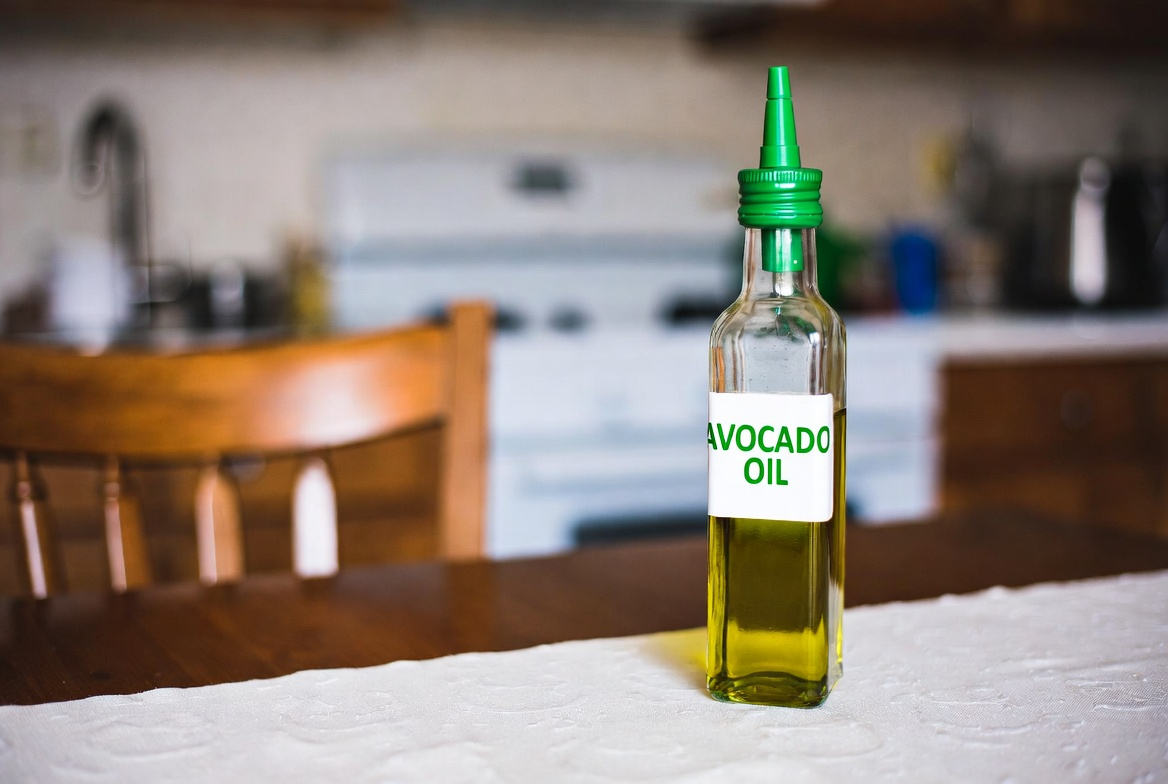
Avocado Oil Taste vs Olive Oil: Which One Will Ruin Your Recipe?
Have you ever stood in the cooking oil aisle wondering which bottle to grab? You’re not alone. The choice between avocado oil and olive oil can feel like picking between two mysterious strangers, especially when you’re trying to figure out which one won’t sabotage your carefully planned dinner.
Here’s the thing: these two oils are nothing alike when it comes to flavor, and that difference matters more than you might think. I’m going to walk you through everything you need to know about how these oils taste, where they work best, and which one deserves a permanent spot in your kitchen.
Understanding the Flavor Profile Differences
Let’s start with the most important question: what do these oils actually taste like? If you’ve never really paid attention to the flavor of your cooking oil, you’re about to discover something that might change the way you cook forever.
What Does Olive Oil Really Taste Like?
Olive oil is like that friend who’s always present and leaves an impression. It has a distinctive, grassy, sometimes peppery taste that people either love or find overwhelming. When you taste quality extra virgin olive oil, you’re getting what I call the “honest” flavor—it doesn’t hide what it is.
The taste can vary wildly depending on where the olives were grown and when they were harvested. Early harvest olive oil tends to be more herbaceous and peppery, with notes that remind you of fresh-cut grass or even artichokes. Later harvests produce milder, buttery oils that feel smoother on your palate.
This is why extra virgin olive oil has such a powerful presence in a dish. A drizzle on a salad, a dip for bread, or a finishing touch on soup—it announces itself. It’s bold, it’s complex, and it demands respect.
What Does Avocado Oil Taste Like?
Avocado oil, by contrast, is the subtle friend. It has a mild, buttery, almost creamy taste that doesn’t shout over other ingredients. When you taste refined avocado oil, you get something closer to neutral than distinctive. Some people describe it as having a faint nutty quality, but honestly, it’s so gentle that most people barely notice it’s there.
This is actually the superpower of avocado oil. Because it doesn’t impose its flavor on your food, it acts as a supporting actor rather than the star of the show. It lets your other ingredients shine while still contributing its own subtle richness.
The Science Behind These Flavor Differences
Want to know why these oils taste so different? It comes down to how they’re made and what compounds end up in the final product.
Processing Methods Impact Everything
Olive oil extraction is pretty straightforward—you press olives and collect the juice. But here’s where it gets interesting: extra virgin olive oil is cold-pressed, meaning no heat is used. This preservation of the original fruit compounds is why it tastes so intensely like olives, grass, and pepper.
Avocado oil production is more involved. Refined avocado oil goes through filtering and heating processes that strip away most of the distinct avocado flavors. This is why refined avocado oil tastes so neutral. If you buy cold-pressed avocado oil, you’ll notice a slightly richer, more pronounced avocado flavor, but it’s still mild compared to olive oil.
Aromatic Compounds: The Flavor Makers
Olives contain volatile compounds that create their characteristic grassy, peppery, sometimes slightly bitter notes. These compounds are stable enough to survive cold pressing, so they stay in the final oil. Avocados, on the other hand, don’t have as many of these powerful aromatic compounds to begin with, and the refining process eliminates even more of them.
Think of it like this: olives are naturally loud, and avocado oil is naturally quiet. Processing can’t change fundamental nature—it can only amplify or reduce what’s already there.
Comparing Taste in Real Cooking Scenarios
Understanding the theory is nice, but what really matters is how these oils taste when you’re actually cooking. Let me break down specific situations where you’d notice the difference most.
In Salad Dressings and Raw Applications
This is where olive oil truly dominates. A classic vinaigrette made with olive oil tastes distinctly different from one made with avocado oil. The olive oil version has that peppery kick and complex flavor that makes you want another bite. The avocado oil version tastes clean and light, with the vinegar and other seasonings doing most of the talking.
Neither is wrong—they’re just different. If you want a dressing that’s bold and assertive, olive oil wins. If you want something that won’t overpower delicate greens or play nice with a powerful vinaigrette ingredient, avocado oil is your answer.
When to Use Each Oil for Dressings
- Olive oil: Works beautifully with Mediterranean ingredients like lemon, herbs, garlic, and strong vinegars
- Avocado oil: Perfect when you want the other flavors to take center stage or when you’re using Asian-inspired ingredients
For Cooking at High Heat
Here’s where things get practical. When you’re searing a steak or stir-frying vegetables, you want an oil that can handle the heat without breaking down. Both oils can handle high heat, but they taste different when used this way.
Olive oil, especially extra virgin, tastes cooked-out and bitter when exposed to high temperatures. That delicate, grassy flavor disappears, and what’s left isn’t pleasant. This is why professional chefs reserve extra virgin olive oil for finishing dishes, not cooking them.
Avocado oil doesn’t have much flavor to lose when heated, so it just… stays neutral. You’re getting a clean cooking medium that won’t add bitter or off-flavors to your food. If you’re worried about your oil ruining your recipe at high heat, avocado oil is the safer choice.
In Baking and Pastries
When you’re baking a cake or making pastries, the last thing you want is an oil that tastes like salad. Olive oil in a chocolate cake? That’s a bold move that only works if you really know what you’re doing and want that Mediterranean flavor as part of the profile.
Avocado oil, with its neutral taste, is more forgiving. You can substitute it for butter in many baking applications, and it won’t make your cookies taste weird. The flavor stays in the background, and you get the texture benefits of the oil without any flavor interference.
Cooking Temperature and Flavor Degradation
Temperature matters enormously when it comes to oil flavor. Let me explain what happens when heat gets involved.
How Heat Changes Olive Oil
Extra virgin olive oil has a smoke point around 375-405 degrees Fahrenheit. Once you exceed that temperature, the oil starts breaking down chemically, and those lovely aromatic compounds transform into bitter, unpleasant compounds. It’s like turning a symphony into noise.
This doesn’t mean you can never cook with olive oil. Light or refined olive oils have higher smoke points (around 465 degrees) because they’ve been processed to remove some of those delicate compounds. But at that point, they taste less distinctive anyway.
How Heat Affects Avocado Oil
Avocado oil has a smoke point around 500 degrees Fahrenheit, which is notably higher than olive oil. Because it doesn’t have as many delicate aromatic compounds, heat doesn’t dramatically change its taste. It stays relatively neutral, which is exactly what you want when you’re cooking at temperature.
This gives avocado oil a distinct advantage in the kitchen for anything involving serious heat. Your food won’t develop that burnt or bitter oil taste that ruins a perfectly good pan-seared dinner.
Which Oil Will Actually Ruin Your Recipe?
This is the question you really came here to answer, right? The truth is more nuanced than you might hope, but I’ll give it to you straight.
Olive Oil Can Ruin Your Recipe When…
- You’re cooking at high heat and using extra virgin olive oil
- You’re making something sweet where the olive flavor is unexpected
- You’re trying to let other delicate flavors be the star
- You’re pan-frying something that needs a neutral-tasting medium
- You’re following a recipe that specifically calls for neutral oil
The most common way olive oil ruins a recipe is by tasting burnt. When that smoke point is exceeded, the oil tastes acrid and charred. Nobody wants that. It’s the culinary equivalent of overcooking—you can’t fix it once it’s done.
Avocado Oil Can Ruin Your Recipe When…
- You want that distinctive olive flavor as a key component
- You’re making a Mediterranean dish that depends on olive oil’s character
- You’re using it as a salad dressing base where the blandness becomes a negative
- You’re making something where you specifically want the oil to shine
Avocado oil is less likely to ruin through flavor degradation, but it can disappoint if you’re expecting it to bring something to the table that it just doesn’t have. It’s like showing up to a potluck with plain crackers when someone needed your famous dip.
Taste Testing: What the Experts and Home Cooks Notice
I’ve thought through what various people notice when tasting these oils side by side.
The Professional Chef’s Perspective
Professional cooks view these oils as completely different tools. Olive oil is for flavor, avocado oil is for function. A chef might use avocado oil for cooking and olive oil for finishing because they understand that each oil has a specific role to play.
The Home Cook’s Experience
Most home cooks are concerned with one question: will this taste good? For everyday cooking, avocado oil wins on reliability. It’s harder to mess up. For special occasions or recipes where you specifically want that Mediterranean taste, olive oil is the obvious choice.
The Health-Conscious Person’s View
Here’s something interesting: some people choose an oil based on taste, others based on perceived health benefits. Both oils have their proponents. The taste difference becomes secondary to their health priorities. But here’s the thing—if you don’t like the taste of the oil, you won’t use it consistently, and consistency matters more than any individual health benefit.
Storage and How It Affects Taste Over Time
Did you know that how you store these oils affects how they taste? This is something most people overlook.
Olive Oil Degradation
Olive oil, especially extra virgin, is sensitive to light, heat, and air. When stored improperly, it oxidizes and develops stale, musty flavors. That means your beautiful olive oil can literally taste worse over time if you leave the bottle next to your stove in a sunny kitchen.
Avocado Oil Storage
Avocado oil is more stable and oxidation-resistant, meaning it stays fresher longer under the same storage conditions. If you’re going to be using oil slowly or keeping it around for a while, avocado oil maintains its neutral taste better.
Price and Taste: Do You Get What You Pay For?
This deserves its own discussion because price and taste are often connected with oils.
Olive Oil Pricing and Quality
With olive oil, you absolutely do get what you pay for when it comes to taste. The cheap grocery store extra virgin olive oil tastes flat and uninspiring. A quality bottle from a specific region or harvest tastes complex and delicious. You’re paying for flavor distinctiveness, and that flavor is the whole point of olive oil.
Avocado Oil Pricing
Avocado oil is newer to the mainstream market, and prices vary wildly. But here’s the thing: since the oil is meant to be neutral, a cheaper bottle tastes almost the same as an expensive bottle. You’re not paying for flavor complexity. You’re paying for purity and processing standards.
Regional and Seasonal Variations in Taste
Both of these oils vary based on where they come from and when they were produced.
Olive Oil Geography
Spanish olive oil tastes different from Italian, which tastes different from Greek. Portuguese olive oil has its own character. The climate, soil, and olive varieties in each region create unique flavor profiles. This is exciting if you love olive oil—you can actually taste the terroir. This also means you need to pay attention to where your oil comes from if you care about taste consistency.
Avocado Oil Origins
Most avocado oil comes from Mexico, California, or New Zealand, but since it’s refined, these geographic differences matter less. The refining process standardizes the flavor across sources. Some might argue this takes away the romance of the product, but it’s also exactly why avocado oil is so reliably neutral.
Practical Taste Comparisons in Common Dishes
Let me give you some concrete examples of how these taste differences play out in real recipes.
Greek Salad
Olive oil is absolutely essential here. That peppery, herbaceous flavor is part of the whole experience. Avocado oil would make the salad taste generic and sad. Use a good Greek or Spanish olive oil, and suddenly the salad becomes something special.
Asian Stir-Fry
Avocado oil is the way to go. The olive oil flavor would clash with soy sauce, ginger, and garlic. You need a neutral backdrop, not a competing flavor. The high smoke point is also perfect for the hot wok cooking that stir-fries require.
Garlic Bread
This is interesting because you could go either way. Olive oil version tastes more authentically Italian. Avocado oil version lets the garlic and butter be the stars. There’s no wrong answer, just different flavor experiences.
Mayonnaise
Light olive oil or refined olive oil is traditionally used, but the flavor can be intense. Avocado oil makes a milder, creamier-tasting mayo that some people prefer. Again, personal preference rules.
How to Taste and Compare These Oils Yourself
If you want to really understand the difference, the best way is to taste them side by side. Here’s how to do it properly.
The Tasting Process
Pour a teaspoon of each oil into separate small bowls. Start with olive oil first—let it coat your mouth, notice the immediate flavor, swallow and notice the aftertaste. Then rinse your mouth with water or eat a small piece of bread. Repeat with avocado oil. The contrast will be obvious once you do this

![7 Best Italian Tuna In Olive Oil [2026]](https://bestpureessentialoils.com/wp-content/uploads/2026/08/7-best-italian-tuna-in-olive-oil-2026-featured-768x432.jpg)
![7 Best Glass Olive Oil Dispenser [2026]](https://bestpureessentialoils.com/wp-content/uploads/2026/08/7-best-glass-olive-oil-dispenser-2026-featured-768x432.jpg)

![7 Best Expensive Olive Oil [2026]](https://bestpureessentialoils.com/wp-content/uploads/2026/07/7-best-expensive-olive-oil-2026-featured-768x432.jpg)
![7 Best Extra Virgin Olive Oil To Take Daily [2026]](https://bestpureessentialoils.com/wp-content/uploads/2026/08/7-best-extra-virgin-olive-oil-to-take-daily-2026-featured-768x432.jpg)