
Avocado Oil vs Coconut Oil vs Olive Oil: Which One Is Truly Healthiest?
When you’re standing in the cooking oil aisle at your grocery store, staring at rows of colorful bottles, you’re probably wondering which oil will actually make a difference in your kitchen and your health. I get it. We’re all trying to make smarter choices about what we put into our bodies, and oils seem like such a small thing, yet they appear in almost everything we cook. But here’s the thing—not all oils are created equal, and the choice between avocado oil, coconut oil, and olive oil isn’t as straightforward as picking the one with the prettiest label.
I’ve spent considerable time researching these three kitchen staples, and I want to share what I’ve learned with you. Think of this as your personal guide to understanding which oil might actually be the best fit for your lifestyle and cooking habits.
Outline of What We’ll Explore
- Understanding the basics of each oil and where they come from
- Breaking down the nutritional profiles and what they really mean
- Exploring smoke points and cooking applications
- Examining the health benefits of each option
- Looking at potential downsides and concerns
- Comparing prices and availability
- Finding the best oil for your specific needs
Where Do These Oils Come From?
Understanding Avocado Oil
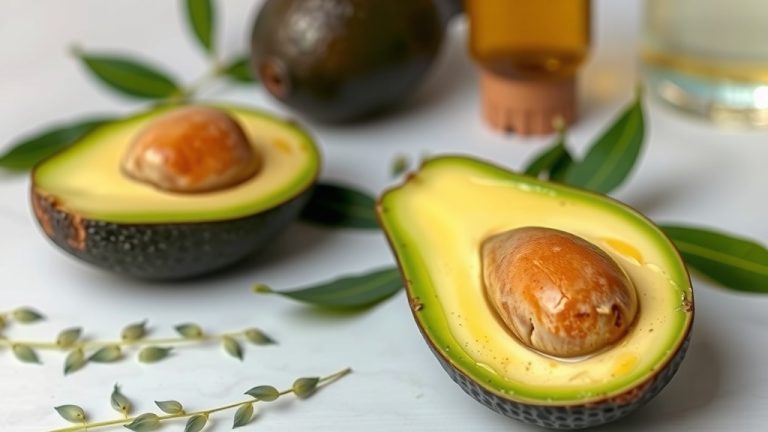
Avocado oil is something I’ve grown increasingly fond of. It’s extracted from the flesh of avocados, which are native to Mexico but are now grown in various warm climates around the world. Unlike many other oils, avocado oil comes from the fruit’s flesh rather than seeds, which gives it some unique characteristics. The extraction process involves pressing ripe avocados—think of it like making guacamole, but instead of mashing them with lime and cilantro, you’re pressing them to extract the liquid fat.
What’s interesting is that avocado oil is relatively new to mainstream cooking. While avocados have been cultivated for thousands of years, commercial avocado oil production really only took off in the last couple of decades. This means it’s less of a traditional staple and more of a modern culinary discovery.
The Journey of Coconut Oil
Coconut oil has been around for centuries, particularly in tropical regions where coconuts grow abundantly. It’s extracted from the white meat of mature coconuts, and it’s been a dietary cornerstone in Southeast Asia and Pacific Island cultures for generations. The oil is derived either through wet or dry processing methods, and each method affects the final product’s characteristics.
What fascinates me about coconut oil is how it’s transitioned from a regional staple to a global health trend. In the last fifteen years, it’s become almost synonymous with “healthy eating” in Western countries, though this hasn’t always been backed by science.
The Timeless Appeal of Olive Oil
Olive oil is probably the most familiar of the three to most people. It comes from olives, predominantly grown in Mediterranean regions like Greece, Spain, and Italy. The extraction process is straightforward—olives are pressed to release their oil. Extra virgin olive oil, which is the least processed form, has been used in Mediterranean cuisine for thousands of years and holds cultural significance beyond just cooking.
There’s something deeply rooted about olive oil in our culinary consciousness. It’s not trendy because it’s new; it’s established because it’s proven itself over millennia.
Nutritional Breakdown: What’s Actually in Your Bottle
Fatty Acid Composition Matters More Than You Think
Here’s where things get interesting from a nutritional standpoint. All three oils are fats, but they’re composed of different types of fatty acids, and this composition dramatically affects how your body processes them.
Avocado oil is roughly 70 percent monounsaturated fat, which is the same heart-healthy fat found in abundance in olive oil. This is what nutrition scientists often call the “good fat” because it can help reduce bad cholesterol levels. Avocado oil also contains about 12 percent polyunsaturated fat and around 12 percent saturated fat.
Coconut oil is quite different—it’s about 85 percent saturated fat. Now, before you panic, understand that not all saturated fats are equal, but this high saturation level does make coconut oil behave differently in your body compared to the other two options.
Olive oil, particularly extra virgin varieties, is approximately 73 percent monounsaturated fat, making it similar to avocado oil in this regard. It also contains about 11 percent polyunsaturated fat and roughly 14 percent saturated fat.
Micronutrients and Antioxidants
Beyond the basic fatty acid composition, these oils contain different beneficial compounds that many people overlook.
Avocado oil contains lutein, a carotenoid that’s important for eye health, and it also provides vitamin E, an antioxidant that protects your cells from damage. The amount varies depending on the quality and processing of the oil, but it’s present in meaningful quantities.
Olive oil, especially extra virgin varieties, is rich in polyphenols—powerful antioxidants that give olive oil much of its health-promoting reputation. These compounds have been studied extensively in Mediterranean diet research, and the evidence suggests they offer significant protective benefits. The greener and less processed the olive oil, the higher the polyphenol content.
Coconut oil contains lauric acid, a medium-chain triglyceride that some research suggests might have antimicrobial properties, though the evidence is still emerging. However, it lacks the polyphenol content of olive oil or the lutein found in avocado oil.
Smoke Points: When Each Oil Shines in Your Kitchen
What Is a Smoke Point and Why Should You Care?
The smoke point is the temperature at which an oil begins to smoke and break down. When oil breaks down, it releases harmful compounds and loses its nutritional benefits. It’s crucial to match your cooking method to your oil’s smoke point—this isn’t just about flavor; it’s about food safety and nutrition.
Avocado Oil’s Heat Tolerance
Avocado oil has the highest smoke point of the three, sitting around 480 to 500 degrees Fahrenheit depending on the specific product and processing method. This makes it fantastic for high-heat cooking applications like searing steaks, stir-frying, or roasting vegetables at high temperatures. I love using avocado oil when I need to get that perfect crust on a piece of fish or chicken.
Coconut Oil’s Moderate Range
Coconut oil has a smoke point of approximately 350 degrees Fahrenheit. This puts it in the moderate range, suitable for baking, light sautéing, and low to medium-heat cooking. Many people use it in baking because it adds a subtle flavor and contributes to a specific texture in baked goods.
Olive Oil’s Lower Threshold
Extra virgin olive oil has a smoke point around 375 to 405 degrees Fahrenheit, depending on quality. This is lower than both avocado and coconut oil, which is why many chefs recommend reserving premium extra virgin olive oil for finishing dishes, drizzling on salads, or making dressings rather than cooking with high heat. However, regular olive oil has a higher smoke point—around 440 degrees Fahrenheit—so if you need to cook with olive oil at higher temperatures, regular olive oil is your better choice, though it has fewer beneficial compounds than extra virgin.
Health Benefits: The Claims and The Science
Why Avocado Oil Is Getting Attention
Avocado oil has been gaining momentum in health-conscious circles, and for good reasons. Its high monounsaturated fat content supports cardiovascular health, helping to maintain healthy cholesterol levels. The lutein it contains supports eye health, something that becomes increasingly important as we age. Additionally, the vitamin E content helps protect your cells against oxidative stress.
Studies have shown that consuming foods rich in monounsaturated fats may help reduce the risk of heart disease. Since avocado oil is about 70 percent monounsaturated fat, it aligns well with diets aimed at cardiovascular health. Some research also suggests that the compounds in avocado oil may have anti-inflammatory properties, though more studies are needed to fully understand this connection.
Coconut Oil’s Contentious Reputation
Coconut oil is perhaps the most polarizing of the three. Proponents claim it boosts metabolism, supports brain health, and provides antimicrobial benefits. The basis for some of these claims comes from the medium-chain triglycerides (MCTs) that coconut oil contains. MCTs are metabolized differently than other fats, and some studies suggest they might support weight management and cognitive function.
However, here’s where I need to be honest with you: the mainstream medical and nutritional science community is cautious about coconut oil’s health claims. The American Heart Association has expressed concern about coconut oil’s high saturated fat content and its potential to raise LDL cholesterol—the “bad” cholesterol. While some research supports the MCT theory, the overall evidence doesn’t overwhelmingly support coconut oil as healthier than the alternatives, especially for heart health.
Olive Oil’s Well-Documented Benefits
Olive oil, particularly extra virgin olive oil, has the most robust scientific evidence supporting its health benefits. It’s been extensively studied as a cornerstone of the Mediterranean diet, which ranks among the healthiest eating patterns in the world. The polyphenols and monounsaturated fats in olive oil work together to reduce inflammation, improve cholesterol profiles, and support heart health.
Research consistently shows that regular consumption of olive oil is associated with lower rates of heart disease, certain cancers, and cognitive decline. A landmark study called PREDIMED demonstrated that people who consumed a Mediterranean diet rich in olive oil had significantly lower rates of heart disease compared to those on a low-fat diet. The protective effects appear to come from both the monounsaturated fats and the powerful antioxidants present in the oil.
Potential Downsides and Concerns
Avocado Oil’s Environmental Impact
While avocado oil offers nutritional benefits, it’s important to consider its environmental footprint. Avocado farming, particularly in Mexico, has been associated with deforestation and water depletion. If environmental sustainability is important to you, this is worth factoring into your decision. The surge in avocado demand has led to significant environmental concerns in producing regions.
Coconut Oil and Saturated Fat Concerns
The primary concern with coconut oil is its high saturated fat content. While the science on saturated fat is more nuanced than we once thought, consuming high amounts may not be ideal for people with certain cardiovascular risk factors. If you have been advised by your doctor to limit saturated fat intake, coconut oil might not be the best choice for regular cooking.
Olive Oil and Oxidation Issues
Extra virgin olive oil can oxidize and degrade when exposed to light, heat, and oxygen. This is why it’s best stored in a dark bottle, away from light and heat. If you cook with extra virgin olive oil at high temperatures, you’re not necessarily harming yourself, but you’re losing many of the beneficial compounds that make it special. It’s also typically more expensive than other cooking oils, which can impact your budget.
Price Comparison and Availability
What Will Your Wallet Experience?
Price varies significantly based on quality and where you shop. Coconut oil is generally the most affordable option, often available at reasonable prices in most grocery stores and supermarkets. It’s widely available and has achieved mainstream distribution.
Olive oil occupies the middle ground. Extra virgin olive oil can be expensive, but regular olive oil is reasonably priced. The quality varies tremendously though, and genuinely good extra virgin olive oil costs more, but you’re paying for real benefits.
Avocado oil tends to be the most expensive of the three, particularly if you’re looking for high-quality, cold-pressed varieties. It’s becoming more available but still commands a premium price. However, since you use less of it at higher temperatures, a bottle might last longer than other oils.
Which Oil Is Best for Different Cooking Methods?
High-Heat Cooking
For searing, deep frying, or roasting at high temperatures, avocado oil is your champion. Its high smoke point means you can cook at higher temperatures without degrading the oil or creating harmful compounds. If you’re making a stir-fry that requires intense heat, avocado oil is excellent.
Medium-Heat Cooking
For sautéing vegetables, making omelets, or medium-heat cooking, any of the three work, but it depends on the flavor profile you want. Coconut oil will impart a slight coconut flavor, which works beautifully in some cuisines but might overpower others. Regular olive oil works well here and provides some of the beneficial compounds without the expense of extra virgin.
Low-Heat Cooking and Finishing
This is where extra virgin olive oil truly shines. Drizzle it on finished soups, use it in salad dressings, dip bread in it, or use it to finish a cooked dish. The delicate flavors and powerful antioxidants are preserved, and you get the full benefit of what makes it special. Avocado oil can also work here, though it has a more neutral flavor, so it won’t add complexity the way olive oil does.
Making Your Choice: What’s Right for You?
If You Prioritize Heart Health
Olive oil, particularly extra virgin varieties, should be your primary choice. The scientific evidence is overwhelming, and the Mediterranean diet’s success with olive oil as a cornerstone demonstrates real-world results. If you need a second oil for high-heat cooking, avocado oil is your complement.
If You Cook At High Temperatures Frequently
Avocado oil becomes your workhorse. Its high smoke point makes it ideal for regular cooking, and its monounsaturated fat profile keeps it healthier than coconut oil. You can use olive oil for finishing touches without replacing your primary cooking oil.
If You’re Budget Conscious
Coconut oil offers the most affordable entry point, but I’d suggest balancing this with at least some olive oil for finishing dishes and maximum health benefit. A rotation between coconut oil for baking and cooking and a less expensive regular olive oil for general use is a practical compromise.
If Environmental Sustainability Matters to You
Research your specific brands carefully. Look for olive oil from companies with sustainable practices, and reconsider avocado oil unless you find certified sustainable sources. Coconut oil from established, ethical producers in Southeast Asia may also align with your values.
The Verdict: Can We Crown a Winner?
If I’m being completely honest, there isn’t one “truly healthiest” oil that beats all others in every situation. However, if I had to make a blanket recommendation, I’d say extra virgin olive oil emerges as the winner for overall health benefits, supported by decades of rigorous scientific research and real-world evidence from Mediterranean populations who live longer, healthier lives.
That said, the best oil for you depends on your specific situation. Avocado oil is excellent if you cook frequently at high temperatures and want a monounsaturated fat source with a clean flavor. Coconut oil has a place in the kitchen, particularly for baking and specific cuisines, though it shouldn’t be your primary oil if you’re focused on cardiovascular health.
The reality is that using any of these oils in moderation as part of a balanced diet is far more

![7 Best Virgin Olive Oil [2026]](https://bestpureessentialoils.com/wp-content/uploads/2026/07/7-best-virgin-olive-oil-2026-featured-768x432.jpg)
![7 Best Olive Oil Brand For Pasta [2026]](https://bestpureessentialoils.com/wp-content/uploads/2026/09/7-best-olive-oil-brand-for-pasta-2026-featured-768x432.jpg)