Butter vs Olive Oil vs Coconut Oil: Which Is Best
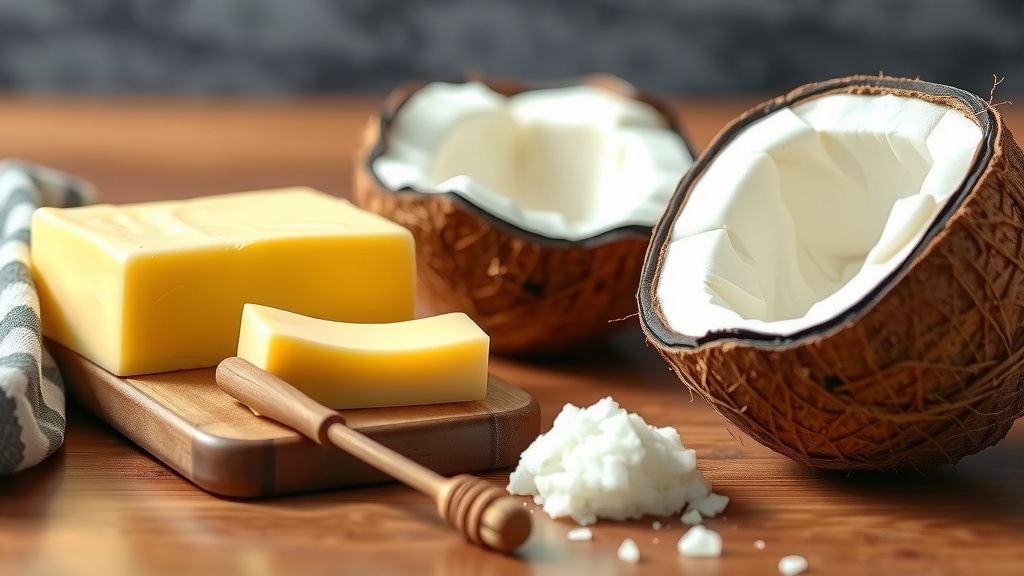
When deciding between butter, olive oil, and coconut oil for your cooking, the best choice often depends on what you’re making and your dietary goals. Generally, olive oil is a top pick for its heart-healthy monounsaturated fats and excellent flavor in dressings and sautéing, while butter adds rich taste and browning for baking and searing. Coconut oil offers unique flavor and is often chosen for its specific fat profile in certain recipes.
Each of these fats brings something different to the table. Understanding their smoke points, flavor profiles, and nutritional benefits can help you make the most informed choice for your kitchen. We’ve found that considering these factors makes a big difference in the final dish and can align with different wellness focuses.
- Butter: Great for flavor and baking, good for medium-heat cooking.
- Olive Oil: Excellent for dressings, sautéing, and heart health.
- Coconut Oil: Adds tropical flavor and is stable for higher heat.
- Consider your recipe and health goals when choosing.
Let’s dive into the details of butter, olive oil, and coconut oil so you can pick the perfect one for your next culinary adventure.
“`htmlYou’ve got your ingredients ready, your apron on, and you’re about to start cooking. Then you hit it: the fat. Do you reach for the butter, the olive oil, or the coconut oil? It’s a common kitchen crossroads, and the choice can genuinely impact your dish. Let’s break down these kitchen staples so you can feel confident about which fat to use, and when.
Choosing the Right Cooking Fat: Butter, Olive Oil, and Coconut Oil
Deciding between butter, olive oil, and coconut oil isn’t just about preference. It’s about understanding how each one behaves in your pan or oven. We found that considering a few key factors makes all the difference.
Butter: The Flavor Enhancer
Butter is a dairy product, famous for its rich, creamy taste. It’s a go-to for adding depth and deliciousness to many recipes. Many home cooks rely on butter for that classic flavor we all love.
Flavor and Texture
When you think of butter, think flavor. It lends a wonderful richness to baked goods, sauces, and sautéed vegetables. That satisfying browning you see on toast or in a pan? Butter is often the star, thanks to its milk solids.
Smoke Point and Cooking Uses
Butter has a relatively low smoke point. This means it can start to burn and smoke at lower temperatures compared to other oils. Research suggests that butter’s smoke point is around 302°F (150°C) for unsalted butter. Because of this, it’s best suited for medium-low heat cooking.
- Sautéing delicate ingredients.
- Baking cakes, cookies, and pastries.
- Finishing sauces or vegetables.
- Making toast or grilled cheese.
Nutritional Snapshot
Butter is primarily made of fat. It contains saturated fat, which you’ll want to consume in moderation. It also contains some fat-soluble vitamins, like A and D. The Cleveland Clinic notes that while butter can be part of a healthy diet, it’s high in calories and saturated fat.
Olive Oil: The Heart-Healthy All-Rounder
Olive oil, especially extra virgin olive oil (EVOO), is a cornerstone of the Mediterranean diet. It’s celebrated for its health benefits and versatile flavor profile. Many people reach for olive oil first for everyday cooking.
Flavor Profiles: From Mild to Robust
Olive oils vary greatly in flavor. You might find them to be light and fruity or bold and peppery. Extra virgin olive oil generally has the most robust flavor. This makes it perfect for finishing dishes and salad dressings. Regular or light olive oils have a milder taste.
Smoke Point and Versatility
Extra virgin olive oil has a smoke point of about 375°F (190°C). Other types of olive oil can go higher. This makes EVOO suitable for sautéing and roasting at moderate temperatures. We found that its smoke point is high enough for most everyday cooking tasks.
- Salad dressings and vinaigrettes.
- Drizzling over finished dishes.
- Sautéing vegetables and lean proteins.
- Marinades for meats and vegetables.
Nutritional Benefits
Olive oil is rich in monounsaturated fats. These are considered healthy fats and are great for your heart. The Mayo Clinic often highlights olive oil’s benefits, stating it can help lower bad cholesterol levels. It also contains antioxidants.
Coconut Oil: The Tropical Specialist
Coconut oil has a distinct tropical aroma and flavor. It’s a solid at room temperature, which gives it unique properties in cooking and baking. Many enjoy its unique taste in specific recipes.
Distinctive Tropical Taste
If you want your dish to have a subtle coconut flavor, this is your fat. Unrefined or virgin coconut oil carries a more pronounced coconut taste. Refined coconut oil has a neutral flavor, making it more versatile if you don’t want that tropical note.
Smoke Point and Stability
Coconut oil has a smoke point around 350°F (175°C) for virgin coconut oil and higher for refined versions. This makes it a good option for medium-high heat cooking. Its stability makes it suitable for baking, stir-frying, and even pan-frying.
- Baking recipes calling for a specific flavor.
- Stir-fries where you want a hint of the tropics.
- Greasing pans for a slight flavor boost.
- Used in some vegan butter substitutes.
Fatty Acid Profile
Coconut oil is unique because it’s high in saturated fats, specifically medium-chain triglycerides (MCTs). Research from institutions like the NIH suggests MCTs are metabolized differently. They can be a quick source of energy. However, due to its high saturated fat content, moderation is still key.
Comparing the Three: A Quick Guide
To help you make a quick decision, here’s a handy comparison table. It focuses on what matters most when you’re in the kitchen.
| Fat Type | Best For | Flavor Profile | Smoke Point (approx.) | Key Nutritional Aspect |
|---|---|---|---|---|
| Butter | Baking, low-heat sautéing, flavor finishing | Rich, creamy | 302°F (150°C) | Saturated fat, Vitamin A |
| Olive Oil (EVOO) | Dressings, sautéing, roasting, finishing | Fruity to peppery | 375°F (190°C) | Monounsaturated fats, antioxidants |
| Coconut Oil | Baking (specific flavors), medium-high heat cooking | Tropical (unrefined), neutral (refined) | 350°F (175°C) | Medium-chain triglycerides (MCTs), saturated fat |
Your Kitchen Decision Checklist
Next time you’re staring into your pantry, ask yourself these quick questions:
- What dish am I making?
- Do I want a rich flavor or a neutral base?
- What temperature will I be cooking at?
- Am I prioritizing heart health?
- Does the recipe call for a specific fat type?
- Do I want a hint of tropical taste?
By answering these, you’ll be well on your way to choosing the perfect fat for your culinary creation. Each has its strengths, and knowing them means you’ll always cook with confidence!
“`
Conclusion
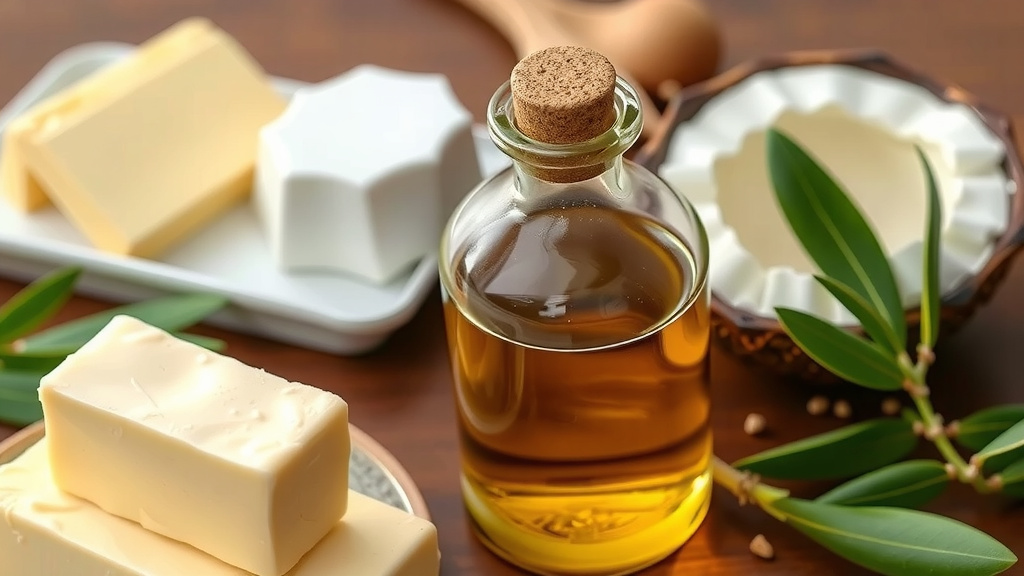
You’ve learned that butter, olive oil, and coconut oil each bring unique strengths to your cooking. Butter excels in baking and adds rich flavor. Olive oil shines in dressings and heart-healthy sautéing. Coconut oil offers a tropical twist and works well for medium-high heat. We found that understanding their smoke points, flavors, and nutritional profiles helps you choose wisely.
So, next time you’re deciding on a fat, take a moment to consider your recipe and your goals. By making an informed choice, you’ll be sure to enhance your dish and cook with confidence. Happy cooking!
Frequently Asked Questions
Can I substitute one oil for another in a recipe?
Generally, you can make substitutions, but be mindful of flavor and fat content. For baking, swapping butter for coconut oil might change the texture. Substituting olive oil for butter in a delicate sauce could alter the taste and stability.
Which fat is best for high-heat cooking like searing steak?
For searing steak at high heat, a more stable oil with a higher smoke point is ideal. Refined olive oil or refined coconut oil can handle higher temperatures better than butter or extra virgin olive oil, which can burn and produce bitter flavors.
Is coconut oil healthy if it’s high in saturated fat?
Coconut oil is high in saturated fat, but it contains medium-chain triglycerides (MCTs). Some research suggests MCTs are metabolized differently and can be a quick energy source. However, like all fats, it’s best consumed in moderation as part of a balanced diet.
Can I use olive oil for baking instead of butter?
Yes, you can often use olive oil in baking, especially in recipes where its flavor complements other ingredients, like some cakes or muffins. Be aware that it may result in a denser texture compared to using butter.
Does the type of olive oil matter for cooking?
Yes, the type of olive oil matters. Extra virgin olive oil (EVOO) has a lower smoke point and more distinct flavor, making it great for dressings and finishing. Regular or light olive oil has a higher smoke point and milder taste, making it more suitable for sautéing and roasting.

![7 Extra Virgin Olive Oil Is The Best Oil [2026]](https://bestpureessentialoils.com/wp-content/uploads/2026/07/7-extra-virgin-olive-oil-is-the-best-oil-2026-featured-768x432.jpg)
![7 Best Italian Olive Oil In The World [2026]](https://bestpureessentialoils.com/wp-content/uploads/2026/08/7-best-italian-olive-oil-in-the-world-2026-featured-768x432.jpg)