
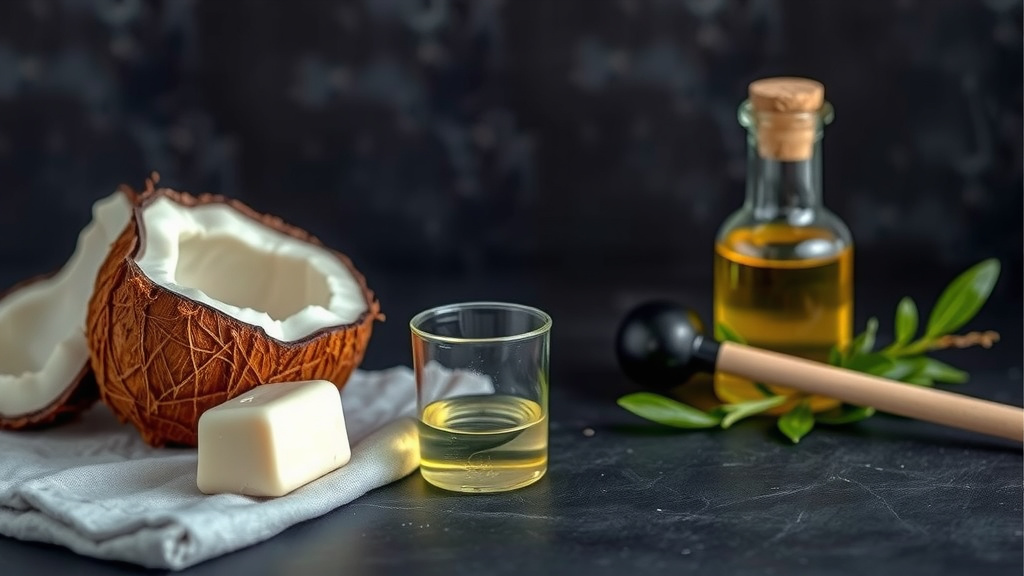
Coconut Oil vs Olive Oil Calories: Which is Healthier
When comparing calories, coconut oil and olive oil are surprisingly similar. Both are fats, so they pack a calorie punch. Generally, olive oil has slightly fewer calories per tablespoon than coconut oil. But the difference is very small, usually just a few calories.
You might be wondering which one is “better” for your diet. Both oils offer different health benefits. Olive oil is famous for its monounsaturated fats. Coconut oil, on the other hand, is rich in saturated fats. Understanding their calorie counts is just one piece of the puzzle when deciding which to use.
- Calories: Both oils are calorie-dense fats.
- Olive oil usually has slightly fewer calories per serving.
- Coconut oil is higher in saturated fat.
- Olive oil is rich in monounsaturated fats.
- Choose based on your dietary goals and cooking needs.
Let’s dive into the details of their calorie content and what that means for your kitchen and your health goals. We’ll help you make the best choice for your cooking.
Understanding the Calorie Counts: Coconut Oil vs. Olive Oil
When you’re looking at your food labels, it’s easy to get a little lost. You might wonder how many calories are in your cooking oils. Both coconut oil and olive oil are popular choices. They both come from plants. And they’re both fats. This means they will add calories to your meals.
Let’s break down exactly what those numbers look like. We’ll help you see the differences. You can then make the best choice for your cooking and health goals. It’s less about good or bad, and more about knowing what you’re using.
How Many Calories Are In A Tablespoon?
You’re probably reaching for a tablespoon most of the time. So, let’s start there. This is where you’ll see the biggest difference, though it’s still small.
Olive Oil’s Calorie Profile
Olive oil is a staple in many kitchens. It’s known for its healthy fats. A standard serving of olive oil is one tablespoon. This tablespoon contains about 120 calories. This number is pretty consistent across most types of olive oil. Extra virgin, virgin, or regular – they’re all right around that mark.
This calorie count comes from its fat content. As a fat, olive oil provides energy. It’s a dense source of that energy. Many dietary guidelines recommend using healthy fats like olive oil in moderation (USDA FoodData Central).
Coconut Oil’s Calorie Profile
Coconut oil has gained a lot of popularity. It has a distinct flavor and texture. When we look at a tablespoon of coconut oil, you’ll find it has a few more calories. It typically comes in at about 120-121 calories per tablespoon. Yes, it’s a tiny bit more than olive oil.
This small difference is due to its specific fat composition. Coconut oil is higher in saturated fats. The way these fats are structured means a bit more energy is packed in per gram. It’s still a fat, and thus calorie-dense, just like other oils.
Comparing The Numbers: A Quick Look
Here’s a simple table to help you visualize the calorie difference. It’s not a huge gap, but it’s good to know.
| Oil Type | Calories Per Tablespoon |
|---|---|
| Olive Oil | ~120 calories |
| Coconut Oil | ~120-121 calories |
As you can see, the difference is minimal. For most everyday cooking, this difference is unlikely to impact your diet significantly on its own. Your total daily intake matters most.
Beyond Calories: Fat Types Matter
While calories are important, the *type* of fat in oils is a big deal too. This is where coconut oil and olive oil really differ. And it influences how your body uses them.
Olive Oil: The Monounsaturated Champion
Olive oil is celebrated for its high content of monounsaturated fatty acids (MUFAs). These fats are often considered heart-healthy. Research suggests MUFAs can help improve cholesterol levels. They may lower bad cholesterol (LDL) and raise good cholesterol (HDL) (American Heart Association).
When you use olive oil, you’re getting a good dose of these beneficial fats. This is why it’s a top recommendation for everyday cooking and salad dressings. It’s a flavorful way to add healthy fats to your diet.
Coconut Oil: Saturated Fat Powerhouse
Coconut oil, on the other hand, is very high in saturated fats. In fact, about 80-90% of its fat content is saturated. This is much higher than olive oil, which has only about 14% saturated fat.
While saturated fats have been demonized in the past, the science is becoming more complex. Coconut oil contains medium-chain triglycerides (MCTs). Some studies suggest MCTs might be metabolized differently than other fats. They may be used for energy more quickly. However, health organizations still advise limiting overall saturated fat intake. This is because high saturated fat intake can still raise LDL cholesterol for many people (Harvard T.H. Chan School of Public Health).
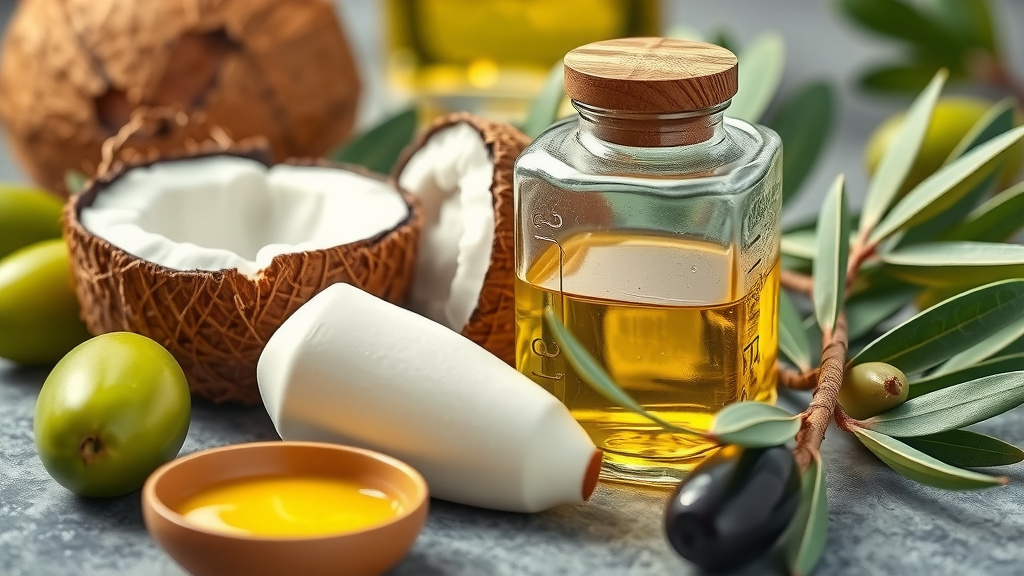
Which Oil Should You Use For Your Diet?
Deciding between coconut oil and olive oil isn’t just about calorie counts. It’s about your overall health goals and how you cook. Both can fit into a healthy diet.
For Heart Health Focus
If your main goal is supporting heart health and managing cholesterol, olive oil is often the top pick. Its high MUFA content is well-researched and recommended. You’ll find it versatile for dressings, sautéing, and baking.
For Specific Uses Or Flavor
Coconut oil has a distinct tropical flavor. It’s excellent for certain recipes, like curries, stir-fries, or baked goods where you want that specific taste. If you are interested in the MCTs, you might use it in smaller amounts. But remember its high saturated fat content when making your choice.
The Bottom Line On Choice
Think about what you’re cooking. Think about your personal dietary needs. Most experts recommend using a variety of healthy fats. This includes both olive oil and coconut oil, used appropriately. Don’t stress too much about that one extra calorie per tablespoon. Focus on the overall quality of your diet.
Tips for Using Oils Wisely
No matter which oil you choose, here are some quick tips to keep in mind:
- Measure your oil. Don’t just pour. This helps control calories.
- Use oils for flavor and texture. They add a lot to dishes.
- Consider smoke points. Olive oil is better for lower-heat cooking. Coconut oil can handle slightly higher heat.
- Store oils properly. Keep them in a cool, dark place. This keeps them fresh.
- Listen to your body. See how different oils make you feel.
Conclusion
You’ve learned that the calorie difference between coconut oil and olive oil is very small. Each tablespoon is around 120 calories. What truly sets them apart are their fat types. Olive oil is rich in heart-healthy monounsaturated fats. Coconut oil is high in saturated fats, including MCTs, though it should still be used in moderation. When choosing, consider your cooking method and health goals. For general heart health, olive oil often takes the lead. For specific flavors or recipes, coconut oil shines. Make informed choices based on your diet and what you’re preparing.
Frequently Asked Questions
Is coconut oil or olive oil better for weight loss based on calories?
Calorie-wise, the difference between coconut oil and olive oil is so minimal that neither has a significant advantage for weight loss. Focus on your total daily calorie intake and the overall nutritional quality of your diet instead.
Can I substitute coconut oil for olive oil in any recipe?
You can substitute them, but be aware of the flavor and fat profile differences. Olive oil is better for dressings and lower-heat cooking, while coconut oil adds a distinct tropical flavor and can handle slightly higher heat.
Are the calories in MCT oil (often from coconut oil) different from regular coconut oil?
MCT oil is a refined product often derived from coconut oil and contains only medium-chain triglycerides. While it also contains calories, the way your body metabolizes MCTs may differ, but the calorie count per tablespoon is still similar to other fats.
If both oils have similar calories, why is olive oil often recommended more for heart health?
Olive oil is primarily composed of monounsaturated fats, which are widely recognized for their benefits in improving cholesterol levels and supporting cardiovascular health. Coconut oil’s high saturated fat content, while containing some beneficial compounds, can raise LDL cholesterol for many people.
Does the processing of olive oil or coconut oil affect their calorie count?
No, the processing method generally does not significantly alter the calorie count per tablespoon for either oil. Whether it’s extra virgin olive oil or refined coconut oil, they remain calorie-dense fats around the 120-calorie mark per tablespoon.


![7 Best Extra Virgin Olive Oil Brands In Usa [2026]](https://bestpureessentialoils.com/wp-content/uploads/2026/08/7-best-extra-virgin-olive-oil-brands-in-usa-2026-featured-768x432.jpg)
![7 Best Extra Virgin Olive Oil Trader Joe'S [2026]](https://bestpureessentialoils.com/wp-content/uploads/2026/08/7-best-extra-virgin-olive-oil-trader-joe-s-2026-featured-768x432.jpg)
![7 Best Olive Oil Brand For Cooking In India [2026]](https://bestpureessentialoils.com/wp-content/uploads/2026/09/7-best-olive-oil-brand-for-cooking-in-india-2026-featured-768x432.jpg)
![7 Best Greek Olive Oil For Dipping [2026]](https://bestpureessentialoils.com/wp-content/uploads/2026/08/7-best-greek-olive-oil-for-dipping-2026-featured-768x432.jpg)
![7 Best Olive Oil To Drink [2026]](https://bestpureessentialoils.com/wp-content/uploads/2026/07/7-best-olive-oil-to-drink-2026-featured-768x432.jpg)