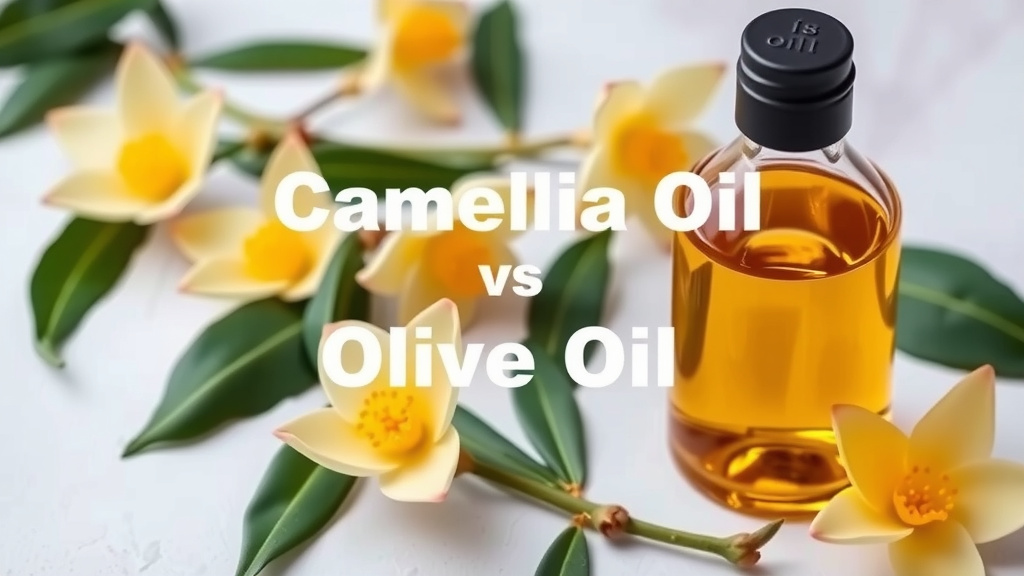
Camellia Oil vs Olive Oil: Which is Better for You
When deciding between camellia oil and olive oil for your needs, camellia oil often takes the lead for beauty and skin applications, while olive oil is a staple in the kitchen. Both are natural oils with impressive benefits, but their best uses can differ greatly. You might be surprised by how versatile these oils can be!
You may know olive oil as a delicious cooking ingredient. It’s also great for moisturizing your hair and skin. Camellia oil, on the other hand, is a well-kept secret in many beauty routines. It’s known for its ability to hydrate and protect. Both oils offer unique advantages, so understanding their strengths helps you choose wisely.
- Camellia oil shines for skin and hair care due to its light texture and absorption.
- Olive oil is a kitchen hero and also works for hair and body moisturization.
- Consider your primary goal: cooking, skincare, or haircare.
- Camellia oil is generally less greasy for facial use.
- Olive oil is more widely available and often more budget-friendly.
We’ve researched both oils to help you make the best choice. Let’s dive into the specifics of camellia oil versus olive oil so you can confidently pick the right one for you.
Camellia Oil vs. Olive Oil: Which Works Best for You?
You’re probably wondering which oil is the better choice for your skin, hair, or kitchen. Both camellia oil and olive oil are natural powerhouses. But they excel in different areas. Let’s break down their unique strengths so you can make an informed decision.
Understanding Camellia Oil: The Beauty Secret
Camellia oil, often called tea seed oil, comes from the seeds of the camellia flower. It’s a favorite in Asian skincare for centuries. Many people praise its light, non-greasy feel. It absorbs quickly into the skin. This makes it ideal for facial use.
Key Benefits of Camellia Oil for Your Skin
Camellia oil is packed with beneficial compounds. It contains oleic acid, a monounsaturated fatty acid. This helps to deeply moisturize your skin. It also contains antioxidants like vitamins A, B, and E. These help protect your skin from environmental damage (NCBI).
You’ll find it can improve skin elasticity. It may also help reduce the appearance of fine lines and wrinkles. For those with sensitive or acne-prone skin, it’s often a gentle choice. It’s less likely to clog pores than heavier oils.
Camellia Oil for Healthy Hair
Haircare is another area where camellia oil shines. Its lightweight nature means it can moisturize your hair without weighing it down. It can help to smooth frizz and add shine. Many find it makes hair feel softer and more manageable.
Applying it to your scalp can also help keep it hydrated. This can lead to a healthier environment for hair growth. Think of it as a nourishing treatment that doesn’t feel sticky or oily.
Exploring Olive Oil: The Kitchen Staple and Beyond
Olive oil is a staple in kitchens worldwide. It’s famous for its rich flavor and health benefits. But its uses extend beyond the dinner plate. You can also use it as a natural moisturizer for your skin and hair.
Olive Oil in the Kitchen: Flavor and Health
When it comes to cooking, extra virgin olive oil (EVOO) is often the top choice. It has a robust flavor. It’s also full of healthy fats and antioxidants (Mayo Clinic). These compounds may help reduce inflammation and protect against chronic diseases.
It’s great for salad dressings, dipping bread, or sautéing vegetables. Just remember that high heat can degrade some of its beneficial compounds. So, it’s best used for low to medium-heat cooking.
Olive Oil for Skin and Body Care
Olive oil is a fantastic natural moisturizer for your body. Its fatty acid profile is similar to our skin’s natural sebum. This helps it to deeply hydrate and soften dry skin. You can use it as a body oil after showering.
It can also be effective for conditioning dry, damaged hair. It’s a bit heavier than camellia oil, so it might be better suited for thicker hair types. If you have very fine hair, it might feel too heavy. But for many, it works wonders to add moisture and shine.
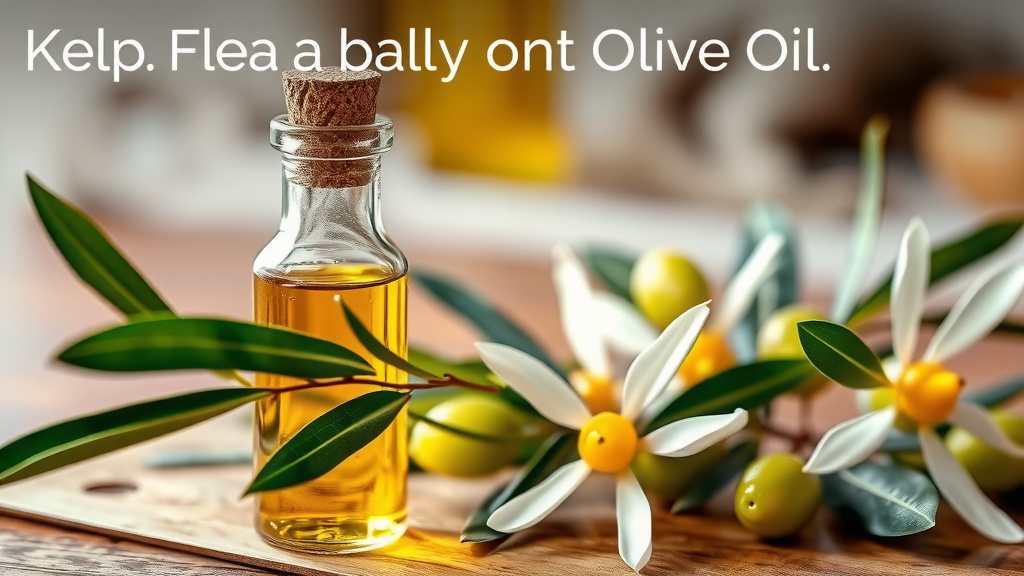
Comparing Camellia Oil and Olive Oil: Key Differences
While both oils are beneficial, they have distinct characteristics. Understanding these helps you pick the right one. Here’s a quick comparison:
| Feature | Camellia Oil | Olive Oil |
|---|---|---|
| Source | Seeds of the Camellia flower | Olives |
| Texture | Light, absorbs quickly, non-greasy | Medium-heavy, can feel slightly greasier |
| Primary Use | Skincare, haircare, light conditioning | Cooking, body moisturizing, heavy hair conditioning |
| Key Benefits | Deep hydration, anti-aging, frizz control, gentle on skin | Flavor, antioxidants, deep skin hydration, body nourishment |
| Availability | Less common, often found in specialty stores | Widely available in most grocery stores |
| Cost | Generally more expensive | More budget-friendly |
Absorption and Feel on the Skin
The biggest difference you’ll notice is how they feel. Camellia oil is famously light and fast-absorbing. It sinks into your skin quickly. This leaves your face feeling moisturized but not oily. It’s a real treat if you dislike that heavy feeling.
Olive oil, especially extra virgin, is richer. It takes longer to absorb. For your body, this can be great for sustained moisture. But for your face, it might feel a bit too much for some skin types.
Nutrient Profiles and Their Impact
Both oils are rich in oleic acid, which is great for skin and hair. Camellia oil also boasts a good amount of linoleic acid. This is another omega-6 fatty acid that can help support your skin barrier. It also contains squalene, a natural component of skin oil.
Olive oil is also high in oleic acid. It’s renowned for its high levels of polyphenols. These are potent antioxidants that offer numerous health benefits (NIH). The specific nutrient blend slightly differs, leading to their varied applications.
Making Your Choice: When to Use Each Oil
So, how do you decide? Think about what you need the oil for most. Your goal will guide you to the best option.
For Your Face and Delicate Skin
If you’re looking for a facial oil, camellia oil is often the superior choice. Its lightweight, non-comedogenic properties make it ideal. It hydrates without clogging pores. Many find it helps calm irritation too.
Olive oil can be used on the face, but proceed with caution. If you have dry or mature skin, it might work well. For oily or acne-prone skin, it’s usually best to stick with lighter oils like camellia.
For Your Hair and Scalp
Both oils can benefit your hair. For a lighter conditioning treatment, camellia oil is excellent. It can tame frizz and add shine without heaviness.
If you have very dry, thick, or coarse hair, olive oil might be more effective. It provides a deeper, richer conditioning. It can also be great for scalp treatments if you struggle with dryness.
For Everyday Cooking and Health
When it comes to the kitchen, olive oil is the clear winner. Its flavor and widespread availability make it the go-to for most cooking needs. Camellia oil has a neutral flavor, but it’s not typically used in cooking.
Your Quick Checklist for Choosing:
- Do you want a light facial moisturizer that won’t clog pores? → Camellia Oil
- Are you looking for a rich, deep conditioning treatment for dry hair? → Olive Oil
- Is your primary goal to use an oil for cooking? → Olive Oil
- Do you need an oil that absorbs very quickly? → Camellia Oil
- Is budget a major concern? → Olive Oil
- Do you have sensitive skin and need a gentle option? → Camellia Oil
Conclusion
You’ve seen how both camellia oil and olive oil offer wonderful natural benefits. For your face and delicate skin, camellia oil often wins with its light feel and quick absorption. It’s a fantastic choice for hydration without greasiness. Olive oil shines as a kitchen staple and for deeper body or hair conditioning. When choosing, consider your main goal: is it cooking, a gentle facial treatment, or intense hair repair? Your needs will point you to the perfect oil.
Make your choice based on what your skin, hair, or kitchen requires. You can confidently select the best oil for your routine after this comparison.
Frequently Asked Questions
Can I use camellia oil on oily skin?
Yes, you absolutely can! Camellia oil is known for its lightweight texture and non-greasy feel. It absorbs quickly into the skin. This makes it a great option for oily or acne-prone skin types who still need hydration without clogging pores.
Is olive oil good for very dry, cracked skin?
Olive oil can be very effective for extremely dry skin. Its rich fatty acid profile provides deep moisturization. Apply it after a shower to lock in hydration, especially on rough areas like elbows and heels.
Which oil is better for hair frizz?
For taming frizz while keeping hair light, camellia oil is often preferred. It smooths the hair cuticle and adds shine without weighing strands down. Olive oil can also help with frizz, but it might be too heavy for finer hair types.
Can I substitute camellia oil for olive oil in cooking?
It’s generally not recommended to substitute camellia oil for olive oil in cooking. While camellia oil has a neutral flavor, it’s not traditionally used for culinary purposes. Olive oil, especially extra virgin, provides distinct flavors and is designed for food preparation.
Are there any side effects of using these oils?
Both oils are generally safe for most people. However, you can have individual sensitivities. It’s always a good idea to do a patch test on a small area of your skin before widespread use. Discontinue use if you experience any irritation.

![7 Best Olive Oil Brand For Skin [2026]](https://bestpureessentialoils.com/wp-content/uploads/2026/09/7-best-olive-oil-brand-for-skin-2026-featured-768x432.jpg)