
Canola Oil vs. Olive Oil Smoke Point: Which is Best
When choosing between canola oil and olive oil for cooking, canola oil generally has a higher smoke point. This means it can be heated to a higher temperature before it starts to smoke and burn. If you’re searing meat or stir-frying at high heat, canola oil is often the better choice.
Olive oil, especially extra virgin olive oil, is fantastic for dressings and low-heat cooking. Its smoke point is lower, so using it for high-heat applications can create unwanted smoke and bitterness. We found that understanding these differences helps you pick the right oil for your culinary adventures.
- Canola oil has a higher smoke point than olive oil.
- High smoke points are best for searing and stir-frying.
- Lower smoke points are great for dressings and light sautéing.
- Extra virgin olive oil has the lowest smoke point among olive oils.
- Choosing the right oil prevents burning and bitterness.
Let’s dive into the specifics of each oil’s smoke point and when you should reach for them in your kitchen.
You’ve got your ingredients ready, your pan is heating up, and you’re about to start cooking. But wait! Which oil should you reach for? The choice between canola and olive oil often comes down to heat. Understanding their smoke points can save your dish from becoming a smoky, bitter mess.
Heating Up: Understanding Oil Smoke Points
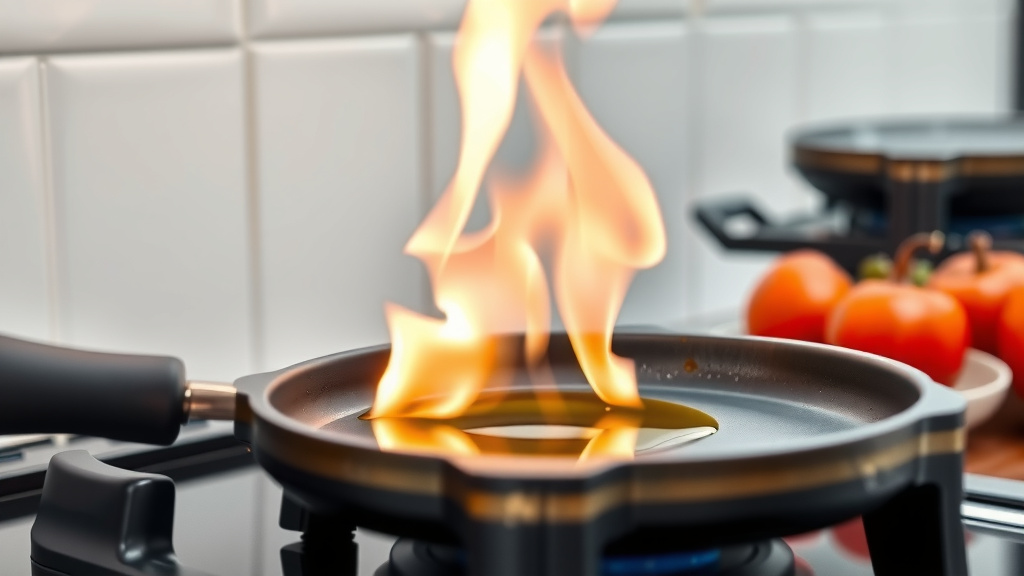
What exactly is a smoke point? It’s the temperature at which an oil begins to break down. When an oil reaches its smoke point, it starts to produce visible smoke. This smoke contains acrolein, a compound that gives burnt food its bitter taste. It can also release harmful free radicals. Therefore, cooking with oil below its smoke point is key for healthy and delicious meals.
We found that many home cooks aren’t sure about the precise smoke points of common oils. Knowing this helps you avoid culinary mishaps. Think of it like this: using an oil with a low smoke point for high-heat cooking is like trying to send a postcard by express jet – it’s just not built for that kind of speed and intensity.
Canola Oil’s Heat Tolerance
Canola oil is a popular choice for many cooking methods. It’s made from rapeseed, and the refined version has a pretty high smoke point. This makes it quite versatile in the kitchen. Many recipes call for canola oil, especially when higher heat is involved.
Refined Canola Oil
Refined canola oil has a smoke point typically around 400°F (204°C). This is quite high compared to many other cooking oils. Because it’s refined, impurities that can cause smoking are removed. This results in a cleaner oil that can withstand more heat before it starts to degrade.
Unrefined Canola Oil
You might also find unrefined canola oil. It has a lower smoke point, often around 350°F (177°C). The refining process significantly impacts the smoke point. For most everyday cooking and baking, refined canola oil is what you’ll likely encounter.
Olive Oil’s Range of Heat Capabilities
Olive oil is a staple in many kitchens, especially for those who enjoy Mediterranean flavors. However, not all olive oils are created equal when it comes to heat. The type of olive oil dramatically affects its smoke point. This is where things can get a little nuanced.
Extra Virgin Olive Oil (EVOO)
Extra virgin olive oil is the least processed. It’s extracted purely by mechanical means. This means it retains more natural compounds, including antioxidants and flavor. However, these compounds also make it more susceptible to heat. EVOO typically has a smoke point of around 325°F to 375°F (163°C to 190°C). We found that this lower range makes it less ideal for high-heat searing or frying.
Virgin Olive Oil
Virgin olive oil is also minimally processed but has slightly higher acidity than EVOO. Its smoke point is a bit higher, usually around 375°F to 405°F (190°C to 207°C). It’s a step up from EVOO for moderate heat cooking.
Pure Olive Oil (or “Olive Oil”)
This type is often a blend of refined olive oil and some virgin or extra virgin olive oil. The refining process raises its smoke point. You can expect pure olive oil to have a smoke point around 390°F to 470°F (199°C to 243°C). This makes it much more suitable for higher-heat cooking than its extra virgin counterpart.
Light or Extra Light Olive Oil
Don’t let the “light” fool you; it refers to flavor and color, not calories. These oils are highly refined. They have a smoke point that can reach up to 465°F to 510°F (240°C to 266°C). This makes them excellent for high-heat cooking and frying. Many experts say these refined olive oils perform similarly to vegetable oils in terms of heat tolerance.
When to Choose Which Oil: A Practical Guide
Now that you know the numbers, let’s talk about putting them to use in your kitchen. The best oil for a recipe often depends on the cooking temperature you need.
High-Heat Cooking: Searing, Frying, and Sautéing
For methods that require high temperatures, like pan-searing steak, stir-frying vegetables, or deep-frying, you need an oil that can handle the heat without smoking. Here, canola oil shines.
Canola oil’s refined version has a smoke point that comfortably sits above 400°F. This means you can heat your pan to get a good sear on your chicken or stir-fry your veggies quickly without worrying about burning the oil. Many guidelines from culinary institutions suggest using oils with smoke points above 400°F for these applications (Culinary Institute of America).
If you’re choosing olive oil for high heat, opt for the highly refined “light” or “extra light” versions. Their smoke points are much higher. However, you’ll miss out on the distinct flavor profile of extra virgin olive oil. We found that using pure or light olive oil is a good compromise when you want some olive oil flavor but need the heat tolerance.
Low to Medium-Heat Cooking and Finishing
When you’re not turning up the heat, you have more flexibility. This includes sautéing at lower temperatures, baking, and finishing dishes.
Extra virgin olive oil is perfect here. Its wonderful flavor is best appreciated when not subjected to extreme heat. Drizzling EVOO over pasta, using it in salad dressings, or lightly sautéing garlic and onions are ideal uses. Research indicates that exposing EVOO to high heat can degrade its beneficial compounds and flavor (Journal of Agricultural and Food Chemistry).
We found that even refined olive oil can be used for medium-heat baking. Its higher smoke point means it won’t break down as quickly in the oven. It can be a good substitute for canola oil in many baking recipes if you prefer its flavor.
Quick Comparison Table
To make things simple, here’s a quick look at the typical smoke points:
| Oil Type | Typical Smoke Point (°F) | Typical Smoke Point (°C) | Best Use Cases |
|---|---|---|---|
| Refined Canola Oil | 400°F | 204°C | Searing, frying, baking, sautéing |
| Extra Virgin Olive Oil | 325-375°F | 163-190°C | Dressings, finishing, low-heat sautéing |
| Pure Olive Oil | 390-470°F | 199-243°C | Sautéing, baking, moderate frying |
| Light/Extra Light Olive Oil | 465-510°F | 240-266°C | High-heat frying, searing |
Your Kitchen Cheat Sheet
Need a quick reminder before you start cooking?
- High Heat? Reach for refined canola or light/extra light olive oil.
- Flavor First? Extra virgin olive oil is your friend for dressings and finishing.
- Moderate Heat? Pure olive oil or refined canola oil are good choices.
- Baking? Both refined canola and pure/light olive oil usually work well.
- Avoid Smoke! Always keep your oil below its smoke point.
- Experiment! Taste the difference and see what you prefer for different dishes.
Conclusion
Choosing the right oil between canola and olive oil boils down to your cooking method and desired flavor. Remember, canola oil, especially refined, offers a higher smoke point, making it your go-to for high-heat searing and frying. Extra virgin olive oil, with its lower smoke point, is best reserved for dressings and low-heat applications where its flavor can truly shine. We’ve seen that understanding these smoke points prevents burnt oil and bitter food. Now you have the knowledge to select the perfect oil for every dish you create. Happy cooking!
Frequently Asked Questions
What happens if I cook olive oil past its smoke point?
When you heat olive oil past its smoke point, it begins to break down. This process releases acrolein, a compound that creates a bitter taste and unpleasant smoke. It can also degrade the beneficial compounds found in olive oil, impacting both flavor and health benefits.
Can I use canola oil for salad dressings?
Yes, you can technically use canola oil for salad dressings. However, refined canola oil has a neutral flavor. If you’re looking for a more robust taste in your dressing, extra virgin olive oil is generally preferred for its distinctive fruity or peppery notes.
Does extra virgin olive oil always have the lowest smoke point?
Generally, yes. Extra virgin olive oil is the least processed type of olive oil, retaining more natural compounds that make it susceptible to heat. Other types of olive oil, like pure or light olive oil, are more refined and have higher smoke points.
Is it safe to eat food cooked in oil past its smoke point?
While it’s generally safe in small amounts, cooking past an oil’s smoke point is not ideal. The breakdown of the oil can produce bitter flavors and potentially harmful compounds. It’s best to always cook within the oil’s smoke point range for healthier and tastier results.
Can I substitute canola oil for olive oil in baking recipes?
Yes, you can often substitute canola oil for olive oil in baking recipes, especially if the recipe calls for moderate heat. Refined canola oil has a higher smoke point and a neutral flavor that works well in most baked goods. If the recipe specifically relies on olive oil flavor, a substitution might alter the taste.

![7 Best Extra Virgin Olive Oil To Buy [2026]](https://bestpureessentialoils.com/wp-content/uploads/2026/08/7-best-extra-virgin-olive-oil-to-buy-2026-featured-768x432.jpg)
![7 Best Extra Virgin Olive Oil Recommendations 2025 [2026]](https://bestpureessentialoils.com/wp-content/uploads/2026/08/7-best-extra-virgin-olive-oil-recommendations-2025-2026-featured-768x432.jpg)