
Canola Oil vs Olive Oil: Which is Best for Cooking
When comparing canola oil versus olive oil for cooking, olive oil is generally the healthier choice for most home cooking, especially for low-to-medium heat applications. Canola oil has a higher smoke point, making it suitable for high-heat frying, but olive oil offers more beneficial antioxidants and monounsaturated fats. Your choice depends on the cooking method and desired health benefits.
Both oils can be staples in your kitchen, but they bring different strengths to the table. Olive oil, particularly extra virgin olive oil, is praised for its rich flavor and health-promoting compounds. Canola oil is a more neutral-tasting, budget-friendly option that performs well in baking and high-heat scenarios, but research suggests it may have fewer overall health benefits compared to its Mediterranean counterpart. We’ve found that understanding their unique properties helps you make the best choice for your meals.
- Olive oil is generally healthier, especially for lower heat.
- Canola oil is better for high-heat cooking and baking.
- Extra virgin olive oil is packed with antioxidants.
- Canola oil offers a neutral flavor and lower cost.
- Your cooking method determines the best oil to use.
Let’s break down the key differences between canola oil and olive oil so you can pick the perfect one for your next culinary adventure.
You’ve got your ingredients ready, your recipe open, and your stove preheated. But wait – what oil should you reach for? The choice between canola oil and olive oil can feel like a big decision for your meal. Let’s sort out which oil is best suited for your cooking needs.
Comparing Canola Oil and Olive Oil for Your Kitchen
When deciding between canola oil and olive oil, think about the cooking method you’ll use. Both have distinct properties that make them shine in different situations. We found that understanding their smoke points and nutritional profiles helps you make the best choice.
Understanding the Smoke Point: Heat Tolerance Matters
The smoke point of an oil is the temperature at which it starts to break down and produce visible smoke. This is a critical factor for cooking, especially when you’re frying or searing.
Canola Oil’s High Smoke Point
Canola oil generally has a higher smoke point, often around 400°F (204°C) for refined versions. This makes it a reliable choice for high-heat cooking methods. You can use it for deep-frying, stir-frying, and pan-searing without worrying too much about it burning. Many home cooks appreciate this consistency when they need a neutral oil that can withstand intense heat.
Olive Oil’s Variable Smoke Point
Olive oil’s smoke point can vary quite a bit depending on its type. Extra virgin olive oil (EVOO), which is less processed, has a lower smoke point, typically around 375°F (190°C). This makes it best for lower-heat cooking like sautéing, baking, or as a finishing oil. Refined olive oil, or “light” olive oil, has a higher smoke point, closer to canola oil, making it a bit more versatile for higher heat.
Nutritional Differences: What’s Inside Each Bottle?
Beyond heat tolerance, the nutritional content of each oil plays a role in your health. Research and findings often point to different benefits for each.
Olive Oil: A Champion of Healthy Fats
Olive oil, especially extra virgin olive oil, is celebrated for its high content of monounsaturated fats. These are considered heart-healthy fats. Many guidelines suggest that replacing saturated fats with monounsaturated fats can help improve cholesterol levels (Mayo Clinic). EVOO is also rich in antioxidants, like polyphenols, which have anti-inflammatory properties. We found that these compounds are a major reason experts often recommend olive oil.
Canola Oil: A Processed Oil with Benefits
Canola oil is made from the rapeseed plant. It’s a good source of monounsaturated fats and also contains polyunsaturated fats, including omega-3 fatty acids. While it contains some beneficial fats, the processing it undergoes to become canola oil can be a concern for some. Research suggests it has fewer antioxidants compared to extra virgin olive oil (NCBI).
Fatty Acid Breakdown
Here’s a quick look at the fatty acid profiles:
| Fat Type | Olive Oil (EVOO) | Canola Oil (Refined) |
|---|---|---|
| Monounsaturated Fats | ~73% | ~63% |
| Polyunsaturated Fats | ~11% | ~28% |
| Saturated Fats | ~14% | ~7% |
As you can see, both offer healthy fats, but their proportions differ. Olive oil leads in monounsaturated fats, while canola oil has a higher amount of polyunsaturated fats, including omega-3s.
Flavor Profile: Enhancing Your Dishes
The taste of your cooking oil can significantly impact the final dish. This is where the oils really diverge.
Olive Oil’s Distinctive Taste
Extra virgin olive oil has a robust, often peppery or fruity flavor. This flavor can be a wonderful addition to dishes, especially those that benefit from a Mediterranean flair. Think salad dressings, finishing drizzled over roasted vegetables, or dipping crusty bread. The flavor is one of its strongest selling points.
Canola Oil’s Neutrality
Canola oil is known for its neutral flavor. This makes it incredibly versatile, especially in baking. You won’t taste it much, allowing the flavors of your other ingredients to take center stage. If you don’t want your oil to alter the taste of your baked goods or main dishes, canola oil is a great option.
Best Uses for Each Oil
Based on their properties, we can pinpoint the ideal scenarios for using each oil.
Where Canola Oil Shines
- High-heat frying: Its high smoke point means less burning and smoke.
- Baking: Its neutral flavor won’t interfere with sweet or savory baked goods.
- Stir-fries: It can handle the intense heat of a wok.
- General cooking: When you need a reliable, all-purpose oil.
Where Olive Oil Shines
- Salad dressings: Its flavor adds complexity.
- Sautéing and light pan-frying: Best for medium heat.
- Finishing oil: Drizzled over dishes for extra flavor and healthy fats.
- Marinades: It complements herbs and spices beautifully.
- Baking (some recipes): When a slight fruity note is desired.
Making Your Final Choice: A Quick Checklist
Still wondering which oil to grab? Consider these points:
- Are you frying at high heat? → Canola might be better.
- Are you making a salad dressing? → Olive oil is ideal.
- Do you want added antioxidants? → Reach for EVOO.
- Is flavor neutrality key for baking? → Canola is your friend.
- Are you looking for heart-healthy fats? → Both offer benefits, but EVOO is often cited.
- What’s your budget? → Canola is typically less expensive.
Ultimately, having both canola oil and olive oil in your pantry gives you the flexibility to cook almost anything. We found that this dual approach covers most cooking needs effectively.
Conclusion
You now have a clear picture of canola oil versus olive oil. Remember, olive oil is often the top choice for health, especially with its antioxidants and heart-healthy fats for lower-heat cooking. Canola oil offers a neutral flavor and higher smoke point, making it your go-to for baking and high-heat frying. Your best bet? Keep both on hand. This simple strategy ensures you always have the right oil for any recipe, from a delicate salad dressing to a sizzling stir-fry. Happy cooking!
Frequently Asked Questions
Which oil is better for weight loss?
Neither oil is a magic bullet for weight loss. Both are fats and calorie-dense. However, olive oil’s monounsaturated fats are often associated with better satiety, which might help you feel fuller longer. Focus on portion control and a balanced diet regardless of your oil choice.
Can I substitute canola oil for olive oil in baking?
Yes, you can often substitute canola oil for olive oil in baking recipes. Canola oil’s neutral flavor won’t alter the taste of your baked goods. If you’re using extra virgin olive oil, be aware that its flavor might come through in the final product. You may need to adjust quantities slightly depending on the recipe’s fat requirements.
Is canola oil bad for you because it’s processed?
The processing of canola oil is a concern for some people. However, research suggests that refined canola oil still offers benefits, like healthy monounsaturated and polyunsaturated fats. It’s a source of omega-3s and has a good fatty acid profile. Your personal dietary philosophy will guide your choice.
When should I avoid using olive oil?
You should avoid using extra virgin olive oil for very high-heat cooking like deep-frying or searing. Its lower smoke point means it can burn, degrade, and produce unpleasant flavors or potentially harmful compounds. For these methods, a refined olive oil or canola oil would be more suitable.
Does the color of olive oil indicate its quality?
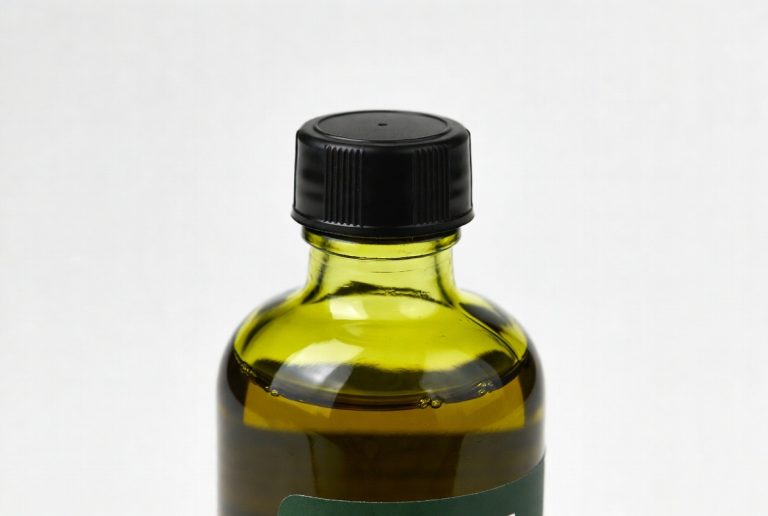
The color of olive oil can range from vibrant green to golden yellow. While color can be an indicator, it’s not the sole determinant of quality. Factors like freshness, production method, and varietal of olives play a larger role. Taste and aroma are often better indicators of a good quality olive oil.


![7 Best Green Olive Oil [2026]](https://bestpureessentialoils.com/wp-content/uploads/2026/08/7-best-green-olive-oil-2026-featured-768x432.jpg)