
Castor Oil vs Olive Oil for Eyelashes: Which Wins
When choosing between castor oil and olive oil for your eyelashes, castor oil is generally considered the superior choice for promoting growth and thickness. While olive oil offers moisturizing benefits, castor oil contains ricinoleic acid, a fatty acid that many believe stimulates hair follicles more effectively. You might find that castor oil provides a thicker consistency and a more potent effect.
Both oils are natural moisturizers and can condition your lashes, making them appear healthier and less brittle. Many people turn to these natural oils hoping for longer, fuller lashes without harsh chemicals. Understanding their unique properties helps you make the best decision for your lash care routine. We’ve looked at what makes each oil work.
- Castor oil often wins for lash growth.
- Olive oil is a good moisturizer.
- Both can condition and strengthen lashes.
- Look at your specific lash goals.
Let’s break down exactly how castor oil and olive oil compare for your lashes, so you can decide which is best for you.
“`htmlComparing Castor Oil and Olive Oil for Your Eyelashes
You’re curious about natural ways to boost your lashes. Both castor oil and olive oil are popular choices. But which one really delivers? We dug into what makes them tick for your lash health.
Castor Oil: The Growth Guru?
Castor oil is often hailed as the champion for eyelash growth. Many people swear by it for thicker, longer-looking lashes. What’s the secret sauce? It’s all about its unique fatty acid profile.
The Power of Ricinoleic Acid
Castor oil is packed with ricinoleic acid. This is a type of fatty acid not commonly found in other oils. Research suggests ricinoleic acid might help stimulate hair follicles. It could potentially increase circulation to the scalp and skin. This improved blood flow might encourage new hair growth. It’s like giving your lash roots a little wake-up call.
What the Science Says (and Doesn’t Say)
While many anecdotal reports praise castor oil for growth, large-scale scientific studies specifically on human eyelashes are limited. Most findings are based on its effects on hair growth in general. However, the presence of ricinoleic acid makes it a promising candidate. Many guidelines suggest it as a natural option for hair enhancement (NCBI).
Texture and Application
Castor oil has a viscous and thick consistency. This means it can be a bit tricky to apply. It’s less likely to drip into your eyes than thinner oils. You might need a special applicator or a very careful hand. A little goes a long way, so start with just a drop.
Olive Oil: The Moisturizing Marvel
Olive oil is a kitchen staple, but it’s also great for your beauty routine. When it comes to lashes, its primary benefit is deep conditioning and moisturizing. Think of it as a spa treatment for your lashes.
Hydration and Shine
Olive oil is rich in fatty acids and antioxidants, like oleic acid and vitamin E. These components are excellent for moisturizing dry, brittle lashes. It can help to smooth the hair cuticle. This makes your lashes appear shinier and healthier. It’s like giving them a protective, glossy coat.
Strengthening Lashes
By moisturizing, olive oil helps to make your lashes more pliable. This means they are less likely to break. If you experience lash fallout due to dryness or damage, olive oil can be very beneficial. It’s not typically associated with stimulating new growth, but it can certainly improve the appearance of existing lashes.
Ease of Use
Olive oil is much thinner than castor oil. This makes it easier to apply with a spoolie brush or cotton swab. It spreads more easily. However, its thinner consistency means it might be more prone to dripping. You’ll want to be careful during application to avoid getting it in your eyes.
Direct Comparison: Castor vs. Olive for Lashes
Let’s put these two head-to-head to see how they stack up for your specific lash goals.
| Feature | Castor Oil | Olive Oil |
|---|---|---|
| Primary Benefit | Potential lash growth, thickness | Moisturizing, conditioning, shine |
| Key Ingredient | Ricinoleic acid | Oleic acid, Vitamin E |
| Texture | Thick, viscous | Thinner, lighter |
| Application Ease | More difficult, less likely to drip | Easier, more prone to dripping |
| Best For | Those seeking growth and fullness | Those needing moisture and strength |
Which Oil for Which Goal?
If your main aim is to encourage your lashes to grow longer and appear fuller, castor oil is likely your best bet. The unique properties of ricinoleic acid give it an edge in this department.
On the other hand, if your lashes feel dry, brittle, or you’re looking for them to appear healthier and shinier, olive oil is an excellent choice. It excels at providing much-needed hydration and can help prevent breakage.
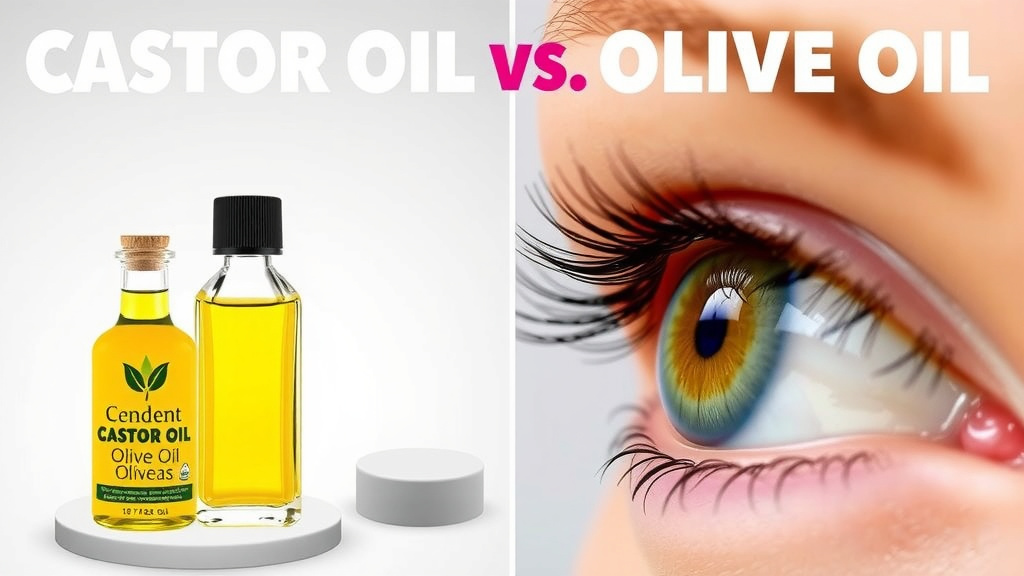
How to Apply for Best Results
Whichever oil you choose, proper application is key to seeing results and avoiding irritation. You don’t want to end up with oily eyelids instead of beautiful lashes!
Preparation is Key
Always start with a clean face. Gently remove all makeup, especially mascara and eyeliner. Wash your eyelids and lashes with a mild cleanser. Pat the area dry carefully.
Application Technique
Dip a clean spoolie brush or a cotton swab into the oil. For castor oil, you might only need a tiny amount. For olive oil, a little more might be fine. Gently brush the oil onto your lash line, from root to tip. Try to coat each lash evenly. Avoid getting the oil directly into your eyes. It’s best to do this before bed, so the oil can work its magic overnight.
Consistency Matters
Whether you choose castor or olive oil, you need to be patient. Results won’t happen overnight. Aim to apply your chosen oil consistently every night for several weeks. Many people start seeing noticeable changes after 4-8 weeks of regular use.
Important Considerations Before You Start
Before you dive in, let’s cover a few important points to ensure a safe and positive experience.
Patch Test Recommended
Even natural ingredients can sometimes cause reactions. Before applying any new oil all over your lashes, do a patch test. Apply a small amount to your inner wrist or the back of your hand. Wait 24 hours to check for any redness, itching, or irritation.
Potential Side Effects
The biggest risk is getting oil in your eyes. This can cause temporary blurry vision or irritation. If you have sensitive skin, you might experience a mild breakout along the lash line. If irritation occurs, discontinue use immediately and wash the area thoroughly.
Realistic Expectations
While both oils can improve lash health and appearance, they are not magic wands. They can condition, moisturize, and potentially encourage growth. However, they won’t give you dramatic, false-lash results. Genetics also play a role in your natural lash length and thickness.
Your Lash Care Checklist
Ready to try an oil for your lashes? Here’s a quick checklist to keep you on track:
- Choose your oil: Castor for growth, Olive for moisture.
- Perform a patch test first.
- Apply to clean, dry lashes before bed.
- Use a clean spoolie or cotton swab.
- Be patient and consistent for best results.
- Stop if you experience irritation.
Conclusion
You’ve learned that both castor oil and olive oil can benefit your lashes. Castor oil shines for its potential to encourage growth and thickness, thanks to ricinoleic acid. Olive oil excels at moisturizing, strengthening, and adding shine to dry, brittle lashes. Your choice really depends on your primary lash goal. If you’re aiming for lusher lashes, reach for castor oil. For healthier, more resilient lashes, olive oil is your go-to. Whichever you choose, remember consistency is key for seeing results. Start your nightly routine tonight and give your lashes the care they deserve!
Frequently Asked Questions
Can I use both castor oil and olive oil on my lashes?
Yes, you can! Some people find success alternating between the two oils. You might use castor oil a few nights a week for growth and switch to olive oil on other nights for conditioning. Always ensure you are not experiencing any irritation when using them together.
How long does it take to see results from castor oil or olive oil?
Patience is important here. You typically need to use the oil consistently for 4 to 8 weeks before you start noticing changes. Some people see results sooner, while others may take a bit longer depending on their natural lash cycle and consistency of application.
What’s the best way to remove oil from my lashes in the morning?
Gently cleanse your face as usual. Using a mild facial cleanser and warm water should be sufficient. You can also use a cotton pad with a gentle eye makeup remover to carefully swipe away any residue. Avoid rubbing your eyes vigorously.
Is castor oil safe for sensitive eyes?
While castor oil is natural, it can still cause irritation for some. It’s crucial to do a patch test first. Avoid getting the oil directly into your eyes, as this can cause temporary blurry vision and discomfort. If you have very sensitive eyes, proceed with caution or consult a doctor.
Will olive oil make my lashes fall out faster?
No, olive oil should not make your lashes fall out faster. In fact, its moisturizing properties can help strengthen your existing lashes, making them less prone to breakage. This can actually help you retain your lashes longer, contributing to a fuller appearance over time.

![7 Best Food Olive Oil [2026]](https://bestpureessentialoils.com/wp-content/uploads/2026/08/7-best-food-olive-oil-2026-featured-768x432.jpg)


![7 Best Extra Virgin Olive Oil For Skin And Hair [2026]](https://bestpureessentialoils.com/wp-content/uploads/2026/08/7-best-extra-virgin-olive-oil-for-skin-and-hair-2026-featured-768x432.jpg)