
Castor Oil vs Olive Oil for Face: Which is Best
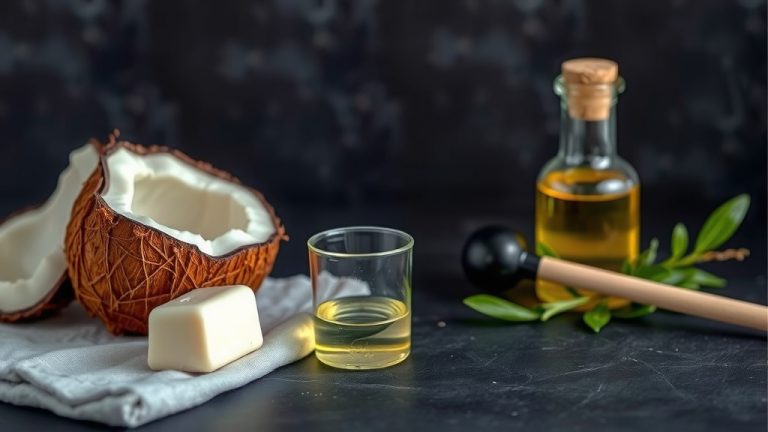
When choosing between castor oil and olive oil for your face, castor oil often comes out on top for deep cleansing and acne treatment. Olive oil, while moisturizing, can be too heavy for some skin types and may clog pores. Many find castor oil a better choice for specific concerns.
Both oils have unique properties that can benefit your skin. Castor oil is known for its potent anti-inflammatory and antimicrobial qualities. Olive oil, on the other hand, is rich in antioxidants and healthy fats that nourish and hydrate dry skin. Your skin type will play a big role in which one you prefer.
- Castor oil is great for deep cleaning and fighting acne.
- Olive oil offers moisturizing benefits for dry skin. Olive oil offers moisturizing benefits for dry skin; discover the best extra virgin olive oil for your face.
- Both oils have different strengths for facial skincare.
- Choosing depends on your specific skin needs and goals.
Let’s dive into the specifics of each oil and help you decide which is the better fit for your skincare routine.
Castor Oil vs. Olive Oil: Which Works Better for Your Face?
You’re wondering which oil to choose for your face. It’s a common question! Both castor oil and olive oil have skincare fans. Each offers different benefits. We’ve looked into what makes them unique. We’ll help you figure out which one might be your skin’s new best friend.
Understanding Castor Oil’s Power
Castor oil is a bit of a superhero for certain skin issues. It comes from the castor bean plant. Its texture is thicker than many oils. This thickness gives it a special way of working on your skin. We found that its unique fatty acid profile is key.
The Magic of Ricinoleic Acid
The star of the show in castor oil is ricinoleic acid. This is a fatty acid that makes up most of the oil. It has been studied for its anti-inflammatory properties. This means it can help calm down red, irritated skin. Think of it as a soothing balm. Many sources, like the National Institutes of Health (NIH), highlight these properties.
Why It’s Great for Acne and Blemishes
If you struggle with acne, castor oil might be your answer. Ricinoleic acid also has antimicrobial qualities. This helps fight the bacteria that can cause breakouts. It can also help reduce the swelling and redness associated with pimples. You might find it helps clear up your skin faster.
Deep Cleansing Action
Castor oil is also a fantastic deep cleanser. It has a high viscosity, meaning it’s thick. This allows it to penetrate pores deeply. It can help draw out impurities and excess sebum that clog your skin. This is often done through a process called oil cleansing. You can use it alone or mixed with another oil. Many people find this method leaves their skin feeling incredibly clean.
Potential Downsides for Some
However, castor oil isn’t for everyone. Its thick texture can feel heavy for some skin types. If you have very dry skin, you might need to mix it with a lighter oil. Also, because it’s so potent, it’s important to use it sparingly. Applying too much can sometimes lead to irritation for sensitive individuals. We suggest doing a patch test first.
Exploring the Benefits of Olive Oil for Your Face
Olive oil has been a skincare staple for centuries. It’s made from pressing olives. You probably have some in your kitchen right now! It’s known for being very moisturizing and nourishing. It’s packed with compounds that your skin loves.
Rich in Antioxidants
One of the main benefits of olive oil is its antioxidant content. It’s loaded with vitamins A, E, and K. These antioxidants help protect your skin from damage caused by free radicals. Free radicals are unstable molecules that can lead to premature aging. So, olive oil can help keep your skin looking youthful.
Deep Hydration for Dry Skin
If you have dry or flaky skin, olive oil can be a lifesaver. Its fatty acids are very similar to the natural oils in your skin. This means it can help restore your skin’s moisture barrier. It locks in hydration, leaving your skin feeling soft and supple. You’ll often find it recommended for people with very dry or mature skin types.
The Drawback: Potential for Clogged Pores
Here’s where olive oil can sometimes cause problems for certain people. While it’s great for dryness, its rich, emollient nature can be too much for oily or acne-prone skin. It has a comedogenic rating, meaning it can potentially clog pores. We found that even a small amount can sometimes lead to breakouts for those prone to them. For this reason, it’s often not the first choice for oily or acneic complexions.
Castor Oil vs. Olive Oil: A Direct Comparison
So, how do they stack up side-by-side? It really comes down to your skin’s unique needs. Here’s a quick look:
| Feature | Castor Oil | Olive Oil |
|---|---|---|
| Primary Benefit | Deep cleansing, acne treatment, anti-inflammatory | Moisturizing, antioxidant protection, hydration |
| Skin Type Best For | Oily, acne-prone, congested skin | Dry, mature, normal skin |
| Texture | Thick, viscous | Medium-rich, smooth |
| Potential Issue | Can be too heavy for very dry skin; may irritate sensitive skin if overused | Can clog pores for oily or acne-prone skin |
| Key Ingredient | Ricinoleic acid | Oleic acid, antioxidants (Vitamins A, E, K) |
When to Reach for Castor Oil
You might want to grab your castor oil if you’re dealing with:
- Frequent breakouts or acne
- Blackheads and whiteheads
- Skin that feels congested or sluggish
- Inflamed or red patches
- A desire for a deep pore cleanse
When Olive Oil Might Be Your Go-To
Reach for olive oil when your skin needs:
- A serious boost of hydration
- Soothing for dry, tight patches
- Protection from environmental stressors
- A gentle, nourishing feel
- To combat the appearance of fine lines associated with dryness
Tips for Using Oils on Your Face
No matter which oil you choose, there are a few universal tips. These will help you get the best results. We’ve found these practices are key for happy skin.
Start Small
A little goes a long way with both oils. Using too much can lead to greasiness or breakouts. Start with just a few drops. You can always add more if needed.
Patch Test First
Before slathering any new oil all over your face, test it on a small area. The back of your jawline or behind your ear is a good spot. Wait 24 hours to see if any redness or irritation occurs. This is a simple step that can save you a lot of trouble.
Consider a Blend
You don’t have to pick just one! Many people find success by mixing castor oil with a lighter carrier oil. Jojoba oil or grapeseed oil are popular choices. This can help balance the properties of castor oil. It can make it more suitable for a wider range of skin types.
Proper Application Matters
Warm the oil slightly between your hands. Then, gently massage it onto your clean, damp skin. Pat your skin dry afterward. This helps seal in the moisture. For oil cleansing, you’ll use a slightly different method, typically massaging onto dry skin and then removing with a warm, damp cloth.
Making the Final Choice for Your Skin
So, which oil is better? The truth is, there’s no single “better” oil. It’s all about **your individual skin type and concerns**. If acne and deep cleansing are your main goals, castor oil is likely your winner. For intense hydration and antioxidant support for dry or normal skin, olive oil shines. Your journey to healthier skin might involve some experimentation. But understanding these core differences is a great starting point!
Conclusion
You now understand the key differences between castor oil and olive oil for your facial skincare. Castor oil excels at deep cleansing and tackling acne, thanks to its potent ricinoleic acid. Olive oil is your go-to for rich hydration and antioxidant protection, especially if your skin is dry or mature. Remember, the best oil for you depends on your unique skin type and concerns. Don’t be afraid to experiment with a small amount or even a blend. Start by assessing your skin’s needs and choose the oil that will best support your journey to healthier, happier skin.
Frequently Asked Questions
Can I use castor oil on my sensitive skin?
You can try castor oil on sensitive skin, but proceed with caution. Its potent properties can sometimes cause irritation. Always perform a patch test on a small area first. If you experience redness or discomfort, dilute it with a lighter carrier oil like jojoba.
Is olive oil good for oily skin?
Olive oil is generally not recommended for oily skin. It has a higher likelihood of clogging pores, which can lead to breakouts. If you have oily skin and want to try oil cleansing, lighter oils like grapeseed or squalane are often better choices.
How often should I use castor oil on my face?
For deep cleansing or acne treatment, you can use castor oil a few times a week. For daily use, consider mixing it with a lighter oil to avoid overwhelming your skin. Pay attention to how your skin responds and adjust the frequency accordingly.
Can I leave olive oil on my face overnight?
Leaving olive oil on your face overnight can be very beneficial for dry or mature skin. It provides continuous hydration and nourishment. However, if you have combination or oily skin, it might be too heavy and could lead to clogged pores. Consider using it as a richer night treatment on drier areas only.
What’s the best way to remove castor oil if I oil cleanse?
When oil cleansing with castor oil, you’ll typically massage it onto dry skin. Then, use a warm, damp washcloth to gently wipe it away. The warmth helps to loosen the oil and draw out impurities. Follow up with your regular cleanser or a splash of water.

![7 Best Meyer Lemon Olive Oil [2026]](https://bestpureessentialoils.com/wp-content/uploads/2026/09/7-best-meyer-lemon-olive-oil-2026-featured-768x432.jpg)