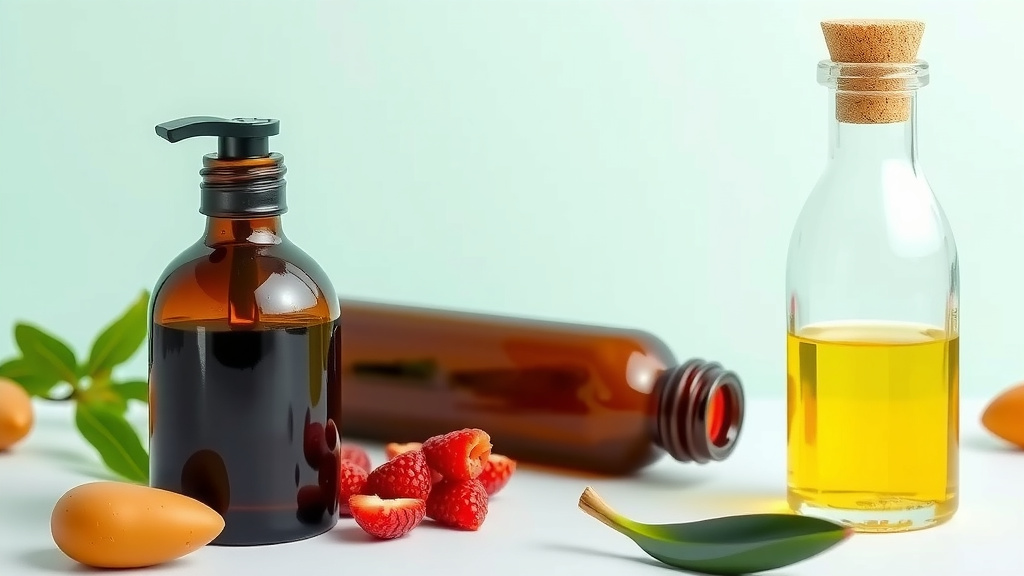
Castor Oil vs Olive Oil for Hair: Which is Better?
When choosing between castor oil and olive oil for your hair, the best choice depends on your specific hair needs. Castor oil is generally better for promoting hair growth and thickness due to its ricinoleic acid content. Olive oil, on the other hand, is excellent for moisturizing and conditioning dry, brittle hair.
Both oils are natural powerhouses for hair health. Castor oil can help strengthen strands and reduce breakage, while olive oil is packed with antioxidants that can protect your hair. Many people find that using a combination can offer the best of both worlds for overall hair care.
- Castor oil is often best for hair growth.
- Olive oil excels at moisturizing dry hair.
- Both oils offer conditioning benefits.
- Your hair type and goals will guide your choice.
Let’s get into the details of what makes each oil unique for your hair and how you can use them.
“`htmlCastor Oil vs. Olive Oil for Your Hair: Which Reigns Supreme?
You’re curious about natural oils for your hair, and that’s fantastic! Both castor oil and olive oil are beloved for their hair benefits. They offer different strengths, making one a better fit than the other depending on what you want to achieve. Think of them as specialized tools in your hair care toolkit. You wouldn’t use a hammer to tighten a screw, right? The same applies here. We’ll break down what makes each oil special and help you decide which is your hair’s new best friend.
Understanding Castor Oil’s Power
Castor oil is famous for a reason. It’s often linked to hair growth and thickness. This oil comes from castor beans. What makes it stand out is its high concentration of ricinoleic acid. This fatty acid is believed to have anti-inflammatory properties. It might also help improve circulation to your scalp. Better scalp circulation can mean a healthier environment for hair follicles to thrive.
The Growth and Thickness Factor
Many people turn to castor oil when they want their hair to grow longer or appear fuller. We’ve seen reports suggesting that ricinoleic acid can stimulate certain receptors on the scalp. This stimulation might encourage hair follicles to produce new hair. It’s not a magic potion, but consistency can yield noticeable results. Your hair might feel stronger and less prone to breakage too.
Potential for Stronger Strands
Beyond just growth, castor oil can help improve the overall health of your existing hair. Its thick consistency coats the hair shaft. This can help protect your hair from damage and reduce split ends. If your hair feels brittle or snaps easily, castor oil might offer some much-needed reinforcement. It helps to create a protective barrier.
Exploring the Benefits of Olive Oil
Olive oil, a staple in kitchens worldwide, is also a star for hair care. It’s packed with nourishing compounds. We’re talking about healthy fatty acids and antioxidants. These components make it a fantastic moisturizer. It’s particularly good for hair that feels dry and lacks shine. Think of it as a deep conditioner from nature.
Moisture and Shine Unleashed
Dry hair is often thirsty hair. Olive oil is like a refreshing drink for your strands. Its moisturizing properties help to hydrate the hair shaft. This can leave your hair feeling softer and looking much shinier. If you struggle with frizz, olive oil can help smooth things down. It smooths the cuticle, giving your hair a sleeker appearance.
Antioxidant Protection for Hair
Your hair faces daily battles from environmental stressors. Olive oil contains antioxidants, like Vitamin E. These compounds can help protect your hair from damage. They fight off free radicals that can weaken your hair over time. This protection can contribute to healthier, more resilient hair. It’s like a shield for your beautiful locks.
Castor Oil vs. Olive Oil: A Side-by-Side Look
When you’re trying to decide, consider these key differences. Castor oil is generally thicker and can feel heavier. Olive oil is lighter but still rich in conditioning agents. They both offer unique advantages for your hair.
| Feature | Castor Oil | Olive Oil |
|---|---|---|
| Primary Benefit | Hair growth, thickness, strength | Moisture, shine, softening |
| Consistency | Thick, viscous | Medium, rich |
| Key Ingredient | Ricinoleic acid | Oleic acid, antioxidants (Vitamin E) |
| Best For | Thinning hair, hair growth goals, strengthening brittle hair | Dry, dull, frizzy hair, general conditioning |
Who Should Choose Castor Oil?
If your main hair goal is to achieve thicker-looking hair or encourage growth, castor oil might be your go-to. People experiencing hair thinning or breakage often find it beneficial. It’s also a good choice if you want to strengthen your hair shafts. You might want to consider it if you have finer hair that needs a boost but be mindful of its thickness.
Who Should Choose Olive Oil?
For those with dry, brittle, or dull hair, olive oil is a wonderful option. It excels at providing deep hydration and restoring shine. If your hair feels rough or lacks softness, olive oil can help. It’s also great for general conditioning and improving hair manageability. It’s a solid choice for most hair types needing a moisture surge.
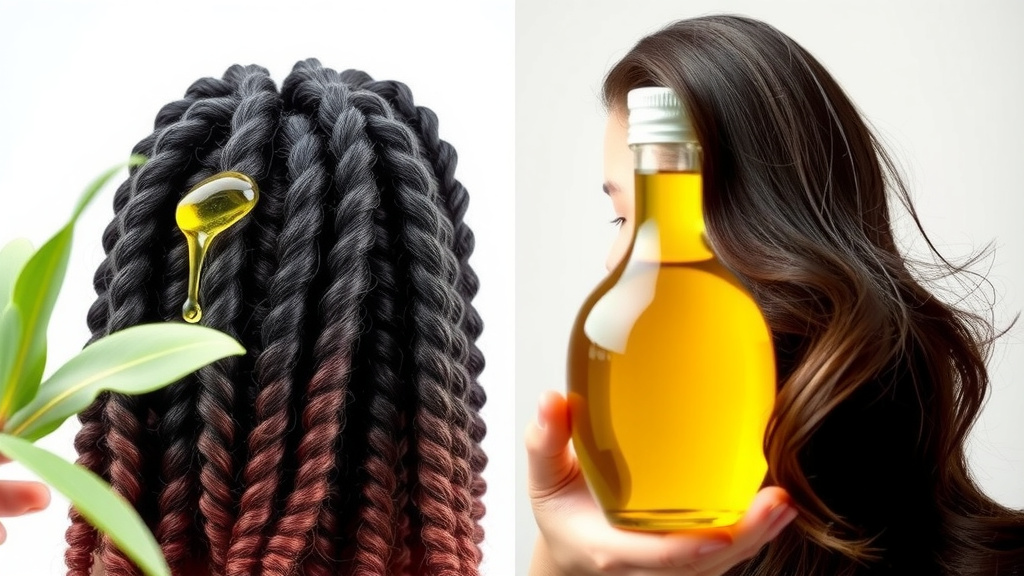
How to Use These Oils for Best Results
How you apply these oils makes a big difference. You don’t just slap them on and hope for the best. A little goes a long way, especially with castor oil.
Applying Castor Oil Effectively
Because castor oil is so thick, many people find it helpful to mix it with a lighter carrier oil. Think of jojoba oil or almond oil. This makes it easier to spread through your hair. Apply it to your scalp and hair, focusing on the roots if growth is your goal. Massage it in gently. You can leave it on for at least 30 minutes, or even overnight for a deep treatment. Always use a shower cap to avoid messes.
Incorporating Olive Oil into Your Routine
Olive oil can be used in a few ways. You can apply it as a pre-shampoo treatment to protect your hair. Or, use a small amount as a leave-in conditioner on the ends of your hair to combat dryness. For a deeper conditioning effect, warm a small amount of olive oil slightly and apply it to your hair. Again, leaving it on for 30 minutes to an hour before washing works wonders. It can help restore lost moisture.
Combining the Powerhouses
Why choose when you can have both? Many people achieve excellent results by alternating between castor oil and olive oil. You might use castor oil on your scalp and roots for growth stimulation. Then, use olive oil on your hair strands for moisture and shine. Or, you could dedicate certain days to each oil. This approach gives you the benefits of both worlds.
Your Hair Care Checklist:
- Assess your hair’s primary needs: growth, moisture, or strength?
- Consider the thickness of each oil and how it will feel on your hair.
- Patch test a small amount first to check for any sensitivities.
- Dilute castor oil with a lighter carrier oil if needed for easier application.
- Be consistent with your chosen oil or combination for best results.
- Listen to your hair; adjust frequency and application as needed.
Conclusion
You’ve learned that both castor oil and olive oil offer fantastic benefits for your hair. If your goal is hair growth and thickness, castor oil, with its unique ricinoleic acid, is likely your best bet. For dry, dull, or brittle hair needing intense moisture and shine, olive oil is the natural choice. Many people find success by using them together, applying castor oil to the scalp for stimulation and olive oil to the strands for conditioning. Now, it’s time to put this knowledge into action! Choose the oil that best matches your hair’s current needs and start your journey to healthier, happier hair today.
Frequently Asked Questions
Can I use both castor oil and olive oil at the same time?
Yes, you absolutely can! Many people find that alternating between the two or even applying them to different areas (like castor oil on the scalp and olive oil on the lengths) provides the best of both worlds. It allows you to target specific hair concerns with each oil’s unique strengths.
How often should I use castor oil or olive oil on my hair?
Consistency is key for seeing results. For deep treatments, using either oil once or twice a week is a good starting point. You can adjust the frequency based on how your hair responds. Listen to your hair; if it feels greasy, reduce the frequency.
Is castor oil too heavy for fine hair?
Castor oil is quite thick and can feel heavy. If you have fine hair and are concerned about weight, it’s highly recommended to dilute castor oil with a lighter carrier oil like jojoba or almond oil. This makes it easier to apply and less likely to weigh your hair down.
Will olive oil make my hair greasy?
Olive oil can make hair feel greasy if too much is used. Start with a small amount, especially if you have finer hair. Applying it mainly to the ends of your hair or using it as a pre-shampoo treatment can help avoid greasiness.
How long should I leave these oils in my hair before washing?
For effective treatments, leaving the oils on for at least 30 minutes to an hour is generally recommended. Many people opt for overnight treatments for deeper conditioning. Ensure you shampoo thoroughly afterward to remove all residue.

![7 Best Extra Virgin Olive Oil For Health [2026]](https://bestpureessentialoils.com/wp-content/uploads/2026/07/7-best-extra-virgin-olive-oil-for-health-2026-featured-768x432.jpg)