
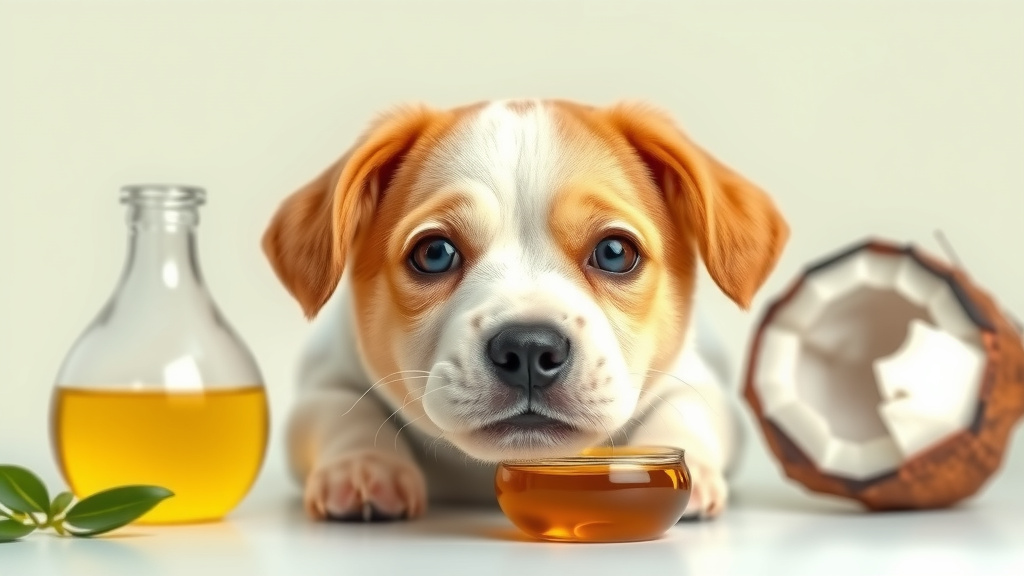
Coconut Oil vs Olive Oil for Dogs: Which is Best
When deciding between coconut oil and olive oil for your dog, **olive oil generally offers more consistent benefits** for your furry friend. While both can be good, olive oil is a more established choice for many common dog wellness goals. We found that this common kitchen staple works well for many pups.
You might be wondering if adding oil to your dog’s diet is a good idea. We’ve looked into the science and found that both oils can offer advantages, but they come with different considerations. Think of it as choosing the right tool for the job, and olive oil often fits the bill.
TL;DR:
- Olive oil is often the preferred choice for dogs.
- Both coconut and olive oil can be beneficial in moderation.
- Olive oil is good for general wellness and skin health.
- Coconut oil can help with digestion and coat shine.
- Always consult your vet before adding oils to your dog’s diet.
Let’s break down which oil might be best for your dog and how to use them safely. We’ll cover the pros, cons, and what to watch out for.
Choosing Between Coconut Oil and Olive Oil for Your Dog
When you’re looking at ways to boost your dog’s health, adding a bit of healthy oil can be a great idea. You’re probably wondering which one is better for your furry friend: coconut oil or olive oil. We’ve done the research, and while both have their fans, olive oil often comes out on top for general canine wellness.
Think of your dog’s diet like building with blocks. You want the strongest, most reliable blocks for a sturdy foundation. Olive oil, with its well-understood benefits, is often that reliable block. It’s a kitchen staple that can surprisingly benefit your dog’s health. We found that this readily available oil can support your dog in many ways. Let’s take a closer look at what makes each oil a good, or maybe not-so-good, choice.
Understanding the Benefits of Olive Oil for Dogs
Olive oil is often celebrated for its heart-healthy fats and its role in a balanced human diet. For dogs, these benefits translate well, making it a fantastic addition to their meals. It’s rich in monounsaturated fats, which are a type of healthy fat that can help with several bodily functions. Many experts suggest it can be a great way to support your dog’s overall well-being.
Skin and Coat Health with Olive Oil
One of the most noticeable benefits of adding olive oil to your dog’s diet is its positive impact on their skin and coat. Does your dog suffer from dry, itchy skin? Olive oil may help. The healthy fats can help moisturize the skin from the inside out. This can lead to a softer, shinier coat and less irritation for your pup. We found that owners often report a noticeable difference in their dog’s coat within a few weeks of consistent, moderate use.
A healthy skin barrier is key to preventing allergens and irritants from causing problems. Olive oil’s anti-inflammatory properties may also help soothe existing skin conditions. Of course, it’s not a miracle cure for all skin ailments, but it can be a supportive part of a broader wellness plan. Always remember that severe skin issues require veterinary attention.
Digestive Support from Olive Oil
Olive oil can also be a gentle nudge for your dog’s digestive system. If your dog experiences occasional constipation, a small amount of olive oil can act as a lubricant. This can help things move more smoothly through their digestive tract. It’s important to use it in small doses, though. Too much can lead to an upset stomach or diarrhea.
We found that many dog owners use a tiny bit of olive oil to help with mild digestive discomfort. It’s a simple, natural approach. However, if your dog has persistent digestive issues, it’s vital to consult with your veterinarian. They can help determine the underlying cause and the best course of action for your pet.
Heart Health and Antioxidants
Olive oil is packed with antioxidants, particularly Vitamin E. These compounds help fight free radicals in the body, which can damage cells over time. This antioxidant power is beneficial for your dog’s heart health. It can help support a healthy cardiovascular system. Many guidelines for pet nutrition mention the benefits of healthy fats for cardiac function (FDA).
Incorporating olive oil into your dog’s diet is an easy way to introduce these beneficial antioxidants. It’s a proactive step you can take to support your dog’s long-term health. Think of it as a small daily dose of wellness for your beloved companion.
Exploring the Properties of Coconut Oil for Dogs
Coconut oil has gained a lot of popularity in recent years, and it’s often touted for its potential health benefits for pets. It contains medium-chain triglycerides (MCTs), which are fats that are metabolized differently than other fats. This unique property gives coconut oil some distinct advantages, but also some considerations to keep in mind.
Coat Shine and Skin Moisture
Like olive oil, coconut oil is often used topically and internally for skin and coat health. Many owners find that it can help give their dog’s coat a beautiful shine. It can also help moisturize dry skin. When used externally, a small amount can be massaged into the coat, but be careful not to overdo it, as it can make the coat greasy.
When ingested, the MCTs in coconut oil are thought to help improve skin health by reducing inflammation and promoting moisture. However, some research suggests that olive oil’s oleic acid may be more directly beneficial for skin barrier function compared to coconut oil’s fatty acids (NCBI). So, while it can help, olive oil might have a more consistent effect for some dogs.
Digestive Aid and Energy Boost
Coconut oil is frequently recommended as a digestive aid. The MCTs can be a quick source of energy for your dog. Some owners report that it helps with certain digestive issues, such as gas or indigestion. It’s believed that these fats can help support a healthy gut microbiome. This is an area where coconut oil often shines for many pet parents.
It’s thought that the lauric acid in coconut oil has antimicrobial properties, which could help fight off certain bacteria or viruses in the gut. Again, moderation is key. Too much coconut oil can lead to digestive upset, including diarrhea. We found that dogs often respond well to small, consistent doses.
Potential Downsides of Coconut Oil
While coconut oil has benefits, it’s also high in saturated fat. Too much saturated fat can be problematic for dogs, potentially leading to weight gain or even pancreatitis in susceptible breeds. You need to be especially mindful of the calorie content when adding it to your dog’s diet. It’s easy to overfeed if you’re not careful.
Also, the MCTs in coconut oil can sometimes cause loose stools or diarrhea if given in larger amounts. This is a common reason why owners might switch to olive oil, which is generally gentler on the stomach. Many veterinary sources recommend a cautious approach to introducing coconut oil, starting with very small amounts (VCA Animal Hospitals).
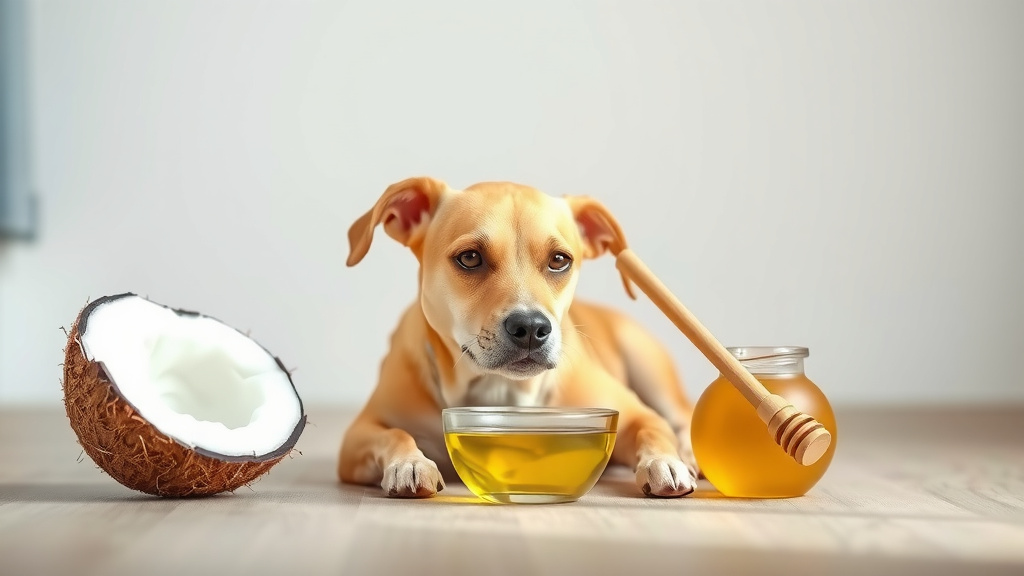
Olive Oil vs. Coconut Oil: A Comparison Table
To help you make an informed decision, here’s a quick comparison of the two oils:
| Feature | Olive Oil | Coconut Oil |
|---|---|---|
| Primary Healthy Fats | Monounsaturated Fats (Oleic Acid) | Medium-Chain Triglycerides (MCTs) |
| Skin & Coat Benefits | Excellent for moisturizing, reducing itchiness, and promoting shine. | Good for shine and can moisturize, but can be greasier. |
| Digestive Benefits | Gentle lubricant for occasional constipation. | Can aid digestion, energy boost, may have antimicrobial properties. |
| Potential Downsides | Can cause weight gain if overfed. | High in saturated fat, can cause digestive upset (diarrhea), potential for pancreatitis. |
| Recommendation | Often preferred for general wellness and sensitive stomachs. | Use with caution, especially for dogs prone to weight gain or digestive issues. |
How to Safely Introduce Oils to Your Dog’s Diet
No matter which oil you choose, introducing it to your dog’s diet requires a thoughtful approach. You wouldn’t suddenly change your own diet, and the same applies to your dog. We found that starting slow is the most important rule.
Start with Small Doses
Begin with a tiny amount – we’re talking about a fraction of a teaspoon for small dogs, and perhaps a half teaspoon for larger breeds. You can add this to their regular food. Watch your dog closely for any adverse reactions over the next few days. This includes changes in their stool, appetite, or energy levels.
Consistency is Key
Once you’ve confirmed your dog tolerates the oil well, you can gradually increase the amount, if needed, up to the recommended daily serving. For olive oil, many sources suggest around 1 teaspoon per 20 pounds of body weight daily, divided between meals (American Kennel Club). For coconut oil, the general recommendation is often lower, around 1/4 to 1 teaspoon per 10 pounds of body weight daily.
Monitor Your Dog’s Health
Pay attention to your dog’s overall health, including their weight. Oils are calorie-dense, and extra calories can lead to weight gain if not accounted for. If your dog is already overweight or has health issues like pancreatitis, discuss adding any oil with your vet first. They can provide personalized guidance.
When to Consult Your Veterinarian
It’s always best to talk to your vet before making significant changes to your dog’s diet. This is especially true if your dog has any existing health conditions, is on medication, or is pregnant or nursing. Your vet can help you determine if adding oil is appropriate and recommend the best type and amount for your specific dog.
Your veterinarian is your most reliable resource for your dog’s health. They can offer insights based on your dog’s individual needs and medical history. They might also recommend specific brands or types of oils that are best suited for canine consumption.
Key Takeaways for Adding Oil to Your Dog’s Diet:
- Start with a very small amount, regardless of the oil type.
- Watch for any digestive upset or changes in stool.
- Gradually increase the dose if well-tolerated.
- Be mindful of calorie intake to prevent weight gain.
- Always consult your vet before starting any new supplement.
- Observe your dog’s skin, coat, and energy levels for positive changes.
Conclusion
Choosing between coconut oil and olive oil for your dog involves understanding their unique properties. We found that olive oil often stands out as a more consistent choice for general wellness, skin health, and gentle digestion. While coconut oil has benefits like aiding energy and coat shine, it requires more caution due to its saturated fat content and potential for digestive upset. Always remember to introduce any new oil slowly and observe your dog’s reaction.
Your dog’s health is unique, so the best next step is to consult your veterinarian. They can provide personalized advice based on your dog’s specific needs and health history, ensuring you make the safest and most beneficial choice for your furry friend.
Frequently Asked Questions
Can I use the same olive oil I use for cooking on my dog?
Yes, generally you can use plain, extra virgin olive oil that you use in your kitchen. Just ensure it’s not flavored or seasoned. It’s best to choose a high-quality oil for your dog’s well-being.
How much coconut oil should I give my dog if they have a sensitive stomach?
If your dog has a sensitive stomach, start with an extremely small amount of coconut oil, like 1/8 of a teaspoon, and monitor closely. If they tolerate it well, you can slowly increase the dose, but it might be wise to stick with olive oil for gentler digestive support.
Is olive oil better for a dog’s coat than coconut oil?
Many owners report great results with both oils for coat shine. However, olive oil’s healthy fats can be particularly good for moisturizing dry skin from the inside out, potentially leading to less itchiness and a softer coat.
Can adding olive oil to my dog’s food help if they refuse to eat?
A small amount of olive oil can sometimes make food more appealing due to its aroma and texture. If your dog is consistently refusing food, though, it’s important to seek veterinary advice to rule out underlying health issues.
Are there any breeds that should avoid coconut oil or olive oil?
Dogs prone to pancreatitis or weight gain should be very cautious with coconut oil due to its high saturated fat content. Always discuss any dietary additions, especially oils, with your veterinarian, who knows your dog’s breed predispositions and health status best.



![7 Best Olive Oil At Costco [2026]](https://bestpureessentialoils.com/wp-content/uploads/2026/07/7-best-olive-oil-at-costco-2026-featured-768x432.jpg)

![7 Best Olive Oil Awards [2026]](https://bestpureessentialoils.com/wp-content/uploads/2026/09/7-best-olive-oil-awards-2026-featured-768x432.jpg)