

Coconut Oil vs Olive Oil for Frying: Which is Best
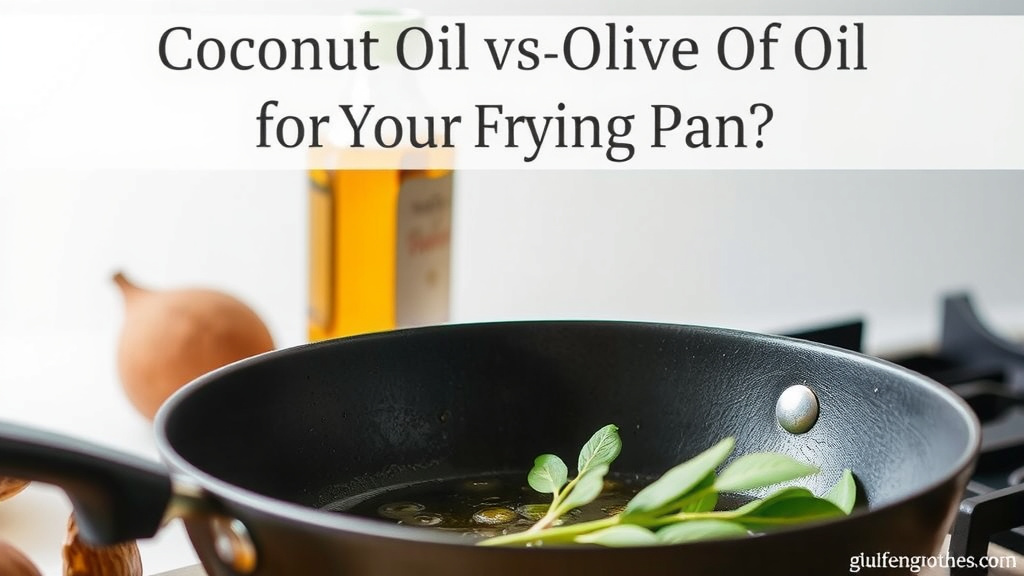
For frying, coconut oil is often the better choice over olive oil because it has a higher smoke point, meaning it can get hotter before it starts to burn and break down. This makes it more suitable for most frying methods. While both are healthy fats, their stability at high temperatures is the key difference for your skillet.
When you’re deciding between coconut oil and olive oil for cooking, think about the heat you’ll be using. Olive oil is fantastic for dressings and low-heat sautés. But when your pan needs to sizzle, coconut oil’s stability can give you peace of mind. We found that using the right oil prevents unpleasant flavors and potential health concerns.
- Coconut oil is generally better for frying due to its higher smoke point.
- Olive oil is best for low-heat cooking and dressings.
- Using an oil beyond its smoke point can create unpleasant tastes.
- Choosing the right oil ensures healthier and tastier results.
Let’s dive into the details and figure out which oil is truly your kitchen’s MVP for frying.
So, you’re standing in the kitchen, pan hot, ready to fry up some delicious food. But then, the age-old question hits you: coconut oil or olive oil? It’s a common dilemma, and honestly, we’ve all been there. Let’s break down which oil is your best bet for that sizzling goodness.
Choosing the Right Oil for Your Frying Pan
When it comes to frying, the main hero is the smoke point. Think of it like this: every oil has a breaking point. When it reaches that point, it starts to smoke, burn, and can even change the taste of your food. It can also release harmful compounds.
Understanding Smoke Points
The smoke point is the temperature at which an oil begins to produce visible smoke. This isn’t just about a little haze; it means the oil is breaking down. This breakdown can create unpleasant flavors and potentially unhealthy byproducts. We found that sticking to oils with higher smoke points is generally safer for high-heat cooking.
What Happens When Oil Smokes?
When oil smokes, it’s a sign that it’s degrading. This degradation can produce acrolein, a chemical that gives burnt food its bitter taste and can be irritating to your respiratory system (National Institutes of Health). It also means the oil’s beneficial compounds might be damaged.
Coconut Oil vs. Olive Oil: The Smoke Point Showdown
This is where the real difference lies. Refined coconut oil typically has a smoke point around 400°F (204°C). Virgin coconut oil is a bit lower, around 350°F (177°C). Olive oil, especially extra virgin olive oil (EVOO), has a much lower smoke point, usually between 325°FF (163°C) and 375°F (190°C).
So, for most common frying methods like pan-frying or shallow frying, coconut oil, particularly the refined version, offers a much more stable platform. You can heat it up nicely without worrying about it burning too quickly. Olive oil, while wonderful, can start to smoke and break down before you even get your food in the pan, leading to a less-than-ideal flavor.
Why Smoke Point Matters for Flavor
Imagine frying chicken. You want that golden-brown crispiness, right? If your oil is smoking, your chicken might end up tasting burnt, even if the chicken itself isn’t overcooked. This is because the oil has already gone past its prime. Coconut oil, with its higher smoke point, helps prevent this, keeping your food tasting like it should – delicious!
Health and Nutritional Differences
Both coconut oil and olive oil are considered healthy fats, but they are different. They offer unique benefits, and understanding these can help you make an informed choice for your cooking.
Fatty Acid Profiles
Coconut oil is rich in saturated fats, particularly medium-chain triglycerides (MCTs). These are metabolized differently than other fats, and some research suggests they may have certain health benefits, like providing a quick source of energy (Harvard Health Publishing). However, dietary guidelines often suggest limiting saturated fat intake.
Olive oil, especially extra virgin olive oil, is famously high in monounsaturated fats. It also contains polyphenols, which are powerful antioxidants. These compounds are linked to numerous health benefits, including heart health (American Heart Association).
Which is “Healthier” for Frying?
This is a tricky question, as both have their merits. For high-heat frying, the stability of the oil is a key health consideration. When oils break down due to high heat, they can form compounds that are not good for you. So, in this context, the oil that can withstand the heat better—often refined coconut oil—might be the healthier choice for frying.
However, when you’re not frying at high temperatures, olive oil’s rich antioxidant content makes it a fantastic choice for dressings, sautés, and drizzling. We found that using olive oil for low-heat applications preserves its beneficial compounds better.
Best Uses for Each Oil
Knowing when to use each oil is key to getting the best results. It’s not always about one being superior, but about picking the right tool for the job.
When to Reach for Coconut Oil
Coconut oil shines when you need a stable oil for higher heat. Think about:
- Pan-frying meats, vegetables, or seafood.
- Sautéing at medium-high heat.
- Baking recipes where you need a solid fat at room temperature.
- If you enjoy its subtle tropical flavor.
Refined coconut oil has a neutral flavor, making it very versatile. Unrefined or virgin coconut oil will impart a distinct coconut taste, which can be lovely in certain dishes but might not work for everything. For general frying, refined is often the go-to.
When Olive Oil Takes the Crown
Olive oil is your go-to for finishing, dipping, and low-heat cooking. Consider using it for:
- Salad dressings and marinades.
- Drizzling over finished dishes like pasta or roasted vegetables.
- Low-heat sautés where delicate flavors are important.
- Using in recipes that call for a fruity or peppery oil flavor.
Extra virgin olive oil is best enjoyed raw or with minimal heat to preserve its delicate flavor and beneficial compounds. We found that its taste truly comes alive when it’s not subjected to intense heat.
Quick Comparison Table
| Feature | Coconut Oil (Refined) | Olive Oil (Extra Virgin) |
|---|---|---|
| Smoke Point | ~400°F (204°C) | ~325-375°F (163-190°C) |
| Primary Fat Type | Saturated (MCTs) | Monounsaturated |
| Best For | Frying, high-heat sautéing, baking | Dressings, low-heat cooking, finishing |
| Flavor | Neutral (refined) to Tropical (virgin) | Fruity, Peppery |
| Health Benefits | Quick energy from MCTs | Antioxidants, heart health |
Your Frying Oil Checklist
To make sure you’re always ready for a successful fry, keep these points in mind:
- Know your smoke points: Higher is usually better for frying.
- Consider the flavor: Do you want a neutral oil or a distinct taste?
- Match the oil to the heat: Use oils with higher smoke points for high heat.
- Don’t overheat your oil: Even stable oils can break down if pushed too far.
- Store oils properly: Keep them in cool, dark places to maintain freshness.
- Read the label: Refined vs. unrefined makes a difference!
Conclusion
You’ve learned that for most frying tasks, coconut oil is your top pick. Its higher smoke point means less burning and better flavor for your meals. Olive oil remains a champion for dressings and low-heat cooking, where its unique compounds can shine. Remember to match your oil to your cooking temperature to get the tastiest, healthiest results possible. So, next time you head to the stove, you’ll know exactly which oil to reach for to make your food sizzle perfectly.
Frequently Asked Questions
Can I use extra virgin olive oil for frying chicken?
It’s generally not recommended to use extra virgin olive oil for frying chicken because its smoke point is quite low. At the temperatures needed for frying, EVOO will likely smoke and burn, affecting the taste of your chicken and potentially creating unhealthy compounds. For frying chicken, refined coconut oil or another high-smoke-point oil is a much better choice.
Does coconut oil make food taste like coconut when frying?
Refined coconut oil has a neutral flavor and won’t impart a coconut taste to your food, making it versatile for all sorts of dishes. Unrefined or virgin coconut oil, however, does have a distinct coconut flavor. If you’re aiming for a neutral base when frying, always opt for the refined version.
Is olive oil unhealthy if it smokes a little?
When olive oil starts to smoke, it means it’s breaking down. This degradation can produce bitter flavors and potentially harmful compounds. While a tiny bit of smoke from normal cooking might not be a major issue, consistently smoking your olive oil during frying is best avoided for both taste and health reasons.
Can I switch between coconut oil and olive oil in my cooking?
Absolutely! Think of them as specialized tools in your kitchen. You’ll want to use coconut oil for high-heat frying and olive oil for low-heat sautés or dressings. Using the right oil for the job ensures you get the best flavor and stability every time.
How should I store my coconut oil and olive oil?
Both coconut oil and olive oil should be stored in a cool, dark place, like your pantry or a cupboard. Keep them away from direct sunlight and heat sources to prevent them from going rancid. Coconut oil solidifies at cooler temperatures, but this doesn’t affect its quality.


![7 Best Olive Oils [2026]](https://bestpureessentialoils.com/wp-content/uploads/2026/07/7-best-olive-oils-2026-featured-768x432.jpg)