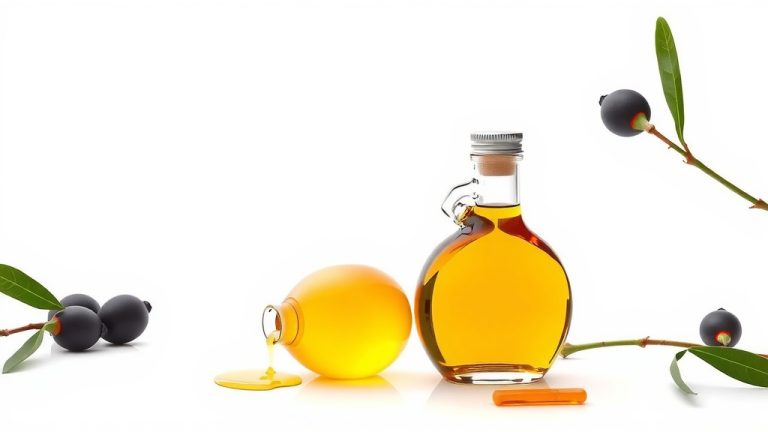

Coconut Oil vs Olive Oil: Best for Your Skin
When choosing between coconut oil vs. olive oil for skincare, olive oil often takes the lead for general use. This is because olive oil contains powerful antioxidants and healthy fats that can help moisturize and protect your skin. While coconut oil can be beneficial, it may clog pores for some individuals, making olive oil a safer bet for many skin types.
Both oils come from natural sources and offer unique benefits for your skin. They are rich in fatty acids that can improve your skin’s barrier function. Understanding their specific properties helps you pick the best one for your skincare routine. We found that olive oil’s composition makes it a more universally suitable moisturizer.
TL;DR:
- Olive oil is generally better for most skin types than coconut oil.
- Olive oil is rich in antioxidants and healthy fats.
- Coconut oil can sometimes clog pores.
- Both oils can moisturize and protect your skin.
- Your skin type matters most when choosing.
Let’s dive deeper into how coconut oil and olive oil stack up for your skin. We’ll break down their specific benefits and who they’re best suited for.
Coconut Oil vs. Olive Oil for Your Skin: Making the Right Choice
When deciding between coconut oil and olive oil for your skin, understanding their properties is key. We found that while both offer moisture, olive oil tends to be more suitable for a wider range of skin types. This is due to its makeup, which includes beneficial compounds that can gently hydrate and protect your skin without causing unwanted issues. Let’s explore why one might be a better fit for your daily routine.
Understanding the Science Behind These Oils
Both coconut oil and olive oil are natural fats derived from plants. Their main components are fatty acids, which play a vital role in keeping your skin healthy. These fatty acids help to strengthen your skin’s natural barrier. This barrier is like a shield, keeping good stuff in and bad stuff out. Research shows that healthy fatty acids can lead to smoother, more supple skin (NCBI).
Fatty Acid Profiles: What’s Inside?
The type and amount of fatty acids differ between coconut and olive oil. This difference is a major reason for their varying effects on the skin. It’s like comparing two different types of raincoats; both keep you dry, but one might be better for a downpour while the other is best for a light shower.
Coconut Oil’s Fatty Acids
Coconut oil is particularly rich in saturated fats, especially lauric acid. Lauric acid has antimicrobial properties, which can be helpful for certain skin conditions. However, its high saturated fat content can also make it more comedogenic. This means it has a higher chance of clogging pores for some people, especially those with oily or acne-prone skin.
Olive Oil’s Fatty Acids
Olive oil, on the other hand, is primarily composed of monounsaturated fats, mainly oleic acid. This type of fat is known for its excellent moisturizing and emollient properties. It’s also packed with antioxidants, like vitamin E, which help fight free radicals and can contribute to healthier-looking skin. Many dermatologists suggest monounsaturated fats are gentler for facial use (Cleveland Clinic).
Antioxidant Powerhouses
Antioxidants are compounds that protect your cells from damage. They are like tiny bodyguards for your skin. When it comes to skin health, antioxidants can help combat the effects of aging and environmental stressors. They are a major reason why certain oils are favored in skincare.
Olive Oil’s Antioxidant Richness
Olive oil stands out for its impressive antioxidant content. It contains polyphenols and vitamin E, which are powerful fighters against free radical damage. These compounds are believed to help protect the skin from premature aging and environmental stressors. Think of them as a natural shield for your skin cells.
Coconut Oil’s Antioxidant Contribution
While coconut oil does contain some antioxidants, its profile is not as robust as that of olive oil. Its primary benefits stem more from its fatty acid composition for hydration. For antioxidant support, olive oil often takes the lead.
How These Oils Benefit Your Skin
Both oils can hydrate your skin, but they do so in slightly different ways and with different results for various skin types. Let’s break down the specific advantages you might see.
Moisturizing Capabilities
Hydration is the first step to healthy, happy skin. Both oils can help prevent water loss from your skin, making it feel softer and smoother. The trick is finding the oil that hydrates without causing other issues.
Coconut Oil for Moisture
Coconut oil is a fantastic occlusive moisturizer. This means it forms a protective barrier on the skin’s surface. This barrier helps to lock in moisture effectively. It can be particularly good for dry, rough patches on the body, like elbows and knees. Many find it a wonderful treatment for very dry skin.
Olive Oil for Moisture
Olive oil also provides excellent moisturization. Its oleic acid content helps to soften and condition the skin. Because it’s rich in monounsaturated fats and antioxidants, it’s often seen as a more gentle and nourishing hydrator. It can help improve skin texture and suppleness without feeling too heavy for many.
Potential Skin Concerns Addressed
Beyond general moisturizing, these oils can sometimes help with specific skin issues. However, it’s important to know which oil is best suited for which concern.
Coconut Oil and Skin Issues
Due to its antimicrobial properties from lauric acid, coconut oil has been studied for its potential to help with certain skin conditions. However, its comedogenic nature is a significant concern for many. If you are prone to breakouts, blackheads, or whiteheads, using coconut oil on your face could worsen these issues. Many experts advise caution for facial application (Journal of the American Academy of Dermatology).
Olive Oil and Skin Issues
Olive oil’s antioxidant and anti-inflammatory properties can be beneficial for calming irritated skin. Research suggests its oleic acid content can help strengthen the skin barrier, which is crucial for managing conditions like eczema or general sensitivity. Its less comedogenic profile makes it a safer choice for facial use for most people.
Who Should Use Which Oil?
Your skin type is the most important factor when choosing between coconut oil and olive oil. What works wonders for one person might cause problems for another. Think of it like picking out clothes – a thick sweater is great for winter, but not so much for summer!
Best for Oily and Acne-Prone Skin
If you have oily or acne-prone skin, you should approach coconut oil with extreme caution. Its tendency to clog pores means it could lead to more breakouts and blackheads. Olive oil, especially extra virgin olive oil, is generally a safer bet. While still an oil, its fatty acid profile is less likely to cause congestion for most individuals. You might still want to patch-test first, though!
Best for Dry and Mature Skin
For those with dry or mature skin, both oils can offer significant benefits. Coconut oil can provide deep hydration and help lock in moisture, which is excellent for combating dryness and flakiness. Olive oil, with its antioxidants and conditioning fatty acids, can help improve skin elasticity and fight signs of aging. Many find a combination or rotating between them works best for very dry or mature complexions.
Best for Sensitive Skin
Sensitive skin often reacts to certain ingredients. While both are natural, olive oil is frequently recommended for sensitive skin. Its soothing properties and antioxidant content can help calm irritation without being overly heavy. Coconut oil can sometimes be too rich or trigger sensitivities in some individuals, so a patch test is especially important here.
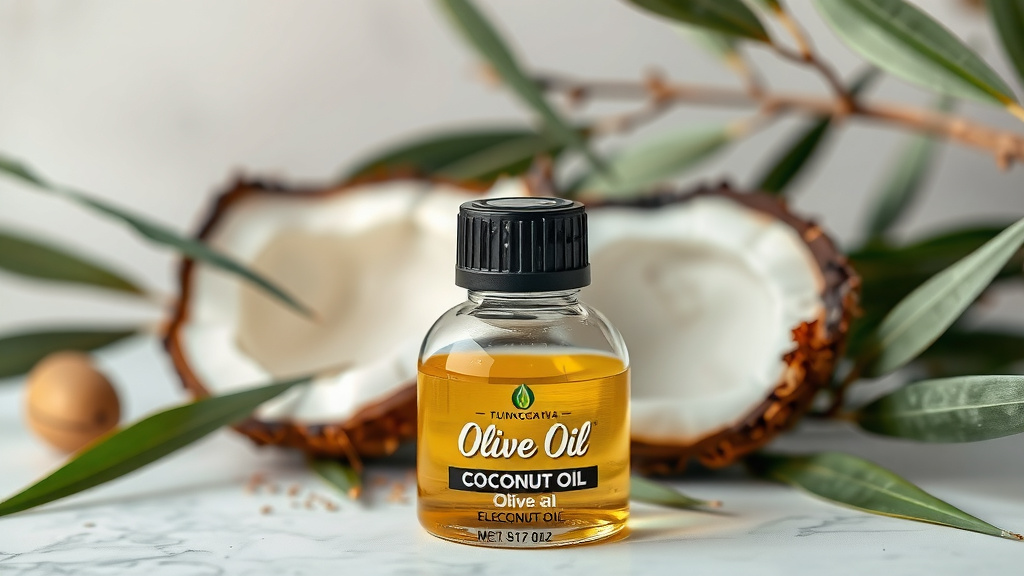
Quick Comparison: At a Glance
To make your decision even easier, here’s a quick rundown of how these two oils stack up:
| Feature | Coconut Oil | Olive Oil |
|---|---|---|
| Primary Fatty Acids | Saturated (Lauric Acid) | Monounsaturated (Oleic Acid) |
| Moisture Type | Occlusive (Barrier Forming) | Emollient & Moisturizing |
| Comedogenic Potential | Higher (can clog pores) | Lower (generally better for face) |
| Antioxidant Content | Moderate | High |
| Best For | Very Dry Body Skin, Hair | Most Skin Types, Facial Moisturizer, Anti-aging |
| Potential Issues | Pore Clogging, Breakouts | Can be too heavy for some very oily skin |
Your Skincare Checklist
Ready to make a choice? Here’s a quick checklist to guide you:
- Do you have oily or acne-prone skin? Consider olive oil first.
- Is your skin very dry, especially on your body? Coconut oil might be your friend.
- Are you looking for antioxidant benefits and anti-aging support? Olive oil is a strong contender.
- Do you have sensitive skin? Patch-test both, but lean towards olive oil.
- Are you using it on your face or body? Body skin can often handle richer oils.
- What type of olive oil are you using? Extra virgin is typically best for skin.
Conclusion
When choosing between coconut oil and olive oil for your skin, remember that olive oil generally wins for facial care due to its antioxidant power and lower chance of clogging pores. Coconut oil can be a fantastic hydrator for very dry body skin. Your skin type is your best guide. We found that understanding their fatty acid profiles and potential to cause breakouts helps you make the best choice. Now that you know the differences, patch-test your chosen oil on a small area to see how your skin responds.
Frequently Asked Questions
Can I use olive oil on my acne-prone skin?
Yes, you generally can! Olive oil, especially extra virgin, is less likely to clog pores than coconut oil. Its fatty acid profile can be gentler on congested skin. However, always patch-test first, as everyone’s skin reacts differently.
Is coconut oil really bad for facial skin?
Coconut oil can be problematic for facial skin because it’s more comedogenic, meaning it has a higher chance of clogging pores and causing breakouts. If you have oily or acne-prone skin, it’s usually best to avoid it on your face.
What’s the best type of olive oil for skincare?
Extra virgin olive oil is typically the best choice for skincare. It retains more of its natural antioxidants and beneficial compounds compared to refined olive oils. Look for cold-pressed versions for the highest quality.
Can I use both coconut oil and olive oil on my skin?
Absolutely! You can use both oils, but likely for different purposes. Coconut oil might be great for dry patches on your elbows and knees, while olive oil could be your go-to facial moisturizer. Listen to your skin’s needs for different areas.
How long does it take to see results from using these oils?
Results can vary. You might notice softer, more moisturized skin within a few uses. However, improvements in skin texture or reduction in dryness or irritation may take several weeks of consistent application to become apparent.

![7 Best Extra Virgin Olive Oil To Cook [2026]](https://bestpureessentialoils.com/wp-content/uploads/2026/08/7-best-extra-virgin-olive-oil-to-cook-2026-featured-768x432.jpg)