Coconut Oil vs Olive Oil for Weight Loss: Which Wins
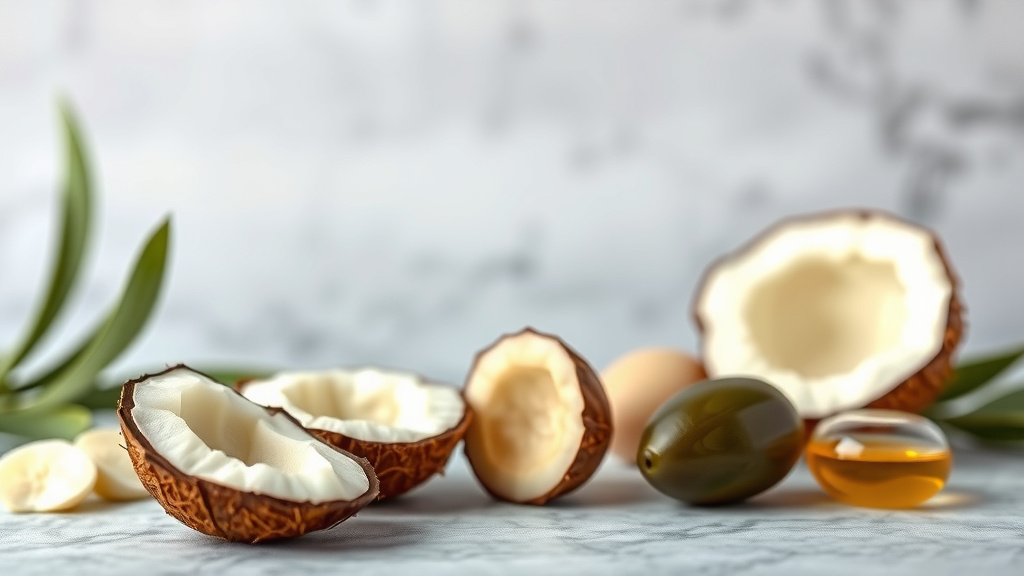
When deciding between coconut oil and olive oil for weight loss, olive oil generally gets the edge. Research suggests that the monounsaturated fats in olive oil may be more beneficial for supporting weight management goals than the saturated fats found in coconut oil.
This doesn’t mean coconut oil is without its merits, and the debate is ongoing. Both oils have unique properties and potential benefits. Understanding their differences can help you make the best choice for your dietary needs and weight loss journey. We’ll look at what the science says about each.
- Olive oil is often favored for weight loss due to its monounsaturated fats.
- Coconut oil contains saturated fats, which are debated for their weight loss impact.
- Both oils can be part of a healthy diet, but moderation is key.
- Consider your overall diet and lifestyle when choosing which oil to use.
Let’s break down what makes each oil unique and how they might fit into your weight loss plan.
Coconut Oil vs. Olive Oil: Which is Better for Weight Loss?
When you’re trying to shed a few pounds, the fats you choose can make a difference. You might be wondering if coconut oil or olive oil is the better bet for your weight loss goals. We’ve looked at what the science suggests, and it often points to olive oil as a strong contender.
Understanding the Fat Content of Oils
Both coconut oil and olive oil are popular cooking ingredients. They offer unique flavors and textures to your meals. But when it comes to weight loss, the type of fat they contain is key. Understanding these differences helps you make informed dietary choices.
Monounsaturated Fats in Olive Oil
Olive oil is famous for its high content of monounsaturated fatty acids (MUFAs). These are considered “healthy fats.” MUFAs are liquid at room temperature. They are a staple in the Mediterranean diet, which many health organizations link to better health outcomes.
Research has found that diets rich in MUFAs may help manage weight. They can also improve cholesterol levels. This makes olive oil a great choice for your salad dressings or for sautéing foods. It’s a versatile oil that can support your health journey. Many experts suggest choosing extra virgin olive oil for the most benefits (Harvard Health). Our guide to the best extra virgin olive oil can help you choose a quality option for your health goals.
Saturated Fats in Coconut Oil
Coconut oil, on the other hand, is mostly made up of saturated fats. For a long time, saturated fats were seen as unhealthy. They tend to be solid at room temperature. Think of butter or lard. These fats can raise your LDL cholesterol, which is often called “bad” cholesterol.
However, the science on coconut oil is a bit more complex. Coconut oil contains medium-chain triglycerides (MCTs). Some studies suggest MCTs might boost your metabolism and help you feel full. But more research is needed to confirm these effects for long-term weight loss. The American Heart Association recommends limiting saturated fat intake, including from coconut oil, to less than 7% of your daily calories.
How These Oils Might Affect Your Weight
When we talk about weight loss, it’s not just about one food. It’s about your entire diet. Both oils can fit into a healthy eating plan, but they might work differently.
Olive Oil’s Role in Weight Management
Many studies suggest that olive oil can be beneficial for weight management. Its MUFAs are thought to help reduce appetite and increase feelings of fullness. This can lead to eating fewer calories overall.
A review of studies found that a diet higher in monounsaturated fats, like those in olive oil, was associated with reduced body weight and waist circumference. This effect was seen when replacing other fats in the diet. So, swapping butter for olive oil in your cooking might offer a modest benefit.
Coconut Oil and Metabolism
The MCTs in coconut oil have received attention for their potential to increase calorie burning. Some small studies have shown that consuming MCTs can slightly increase your metabolism for a short period. This is known as the thermic effect of food.
However, these studies often use concentrated MCT oil, not just regular coconut oil. Also, the effect on metabolism may not be large enough to cause significant weight loss on its own. It’s important to remember that coconut oil is still high in calories. Overconsumption can lead to weight gain, just like any fat.
Comparing Nutritional Profiles and Uses
Let’s put them side-by-side to see their key differences and how you might use them.
| Feature | Olive Oil (Extra Virgin) | Coconut Oil (Virgin) |
|---|---|---|
| Primary Fat Type | Monounsaturated Fatty Acids (MUFAs) | Saturated Fatty Acids (SFAs) |
| MCT Content | Low | High |
| Smoke Point (approx.) | 375°F (190°C) | 350°F (175°C) |
| Flavor Profile | Fruity, peppery, grassy | Mild coconut flavor |
| Best Uses | Salad dressings, sautéing, finishing dishes | Baking, stir-frying, certain savory dishes |
| Weight Loss Research Focus | Stronger links to satiety and reduced body fat | Debated; potential metabolism boost from MCTs |
Flavor and Cooking Applications
Olive oil has a lovely, often fruity or peppery taste. It’s fantastic for drizzling over salads or dipping bread. Extra virgin olive oil is best used without high heat. It can lose some of its beneficial compounds when heated too much. For higher heat cooking, a lighter olive oil or avocado oil might be better.
Coconut oil has a distinct, tropical flavor. It can add a nice touch to baked goods or Asian-inspired dishes. Be mindful of its smoke point. It’s lower than some other oils. This means it can burn more easily when heated too high.
Making the Right Choice for Your Diet
So, which oil should you reach for? It really depends on your personal goals and overall diet.
Prioritizing Olive Oil for Weight Loss
If your main goal is weight loss, many health experts and studies suggest olive oil is a more reliable choice. Its composition of healthy fats is well-researched for supporting satiety and potentially reducing overall calorie intake.
Think of it as a tool in your weight loss toolbox. Using olive oil in place of less healthy fats can contribute to a balanced diet. Remember that all fats are calorie-dense. So, even healthy oils should be used in moderation.
Using Coconut Oil Mindfully
Coconut oil can still be part of a healthy diet, even if it’s not the top pick for weight loss. If you enjoy its flavor and properties, you can use it. Just be aware of its saturated fat content and calorie density.
If you decide to use coconut oil, consider doing so in moderation. Perhaps use it for specific recipes where its flavor shines. It’s about balance and making choices that align with your health objectives.
A Balanced Approach is Key
Ultimately, focusing on a varied diet rich in whole foods is more important than fixating on just one type of oil. Think about your whole meal. Are you loading up on veggies? Are you choosing lean proteins? These factors play a much bigger role in weight loss than the specific oil you use for cooking.
Tips for Incorporating Healthy Fats
Here’s a quick checklist to help you use fats wisely on your weight loss journey:
- Choose quality oils: Opt for extra virgin olive oil and virgin coconut oil when possible.
- Watch your portions: Measure your oils, as they are calorie-dense.
- Vary your fats: Include a mix of healthy fats from different sources.
- Listen to your body: Pay attention to how different foods make you feel.
- Focus on whole foods: Build your meals around fruits, vegetables, lean proteins, and whole grains.
- Enjoy in moderation: All fats can be part of a healthy diet when consumed mindfully.
Conclusion
When you’re looking at coconut oil versus olive oil for weight loss, olive oil generally takes the lead. Its monounsaturated fats are well-researched for helping you feel fuller and may support a healthier body composition. Coconut oil has its own unique fats, like MCTs, which have some interesting potential for boosting metabolism, but the overall research for weight loss isn’t as strong. Remember, both are calorie-dense, so portion control is key no matter which you choose. For your weight loss journey, focus on a balanced diet filled with whole foods, and use olive oil as your primary healthy fat source.
Frequently Asked Questions
Can I use coconut oil if I’m trying to lose weight?
Yes, you can use coconut oil in moderation. While research suggests olive oil might be more beneficial for weight loss, coconut oil contains MCTs that some studies link to a temporary metabolism boost. Just be mindful of its saturated fat content and calories.
Is olive oil better than coconut oil for cooking at high heat?
Generally, extra virgin olive oil has a lower smoke point than some other oils. For high-heat cooking, you might consider a lighter olive oil or avocado oil. Coconut oil also has a moderate smoke point and can burn if heated too high.
Does the type of fat in olive oil help with weight loss?
Yes, olive oil is rich in monounsaturated fats (MUFAs). Research has found that MUFAs may help you feel more satisfied after meals, potentially leading to reduced calorie intake. They are also linked to better cholesterol levels.
Should I avoid coconut oil completely if I want to lose weight?
Not necessarily. Coconut oil can still be part of a healthy, balanced diet. If you enjoy its flavor and use it in moderation, it doesn’t have to derail your weight loss efforts. It’s more about your overall dietary pattern.
What’s the most important factor for weight loss regarding cooking oils?
The most important factor is moderation and overall diet. All oils are calorie-dense, so controlling your portion sizes is crucial for weight loss. Focusing on whole, unprocessed foods will have a greater impact than just the type of oil you choose.

![7 Best Extra Virgin Olive Oil From Greece [2026]](https://bestpureessentialoils.com/wp-content/uploads/2026/08/7-best-extra-virgin-olive-oil-from-greece-2026-featured-768x432.jpg)
![7 Best Olive Oil Of The World [2026]](https://bestpureessentialoils.com/wp-content/uploads/2026/07/7-best-olive-oil-of-the-world-2026-featured-768x432.jpg)
![7 Best Cold Pressed Olive Oil For Health [2026]](https://bestpureessentialoils.com/wp-content/uploads/2026/06/7-best-cold-pressed-olive-oil-for-health-2026-featured-768x432.jpg)
![7 Best Olive Oil Brand For Skin [2026]](https://bestpureessentialoils.com/wp-content/uploads/2026/09/7-best-olive-oil-brand-for-skin-2026-featured-768x432.jpg)