
Coconut Oil vs Olive Oil for Hair: Which is Better
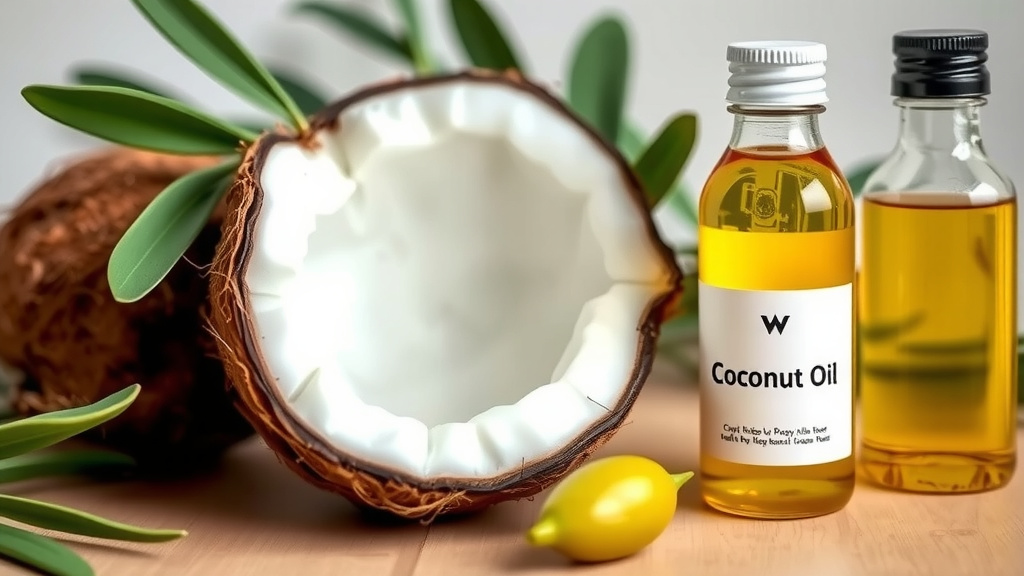
When deciding between coconut oil and olive oil for hair, coconut oil is generally better for deep conditioning and moisturizing dry, damaged hair. Olive oil can be a good choice for adding shine and smoothing frizz, especially for finer hair types. Both offer great benefits, but they excel in slightly different ways.
We found that coconut oil’s smaller molecular structure allows it to penetrate the hair shaft more effectively. This makes it a powerhouse for reducing protein loss and providing intense hydration. Olive oil, with its larger molecules, tends to sit more on the surface, offering excellent smoothing and shine. Understanding your hair’s needs is key to picking the right oil.
- Coconut oil excels at deep conditioning and moisturizing.
- Olive oil is great for adding shine and smoothing frizz.
- Coconut oil penetrates the hair shaft better.
- Olive oil coats the hair for external benefits.
- Consider your hair type and needs when choosing.
Ready to find out which natural oil is your hair’s new best friend? Let’s walk through exactly what makes each one so special for your strands.
Coconut Oil vs. Olive Oil for Your Hair: Which Reigns Supreme?
You’re wondering which natural oil is the best fit for your hair. Both coconut oil and olive oil are popular for good reason. They can add moisture and shine. But they work in slightly different ways. Let’s break down their unique strengths. We’ll help you choose the right one for your hair goals.
Understanding Hair Structure and Oil Penetration
To pick the best oil, we need to understand how oils interact with your hair. Hair is made of a protein called keratin. The outer layer, the cuticle, protects the inner core. When your hair is damaged, the cuticle can lift. This makes your hair look frizzy and feel rough.
How Oils Work: On the Surface vs. Deep Inside
Oils can work in two main ways. Some sit on the surface of your hair. They smooth the cuticle down. This adds shine and reduces frizz. Other oils can penetrate the hair shaft itself. They can work from the inside out to strengthen and moisturize.
Coconut Oil’s Unique Molecular Structure
Coconut oil has smaller molecules. Research shows these small molecules can actually enter the hair shaft. This is a big deal! It means coconut oil can help repair damage from within. Many studies have found it’s very effective at reducing protein loss from hair. This is especially true after washing or chemical treatments (NCBI).
Olive Oil’s Coating Action
Olive oil molecules are larger than coconut oil’s. Because of this, olive oil tends to coat the hair shaft more. It acts like a shield. This coating helps to smooth the cuticle. It seals in moisture and adds a beautiful shine. It’s great for making your hair feel softer and look glossier.
Key Benefits: Coconut Oil for Hair Health
Coconut oil is often praised for its deep conditioning properties. If your hair is very dry, brittle, or damaged, coconut oil might be your hero. Its ability to penetrate the hair shaft makes it excellent for rebuilding strength.
Moisture Retention and Dryness Relief
Dry hair lacks moisture. Coconut oil helps hair retain that much-needed moisture. It can make a noticeable difference in how soft and manageable your hair feels. This is why it’s a favorite for treating dry scalp issues too.
Reducing Protein Loss
Hair is mostly protein. Treatments, heat styling, and even everyday wear can cause protein loss. This makes hair weak and prone to breakage. Coconut oil has been shown in studies to help prevent this loss. It helps keep your hair strong and healthy (NCBI).
Key Benefits: Olive Oil for Hair Shine and Smoothness
Olive oil is a fantastic choice for achieving that sleek, shiny look. If frizz is your main concern, olive oil can be a great help. It works by smoothing down the hair’s outer layer.
Adding Shine and Luster
Want hair that gleams? Olive oil is your go-to. Its natural oils reflect light beautifully. This gives your hair a healthy, vibrant sheen. It’s like giving your hair a natural gloss treatment.
Smoothing Frizz and Flyaways
Frizz happens when the hair cuticle is raised. Olive oil’s coating action helps to flatten the cuticle. This makes hair look smoother and reduces those annoying flyaways. It’s perfect for taming unruly strands.
Benefits for Finer Hair Types
For those with fine or thin hair, heavier oils can sometimes weigh hair down. Olive oil, when used sparingly, can provide smoothing benefits without making hair feel greasy. It offers a lighter feel than some other oils. It can add shine without sacrificing volume.
How to Choose the Right Oil for You
So, you know what each oil does. Now, how do you pick? Think about your hair’s specific needs. What are you trying to achieve?
Consider Your Hair Type and Concerns
Are you battling dryness and breakage? Coconut oil might be best for you. Is your main issue frizz and a lack of shine? Olive oil could be the answer.
What We Found for Different Hair Needs:
We found that people with very dry, damaged, or chemically treated hair often benefit most from coconut oil. Its deep penetration helps repair from within. For those with normal to fine hair that tends to frizz, olive oil can offer excellent smoothing and shine without being too heavy.
Application Tips for Each Oil
How you use the oil matters. For a deep conditioning treatment with coconut oil, warm it slightly and apply generously. Leave it on for at least 30 minutes, or even overnight. Rinse thoroughly.
For olive oil, a little often goes a long way. You can use a few drops on damp hair to smooth frizz and add shine. Or, you can use it as a lighter pre-shampoo treatment. This can help protect hair from drying out.
Coconut Oil vs. Olive Oil: A Quick Comparison
Here’s a simple breakdown to help you decide:
| Feature | Coconut Oil | Olive Oil |
|---|---|---|
| Penetration | High (penetrates hair shaft) | Low (coats hair shaft) |
| Primary Benefit | Deep moisturizing, protein loss reduction | Shine, frizz control, smoothing |
| Best For | Dry, damaged, brittle hair | Frizzy hair, adding shine, fine hair |
| Feel | Can be heavier, intensely moisturizing | Lighter, smoothing |
Your Hair Care Checklist: Making the Right Choice
Ready to make your decision? Ask yourself these quick questions:
- Is my hair usually dry or brittle?
- Do I struggle with frizz and flyaways?
- Am I looking for deep repair or surface smoothness?
- Does my hair get weighed down easily?
- What is my main hair goal right now?
- Which oil’s properties best match my hair’s needs?
Conclusion
You’ve learned that both coconut oil and olive oil offer wonderful benefits for your hair, but they work in different ways. Coconut oil’s small molecules penetrate deeply, making it ideal for intense moisture and repairing protein loss in dry or damaged strands. Olive oil, with its larger molecules, coats the hair, providing fantastic shine and smoothing out frizz, especially for finer hair types. Your hair’s unique needs are your best guide. Now, you can confidently choose the oil that will best help you reach your hair goals!
Frequently Asked Questions
Can I use both coconut oil and olive oil on my hair?
Yes, you absolutely can! Many people find success using both. You might use coconut oil for a deep conditioning treatment on wash days and a few drops of olive oil on dry hair to tame frizz between washes. It all depends on what your hair needs at any given time.
How often should I use coconut oil or olive oil on my hair?
For deep treatments, coconut oil can be used once a week or every few weeks, depending on your hair’s dryness. Olive oil can be used more frequently, perhaps a few times a week, as a leave-in treatment for shine and frizz control, or even daily as needed in very small amounts.
Will coconut oil make my fine hair greasy?
Coconut oil can sometimes be heavy for fine hair, potentially leading to greasiness if too much is used. If you have fine hair and want to try coconut oil, use a very small amount, focus on the ends, or try a pre-shampoo treatment. You may find olive oil a lighter option for your hair type.
Can olive oil help with hair growth?
While olive oil can improve hair health by moisturizing and strengthening strands, which might reduce breakage and make hair appear longer, there’s no direct scientific evidence that it stimulates hair growth from the follicle itself. Healthy hair is less likely to break, contributing to perceived growth.
Is extra virgin olive oil better than regular olive oil for hair?
Extra virgin olive oil (EVOO) is often preferred for hair because it’s less processed and retains more beneficial nutrients and antioxidants. Its purity can offer enhanced moisturizing and smoothing properties compared to more refined olive oils, making it a great choice for hair care.

![7 Best Olive Oil Brands To Buy [2026]](https://bestpureessentialoils.com/wp-content/uploads/2026/09/7-best-olive-oil-brands-to-buy-2026-featured-768x432.jpg)
![7 Best Olive Oil For Health [2026]](https://bestpureessentialoils.com/wp-content/uploads/2026/07/7-best-olive-oil-for-health-2026-featured-768x432.jpg)
![7 Best Olive Oil Brand For Dipping Bread [2026]](https://bestpureessentialoils.com/wp-content/uploads/2026/09/7-best-olive-oil-brand-for-dipping-bread-2026-featured-768x432.jpg)
![7 Best Extra Virgin Olive Oil From Morocco [2026]](https://bestpureessentialoils.com/wp-content/uploads/2026/08/7-best-extra-virgin-olive-oil-from-morocco-2026-featured-768x432.jpg)