How Olive Oil Is Made: From Grove to Bottle
Making olive oil starts with fresh olives. They are picked right off the tree. Then, they are quickly moved to a mill. There, they are washed and crushed into a paste. This paste contains both oil and water. The goal is to separate the pure oil from everything else.
This process aims for purity and quality. The olives are usually milled the same day they are harvested. This prevents them from spoiling. The method used today is quite similar to ancient techniques. However, modern machinery makes it much more efficient. It helps preserve the delicate flavors.
- Olives are harvested at peak ripeness.
- They are washed and then crushed into a paste.
- The paste is then put into a centrifuge.
- This machine spins to separate the oil from the water and solids.
- Finally, the pure olive oil is bottled.
Ready to see how this liquid gold gets made? Let’s walk through the steps from grove to bottle. Ready to see how this liquid gold gets made? Our step-by-step guide explains how olive oil is made.
The Journey of Olive Oil: From Grove to Bottle
Ever wonder how that golden liquid makes its way from an olive tree to your salad dressing? It’s a process that combines nature’s bounty with some clever science. We found that it’s more than just pressing olives; it’s about preserving their fresh, vibrant flavors. The goal is always to get you the purest, most delicious oil possible. This journey is fascinating, and thankfully, quite straightforward once you understand the steps.
Harvesting: The First Crucial Step
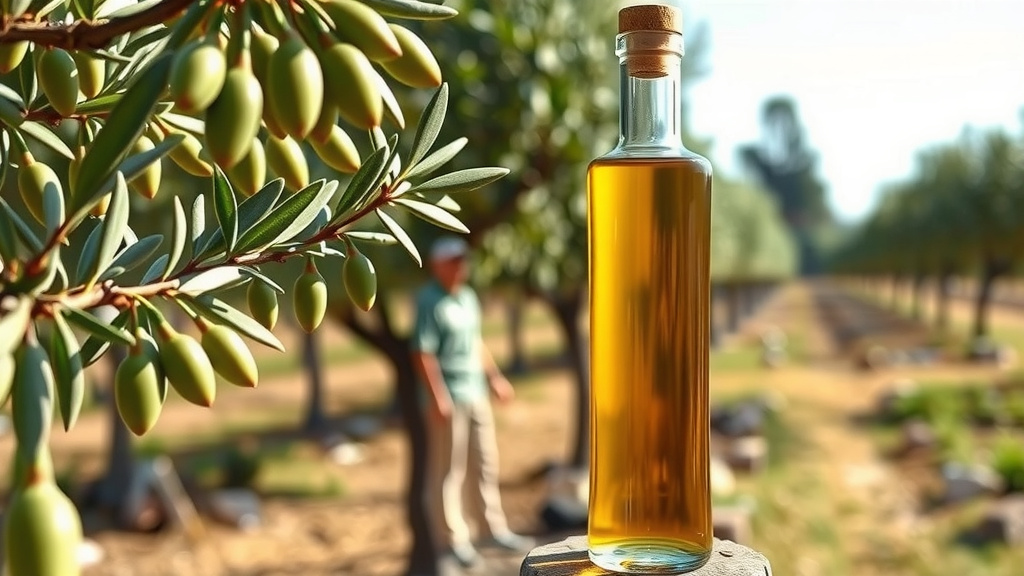
It all begins with the olives themselves. Think of them as tiny flavor capsules. The quality of your olive oil is heavily influenced by when and how these olives are picked. Farmers are very careful about this stage. They want olives at their peak ripeness. This is when their flavor compounds are most developed.
Timing is Everything
When are olives just right? It depends on the variety and the climate, but generally, it’s between October and January in the Northern Hemisphere. You’ll see olives start to change color. They go from green to a purplish-black. This color change is a sign of increasing oil content and a shift in flavor. Some farmers even pick earlier for a more peppery, green oil, while others wait for a softer, fruitier taste (Olive Oil Times).
Gentle Harvesting Methods
How do they get the olives off the trees? You might picture shaking the branches, but modern methods are often more delicate. Many growers use special rakes or vibrating machines to gently dislodge the olives. These fall onto nets spread below. This method protects the fruit from damage. Bruised olives can spoil quickly and affect the oil’s taste. It’s essential to get them to the mill soon after picking.
The Milling Process: Turning Olives into Paste
Once the olives arrive at the mill, the real transformation begins. They’re no longer just olives; they’re on their way to becoming oil. This stage is often called “crushing” or “milling.” The goal here is to break down the olives to release the oil held within their cells.
Washing and Preparing
Before crushing, the olives need a good wash. Think of it like washing produce from the grocery store. This removes dirt, leaves, and any twigs that might have come along for the ride. This cleaning step is vital for producing clean, high-quality oil. It ensures no unwanted flavors sneak into the final product.
Crushing the Olives
After washing, the olives are crushed. This isn’t like a blender on high speed. Modern mills use hammer crushers or stone mills. These machines break the olives into a thick paste. This paste contains olive pulp, skin, pits, and the precious oil. You can almost smell the fruity aroma at this stage. It’s a fascinating mix of textures and components.
The Role of the Pit
The olive pit, often called the stone, is also crushed. It contains a small amount of oil. Crushing the pit helps release this oil. The paste becomes a uniform consistency. This uniform paste is key for the next step in separation.
Malaxation: Slow Mixing for Oil Release
This is a unique step many people don’t know about. After crushing, the olive paste is slowly mixed in a large basin called a malaxer. This process looks like gentle stirring. It helps the tiny oil droplets within the paste clump together. Think of it like slowly stirring tiny water droplets in a pan; they start to merge. This makes it easier to separate the oil later. Malaxation usually lasts between 20 to 40 minutes. The temperature is kept low, often below 27°C (80°F). This is called “cold extraction” and helps preserve the oil’s flavor and nutrients (International Olive Council).
Separation: Extracting the Pure Oil
Now comes the part where we actually get the oil out. This is where modern technology really shines. The goal is to separate the liquid gold from the solid bits (like the crushed pits and pulp) and the water that naturally exists in olives.
Centrifugal Force: The Modern Workhorse
Today, most mills use a high-speed centrifuge. This machine spins the olive paste incredibly fast. Think of it like a super-powered salad spinner. Because oil, water, and solids have different densities, they separate when spun. The heavier solids and water are pushed outwards, while the lighter olive oil is collected from the center. This method is very efficient and helps maintain the oil’s quality.
Two-Phase vs. Three-Phase Systems
There are slightly different centrifuge designs. Some use a three-phase system, which separates oil, water, and solid waste. Others use a two-phase system. This system separates oil and a mixture of water and solids. Both aim for the same result: pure olive oil. We found that the two-phase systems are becoming more common, as they can lead to slightly less water in the final oil product.
Filtration: The Final Polish
After the oil is extracted, it might still contain tiny particles of olive fruit. While some people prefer unfiltered oil for its rustic character, most commercial olive oils are filtered. Filtration removes these remaining solids. This step helps to extend the oil’s shelf life and ensures a clear, bright appearance. It’s like straining your pasta to get rid of the starchy water.
Storage and Bottling: Preserving the Goodness
Once the oil is separated and filtered, it’s ready to be bottled. But how it’s stored before and after is important. Olive oil is sensitive to light, heat, and air. These elements can cause it to degrade, losing its fresh flavors and beneficial compounds.
Choosing the Right Container
High-quality olive oil is often bottled in dark glass bottles or tin containers. These help protect the oil from light. You’ll notice many bottles have a green or brown tint. This is a good sign! Storing your olive oil in a cool, dark place, like a pantry or cupboard, is best. Avoid keeping it next to the stove where it can get too warm.
A Checklist for Quality Olive Oil Production
Here’s a quick rundown of what goes into making great olive oil:
- Olives are harvested at their prime ripeness.
- They are cleaned of debris and washed thoroughly.
- Olives are crushed into a paste, including the pits.
- The paste undergoes slow mixing (malaxation) to help oil droplets merge.
- Centrifugal force separates oil from water and solid matter.
- The oil is often filtered to remove remaining solids.
- It’s stored in protective containers and kept cool and dark.
Conclusion
So, you’ve seen how olives transform into your favorite liquid gold! It’s a journey from the tree to your table that relies on careful harvesting, gentle milling, and smart separation techniques. We learned that timing, cleanliness, and temperature control are key to preserving those fresh flavors and nutrients. Modern centrifuges do the heavy lifting, efficiently extracting the pure oil. Your final step is choosing quality oil and storing it properly to enjoy its goodness.
Now that you understand the effort that goes into each bottle, consider trying a fresh, high-quality olive oil from a local producer. You can truly taste the difference!
Frequently Asked Questions
How long does it take to make olive oil from harvest to bottle?
The entire process from harvesting olives to bottling the oil is quite fast. Olives are typically milled the same day they are picked to ensure freshness. The milling and separation steps themselves can take just a few hours. Filtration and bottling are also efficient processes. You’re getting a product that’s remarkably fresh from the grove.
Can I make olive oil at home?
While technically possible with specialized small-scale equipment, making high-quality olive oil at home is challenging. Achieving the necessary consistency for crushing and the speed for separation requires specific machinery. It’s much easier and more effective to purchase from experienced producers who have the right technology.
What’s the difference between extra virgin olive oil and regular olive oil?
Extra virgin olive oil (EVOO) is made using only mechanical or physical means, with no chemical treatments. It has a distinct flavor and aroma and is considered the highest grade. “Regular” olive oil, often just labeled “olive oil,” is usually a blend of refined olive oil and some virgin or extra virgin olive oil, giving it a milder flavor and less potent aroma.
Why is temperature important during olive oil production?
Maintaining a low temperature, especially during malaxation and extraction (often called “cold extraction”), is critical. Higher temperatures can degrade the oil’s delicate flavors, aromas, and beneficial compounds like polyphenols. Keeping it cool helps preserve the oil’s quality and nutritional value.
Does the type of olive used affect the final oil?
Absolutely! Just like grapes for wine, different olive varietals have unique characteristics. Some olives produce oil that is more peppery and robust, while others yield a smoother, fruitier oil. The region where the olives are grown also contributes to the oil’s final flavor profile.

![7 Best Olive Oil Brands In Italy [2026]](https://bestpureessentialoils.com/wp-content/uploads/2026/09/7-best-olive-oil-brands-in-italy-2026-featured-768x432.jpg)
![7 Best Olive Oil At Costco [2026]](https://bestpureessentialoils.com/wp-content/uploads/2026/07/7-best-olive-oil-at-costco-2026-featured-768x432.jpg)