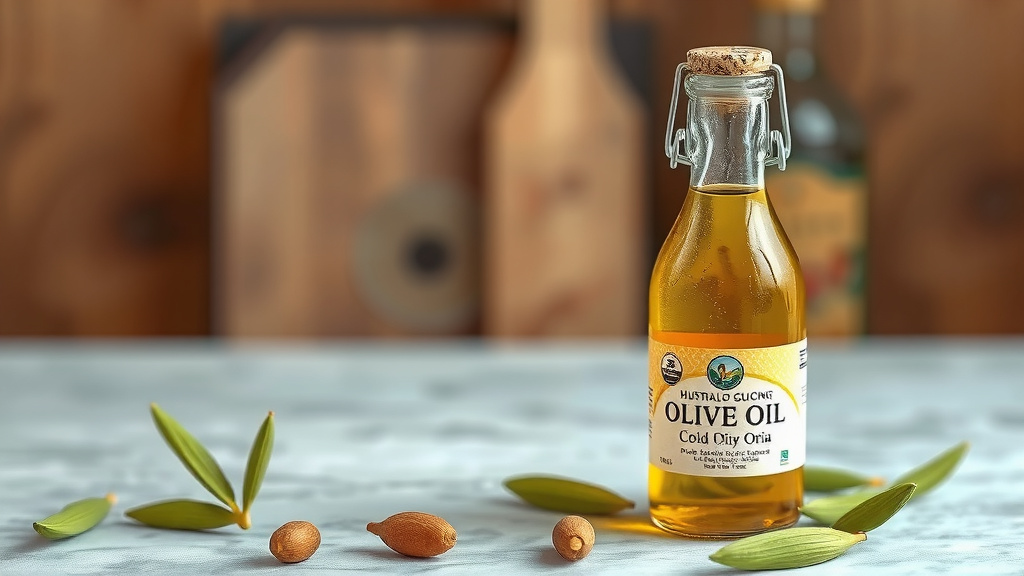
Cold Pressed vs Regular Olive Oil: What’s the Difference
When comparing cold-pressed vs. regular olive oil, cold-pressed olive oil is generally considered superior. This is because the cold-pressing method preserves more of the oil’s natural nutrients and flavor. Regular olive oil might undergo more heat or chemical processing, which can reduce its health benefits and taste.
Understanding the difference between these types of olive oil can really impact your cooking and health. You might wonder if paying more for cold-pressed oil is truly worth it. We’ve researched the key distinctions and found that the processing method makes a big difference for both flavor and nutritional content. Let’s look at what makes them unique.
- Cold-pressed olive oil uses minimal heat and no chemicals. Cold-pressed olive oil uses minimal heat and no chemicals; explore first cold pressed olive oil.
- This process keeps more nutrients and flavor intact.
- Regular olive oil may use heat or chemicals.
- This can reduce its health benefits and taste.
We’ll break down exactly what cold-pressed and regular olive oil mean, so you can make the best choice for your kitchen.
“`htmlUnderstanding the Olive Oil Spectrum: Cold-Pressed vs. Regular
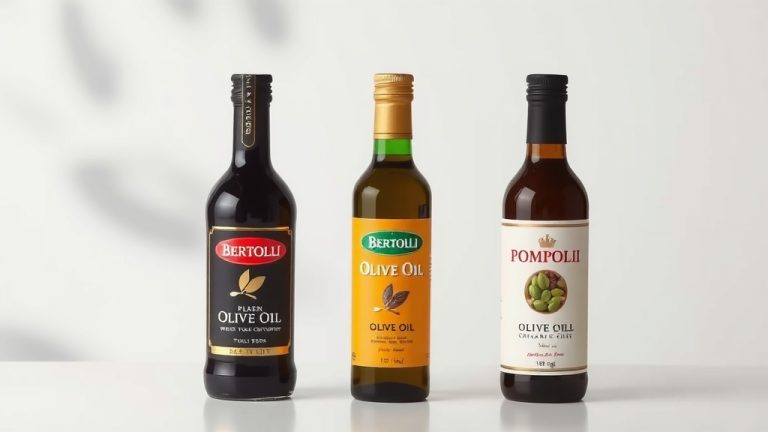
So, what’s the big deal about how olive oil is made? It turns out, the production method matters a lot for both your taste buds and your well-being. You might have noticed different labels like “extra virgin,” “pure,” or “light” on olive oil bottles. Today, we’re focusing on the core difference: the way the oil is extracted – specifically, cold-pressed versus other methods.
The main takeaway is that cold-pressed olive oil retains more of its natural goodness. Think of it like preserving fresh fruit versus cooking it down into jam. You get a more vibrant, natural product with the cold-pressing method. We’ve dug into the details, and the processing technique is key to the quality you’ll enjoy.
What Exactly is Cold-Pressed Olive Oil?
Cold-pressed olive oil is made using a mechanical process. This means no heat or chemicals are involved in extracting the oil from the olives. It’s a gentler method that preserves the olive’s natural flavor and nutrients.
The Mechanical Extraction Process
Imagine a big, gentle press. That’s essentially what happens. Olives are crushed into a paste. Then, this paste is slowly spun in a centrifuge or pressed in a traditional press. The goal is to separate the oil from the water and solids in the olive. Throughout this process, the temperature is carefully controlled to stay below a certain threshold. Many experts suggest this is typically around 27°C (80°F) for it to be officially considered “cold-pressed.” This low temperature is the secret sauce.
Why the Low Temperature Matters
When olive oil is heated, its delicate compounds can degrade. These compounds are what give olive oil its health benefits and distinctive taste. Keeping the temperature low protects these beneficial compounds, like polyphenols. We found that this protection is what sets cold-pressed olive oil apart. It’s like keeping a fresh flower vibrant versus wilting it with heat.
What About “Regular” Olive Oil?
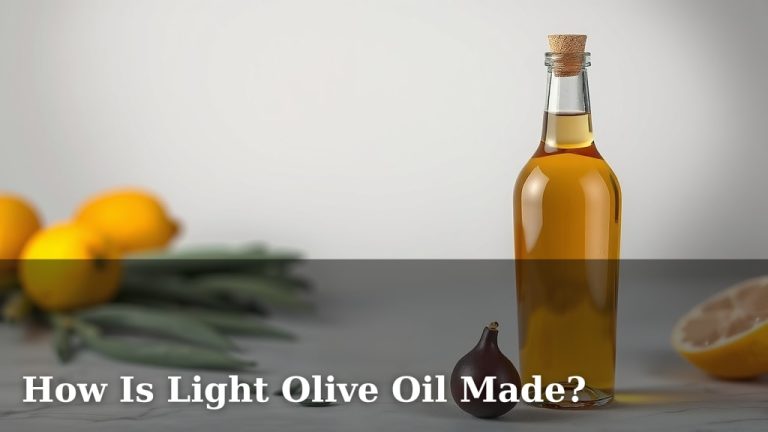
The term “regular” olive oil can be a bit broad. It often refers to olive oils made using methods that might involve some heat or chemical solvents. This can include types labeled as “pure olive oil” or “light olive oil.” The processing is designed to be more efficient and yield a higher volume of oil, but often at a cost to quality.
Heat-Assisted Extraction
Some olive oil production might use elevated temperatures to speed up the oil extraction process. While this can increase the yield, it can also diminish the oil’s quality. Think of it like baking a cake – the heat transforms the ingredients. In olive oil, this transformation can reduce the levels of antioxidants and alter the flavor profile. We found that the more heat used, the less pristine the oil tends to be.
Chemical Solvent Extraction
In some cases, particularly for lower grades of olive oil, chemical solvents might be used. These solvents help to extract any remaining oil from the olive pulp after the initial pressing. While these solvents are generally removed from the final product, their use is a clear indicator of a more refined and less natural processing method. Many health organizations advise against heavily processed foods, and this applies to oils too (FDA). This is a stark contrast to the mechanical, chemical-free approach of cold-pressing.
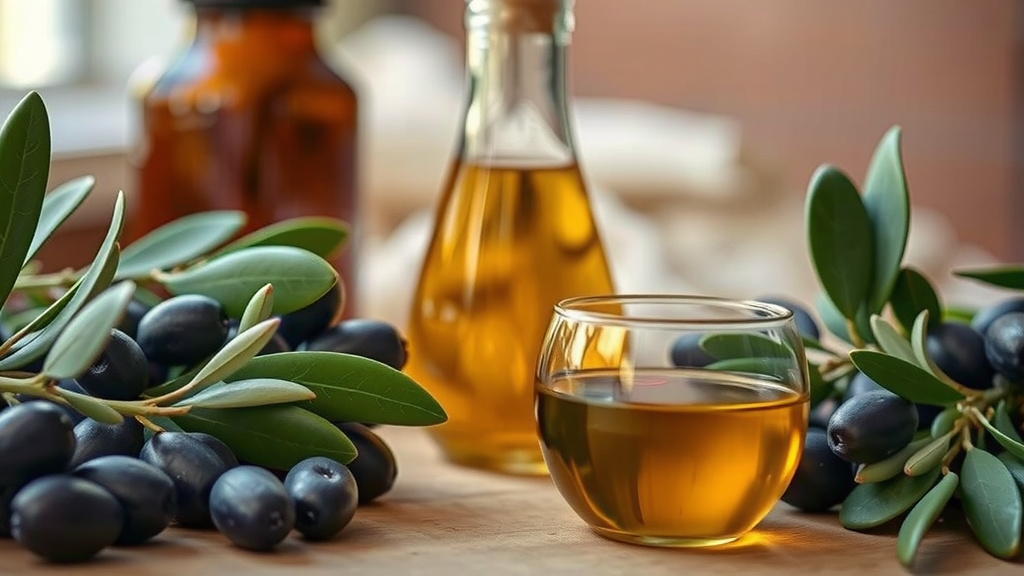
Comparing Key Characteristics: A Closer Look
When you put cold-pressed and regular olive oils side-by-side, several differences become apparent. These distinctions can guide you toward the best choice for your specific needs.
Flavor Profiles
Cold-pressed olive oil typically boasts a much more vibrant and complex flavor. You might detect notes of grass, fruit, or even a peppery finish. It’s a flavor that can truly enhance a dish. Regular olive oil, especially if refined, often has a milder, more neutral taste. This can be fine for some cooking, but it lacks the rich character you get from cold-pressed varieties.
Nutritional Content
The low-temperature, chemical-free process of cold-pressing helps retain a higher concentration of beneficial compounds. These include polyphenols, which are powerful antioxidants. Studies have shown that these compounds offer various health benefits, such as anti-inflammatory properties (NCBI). Heat and chemical processing can significantly reduce these nutrient levels. We found that for maximum health benefits, cold-pressed is the way to go.
Color and Appearance
You might notice that cold-pressed extra virgin olive oils often have a richer, deeper green or golden hue. This color comes from the natural pigments in the olives, which are preserved by the gentle extraction method. Less intensely colored olive oils might indicate a more refined or processed product.
| Feature | Cold-Pressed Olive Oil | “Regular” Olive Oil (Refined/Processed) |
|---|---|---|
| Extraction Method | Mechanical, no heat or chemicals | May use heat or chemical solvents |
| Temperature | Below 80°F (27°C) | Can be higher, or involve solvents |
| Flavor | Rich, complex, fruity, peppery | Mild, neutral, less distinct |
| Nutrients (Polyphenols) | High concentration preserved | Lower concentration due to processing |
| Best Uses | Dressings, finishing, raw applications | General cooking, sautéing |
Making the Right Choice for Your Kitchen
So, which one should you reach for when you’re cooking? It really depends on what you’re making and what you want to achieve.
When to Choose Cold-Pressed
For the best flavor and maximum health benefits, always opt for cold-pressed olive oil, especially if it’s labeled “extra virgin.” This is your go-to for:
- Drizzling over salads and vegetables
- Finishing cooked dishes
- Using in dressings and marinades
- Dipping bread
- Any application where the olive oil flavor is a star
When “Regular” Might Suffice
If you’re doing high-heat cooking like frying or searing, a more refined olive oil might be suitable. Sometimes, “pure olive oil” or “light olive oil” can handle higher temperatures without degrading as quickly. However, remember that you’ll be sacrificing some of the flavor and nutritional punch. For many, even for sautéing, a good quality cold-pressed extra virgin olive oil is still a great choice.
A Quick Checklist for Your Next Grocery Trip
To help you navigate the olive oil aisle with confidence, keep these points in mind:
- Look for “Cold-Pressed” on the label.
- “Extra Virgin” is the highest grade of cold-pressed oil.
- Check the harvest date if available; fresher is usually better.
- Consider the color – a vibrant green often indicates quality.
- Store your olive oil properly in a cool, dark place.
- Think about how you’ll use it most often.
Conclusion
Choosing the right olive oil can really make a difference in your meals and your health. You’ve learned that cold-pressed olive oil uses a gentle, mechanical method without heat or chemicals, preserving its vibrant flavor and beneficial nutrients like polyphenols. “Regular” olive oil, on the other hand, might involve heat or solvents, which can reduce its quality. For the best taste and health advantages, especially in dressings and finishing dishes, always reach for cold-pressed. Make your next trip to the grocery store an informed one by looking for “cold-pressed” or “extra virgin” on the label to bring home the best nature has to offer.
Frequently Asked Questions
Is cold-pressed olive oil always extra virgin?
Not necessarily, but extra virgin olive oil is always cold-pressed. The term “extra virgin” refers to the highest quality grade of olive oil, meaning it has very low acidity and exceptional flavor, achieved through cold-pressing. So, while all extra virgin is cold-pressed, not all cold-pressed oil is automatically classified as extra virgin.
Can I use cold-pressed olive oil for high-heat cooking?
While cold-pressed extra virgin olive oil has a lower smoke point than highly refined oils, it can still be used for many cooking methods. For high-heat frying, a more refined “pure” or “light” olive oil might be better suited. However, for sautéing or baking at moderate temperatures, a good quality cold-pressed oil can often perform well without significant nutrient loss.
How can you tell if olive oil is cold-pressed just by looking at it?
The label is your best bet; always look for “cold-pressed” or “extra virgin.” Sometimes, cold-pressed oils have a richer, deeper green or golden color due to preserved pigments. However, color alone isn’t a definitive indicator, as some refined oils can be artificially colored, and some high-quality cold-pressed oils might appear lighter.
Does cold-pressed olive oil go bad faster than regular olive oil?
Cold-pressed olive oil is sensitive to light, heat, and air, which can cause it to degrade over time. If stored properly in a cool, dark place and consumed within its recommended shelf life (often 18-24 months from bottling), it maintains its quality well. Highly processed or refined oils might have a longer shelf life due to the removal of more volatile compounds.
Are the health benefits of cold-pressed olive oil significantly better?
Yes, research suggests cold-pressed olive oil retains a higher concentration of beneficial antioxidants, like polyphenols, compared to oils produced with heat or chemical solvents. These compounds are linked to various health advantages, such as anti-inflammatory properties. The gentle processing method preserves these natural elements that can be damaged or reduced in more processed oils.