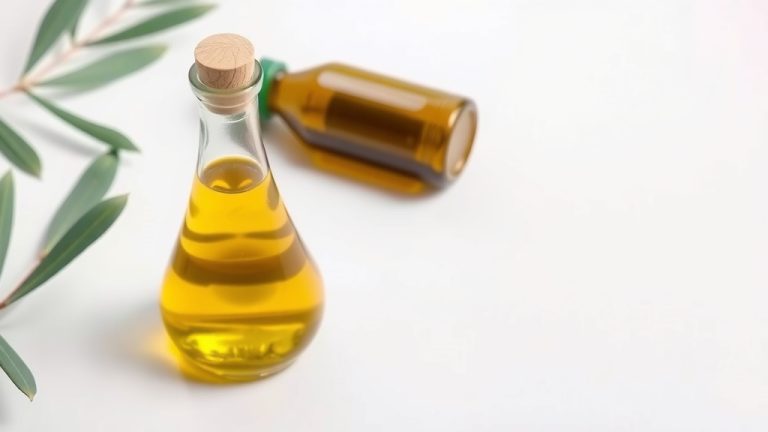
Butter vs Olive Oil: Which is Best for Cooking
When cooking, both butter and olive oil are great choices, but they shine in different situations. For high-heat cooking like searing, olive oil is generally better because it has a higher smoke point. Butter can burn more easily, giving your food a bitter taste, though its rich flavor is perfect for finishing dishes or lower-heat sautéing.
Choosing the right fat can really transform your cooking. We found that understanding their smoke points and flavors helps you get the best results. Whether you’re scrambling eggs or making a delicate sauce, the fat you use matters. It affects taste, texture, and even how healthy your meal is.
- Butter is great for flavor and low-heat cooking.
- Olive oil is better for high-heat cooking and searing.
- Butter can burn easily, affecting taste.
- Olive oil offers a cleaner flavor for high temps.
- Your choice depends on the cooking method and desired outcome.
Let’s dive into the tasty differences and figure out which fat is your best friend for different recipes.
Butter vs. Olive Oil: Your Cooking Fat Showdown
Understanding the differences between butter and olive oil is key to mastering your kitchen. Both are fantastic cooking fats. They each bring unique flavors and properties to your dishes. We found that knowing when to use which can really elevate your home cooking. It’s like choosing the right tool for the job. Your meal will thank you! Generally, olive oil is a top pick for its heart-healthy monounsaturated fats and excellent flavor in dressings and sautéing.
The Science Behind the Smoke: Smoke Points Explained
The most important difference you need to know is their **smoke point**. This is the temperature at which a fat starts to break down and smoke. When fat smokes, it not only smells bad, but it also starts to produce harmful compounds. It can also make your food taste burnt or bitter.
Butter’s Smoke Point: A Delicate Dance
Butter is delicious, but it has a lower smoke point. Pure butter starts to smoke around 300-350°F (150-175°C). This is because butter contains milk solids and water. These components burn much faster than the fat itself. You’ve probably seen butter turn brown and smell burnt in a hot pan. That’s the milk solids doing their thing!
Olive Oil’s Smoke Point: Ready for Heat
Olive oil, especially extra virgin olive oil, has a higher smoke point. It generally ranges from 375-405°F (190-207°C). Refined olive oils can have even higher smoke points. This makes olive oil a much more forgiving choice for cooking methods that require higher temperatures. You get a cleaner burn and less risk of that unpleasant smoky flavor.
Flavor Profiles: What Do They Taste Like?
Beyond smoke points, the flavor each fat brings is a major consideration. You want your food to taste amazing, right? The fat you choose plays a big role in the final flavor of your dish.
The Richness of Butter
Butter offers a rich, creamy, and slightly sweet flavor. This is due to its natural dairy components. It’s often described as adding a certain “mouthfeel” or luxuriousness to food. Many people love that classic buttery taste. It’s why it’s a go-to for baked goods and finishing sauces.
The Nuances of Olive Oil
Olive oil’s flavor is more varied. Extra virgin olive oil can range from peppery and grassy to fruity and mild. This complexity comes from the olives themselves and how they’re processed. Lighter or refined olive oils have a more neutral flavor. This neutrality is a plus when you don’t want the fat to overpower other ingredients.
When to Use Which Fat: Your Kitchen Guide
Now let’s get practical. Knowing the science is one thing, but deciding what to cook with is another. Think about your recipe and what you want to achieve.
Butter: Best for Baking and Low-Heat Sautéing
Because of its lower smoke point and rich flavor, butter shines in certain applications. It’s a star in **baking**. The milk solids contribute to browning and texture in cookies, cakes, and pastries. For stovetop cooking, it’s perfect for **low-heat sautéing**. Think delicate vegetables or scrambled eggs where you want that creamy finish without burning. Using the right extra virgin olive oil can significantly elevate your baked goods, adding moisture and flavor.
Finishing Touches
Butter is also wonderful for **finishing dishes**. A knob of cold butter swirled into a hot sauce can make it glossy and rich. It adds a beautiful sheen and a decadent flavor boost right before serving. This is often called “mounting” a sauce.
Olive Oil: Ideal for High-Heat Cooking and Searing
Olive oil’s higher smoke point makes it the champion for cooking methods that get hot. Searing meats, stir-frying vegetables, or roasting at high oven temperatures are perfect uses.
Searing and Roasting
When you want to get a nice, brown crust on a steak or chicken, olive oil is your friend. It can withstand the heat without smoking excessively. This helps create that desirable Maillard reaction, which is responsible for savory flavors. Roasting vegetables with olive oil ensures they get tender and slightly caramelized.
Salad Dressings and Marinades
Extra virgin olive oil is fantastic for **salad dressings** and **marinades**. Its complex flavor can add a wonderful depth. You can taste the olive notes, which complement fresh ingredients beautifully. Just remember that the flavor will be more noticeable here than in a high-heat application.
A Quick Comparison Table
Here’s a handy chart to keep these differences in mind:
| Feature | Butter | Olive Oil |
|---|---|---|
| Smoke Point | Lower (300-350°F / 150-175°C) | Higher (375-405°F / 190-207°C) |
| Primary Flavor | Rich, creamy, slightly sweet | Peppery, grassy, fruity (varies) or neutral |
| Best For | Baking, low-heat sautéing, finishing | High-heat searing, roasting, dressings, marinades |
| Risk of Burning | Higher | Lower |
Can You Use Them Together?
Absolutely! Many home cooks and professional chefs find success by combining butter and olive oil. You can start cooking vegetables in olive oil to prevent burning. Then, add a bit of butter towards the end for flavor and richness. This technique gives you the best of both worlds. It offers a higher smoke point with that delicious buttery finish.
Tips for Your Cooking Success Checklist
Here’s a quick checklist to help you decide:
- High Heat? Grab that olive oil.
- Baking a cake? Reach for the butter.
- Want a creamy sauce finish? A little butter at the end works wonders.
- Making a salad dressing? Extra virgin olive oil is your friend.
- Searing steak? Olive oil handles the heat best.
- Worried about burning? Olive oil offers more peace of mind.
Conclusion
You’ve learned that both butter and olive oil are fantastic kitchen staples. The key is knowing which one to grab for the job. Butter offers rich flavor and creamy texture, perfect for baking and gentle sautéing. Olive oil, with its higher smoke point, handles high-heat searing and roasting with ease. By understanding their smoke points and flavor profiles, you can make informed choices. Now go forth and cook with confidence, using the right fat to make every dish shine!
Frequently Asked Questions
Can I substitute butter for olive oil in a recipe, or vice versa?
You can often substitute, but be mindful of the smoke point and flavor. If a recipe calls for high heat, using butter might cause burning. Conversely, using olive oil in a delicate pastry might alter the traditional flavor and texture. For best results, try to stick to the recommended fat when possible.
Is one fat healthier than the other?
Both fats can be part of a healthy diet when consumed in moderation. Olive oil, especially extra virgin, is rich in monounsaturated fats and antioxidants, which are linked to heart health benefits. Butter contains saturated fat and cholesterol. Your overall dietary pattern is more important than the choice between these two fats alone.
What is clarified butter, and how does it compare?
Clarified butter, also known as ghee, is butter with the milk solids and water removed. This process significantly raises its smoke point, making it more suitable for high-heat cooking than regular butter. It has a rich, nutty flavor and is a great option when you want butter’s taste without the burning risk.
Does the type of olive oil matter for cooking?
Yes, it does. Extra virgin olive oil has a robust flavor and a smoke point around 375-405°F. Regular or light olive oil is more refined, has a milder flavor, and often a slightly higher smoke point, making it very versatile for various cooking methods.
Can I use butter and olive oil together for everyday cooking?
Absolutely! Many cooks love combining them. You can start sautéing vegetables in olive oil for its heat tolerance, then add a pat of butter at the end for flavor and richness. This technique gives you the best of both worlds: a higher smoke point and a delicious buttery finish.

![7 Best Extra Virgin Olive Oil Brands In Usa [2026]](https://bestpureessentialoils.com/wp-content/uploads/2026/08/7-best-extra-virgin-olive-oil-brands-in-usa-2026-featured-768x432.jpg)
![7 Best Ev Olive Oil [2026]](https://bestpureessentialoils.com/wp-content/uploads/2026/07/7-best-ev-olive-oil-2026-featured-768x432.jpg)
![7 Best Foods Olive Oil [2026]](https://bestpureessentialoils.com/wp-content/uploads/2026/08/7-best-foods-olive-oil-2026-featured-768x432.jpg)