Unopened Olive Oil Shelf Life: How Long Does It Last
An unopened bottle of olive oil can last quite a while, typically for about 18-24 months from its bottling date. While olive oil doesn’t necessarily “spoil” in a way that makes it unsafe, its quality and flavor will degrade over time, especially if not stored properly. Think of it more like fine wine; it’s best enjoyed when it’s relatively fresh!
The shelf life really depends on a few factors. Exposure to light, heat, and air are the biggest culprits that can make your olive oil go rancid faster. That’s why keeping that unopened bottle in a cool, dark pantry is your best bet for preserving its delicious taste and health benefits for as long as possible.
- Unopened olive oil generally lasts 18-24 months from bottling.
- Quality degrades over time, affecting flavor and health benefits.
- Light, heat, and air are the main enemies of olive oil.
- Proper storage in a cool, dark place is key.
- Check the “best by” or bottling date for guidance.
Ready to get the most out of your olive oil? Let’s dive into the details of what impacts its freshness and how to tell if yours is still good to go.
“`htmlHow Long Does Olive Oil Stay Good in the Bottle?
So, you’ve got a bottle of olive oil tucked away in your pantry. You’re probably wondering how long it’ll stay fresh before it loses its magic. We found that an unopened bottle of good quality olive oil can last for about 18 to 24 months from the date it was bottled.
This timeframe is a general guideline, and your oil might last a bit longer or shorter depending on its quality and how it’s stored. It’s important to remember that olive oil doesn’t truly “spoil” like milk or meat might. Instead, it degrades over time, losing its vibrant flavor and beneficial compounds. Think of it like a fresh baguette; it’s best enjoyed when it’s still young and flavorful.
Factors Affecting Olive Oil’s Shelf Life
Several environmental factors can speed up the aging process of your olive oil, even when it’s sealed tight. Understanding these can help you protect your investment and ensure you’re using the freshest oil possible.
Light: The Silent Culprit
Exposure to light, especially sunlight, is one of the biggest enemies of olive oil. Light can trigger chemical reactions within the oil. These reactions break down its beneficial compounds, like polyphenols. This not only affects the taste but also reduces its health-promoting properties. Many high-quality olive oils come in dark glass bottles for this very reason. It’s like trying to keep a delicate flower healthy; it needs shade, not direct sun.
Heat: A Recipe for Rancidity
Heat is another major factor that degrades olive oil. Storing your olive oil near a stove, oven, or even a sunny window can cause it to age faster. Elevated temperatures accelerate the oxidation process. This is what leads to that unpleasant, stale, or crayon-like smell and taste we call rancidity. Experts at the Olive Oil Times suggest keeping olive oil at a stable, cool temperature, ideally between 55-65°F (13-18°C).
Air: The Unwanted Guest
While an unopened bottle is sealed from air, the seal isn’t always perfect. Tiny amounts of oxygen can still interact with the oil over time. Once the bottle is opened, air becomes a much bigger concern. However, even before opening, if the oil has been stored poorly before being sealed, or if the seal isn’t robust, air can contribute to degradation.
Decoding the Olive Oil Label: Your Best Clues
When you’re buying olive oil, or checking what you already have, the label is your roadmap to freshness. Don’t just look at the “best by” date; a few other details can tell you a lot.
Bottling Date vs. “Best By” Date
The bottling date is often more accurate than a “best by” date. Many sources indicate that olive oil’s quality starts to decline after bottling, even if it hasn’t been opened. A “best by” date is usually an estimate of when the product is expected to be at peak quality. For olive oil, this is typically 18-24 months from the bottling date. If you can find the bottling date, that’s your best indicator of how fresh the oil is.
Harvest Date: A Sign of Premium Quality
Some premium olive oils will even list a harvest date. This is even better than a bottling date! Oil harvested more recently will generally have a brighter, more robust flavor and a higher concentration of beneficial antioxidants. If you see a harvest date, choose the most recent one for the best quality.
“Best By” Date: What It Really Means
The “best by” date, also known as the expiration date, is a manufacturer’s suggestion for peak quality. It’s not a hard deadline for safety. We found that many olive oils are perfectly safe to consume after their “best by” date. However, their flavor and aroma will likely have diminished. If your oil is well past its “best by” date, it might still be usable for cooking, but it won’t be ideal for finishing dishes or salad dressings.
Optimal Storage for Unopened Olive Oil
Where you store your unopened olive oil makes a huge difference in how long it stays good. Think of it as giving your oil a cozy, safe home.
The Ideal Pantry Environment
The best place for unopened olive oil is a cool, dark pantry or cupboard. This environment helps protect it from light and heat. Aim for a consistent temperature, avoiding places that experience drastic fluctuations. Many culinary professionals recommend storing olive oil at room temperature, but not a *hot* room temperature. If you live in a very warm climate, a basement or cellar might be a better option.
Avoiding Problematic Storage Spots
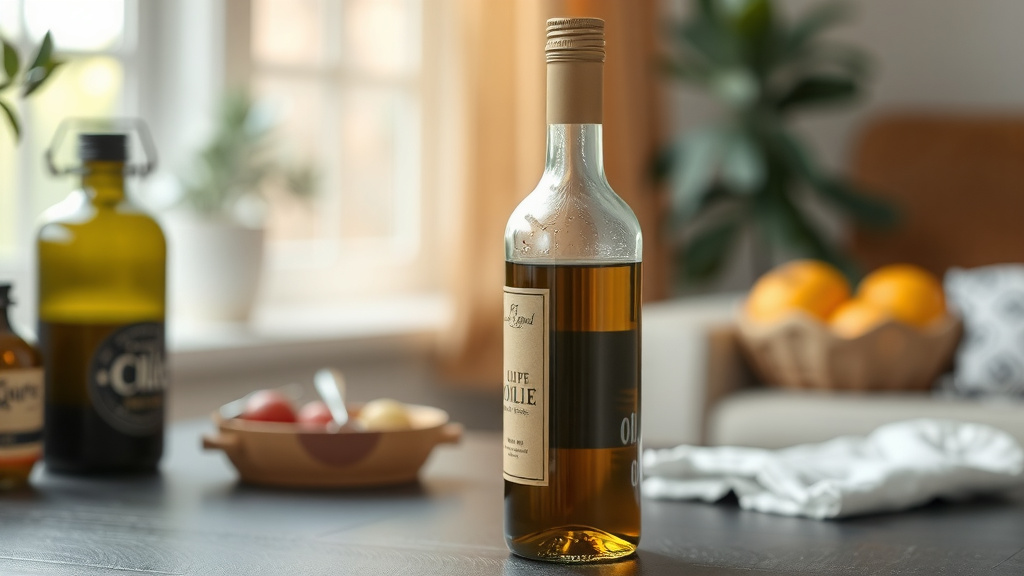
Steer clear of storing your olive oil near the oven, dishwasher, or on top of the refrigerator. These appliances generate heat. Also, don’t leave it on the kitchen counter where it can be exposed to sunlight from a window. Keeping it away from these heat and light sources is key to preserving its quality.
How to Tell if Your Olive Oil Has Gone Bad
Even with the best intentions, sometimes olive oil can turn. Fortunately, your senses can usually tell you if it’s time to say goodbye.
The Smell Test: Your First Line of Defense
The easiest way to check your olive oil is by its smell. Fresh, high-quality olive oil has a pleasant, fruity aroma, often with notes of grass or even pepper. If your oil smells like old nuts, crayons, putty, or rancid butter, it has likely gone bad. This unpleasant smell is a clear indicator of oxidation.
The Taste Test: A Small Sip
If the smell test is inconclusive, a small taste can help. Fresh olive oil should taste vibrant, peppery, or even slightly bitter. If it tastes dull, sour, metallic, or just plain unpleasant, it’s probably past its prime. Don’t worry, a small sip of rancid oil won’t harm you; it just won’t taste good.
Visual Cues: A Less Reliable Indicator
While not as reliable as smell or taste, you can sometimes notice visual changes. If the oil looks cloudy or has visible sediment at the bottom, it might be degrading. However, some high-quality, unfiltered olive oils are naturally cloudy. So, appearance alone isn’t a definitive sign of spoilage.
Quick Checklist for Preserving Olive Oil Freshness
Want to make sure your unopened olive oil stays as fresh as possible? Follow these simple steps:
- Check the bottling or harvest date when purchasing.
- Store in a cool, dark place away from heat and light.
- Keep the cap tightly sealed to minimize air exposure.
- Choose dark glass bottles when possible.
- Use your oldest bottles first to ensure freshness.
- Trust your senses – smell and taste are the best indicators.
Conclusion
You’ve learned that an unopened bottle of olive oil can last a good while, typically 18-24 months from bottling. Remember, it’s not about spoilage for safety, but a decline in quality. Light, heat, and air are your oil’s worst enemies, even in an unopened bottle. By storing your olive oil in a cool, dark place, you’ll help preserve its delicious flavor and beneficial properties.
So, next time you reach for that bottle, trust your senses and the bottling date. You’re now equipped to make sure every drop you use is as fresh and flavorful as possible. Happy cooking!
Frequently Asked Questions
Does unopened olive oil actually go bad?
Unopened olive oil doesn’t become unsafe to eat like some other foods might. Instead, it degrades in quality over time. This means its flavor will become less vibrant, and its beneficial compounds may decrease, making it less ideal for consumption.
What is the best way to store unopened olive oil?
The best storage method for unopened olive oil is in a cool, dark pantry or cupboard. Avoid places with fluctuating temperatures or direct sunlight, such as near a stove or window, to protect it from heat and light exposure.
How can I tell if my unopened olive oil is still good?
Your best indicators are your senses. If the oil has an unpleasant smell, like crayons or old nuts, or if it tastes rancid, sour, or dull, it has likely lost its quality. Always check the bottling or harvest date for an idea of its freshness.
Should I refrigerate unopened olive oil?
Refrigerating unopened olive oil is generally not recommended. While it might slow degradation, it can cause the oil to solidify and potentially damage its texture and flavor when it returns to room temperature. A cool pantry is preferred.
Is it safe to use olive oil past its “best by” date?
Yes, it is generally safe to use olive oil past its “best by” date. This date is more about peak quality than safety. However, you should always perform a smell and taste test to ensure it hasn’t gone rancid before using it, especially for dishes where flavor is important.

![7 Best Italian Olive Oil In The World [2026]](https://bestpureessentialoils.com/wp-content/uploads/2026/08/7-best-italian-olive-oil-in-the-world-2026-featured-768x432.jpg)