Avocado Oil vs Olive Oil High Heat: Which One Won’t Smoke Your Kitchen?
Have you ever stood in front of your stove, bottle in hand, wondering which oil to reach for? You’re not alone. This is one of those kitchen dilemmas that catches everyone off guard, from seasoned cooks to beginners just learning their way around a pan. The truth is, understanding the difference between avocado oil and olive oil when it comes to high-heat cooking can genuinely transform how you cook and what your food tastes like.
Let me be honest with you right from the start: this isn’t just about choosing randomly anymore. Both oils have their place in your kitchen, but they’re definitely not interchangeable for every situation. The stakes are real here. Use the wrong oil at the wrong temperature, and you’re not just creating smoke that fills your kitchen—you’re breaking down beneficial compounds and potentially creating harmful substances that have no business in your food.
Understanding Smoke Points: The Foundation of Everything
Before we dive into the specifics, let’s talk about something called the smoke point. Think of it as an oil’s breaking point—the temperature at which it literally starts to smoke and break down. This happens because the molecular structure of the oil can’t handle the heat anymore, and it begins to decompose.
Now, here’s where things get interesting. Your smoke point matters more than you probably realize. When oil reaches its smoke point, a few things happen simultaneously. First, you lose the nutritional benefits that made you choose that oil in the first place. Second, the flavor changes—sometimes dramatically. Third, and this is important, the oil starts producing compounds that aren’t exactly what you want to be eating regularly.
Avocado Oil: The High-Heat Champion
What Makes Avocado Oil Special?
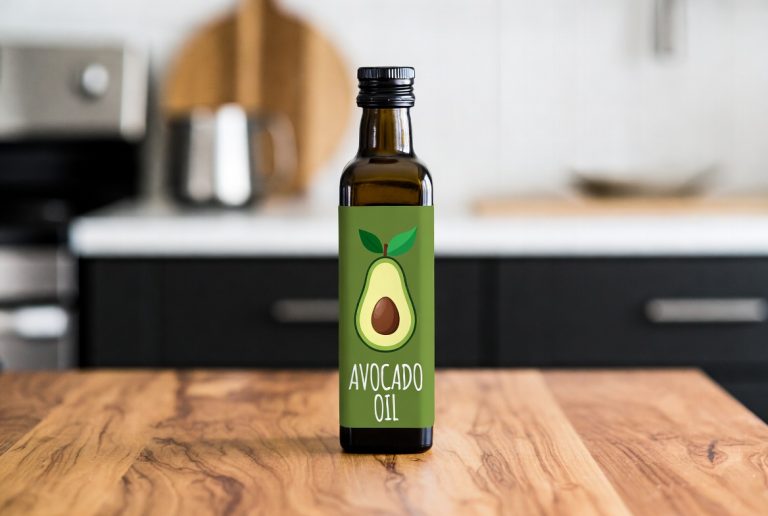
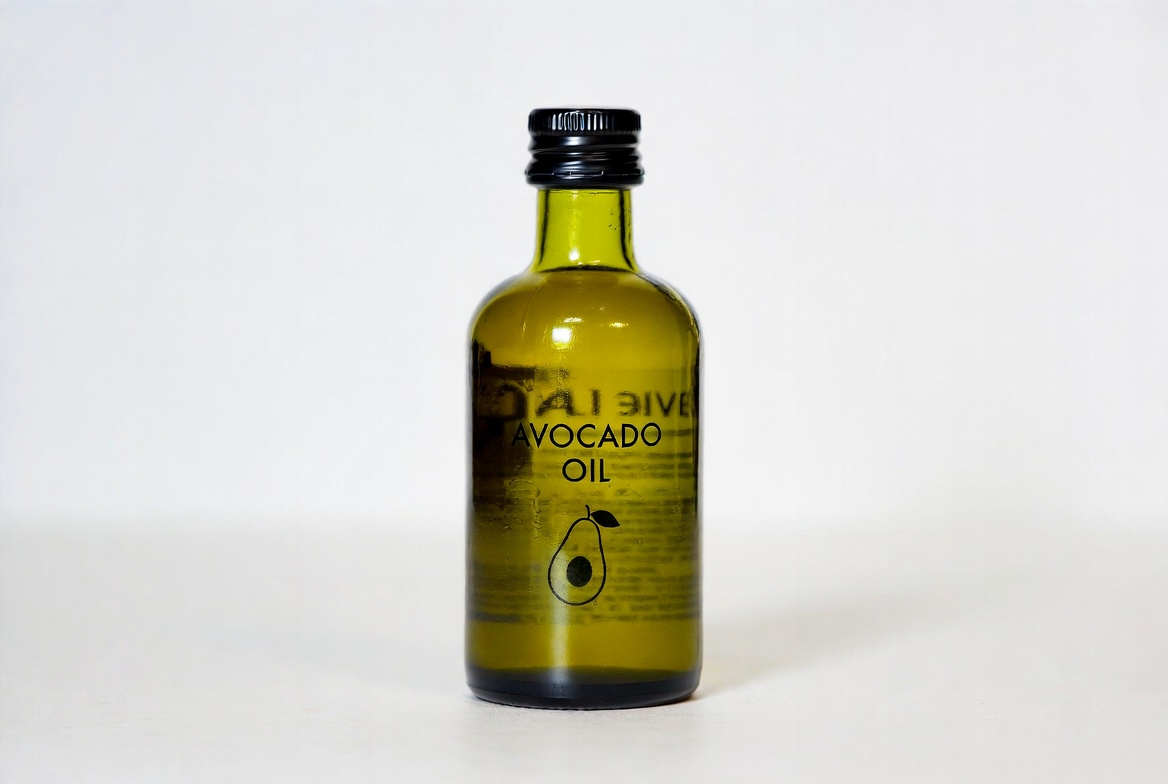
Avocado oil has become increasingly popular in kitchens across the country, and there’s a good reason why. This oil comes from the fruit of the avocado tree, extracted through a pressing process similar to how olive oil is made. What sets it apart, though, is its impressive heat tolerance.
The smoke point for refined avocado oil sits around 500 degrees Fahrenheit. Let that sink in for a moment. That’s significantly higher than most other cooking oils you’ll find in a standard grocery store. If you’re using unrefined or virgin avocado oil, you’re looking at roughly 375 to 400 degrees Fahrenheit, which is still quite respectable for most cooking methods.
Nutritional Profile and Health Benefits
What I really appreciate about avocado oil is that it brings more to the table than just heat tolerance. This oil is packed with monounsaturated fats, which are the same healthy fats you find in avocados themselves. These are the good fats—the ones your heart actually appreciates.
Beyond the fat profile, avocado oil contains vitamins E and K, plus lutein, which is fantastic for eye health. It also has a naturally higher proportion of antioxidants compared to many other cooking oils. So when you’re using avocado oil at high temperatures, you’re not just avoiding the creation of harmful compounds—you’re actually starting with a nutritionally dense ingredient.
Flavor Characteristics
Here’s something people don’t always talk about: flavor. Refined avocado oil has a relatively neutral taste, which makes it incredibly versatile. You’re not adding strong flavor notes to your dish unless you want to. This neutrality is actually a superpower in the kitchen because it lets your other ingredients shine.
If you go with unrefined or virgin avocado oil, you’ll get a slightly buttery, grassy note. Some people love this for finishing dishes or drizzling over salads. Others find it a bit too forward for their taste. Personal preference really does matter here.
Best Cooking Methods for Avocado Oil
- Pan-searing steaks and fish
- Stir-frying vegetables and proteins
- Deep frying (though not commonly done at home)
- Roasting vegetables at high temperatures
- Sautéing on the stovetop
- Grilling and high-heat cooking
Olive Oil: The Complex Story of a Classic Oil
The Different Types and Their Heat Tolerance
Here’s where olive oil gets complicated, and honestly, this is where a lot of confusion starts. Not all olive oils are created equal, and their ability to handle heat varies wildly depending on how they’re processed.
Extra virgin olive oil, which is the least processed and highest quality version, has a smoke point between 320 and 375 degrees Fahrenheit. This is considerably lower than refined avocado oil. Virgin olive oil sits in a similar range. Regular or light olive oil, which is more refined, can handle temperatures up to 465 degrees Fahrenheit, making it somewhat more suitable for cooking.
Why the difference? Processing. When olive oil goes through more extensive refinement, it becomes more stable at higher temperatures. The downside is that you lose some of the complex flavors and beneficial compounds that make extra virgin olive oil so special.
Why Olive Oil Has Been a Kitchen Staple
Olive oil isn’t popular for no reason. This oil has been a cornerstone of Mediterranean cuisine for thousands of years, and it’s earned that status through its exceptional flavor profile and impressive nutritional benefits. Extra virgin olive oil contains polyphenols, which are powerful antioxidants. It’s also rich in monounsaturated fats, similar to avocado oil.
The research on olive oil’s health benefits is extensive. Studies consistently show that populations consuming olive oil regularly tend to have better heart health markers. The Mediterranean diet, which relies heavily on olive oil, is frequently cited as one of the healthiest dietary patterns in the world.
The Flavor Question
If you’ve ever tasted a good extra virgin olive oil, you know it’s an experience unto itself. These oils offer complex flavor notes—fruity, peppery, herbaceous, buttery. They’re ingredients in their own right, not just cooking mediums. This is why using quality olive oil for high-heat cooking actually feels wasteful. You’re destroying the very characteristics that make it worth buying in the first place.
Best Uses for Different Types of Olive Oil
This is crucial to understand. Extra virgin olive oil should generally be reserved for finishing dishes, drizzling over salads, dipping bread, or making vinaigrettes. You’re getting maximum flavor and maximum nutrition with minimal heat.
Light or refined olive oil? That’s your choice for cooking. It can handle moderate to moderately high heat without smoking, and it won’t waste those expensive premium oils you have sitting in your pantry.
Head-to-Head Comparison: High-Heat Cooking Performance
Smoke Points Side by Side
Let me break this down clearly so there’s no confusion:
- Refined Avocado Oil: 500°F
- Unrefined Avocado Oil: 375-400°F
- Light Olive Oil: 465°F
- Virgin Olive Oil: 375°F
- Extra Virgin Olive Oil: 320-375°F
The winner for pure heat tolerance? Refined avocado oil, hands down. But hold on—this doesn’t automatically make it the better choice for every situation.
Stability at Temperature
Beyond the initial smoke point, there’s another consideration: how stable the oil remains as it gets heated. Refined avocado oil is incredibly stable at high temperatures. The oil maintains its integrity well, which means you’re not getting oxidation or breakdown of beneficial compounds.
Light olive oil is also fairly stable, though not quite as robust as avocado oil. Extra virgin olive oil? That’s where things break down—literally. Heat damages the delicate compounds that make it special, and it begins oxidizing more rapidly.
Cost Considerations and Value
Let’s talk money for a minute because this matters to your decision-making process. Quality olive oil, especially extra virgin varieties, tends to be expensive. A good bottle can run you anywhere from fifteen to forty dollars, sometimes more. Are you really going to use that for high-heat cooking? Probably not, if you’re being honest with yourself.
Avocado oil typically costs more per bottle than standard olive oil, but less than premium extra virgin varieties. For high-heat cooking purposes, you’re getting excellent value. You’re using an oil that’s actually designed for the heat levels you’re applying, and you’re not wasting expensive premium products.
Practical Kitchen Scenarios: What Oil to Use When
Searing Steaks and Fish
This is one of those moments where you really need that high smoke point. You want your pan screaming hot, and you need an oil that won’t break down and fill your kitchen with smoke. Avocado oil is genuinely perfect here. Light olive oil can work too, but avocado oil gives you a larger safety margin.
Making a Vinaigrette or Salad Dressing
Here’s where extra virgin olive oil shines. You want that flavor, and you want those antioxidants. Heat is the last thing you’re doing here. Use the best olive oil you can afford.
Roasting Vegetables at 425 Degrees
Both oils work fine here, but avocado oil is the safer choice. It gives you peace of mind knowing you’ve got plenty of heat capacity left. If you’re using light olive oil, you’re right near its limit, which isn’t ideal.
Sautéing Vegetables for a Side Dish
This depends on your temperature. Medium heat? Either oil works great. Medium-high heat approaching 400 degrees? Avocado oil is your better bet.
Finishing a Soup or Pasta Dish
This is where extra virgin olive oil belongs. Drizzle it over your finished dish. It’s not being heated to smoking point—it’s adding flavor and nutrition at the end. This is actually the ideal use case for premium olive oil.
Health Implications of High-Heat Cooking with Each Oil
What Happens When Oil Smokes?
When oil reaches its smoke point, something important changes. The free fatty acids begin to oxidize and break down. This creates compounds like aldehydes and ketones. Some research suggests that consuming foods cooked in repeatedly heated oils might be associated with increased health risks. It’s not that occasional high-heat cooking will hurt you, but making a habit of using the wrong oil for the job isn’t smart.
Using the right oil at the right temperature means you’re not creating unnecessary compounds that have no business in your body. You’re also preserving the beneficial aspects of the oil you’re using.
Oxidation and Nutrient Preservation
Avocado oil’s stability at high temperatures means less oxidation occurs during cooking. The antioxidants and vitamins remain more intact. Olive oil’s antioxidant compounds, while wonderful for your health, are more vulnerable to heat. This is another reason to reserve premium olive oil for cool applications.
Storage and Shelf Life Differences
Here’s something practical that often gets overlooked. Both oils should be stored properly to maintain their quality, but they have slightly different requirements.
Extra virgin olive oil is particularly sensitive to light and heat, so it should be stored in a cool, dark place. It’s also more prone to going rancid if stored for extended periods. Avocado oil is somewhat more stable and has a longer shelf life under normal storage conditions.
Neither should be stored above your stove, despite how convenient that seems. That’s basically the worst place you could put them.
Environmental and Sustainability Factors
If sustainability matters to you—and it should—both oils have pros and cons worth considering.
Olive oil production is well-established and has been refined over centuries. The infrastructure exists across Mediterranean regions. However, olive oil production does require significant water, and some concerns exist about land usage in certain regions.
Avocado oil production is newer and growing rapidly, primarily in Mexico and California. The concern here centers on water usage for avocado cultivation and potential habitat disruption. Neither oil is perfect from an environmental standpoint, but both are relatively better than some alternatives.
Making Your Decision: A Practical Framework
Choose Avocado Oil If You:
- Cook frequently at high temperatures
- Like a neutral-flavored oil for savory cooking
- Want better heat stability and margin for error
- Appreciate the nutritional profile it brings
- Prefer not to worry about reaching your oil’s smoke point
Choose Olive Oil If You:
- Value complex flavor in your cooking
- Use oils primarily for finishing dishes or dressings
- Want the extensively researched health benefits of olive oil
- Prefer cooking at moderate temperatures
- Enjoy the ritualistic aspect of using premium oils
The Bottom Line: Having Both in Your Kitchen
Here’s my honest take: you don’t have to choose just one. The most practical approach is having both oils on hand, using each for what it does best. Keep refined avocado oil for your high-heat cooking needs. Keep good extra virgin olive oil for finishing touches and dressings where you actually want that flavor.
This isn’t expensive redundancy—it’s smart cooking strategy. You’re using the right tool for the right job, which always produces better results.
Conclusion
So, which oil won’t smoke your kitchen during high-heat cooking? Avocado oil, without question. Its superior smoke point of around 500 degrees Fahrenheit makes it the clear winner when you’re dealing with seriously high temperatures. But calling it the “better” oil is missing the point entirely.
Both oils have earned their place in global cuisine for good reasons. Olive oil brings centuries of tradition, incredible flavor, and extensive health research backing its benefits. Avocado oil offers impressive heat stability, excellent nutritional profile, and versatility that works across many cooking styles.
The real answer to your kitchen dilemma isn’t that one oil is superior to the other. Rather, they’re suited to different purposes. Use avocado oil when you need heat capacity and neutral flavor. Use olive oil when you want flavor, nutrition, and aren’t exposing it to extreme temperatures. This combination gives you maximum flexibility in your kitchen while ensuring you’re getting the best from each oil.
Your cooking will improve, your food will taste better, and you’ll stop worrying about whether you’ve chosen wrong. That’s worth the knowledge right there.
Frequently Asked Questions
Can I use extra virgin olive oil for high-heat cooking?
Technically, you can, but you shouldn’t make a habit of it. Extra virgin olive oil’s smoke point of 320-375°F means it’s not ideal for high-heat applications. Beyond the smoke point issue, you’re literally wasting the premium quality and complex flavors that make extra virgin olive oil special. It’s like using a fine wine to cook with when a regular cooking wine would do the job just as well. Save your good olive oil for finishing dishes, and use a refined oil or avocado oil for cooking at high temperatures.
Is avocado oil actually healthier than olive oil?
Both oils have genuine health benefits, and neither is