
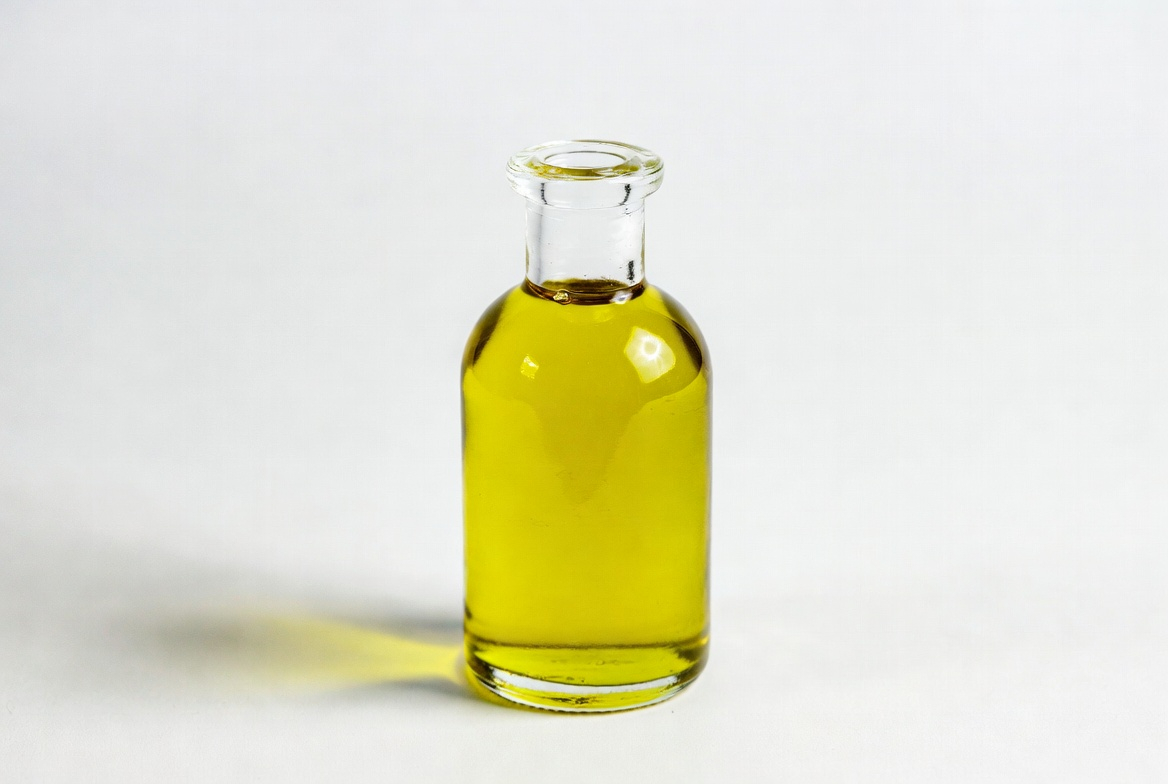
Avocado Oil vs Olive Oil Keto: The Best Fat for Your Ketogenic Diet
Navigating the keto landscape in 2026 means understanding the nuances of fueling your body differently. We’re talking about a fundamental shift from carbs to fats for energy, and when it comes to those crucial fats, the oil you select is a game-changer for your progress. Two heavy hitters in the keto kitchen are avocado oil and olive oil. So, as you craft your next keto masterpiece, which of these powerhouses truly reigns supreme for your ketogenic diet?
Understanding the Ketogenic Diet and Fat’s Critical Role
Before we dive into comparing these two powerhouse oils, let’s get on the same page about what makes the keto diet tick. The ketogenic diet is built on a macronutrient ratio that typically looks like this: 70 to 75 percent fat, 20 to 25 percent protein, and just 5 to 10 percent carbohydrates. This radical shift forces your body into a metabolic state called ketosis, where your liver produces ketones that become your body’s primary fuel source instead of glucose.
Now, here’s where fat becomes absolutely crucial. You’re not just eating fat for the sake of it—you’re using it as your main energy vehicle. This means the quality and composition of the fats you consume directly impacts your energy levels, satiety, and overall success on the diet. Choosing between avocado oil and olive oil isn’t trivial; it’s a decision that affects your daily performance and long-term health outcomes.
Avocado Oil: The Keto Superstar
What Makes Avocado Oil Stand Out
Avocado oil has become something of a celebrity in the keto community, and there are legitimate reasons why. This oil is extracted from the flesh of avocados, not the pit or the skin, which gives it a unique nutritional profile that aligns beautifully with keto principles.
One of the most impressive aspects of avocado oil is its smoke point. We’re talking about 500 degrees Fahrenheit—or even up to 520 degrees in some cases. What does this mean for you? It means you can use avocado oil for high-heat cooking without worrying about it breaking down into harmful compounds. Whether you’re searing a steak, roasting vegetables, or stir-frying some keto-friendly ingredients, avocado oil can handle the heat without compromising its nutritional integrity.
The Fatty Acid Composition
Let’s talk numbers, because this is where avocado oil really shines for keto dieters. Avocado oil is approximately 70 percent monounsaturated fat, with about 12 percent polyunsaturated fat and 12 percent saturated fat. This composition is remarkably similar to olive oil, but there’s a subtle difference in how your body responds to these fats, which we’ll explore in a moment.
The monounsaturated fats in avocado oil, particularly oleic acid, are the same heart-healthy fats you’ll find in olive oil. These fats have been linked to reduced inflammation, improved cholesterol profiles, and better cardiovascular health. For someone on keto, this means you’re not just getting into ketosis—you’re potentially improving your metabolic health along the way.
Micronutrients and Additional Benefits
Here’s something that often gets overlooked: avocado oil contains vitamin E, a powerful antioxidant that helps protect your cells from oxidative stress. It also contains lutein and zeaxanthin, compounds that support eye health. While you won’t get massive amounts of these nutrients from oil alone, every little bit counts when you’re making deliberate dietary choices.
Olive Oil: The Mediterranean Staple
Why Olive Oil Deserves Your Attention
Olive oil has been fueling Mediterranean diets for thousands of years, and its popularity isn’t accidental. Extra virgin olive oil, in particular, packs a nutritional punch that makes it compatible with ketogenic eating, though with some important caveats we’ll discuss.
The reason olive oil works so well for keto comes down to its fat profile. Like avocado oil, it’s predominantly monounsaturated—around 73 percent. This means it delivers the same satiety and ketone-producing benefits you’re seeking on a keto diet. The fatty acid composition is so similar that many keto enthusiasts use olive oil interchangeably with avocado oil.
The Smoke Point Limitation
Here’s where we hit a significant difference. Extra virgin olive oil has a smoke point between 325 and 375 degrees Fahrenheit. This is considerably lower than avocado oil’s 500-degree threshold. What this means practically is that extra virgin olive oil isn’t ideal for high-heat cooking. If you heat it beyond its smoke point, it begins to break down into compounds that can actually be harmful to your health, including free radicals and trans fats.
Think of it this way: using extra virgin olive oil for high-heat cooking is like using your grandmother’s delicate china for a backyard barbecue. It’s not designed for that purpose, and forcing it into that role can damage both the oil and your health.
Polyphenol Content and Antioxidant Power
One area where extra virgin olive oil genuinely outperforms avocado oil is in its polyphenol content. These are plant compounds with potent antioxidant and anti-inflammatory properties. A quality extra virgin olive oil can contain significantly higher polyphenol levels than avocado oil, which means better protection against oxidative stress and inflammation.
However—and this is important—these benefits are maximized when you consume olive oil raw or at low temperatures. The polyphenols are heat-sensitive, meaning they degrade when exposed to high temperatures. So if you’re cooking with olive oil at high heat, you’re losing much of this antioxidant advantage.
Direct Comparison: Avocado Oil vs Olive Oil for Keto
Nutritional Profile Comparison
When we line up these two oils side by side, the similarities are striking. Both are approximately 120 calories per tablespoon, both contain negligible carbohydrates (making them perfectly keto-compatible), and both are primarily composed of monounsaturated fats. In terms of raw nutritional content, you’re getting very similar macronutrient profiles.
However, the devil is in the details:
- Avocado oil offers superior stability at high temperatures
- Olive oil provides higher polyphenol content when consumed raw
- Avocado oil contains more vitamin E
- Olive oil delivers more diverse anti-inflammatory compounds
Cooking Applications and Heat Stability
If you’re planning to do any serious cooking—searing meats, roasting vegetables, creating stir-fries—avocado oil is your winner. Its high smoke point makes it the more versatile choice for the cooking methods that keto dieters typically employ.
Olive oil shines in applications where heat isn’t involved or is kept minimal. Think salad dressings, drizzling over finished dishes, dipping breads (if you’re doing a modified keto approach), or finishing off cooked meals with a flavorful addition.
Taste and Flavor Profile
Here’s something that extends beyond nutrition: flavor. Olive oil, particularly extra virgin varieties, carries a distinctive taste—earthy, grassy, sometimes with peppery notes. This can be wonderful if you enjoy those flavors, but it can also be overpowering in some dishes.
Avocado oil, by contrast, is remarkably neutral. It doesn’t impose its own flavor on your food, which makes it incredibly versatile. If you want your keto creations to taste like the ingredients themselves and not the oil, avocado oil is your ally.
Cost Considerations for Your Keto Budget
Let’s be real: price matters. Avocado oil typically costs more than olive oil, sometimes significantly more depending on the brand and quality. If you’re buying a large bottle of standard olive oil, you might pay $8-12. For quality avocado oil, you could easily spend $15-25 for a similar quantity.
For someone committed to keto, this might not break the bank, but it’s worth considering. You might want to use avocado oil for your primary cooking and reserve olive oil for finishing dishes and salads, thereby stretching your budget while still enjoying the benefits of both.
Oxidation and Shelf Life: A Critical Factor
How These Oils Age
Not all oils age gracefully. Both avocado and olive oil can oxidize over time, particularly when exposed to light, heat, or oxygen. Oxidized oils lose their nutritional benefits and can actually become problematic for your health.
Avocado oil tends to have a longer shelf life than olive oil due to its different fatty acid composition. However, both oils benefit from proper storage—keeping them in dark bottles, away from direct sunlight, in a cool place.
Storage Best Practices
To maximize the lifespan of either oil, store it away from your stove and direct heat sources. A pantry or dark cupboard is ideal. Some people even refrigerate their oils, which can cause them to solidify slightly but actually extends their usable life significantly. Check the expiration date before purchasing, and once you open a bottle, plan to use it within a few months for best quality.
Health Benefits Specific to Keto Success
Inflammation and Recovery
When you transition into ketosis, your body undergoes significant metabolic changes. Both avocado and olive oil support this transition by reducing inflammation. The monounsaturated fats in both oils have been shown to lower inflammatory markers, which is particularly important during the initial adaptation phase of keto.
If you’re experiencing joint pain, digestive issues, or general inflammation as you adjust to keto, incorporating quality oils can help smooth that transition and support your body’s healing processes.
Energy and Satiety
One of keto’s greatest promises is stable energy and lasting fullness. The fats in both avocado and olive oil contribute directly to these benefits. Fat is more satiating than carbohydrates or protein, meaning you’ll feel fuller longer. This naturally reduces snacking and helps you maintain your caloric deficit without feeling deprived.
Nutrient Absorption
Here’s a detail that many people overlook: fat-soluble vitamins (A, D, E, and K) require fat for absorption. By using quality oils, you’re not just adding calories—you’re actually enhancing your body’s ability to absorb other nutrients. This is particularly relevant on keto, where nutrient density becomes increasingly important as overall food volume typically decreases.
Quality Matters: Choosing Premium Oils
What to Look for When Purchasing
Not all avocado oils and olive oils are created equal. When shopping, look for the following:
- Cold-pressed or expeller-pressed oils
- Dark glass bottles (protects from light exposure)
- Organic certification if budget allows
- Reputable brands with transparent sourcing
- Recent harvest dates on the label
For olive oil specifically, “extra virgin” is important. This designation means the oil was produced without chemical solvents and is the least processed option. For avocado oil, cold-pressed indicates minimal heat processing, which preserves more nutrients.
Red Flags to Avoid
Be cautious of oils that come in clear bottles, as they’ve likely been exposed to degrading light. Avoid oils with vague sourcing information or unusually low prices, which often indicate lower quality or adulteration. Some olive oils on the market are actually blended with cheaper oils, so purchasing from trusted sources is crucial.
Practical Application: How to Use Each Oil
Avocado Oil Ideal Uses
Given its high smoke point and neutral flavor, avocado oil is your go-to for:
- Searing steaks or other meats
- Roasting vegetables at high temperatures
- Creating crispy bacon or sausage
- Stir-frying ingredients
- General cooking where heat tolerance is needed
- Mayonnaise and salad dressing bases
Olive Oil Ideal Uses
Olive oil performs best when used in these applications:
- Drizzling over finished soups or stews
- Tossing with cooked vegetables
- Creating vinaigrettes and cold dressings
- Dipping sauce for cheese or low-carb breads
- Finishing dishes just before serving
- Gentle sauté at moderate temperatures
Environmental and Sustainability Factors
If environmental impact influences your purchasing decisions, it’s worth noting that avocado farming, particularly in regions like Mexico, has raised sustainability concerns. Large-scale avocado production has been linked to deforestation and water usage issues in some areas.
Olive oil production, while also resource-intensive, has thousands of years of established agricultural practices. Look for sustainably sourced olive oil from producers who use responsible farming methods.
Neither option is perfect from an environmental standpoint, so consider your own values and research the specific producers you’re supporting.
Making Your Decision: A Practical Framework
So which oil should you choose? The honest answer is that both can work beautifully on a ketogenic diet. Your decision should be based on:
- Your primary cooking methods (high-heat cooking favors avocado oil)
- Your budget constraints
- Your taste preferences
- Your environmental values
- Your health priorities (inflammation reduction vs. antioxidant protection)
Many successful keto dieters use both oils, strategically deploying each where it performs best. This isn’t either-or; it’s both-and. Use avocado oil for cooking and olive oil for finishing, and you’ll get the advantages of both nutritional profiles.
Conclusion
When it comes to avocado oil versus olive oil for keto, there isn’t a universally perfect answer—only the answer that’s right for your specific situation and preferences. Both oils are fundamentally compatible with ketogenic eating, offering similar macronutrient profiles with the monounsaturated fats your body craves during ketosis.
Avocado oil emerges as the superior choice for cooking applications thanks to its impressive 500-degree smoke point, making it ideal for searing, roasting, and high-heat preparation. It’s also neutral in flavor and packed with vitamin E. However, it comes with a higher price tag.
Olive oil, particularly extra virgin varieties, offers exceptional polyphenol content and anti-inflammatory properties when consumed raw or at low temperatures. It’s more budget-friendly and brings a distinctive flavor profile that many people love. Its limitation lies in its lower smoke point, which restricts its cooking applications.
Rather than viewing these as competitors, consider them complementary tools in your keto kitchen. Build a strategy that uses each oil where it excels, and you’ll create a sustainable approach that supports your ketogenic goals while maximizing both nutrition and enjoyment of your meals. Your body will thank you, your palate will appreciate the variety, and your keto journey will be all the richer for it.

![7 Best Italian Olive Oil To Buy [2026]](https://bestpureessentialoils.com/wp-content/uploads/2026/08/7-best-italian-olive-oil-to-buy-2026-featured-768x432.jpg)
![7 Best Extra Olive Oil Brands [2026]](https://bestpureessentialoils.com/wp-content/uploads/2026/08/7-best-extra-olive-oil-brands-2026-featured-768x432.jpg)
![7 Best Olive Oil For Health [2026]](https://bestpureessentialoils.com/wp-content/uploads/2026/07/7-best-olive-oil-for-health-2026-featured-768x432.jpg)
![7 Best Chilean Olive Oil [2026]](https://bestpureessentialoils.com/wp-content/uploads/2026/06/7-best-chilean-olive-oil-2026-featured-768x432.jpg)
![7 Best Olive Oil To Drink [2026]](https://bestpureessentialoils.com/wp-content/uploads/2026/07/7-best-olive-oil-to-drink-2026-featured-768x432.jpg)