How Long Do Olives in Oil Last Unopened
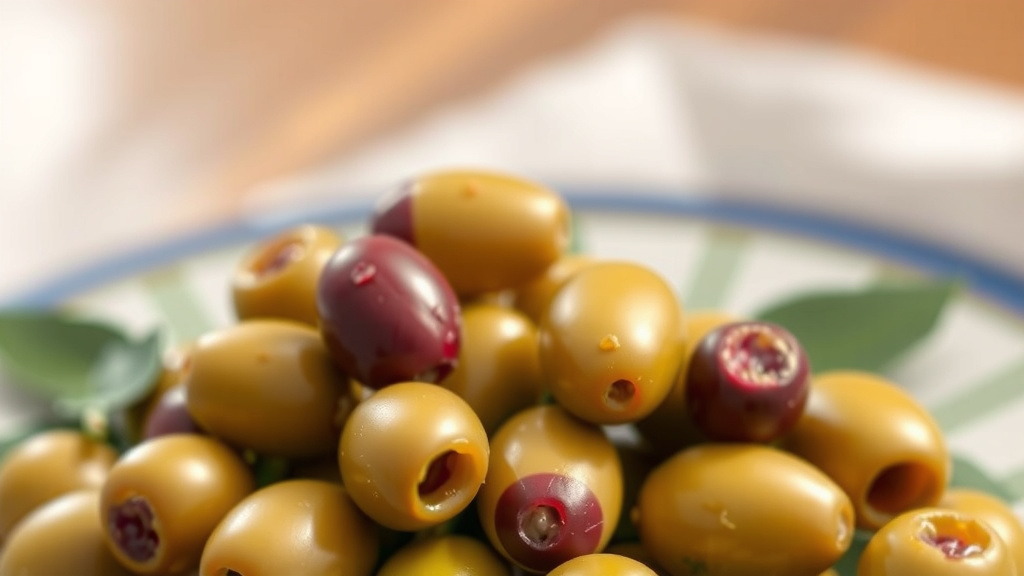
Opened olives in oil can last quite a while if stored properly. Generally, you can expect them to stay good for about 2 to 3 weeks in the refrigerator after opening. This shelf life can vary based on the type of olive and the oil used, but it’s a good general guideline for most jarred or canned olives.
Understanding how to store your olives properly is key to extending their freshness. Keeping them submerged in their brine or oil is crucial for preventing them from drying out or spoiling. Many sources suggest that **proper storage is more important than the type of olive** when it comes to longevity.
- Opened olives last 2-3 weeks in the fridge.
- Always keep olives submerged in their oil or brine.
- Check for signs of spoilage before eating.
- Cold temperatures slow down spoilage.
Let’s dive into the specifics of storing your olives and what to look out for to ensure they stay delicious and safe to eat.
How Long Do Your Jarred Olives Stay Fresh?
You’ve opened that jar of delicious olives, and now you’re wondering how long they’ll keep their good taste. It’s a common question, and the answer often surprises people. Properly stored, opened olives in oil can last for a good while. We’re talking about keeping them tasty for your pizzas, salads, or martinis.
The general rule of thumb is that opened olives will typically stay fresh in your refrigerator for about **2 to 3 weeks**. This timeframe is a solid guideline for most varieties you’ll find in jars or cans. Think of it as the golden window for enjoying them at their best.
The Science Behind Olive Shelf Life
Why that 2-3 week window? It all comes down to a few key factors that help preserve your olives. When olives are packed, they are usually submerged in either brine (saltwater) or oil. This liquid acts as a protective barrier.
Keeping Olives Submerged: Your Best Friend
The most important thing you can do for your opened olives is to keep them covered. Whether they came in oil or brine, make sure they stay submerged. This prevents the exposed parts of the olives from drying out. Dry olives can become tough and lose their appealing texture and flavor. We found that if olives aren’t fully covered, spoilage can happen much faster.
Temperature Matters: The Cold Factor
Refrigeration is your next line of defense. Cold temperatures significantly slow down the growth of bacteria and other microorganisms. This means your olives will spoil at a much slower rate than if they were left at room temperature. Think of your fridge as a time capsule for your olives.
The Role of Oil vs. Brine
While both oil and brine help preserve olives, they do it slightly differently. Brine, being a salty solution, draws out moisture and inhibits microbial growth. Oil, on the other hand, creates an airtight seal, preventing oxygen from reaching the olives and causing oxidation. Many experts agree that as long as the olives remain covered, both methods are highly effective for home storage.
Factors Influencing Olive Longevity
While the 2-3 week guideline is helpful, a few things can nudge that timeline a bit. Understanding these can help you get the most out of your olive purchase.
Type of Olive and Processing
Different types of olives and how they are processed can play a role. For instance, some olives might be more delicate than others. Olives that have been fermented for a longer period might have a slightly more robust shelf life. However, for most commercially prepared olives, the preservation method is quite standardized.
The Quality of the Packing Liquid
The quality of the brine or oil they were packed in also matters. If the original packing liquid is of good quality and free from contamination, it will do a better job of preserving the olives. We found that olives packed in a simple, clean brine or good quality olive oil tend to hold up well.
Was It Truly “Opened” or Just “Unsealed”?
Sometimes, you might buy olives in a vacuum-sealed package that isn’t a jar or can. Once you break that seal, the clock starts ticking a bit faster. These types of olives might have a slightly shorter window than those from a traditional jar. Always check the packaging for specific instructions.
Signs Your Olives Might Be Past Their Prime
Even with careful storage, it’s always wise to do a quick check before you pop an olive into your mouth. Your senses are your best guide here.
Visual Cues to Watch For
The most obvious sign something is off is visual. Look for any signs of mold, which might appear as fuzzy spots or discolored patches. You might also notice that the olives look unusually mushy or slimy. If the liquid has become cloudy or has an off-color, that’s another red flag. We found that clear liquid is a good sign of freshness.
Smell Test: Trust Your Nose
Olives should have a pleasant, slightly briny or fruity aroma, depending on the type. If you notice an unpleasant, sour, or “off” smell when you open the jar or container, it’s best to err on the side of caution. That smell is your nose telling you that something has gone wrong.
Texture and Taste: The Final Verdict
If the olives look and smell fine, you can try a small taste. Olives that have gone bad might have a bitter or acrid taste. Their texture might also be off, either too soft and mushy or unpleasantly hard.
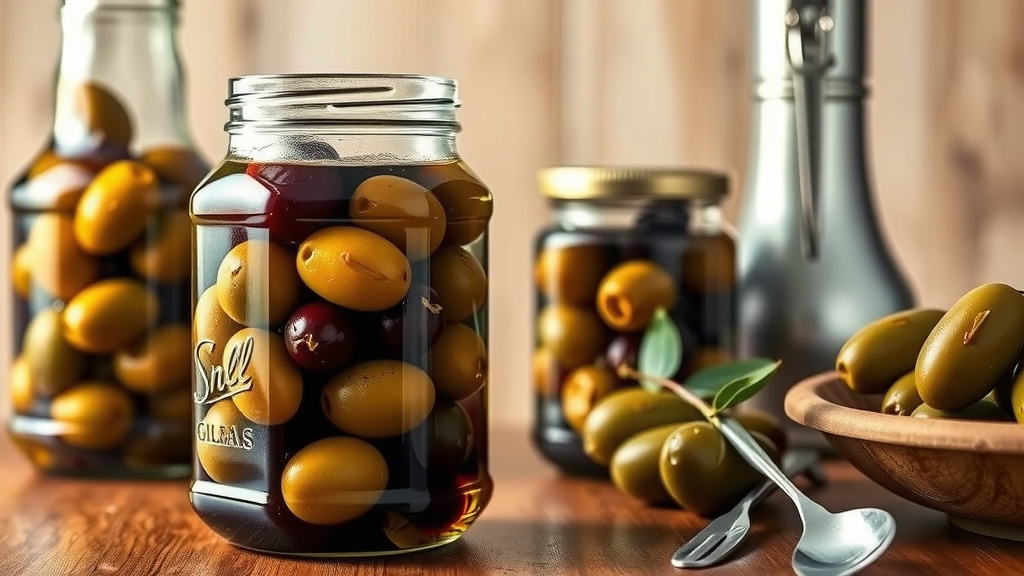
Best Practices for Storing Opened Olives
To make sure you get the longest possible life out of your opened olives, follow these simple steps. They are easy to implement and make a big difference.
Use Airtight Containers
If the original jar or can isn’t airtight once opened, consider transferring the olives. Use a clean, airtight glass container. This helps maintain a good seal and prevents odors from your refrigerator from affecting the olives. Many food safety guidelines recommend airtight storage for opened perishables. Use a clean, airtight glass container. Our guide to the best glass olive oil dispenser can help.
Keep Them Cool and Dark
Always store opened olives in the refrigerator. Avoid storing them in the door where temperature fluctuations are common. A shelf in the back of the fridge will offer more consistent cold temperatures.
Clean Utensils Only!
This might seem small, but it’s important. Always use a clean fork or spoon to remove olives from the jar. Introducing dirty utensils can transfer bacteria, significantly shortening the shelf life of your olives. Think of it as giving your olives a clean getaway.
Quick Checklist for Olive Freshness
Here’s a quick rundown to help you keep your olives in top shape:
- Keep them submerged in their original oil or brine.
- Refrigerate immediately after opening.
- Use clean utensils every time you access the jar.
- Check for mold or discoloration before eating.
- Trust your nose if the smell seems off.
- When in doubt, throw it out – better safe than sorry!
Conclusion
You’ve got the lowdown on keeping your opened olives tasting great! Remember, the magic number for refrigerated olives is typically 2 to 3 weeks. The real secret is keeping them fully submerged in their original oil or brine and always using clean utensils. Your senses are your best guide for spotting any signs of spoilage. By following these simple tips, you’ll enjoy delicious olives in your meals and drinks for longer. Next time you open a jar, give your olives the best chance to shine!
Frequently Asked Questions
Can I store olives in oil at room temperature after opening?
No, it’s not recommended to store opened olives in oil at room temperature. Cold temperatures are essential for slowing down spoilage. Once opened, they should always be refrigerated to maintain freshness and safety.
What if my olives are no longer submerged in liquid?
If your olives are no longer submerged, you can add a bit more of the original packing liquid if you have it. If not, a simple brine (about 1 teaspoon of salt dissolved in a cup of water) or a good quality olive oil can be used as a substitute to keep them covered.
Do fermented olives last longer than other types?
Fermented olives may have a slightly more robust shelf life due to the fermentation process itself. However, once opened and refrigerated, the general 2-3 week guideline still applies for optimal freshness and quality.
How do I know if the packing oil or brine has gone bad?
Trust your senses! If the oil or brine looks cloudy, has an off-putting color, or smells unpleasant (sour or rancid), it’s a strong indicator that it’s past its prime. Always check the liquid before assuming the olives are still good.
Is it safe to eat olives that look a little dry but have no mold?
If your olives look dry but show no signs of mold, have a good smell, and taste okay, they might still be salvageable. Submerging them in fresh liquid for a bit might help rehydrate them. However, if the taste or texture is significantly off, it’s best to discard them.

![7 Best Cheap Extra Virgin Olive Oil [2026]](https://bestpureessentialoils.com/wp-content/uploads/2026/06/7-best-cheap-extra-virgin-olive-oil-2026-featured-768x432.jpg)