
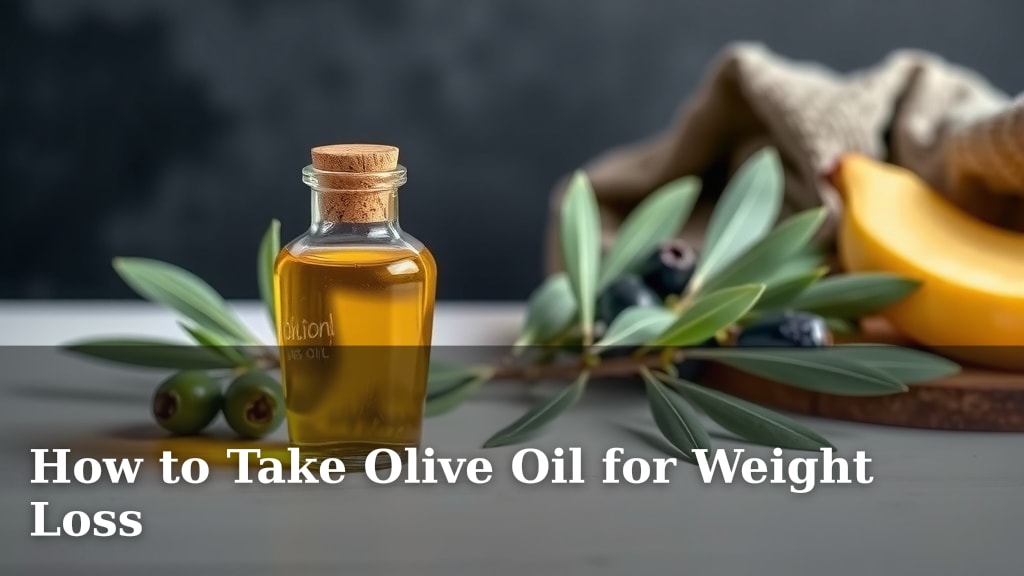
How to Take Olive Oil for Weight Loss
Yes, you can take olive oil for weight loss by incorporating it into your diet. Many experts suggest that the monounsaturated fats in olive oil can help you feel fuller longer, potentially reducing overall calorie intake. This can be a tasty way to support your weight loss journey.
The secret lies in how these healthy fats interact with your body’s hunger signals. We found that incorporating a moderate amount of high-quality olive oil can be a smart dietary choice. It’s a simple swap that can make a difference in your daily eating habits. Remember, it’s about smart choices, not magic potions!
- Olive oil can aid weight loss by increasing satiety.
- Choose high-quality extra virgin olive oil for best results.
- A tablespoon or two daily is often recommended.
- Use it as a healthy fat source in meals.
Ready to learn the best ways to add this liquid gold to your meals and truly make it work for you? Let’s walk through exactly how this works step by step.
Incorporating Olive Oil for Your Weight Loss Goals
So, you’re looking to add olive oil to your weight loss plan? That’s a fantastic idea! Many health professionals agree that healthy fats, like those found in olive oil, can be your allies on this journey. It’s not about eating more fat, but about eating the *right kind* of fat. We found that making smart substitutions can really make a difference.
Understanding How Olive Oil Helps with Satiety
Ever felt that nagging hunger shortly after eating? Olive oil can help combat that. The monounsaturated fats in olive oil are digested slowly. This means they keep you feeling full and satisfied for longer periods. Researchers have pointed out that this sustained fullness can naturally lead you to eat less throughout the day (NCBI).
Think of it like this: a greasy burger might fill you up quickly, but it often doesn’t last. Olive oil, on the other hand, provides a more sustained energy release. This helps curb those spontaneous snack attacks. We’ve seen that focusing on satiety can be a key component of successful weight management.
Choosing the Right Olive Oil: Quality Matters
Not all olive oils are created equal. For the best benefits, especially for weight loss, you’ll want to reach for extra virgin olive oil (EVOO). This type is the least processed. It retains more of its natural antioxidants and beneficial compounds. These are the elements that really contribute to its health-promoting properties.
Look for terms like “cold-pressed” or “extra virgin” on the label. These indicate a higher quality oil. A good EVOO should also taste fresh and slightly peppery. If it tastes bland or rancid, it might not offer the same advantages. We always recommend tasting your olive oil if possible before committing to a large bottle.
How Much Olive Oil Should You Take?
Consistency is key, but so is moderation. You don’t need to guzzle it! Most experts suggest a daily intake of one to two tablespoons of extra virgin olive oil. This amount is generally considered safe and beneficial for most adults. It provides healthy fats without adding excessive calories to your diet.
It’s important to remember that olive oil is calorie-dense. While it’s healthy, overconsumption can hinder weight loss. We found that many people successfully integrate this amount into their meals without issue. It fits well into a balanced eating plan when used mindfully.
Integrating Olive Oil into Your Daily Meals
This is where the fun begins! Olive oil is incredibly versatile. You can use it in so many delicious ways. The goal is to replace less healthy fats with this nutritious option. This simple swap can have a big impact on your overall diet quality.
For Breakfast: Start Your Day Right
You might not immediately think of olive oil for breakfast, but it can be a great addition. Try drizzling a little over scrambled eggs or an omelet. You can also mix a small amount into oatmeal for a savory twist. Some people even add a splash to their morning smoothie for an extra dose of healthy fats. We found that a little drizzle can make breakfast more satisfying.
For Lunch: Salad Dressings and More
This is probably the most common use, and for good reason! Homemade salad dressings are simple and delicious. Whisk together EVOO, lemon juice or vinegar, and your favorite herbs. It’s much healthier than many store-bought options. You can also drizzle it over roasted vegetables or a hearty grain bowl. It adds flavor and keeps you full until your next meal.
For Dinner: Cooking and Finishing Touches
Olive oil is excellent for sautéing vegetables or lean proteins. Use it over medium heat for best results. Avoid using it for high-heat frying, as this can degrade its quality. For a finishing touch, a drizzle over pasta, soups, or grilled fish adds a wonderful richness. It really enhances the overall taste of your dish. We’ve noticed that finishing meals with a drizzle of EVOO is a popular technique.
Snacking Smart with Olive Oil
Need a healthy snack? Dip whole-grain bread into a small dish of extra virgin olive oil with some herbs. You can also add a small amount to a plain yogurt with some seeds for a creamy, satisfying snack. It’s a great way to bridge the gap between meals without reaching for processed junk food.
What to Avoid When Using Olive Oil for Weight Loss
While olive oil is beneficial, there are a few things to keep in mind to ensure it supports your goals. Avoiding these common pitfalls will help you get the most from this healthy fat source.
Don’t Overdo the Portions
As mentioned, olive oil is high in calories. Measuring your intake is crucial. A simple tablespoon or two is usually enough. Eyeballing it can easily lead to consuming too many calories. We recommend using measuring spoons when you first start incorporating it. This helps you get a feel for the right amount.
Avoid Very High Heat Cooking
Extra virgin olive oil has a lower smoke point than some other oils. Heating it beyond its smoke point can damage its beneficial compounds and create unhealthy substances. For high-heat cooking, consider using a more stable oil like avocado oil. Reserve your EVOO for lower heat cooking, dressings, and finishing. The Cleveland Clinic suggests using EVOO for dressings and lower-heat cooking.
Don’t Substitute All Fats with Olive Oil
Your body needs a variety of fats. While EVOO is fantastic, don’t forget about other healthy sources. Nuts, seeds, avocados, and fatty fish also provide essential fatty acids. A balanced intake of different healthy fats is important for overall health and effective weight management. Variety keeps your diet interesting and ensures you get a wide range of nutrients.
Making Olive Oil a Sustainable Habit
To truly benefit from olive oil for weight loss, it needs to become a regular part of your routine. Think of it as an investment in your health and well-being.
- Start small: Begin with one tablespoon per day.
- Find your favorite uses: Experiment with different meals and recipes.
- Be mindful of your total calorie intake.
- Listen to your body’s hunger and fullness cues.
By making these simple adjustments, you can harness the power of olive oil to support your weight loss journey effectively and deliciously. Remember, it’s about smart choices that fit into a healthy lifestyle.
Conclusion
You’ve learned that incorporating extra virgin olive oil into your diet can be a smart strategy for weight loss. It works by increasing satiety, helping you feel fuller longer. Remember to choose high-quality EVOO and stick to a moderate amount, like one to two tablespoons daily. Think of olive oil as a delicious tool to enhance your meals, not a magic fix. Ready to give it a try? Your next step is to choose a recipe from the ideas above and add that drizzle of liquid gold to your next meal!
Frequently Asked Questions
Can I drink olive oil straight for weight loss?
While some people do drink olive oil straight, it’s generally more effective and enjoyable to incorporate it into your meals. Drinking it straight can be intense, and measuring a specific amount can be difficult. We found that using it as a dressing or cooking fat makes it easier to manage your intake and pair with foods.
Will olive oil make me gain weight if I’m not careful?
Olive oil is calorie-dense, so it’s possible to gain weight if you consume too much without accounting for those extra calories. The key is moderation. Sticking to one to two tablespoons per day and using it to replace less healthy fats is how you can support weight loss, not hinder it.
What’s the best time of day to take olive oil for weight loss?
There isn’t one single “best” time; consistency is more important. Many find it beneficial to include olive oil with their breakfast to start the day feeling satisfied. Others prefer using it in salad dressings for lunch or as a finishing oil for dinner. Listen to your body and see what fits best into your routine.
Can I use any type of olive oil, or does it have to be extra virgin?
For weight loss benefits, extra virgin olive oil (EVOO) is highly recommended. It’s less processed and retains more beneficial compounds like antioxidants. While other olive oils can be used in cooking, EVOO offers the most health advantages when consumed, especially for satiety and overall well-being.
How long does it take to see results from using olive oil for weight loss?
Weight loss is a journey, and results vary for everyone. Olive oil supports weight loss by helping you feel fuller, which can lead to a gradual reduction in overall calorie intake. Don’t expect overnight changes; focus on making it a sustainable part of a healthy lifestyle for long-term success.

![7 Best Greek Olive Oil Reddit [2026]](https://bestpureessentialoils.com/wp-content/uploads/2026/08/7-best-greek-olive-oil-reddit-2026-featured-768x432.jpg)
![7 Best Olive Oil Brands In Italy [2026]](https://bestpureessentialoils.com/wp-content/uploads/2026/09/7-best-olive-oil-brands-in-italy-2026-featured-768x432.jpg)
![7 Best Extra Virgin Olive Oil For Health And Weight Loss [2026]](https://bestpureessentialoils.com/wp-content/uploads/2026/08/7-best-extra-virgin-olive-oil-for-health-and-weight-loss-2026-featured-768x432.jpg)
![7 Best Olive Oil Brand For Face [2026]](https://bestpureessentialoils.com/wp-content/uploads/2026/09/7-best-olive-oil-brand-for-face-2026-featured-768x432.jpg)