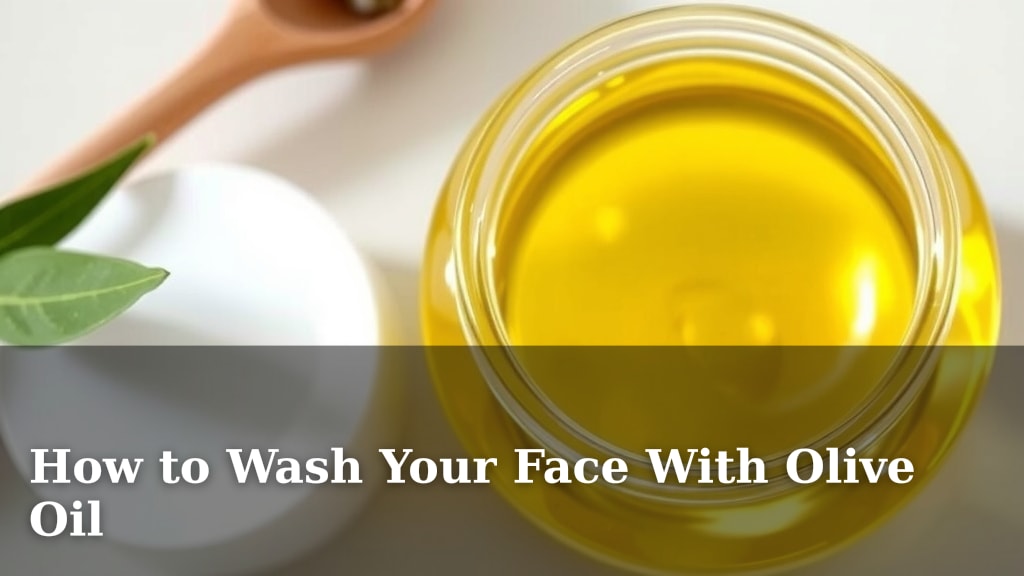
How to Wash Your Face With Olive Oil
Yes, you can absolutely wash your face with olive oil. Many people find it an effective and natural way to cleanse their skin. Olive oil can act as a gentle makeup remover and moisturizer all in one. You might be surprised at how well it works!
Using olive oil for facial cleansing is part of a practice sometimes called the “oil cleansing method.” This method suggests that like dissolves like, meaning oil can effectively break down other oils on your skin, including sebum and makeup. It’s a method that has been around for a long time, with many reporting positive results for various skin types.
- Gently cleanses skin.
- Helps remove makeup and dirt.
- Can leave skin feeling moisturized.
- Use a good quality olive oil.
- Patch test first for sensitive skin.
Ready to give it a try? Let’s walk through exactly how this simple process works for your skin, step by step.
“`htmlUsing Olive Oil for Your Facial Cleansing Routine
So, you’re curious about washing your face with olive oil? It’s simpler than you might think! Many people discover this method leaves their skin feeling surprisingly soft and clean. The idea is to use a natural oil to break down the oils already on your skin, like makeup, sunscreen, and excess sebum. You’re essentially dissolving impurities with a substance similar to what you’re trying to remove. We found that this can be a wonderfully gentle approach for many skin types.
This method is part of what’s called the oil cleansing method. It’s been used for ages. Think of it like this: when you have a greasy pan, you often use a bit of oil to help lift the stuck-on food. Your skin works in a similar way. Using the right kind of olive oil can help clean pores without stripping your skin of its natural moisture. This is a big plus, as over-stripping can lead to dryness or even more oil production.
Choosing the Right Olive Oil
Not all olive oils are created equal for your face. For the best results, opt for extra virgin olive oil (EVOO). Why EVOO? It’s the least processed type. This means it retains more of its natural vitamins, antioxidants, and beneficial compounds. Research suggests these components can be good for your skin. Look for cold-pressed EVOO. It generally indicates a higher quality oil.
You might see different grades of olive oil. Regular or light olive oil has undergone more processing. This can strip away some of the beneficial elements. For cleansing, stick with the purest form you can find. You can often find good quality EVOO in the grocery store’s cooking oil aisle. Just make sure it’s for external use, as some culinary oils might have additives.
Prepping Your Skin for Cleansing
Before you start, make sure your hands are clean. This prevents transferring any dirt or bacteria to your face. You’ll also want to have your supplies ready. This includes your olive oil, a clean washcloth or soft towel, and lukewarm water. Having everything within reach makes the process smooth and enjoyable.
Consider how much makeup you’re wearing. If you have heavy waterproof mascara or foundation, you might want to do a quick pre-cleanse. You can use a gentle makeup remover designed for the eyes and lips. This ensures you’re not working too hard to break down stubborn products. This step isn’t always necessary, but it can help.
The Step-by-Step Olive Oil Cleansing Process
Ready to dive in? Let’s break down the actual steps. It’s really quite simple, and you might find it becomes a relaxing part of your day.
Step 1: Apply the Olive Oil
Start by pouring a small amount of extra virgin olive oil into your clean palm. About a teaspoon or two is usually enough. Gently warm the oil between your hands for a few seconds. Then, carefully massage it onto your dry face. Use gentle, circular motions. Focus on areas where you tend to wear makeup or where you feel your skin is oilier or drier.
Don’t rush this part. Spend a minute or two massaging the oil in. This allows the oil to penetrate your pores and start dissolving any dirt, oil, and makeup. You’re not scrubbing here; you’re inviting the oil to do its work. Imagine you’re giving yourself a mini facial massage. It can feel quite luxurious!
Step 2: Steam and Dissolve
This is where the magic happens. Soak a clean washcloth in warm (not hot!) water. Wring out the excess water so it’s damp, not dripping. Gently lay the warm, damp cloth over your face. Let it sit there for about 30 seconds to a minute. The steam from the cloth helps to open your pores further. This aids in softening and dissolving the impurities that the olive oil has begun to break down.
The warmth can feel incredibly soothing. It’s a moment to relax and breathe deeply. Many people find this step particularly calming. It turns a routine task into a small act of self-care. Ensure the water isn’t too hot, as that can irritate your skin.
Step 3: Gently Wipe Away
Now, take the warm washcloth and gently wipe the oil and dissolved impurities from your face. Use a clean section of the cloth for each swipe. You should see the oil and any makeup or dirt lifting away. Again, be very gentle. Avoid any harsh rubbing or pulling at your skin. The goal is to lift, not to scrub.
You might need to rinse the washcloth and repeat the steaming and wiping process a second time, especially if you were wearing a lot of makeup. This ensures all residue is removed. The skin should feel clean, but not tight or stripped.
Step 4: Pat Dry and Follow Up (Optional)
After you’ve gently wiped away all the oil, pat your face dry with a clean, soft towel. Don’t rub. Your skin should feel clean and supple. Some people find that their skin feels moisturized enough after this step and don’t need any further products. The oil cleansing method is designed to leave a light, moisturizing film.
Others prefer to follow up with a very light, water-based moisturizer, especially if they have dry skin or live in a dry climate. If you do this, wait a minute or two after patting your face dry. This allows your skin to adjust. A toner can also be used at this stage if it’s part of your routine. We found that using a gentle, hydrating toner can prep the skin nicely.
A Quick Checklist for Your Olive Oil Wash
To make it even easier, here’s a quick rundown:
- Use extra virgin olive oil.
- Ensure hands and washcloth are clean.
- Massage oil onto a dry face gently.
- Use a warm, damp cloth to steam and wipe.
- Pat skin dry; follow with moisturizer if needed.

Considering Your Skin Type and Patch Testing
While many people with different skin types can benefit from olive oil cleansing, it’s always wise to be cautious. If you have very oily or acne-prone skin, you might worry that adding oil will make things worse. However, research indicates that oils can actually help balance sebum production. An over-cleansed face might produce *more* oil to compensate (NCBI).
If you have sensitive skin or are prone to breakouts, we strongly recommend doing a patch test first. Apply a small amount of olive oil to a discreet area of your skin, like behind your ear or on your jawline. Wait 24-48 hours to see if any redness, irritation, or breakouts occur. This simple step can save you potential discomfort and help you decide if olive oil cleansing is right for you.
| Benefit | How it Works |
|---|---|
| Gentle Cleansing | Oil dissolves oil, breaking down sebum and makeup without harsh stripping. |
| Moisturizing | Contains fatty acids that can help hydrate and soften skin. |
| Natural Ingredients | Uses a single, natural ingredient, avoiding synthetic chemicals. |
| Makeup Removal | Effectively breaks down various types of makeup, including some waterproof formulas. |
It’s important to remember that everyone’s skin is unique. What works wonders for one person might not be ideal for another. Listen to your skin. If you notice any negative reactions, it might be time to try a different cleansing method or oil.
Conclusion
You’ve now learned how to use extra virgin olive oil as a natural facial cleanser. This method gently dissolves impurities and makeup, leaving your skin feeling soft and moisturized. Remember to use high-quality EVOO and always perform a patch test, especially if you have sensitive skin. Following the simple steps—massage, steam, and wipe—can transform your cleansing routine into a relaxing ritual. Give it a try and see how your skin responds!
Frequently Asked Questions
Can I use any type of olive oil on my face?
It’s best to use extra virgin olive oil (EVOO). This type is the least processed and retains more beneficial vitamins and antioxidants. Regular or light olive oil might have undergone more processing, stripping away some of its natural goodness.
Will washing my face with oil make my skin more oily?
Surprisingly, it can actually help balance your skin’s oil production. The principle of “like dissolves like” means oil can effectively break down excess sebum. Over-cleansing can sometimes cause your skin to produce even more oil.
How often should I wash my face with olive oil?
You can use olive oil for cleansing once or twice a day, depending on your skin’s needs. Listen to your skin; if it feels good and clean without being stripped, you can use it daily. For some, it might be a few times a week.
What if I have sensitive skin or acne?
For sensitive or acne-prone skin, a patch test is highly recommended. Apply a small amount of EVOO to a discreet area first. This helps you see if your skin reacts negatively before applying it to your entire face.
Do I need to moisturize after washing with olive oil?
Often, your skin will feel moisturized enough after the olive oil cleanse. However, if you have very dry skin or live in a dry climate, you might still want to follow up with a light, water-based moisturizer.