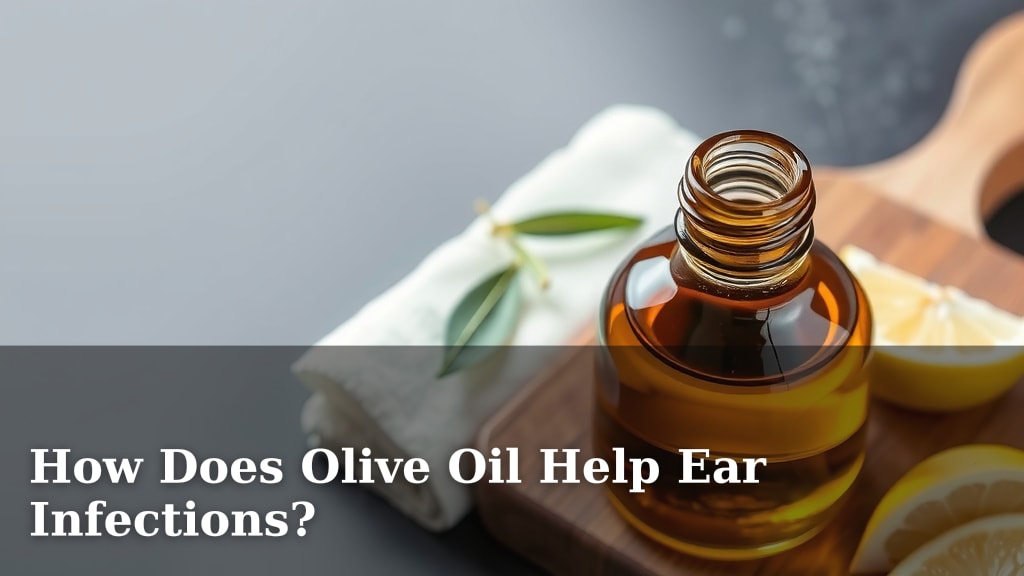
How Does Olive Oil Help Ear Infections?
Yes, olive oil can help with ear infections because of its natural anti-inflammatory and antimicrobial properties. When used correctly, it may help reduce pain and fight off the germs causing the infection. This gentle approach offers a comforting way to manage ear discomfort.
Many people wonder about natural remedies for earaches. Olive oil is often mentioned for its soothing effects. Research suggests it can be a helpful part of managing ear infections, especially when it comes to easing the discomfort and supporting your body’s healing process.
- Olive oil has natural germ-fighting abilities.
- It can help reduce inflammation in the ear.
- It’s a gentle way to find some relief from ear pain.
- Always use with care and consult a doctor for serious infections.
Let’s look closer at how this common kitchen staple might offer some relief for your ear troubles.
How Olive Oil Can Soothe Your Ear Troubles
You’re probably wondering if that bottle of olive oil in your kitchen can really help with an earache. The answer is a comforting yes! Olive oil has properties that can make your ear feel much better. Think of it as a gentle, natural helper for your discomfort.
The Science Behind Olive Oil’s Ear Benefits
Olive oil isn’t just for cooking! Researchers have found it has natural compounds that can help fight off tiny invaders and calm down swelling. This makes it a surprisingly effective home remedy for many common ear issues.
Fighting Germs with Olive Oil
One of the main ways olive oil helps is through its antimicrobial properties. Certain types of bacteria and even some fungi don’t do well when they come into contact with olive oil. This can slow down or stop the growth of germs that might be causing your ear infection. Studies have shown its effectiveness against common ear pathogens.
Calming Inflammation and Pain
Ear infections often come with painful swelling. Olive oil contains oleocanthal, a compound that acts similarly to ibuprofen. It can help reduce inflammation and ease that throbbing pain you’re feeling. This makes it a gentle way to find relief when your ear feels hot and swollen.
A Gentle Carrier for Other Remedies
Sometimes, people add other natural ingredients to olive oil for ear care. Olive oil acts as a great carrier oil. This means it can help deliver other beneficial compounds more effectively to the affected area. For example, a drop of garlic oil mixed with olive oil can offer double the germ-fighting power.
Using Olive Oil Safely for Ear Infections
While olive oil can be helpful, it’s essential to use it the right way to avoid making things worse. Safety first is always the best approach when dealing with your health.
When Olive Oil is a Good Choice
Olive oil is often recommended for outer ear infections, also known as swimmer’s ear. This is when the infection is in the ear canal. It can also help with the discomfort of middle ear infections, especially in children, by softening earwax and reducing pain. However, it’s crucial to know when to seek professional help.
Identifying the Right Type of Ear Problem
Not all ear pain is the same. If you have a fever, discharge from your ear, or severe pain, it’s a good idea to see a doctor. A medical professional can properly diagnose your ear issue. They can tell you if olive oil is a suitable part of your treatment plan. They might also prescribe antibiotics if needed.
Preparing Your Olive Oil “Drops”
You’ll want to use a good quality extra virgin olive oil. Make sure it’s pure and free from additives. Gently warm the oil before using it. You can do this by placing a small amount in a clean spoon and holding it in warm water. It should be lukewarm, not hot. You never want to put hot oil in your ear!
How to Apply Olive Oil to Your Ear
This is where you need to be a bit careful. You don’t want to push anything deep into your ear canal.
The Gentle Drip Method
Tilt your head to the side, with the affected ear facing up. Use a dropper to place 2-3 drops of the lukewarm olive oil into your ear canal. You can also soak a small piece of cotton ball in the oil and gently place it at the entrance of your ear canal. Let the oil sit there for about 5-10 minutes.
After Application Care
After the oil has had time to work, tilt your head in the opposite direction to let any excess oil drain out. You can then gently wipe away any drips with a clean tissue or cloth. For some people, repeating this process 2-3 times a day can offer relief.
What Research and Experts Say
Many studies and health organizations acknowledge the traditional use of olive oil for earaches. While it’s not a cure-all, its properties are recognized.
Evidence Supporting Olive Oil’s Use
Research, including studies published in journals like the Journal of Alternative and Complementary Medicine, has explored the efficacy of herbal remedies for ear infections. Olive oil’s anti-inflammatory and antimicrobial actions are frequently cited as reasons for its benefit. Many guidelines suggest it can help soften earwax, which can be a contributing factor to ear discomfort.
When to Definitely See a Doctor
It’s super important to know when home remedies are enough and when you need professional medical advice. Here’s a quick checklist:
- If you have a high fever (over 102°F or 39°C).
- If you notice any discharge coming from your ear.
- If the pain is severe and doesn’t improve with home care.
- If you experience hearing loss or ringing in your ears.
- If you have a history of frequent ear infections.
- If symptoms persist for more than a few days or worsen.
Remember, a doctor can give you a proper diagnosis and recommend the best course of treatment. They can rule out more serious conditions and ensure your ear heals properly.
Olive Oil vs. Other Home Remedies
How does olive oil stack up against other things people try for earaches? Here’s a quick look:
| Remedy | How it Might Help | Things to Consider |
|---|---|---|
| Olive Oil | Soothing, anti-inflammatory, antimicrobial, softens wax. | Use lukewarm, clean oil. Best for outer/middle ear discomfort. |
| Garlic Oil | Strong antimicrobial and anti-inflammatory properties. | Can be irritating if not diluted properly. Use with caution. |
| Hydrogen Peroxide | Helps break down earwax. | Can cause bubbling or stinging. Not for infected ears without doctor’s advice. |
Olive oil often stands out because it’s gentle and readily available. It’s a good starting point for many minor ear discomforts. For more serious issues, professional medical treatment is necessary.
Conclusion
You’ve learned that olive oil can be a gentle helper for ear discomfort. Its natural anti-inflammatory and antimicrobial properties may reduce pain and fight germs. Remember, it’s best for outer ear infections or to soothe middle ear pain. Always use lukewarm, pure extra virgin olive oil for application. While it offers comfort, it’s not a substitute for medical care. If your symptoms are severe or persist, please consult a doctor for proper diagnosis and treatment.
Frequently Asked Questions
Can I use olive oil if my ear is draining?
If you see any discharge or fluid coming from your ear, it’s best to avoid using olive oil. Drainage can indicate a more serious infection that needs medical attention. A doctor can properly diagnose the issue and recommend the right treatment to keep your ear healthy.
How often should I apply olive oil for ear pain?
For mild discomfort, you can try applying 2-3 drops of lukewarm olive oil 2-3 times a day. Listen to your body; if it provides relief, continue as needed. If the pain doesn’t improve or worsens, it’s time to seek professional medical advice.
Is extra virgin olive oil the best kind to use?
Yes, extra virgin olive oil is generally recommended for ear use. It’s less processed and contains more beneficial compounds. Make sure it’s pure, without any added fragrances or chemicals, to ensure it’s safe and effective for your ear.
Can olive oil help with earwax buildup?
Olive oil is effective at softening earwax. This can make it easier for the wax to come out naturally. Applying a few drops can help loosen impacted earwax, relieving pressure and discomfort. However, don’t force anything out, and consult a doctor if you have trouble removing it.
When should I stop using olive oil and see a doctor?
You should stop using olive oil and see a doctor if you experience high fever, severe pain, hearing loss, or if symptoms don’t improve within a couple of days. Persistent or worsening pain is a clear sign that medical intervention is needed.

![7 Best Greek Olive Oil For Dipping [2026]](https://bestpureessentialoils.com/wp-content/uploads/2026/08/7-best-greek-olive-oil-for-dipping-2026-featured-768x432.jpg)
![7 Best Crete Olive Oil [2026]](https://bestpureessentialoils.com/wp-content/uploads/2026/06/7-best-crete-olive-oil-2026-featured-768x432.jpg)