How Does Olive Oil Help Your Body?
Yes, olive oil can be great for your body, especially when you choose extra virgin varieties. It’s packed with healthy fats and antioxidants that help fight inflammation and protect your heart. Think of it as a delicious way to support your overall well-being from the inside out.
This golden liquid isn’t just for cooking; it’s been a staple in healthy diets for centuries. Research shows its compounds may help lower bad cholesterol and improve blood vessel function. Plus, its anti-inflammatory properties can benefit your brain and digestion. It’s a simple addition with surprisingly big perks for your health.
- Olive oil, particularly extra virgin, is rich in healthy fats.
- It contains antioxidants that fight inflammation.
- May support heart health and lower bad cholesterol.
- Can also benefit brain health and digestion.
Ready to discover how this kitchen staple can boost your health? Let’s dive into the specific ways olive oil works wonders for your body.
“`htmlHow Your Body Thrives on Olive Oil
You’re probably already familiar with olive oil as a kitchen staple. But did you know it’s a powerhouse for your health? Research consistently shows that the healthy fats and compounds in olive oil can do wonders for you. Let’s look at the amazing ways it can help keep you feeling your best.
Fueling Your Heart Health with Healthy Fats
One of the biggest benefits of olive oil lies in its **monounsaturated fatty acids (MUFAs)**. These are the “good” fats that are so important for your body. They play a key role in keeping your cardiovascular system happy and healthy.
Lowering “Bad” Cholesterol
Many experts agree that MUFAs are excellent for managing cholesterol levels. They specifically help to lower your LDL cholesterol, often called the “bad” cholesterol. High LDL can clog your arteries. By reducing it, olive oil helps keep your blood flowing smoothly.
A study found that regularly consuming olive oil can lead to a significant reduction in LDL cholesterol (NCBI). This is a major win for your heart health. It’s like giving your arteries a gentle, cleansing rinse.
Boosting “Good” Cholesterol
But it’s not just about lowering the bad stuff! Olive oil also helps to increase your HDL cholesterol, the “good” kind. HDL cholesterol helps remove excess cholesterol from your arteries. It carries it back to your liver for processing. So, olive oil is a double-duty hero for your heart!
Supporting Blood Vessel Function
The health of your blood vessels is crucial for overall well-being. Olive oil’s components can help keep these vessels flexible and healthy. They prevent them from becoming stiff or damaged. This improved elasticity means better blood flow throughout your entire body.
Some research indicates that olive oil can help your body produce nitric oxide. This is a gas that helps relax blood vessels. It’s a simple dietary choice that can make a big difference in how efficiently your blood circulates.
Fighting Inflammation: A Powerful Antioxidant Effect
Inflammation is a natural response, but chronic inflammation can lead to various health issues. Olive oil, especially extra virgin olive oil (EVOO), is loaded with **antioxidants**. These compounds are your body’s defense against cell damage.
Key Antioxidant Compounds
EVOO is particularly rich in polyphenols. These are powerful plant compounds that have strong anti-inflammatory and antioxidant properties. One notable polyphenol is oleocanthal. It has been compared to ibuprofen for its anti-inflammatory effects, though much milder (American Association for Cancer Research).
You also get vitamin E, which is another well-known antioxidant found in olive oil. These compounds work together to protect your cells from damage caused by free radicals. Free radicals are unstable molecules that can harm your body over time.
Reducing Inflammatory Markers
Studies have shown that people who consume olive oil regularly tend to have lower levels of inflammatory markers in their blood. This suggests that olive oil can actively help to reduce inflammation throughout your body. It’s like dousing small fires before they can spread.
Olive Oil’s Benefits for Your Brain and Digestion
The goodness of olive oil doesn’t stop at your heart and inflammation levels. Your brain and digestive system can also reap significant rewards.
Supporting Cognitive Function
The healthy fats and antioxidants in olive oil are great for brain health. MUFAs can help support the brain’s cell membranes. Antioxidants protect brain cells from oxidative stress. This is important as we age.
Some research suggests that a diet rich in olive oil may help preserve memory and cognitive function. It may even offer some protection against age-related cognitive decline (Harvard T.H. Chan School of Public Health). Think of it as nourishing the wiring in your brain.
Aiding Digestive Health
Olive oil can also be a friend to your gut. Its properties can help to soothe your digestive tract. It acts as a mild laxative, which can help with constipation for some people.
It’s believed that olive oil can support a healthy gut microbiome. This means it helps the beneficial bacteria in your gut thrive. A healthy gut is linked to better digestion, a stronger immune system, and even improved mood.
A Simple Addition for Big Health Perks
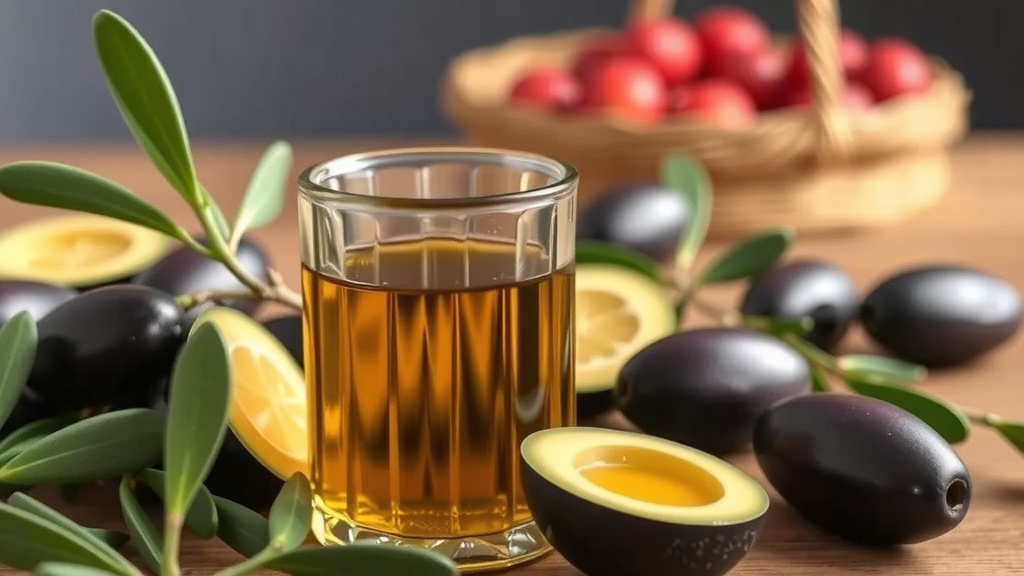
Adding olive oil to your diet is one of the easiest ways to boost your health. You can use it in so many ways!
Tips for Incorporating Olive Oil:
- Drizzle it over salads and cooked vegetables.
- Use it for sautéing and light frying.
- Mix it into dressings and marinades.
- Dip crusty bread into a small bowl of good quality EVOO.
- Add a spoonful to soups or stews for extra flavor and nutrients.
- Blend it into smoothies for a smooth texture and healthy fats.
Choosing the Right Olive Oil Matters
When you’re looking for the most health benefits, **extra virgin olive oil (EVOO)** is your best bet. It’s the least processed type of olive oil.
| Type of Olive Oil | Processing | Key Benefits |
|---|---|---|
| Extra Virgin Olive Oil (EVOO) | Cold-pressed, no chemicals, minimal processing | Highest in antioxidants and nutrients, best flavor |
| Virgin Olive Oil | Cold-pressed, but slightly less strict standards than EVOO | Good antioxidant content, still high quality |
| Pure/Refined Olive Oil | Treated with heat and chemicals to remove defects | Lower in antioxidants and nutrients, neutral flavor |
| Olive Pomace Oil | Extracted from the leftover pulp using solvents | Lowest in beneficial compounds, not recommended for health |
Because EVOO retains more of its natural nutrients and beneficial compounds, you get the most health bang for your buck. Look for bottles labeled “Extra Virgin” and ideally those that indicate they are cold-pressed. Sometimes, darker bottles help protect the oil from light, which can degrade its quality.
“`Conclusion
You’ve seen how olive oil, especially extra virgin, is a powerhouse for your well-being. It’s packed with healthy fats that support your heart by managing cholesterol and keeping blood vessels flexible. Its rich antioxidants combat inflammation, protecting your cells from damage. Plus, it offers benefits for your brain and digestive system, making it a simple yet powerful addition to your diet. Ready to experience these perks? Start by swapping out less healthy fats for a drizzle of good quality extra virgin olive oil in your meals today.
Frequently Asked Questions
What is the best type of olive oil for health benefits?
Extra virgin olive oil (EVOO) offers the most health benefits. It’s the least processed and retains the highest levels of antioxidants and beneficial compounds. Look for “cold-pressed” on the label for the best quality.
Can I use olive oil for cooking at high temperatures?
Extra virgin olive oil has a smoke point that makes it suitable for many cooking methods, like sautéing. However, for very high-heat frying, a more refined olive oil or another oil might be better to prevent it from burning.
How much olive oil should I consume daily for health benefits?
Most research suggests around 1 to 2 tablespoons per day is a good target for reaping the health advantages of olive oil. This can be easily incorporated into your meals through dressings, cooking, or as a dip.
Are there any side effects of consuming too much olive oil?
While olive oil is healthy, consuming excessive amounts can lead to weight gain due to its calorie density. Some individuals might also experience mild digestive upset if they significantly increase their intake suddenly.
Can olive oil help with weight loss?
Olive oil itself doesn’t directly cause weight loss, but it can be a helpful part of a balanced diet for weight management. Its healthy fats can promote feelings of fullness, potentially reducing overall calorie intake.

![7 Best Extra Virgin Olive Oil For Skin [2026]](https://bestpureessentialoils.com/wp-content/uploads/2026/08/7-best-extra-virgin-olive-oil-for-skin-2026-featured-768x432.jpg)
![7 Best Greek Extra Virgin Olive Oil Brands [2026]](https://bestpureessentialoils.com/wp-content/uploads/2026/08/7-best-greek-extra-virgin-olive-oil-brands-2026-featured-768x432.jpg)